


iPad Parts: Matching Screens and Batteries to the Right Model
Need this part? We stock tested replacement parts with same-day UK dispatch and a 12-month warranty.
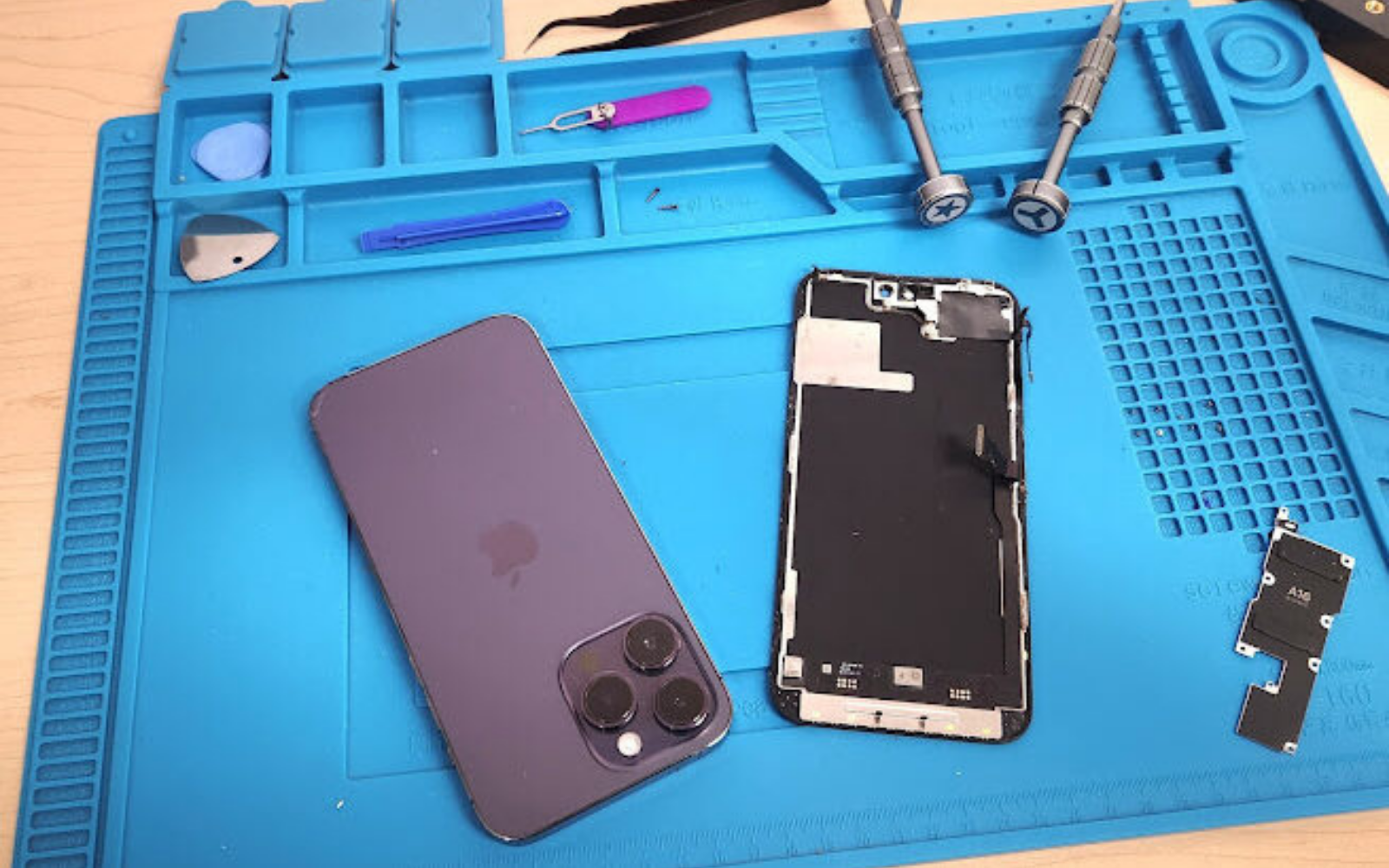
iPad repairs attract more ordering mistakes than iPhone work, for a simple reason: several generations share the same screen size, and the customer describes their device by that size. An iPad 9 and an iPad 10 are both 10.9 inches, and their parts are not interchangeable.
The model number resolves it. What follows is how to confirm it quickly and what else has to be checked before an iPad part is ordered.
Why iPad ordering goes wrong more often than iPhone
Because screen size is the customer’s description and the least useful identifier.
Apple has released several iPads in the same physical size with different internal generations, different display constructions and different connectors. The customer sees a 10.9-inch tablet; the parts catalogue sees four different products in that size. Ordering from the description produces a part that is correct in dimension and wrong in every other respect.
The same applies to batteries. An iPad battery is matched to the chassis, and two generations in the same size can carry different cells with different connectors and different capacities.
How do you find the right iPad model number?
From the back of the device or from the settings, not from the box.
The model number is printed in small text on the back of the iPad, and it also appears in Settings under General, then About. Read it from the device rather than from the packaging, because customers often keep the wrong box and boxes get reused.
Record the whole value. The model number identifies the generation and, on some lines, the connectivity version as well, which is the second thing that has to be confirmed.

Does Wi-Fi versus cellular change the part?
Sometimes, and it is the second thing to confirm.
On some generations the Wi-Fi and cellular versions take the same display assembly. On others the cellular version carries additional antenna arrangements that affect fit or the part number. The two are indistinguishable from the front, so the version has to be established from the model number or from the device itself.
The practical approach is to record both pieces of information at intake: the model number and whether the device has a SIM tray. Those two facts answer almost every ordering question on an iPad before anything is opened.
| What you need to know | Where to find it | Why it matters |
|---|---|---|
| Model number | Back of the device, or Settings then General then About | Identifies the generation and the part family |
| Connectivity version | Presence of a SIM tray, or the model number | Changes the part on some generations |
| Display construction | Model documentation or the part listing | Decides whether a glass-only repair is possible |
| Battery part reference | The part listing for that model | Confirms the correct cell and connector |
Is the screen one part or two?
On most iPads it arrives as a complete assembly.
Where the glass and the display are bonded into a single unit, the repair is a complete assembly swap, and the part cost reflects that. Where the layers are separate, a glass-only repair is possible and the part cost is lower, but the work is more delicate and the risk of damaging the panel during separation is real.
Establishing which construction the model uses is part of the quote rather than part of the repair. Quoting a glass-only job on a model that takes a complete assembly produces a part you cannot use.
How do you avoid damaging an iPad display during removal?
Treat the panel as the fragile part, not the glass.
iPad displays are large, thin and bonded across a wide area, which makes them less forgiving than an iPhone panel of the same construction. Heat has to be applied evenly across a bigger surface, and the panel flexes more readily if it is lifted unevenly. Working from one corner with force is how these panels crack.
Where a device has been repaired before, the adhesive may also be uneven, which makes the removal less predictable. The reassembly discipline in our guide to why panels lift from the frame applies here, and it matters more on a larger panel because the bond covers more area.
What should you check on an iPad that has been repaired before?
Whether the panel is original, and whether the frame is straight.
A previously repaired iPad may carry an aftermarket panel, which changes how it behaves when you remove it and what the customer can expect from the new one. The checks in our guide to telling an original panel from an aftermarket one apply to iPad assemblies in the same way.
A bent frame is the other thing to look for. On a tablet, a chassis that is no longer flat prevents a new panel seating correctly, and the repair will lift regardless of how well it was bonded. Checking that before you quote avoids a job that cannot succeed.
-500x500h.jpg)
What should you record on the job sheet?
The model number, the connectivity version and the panel construction.
Record the model number as printed, whether the device is Wi-Fi or cellular, and whether the repair is a complete assembly or a glass-only job. If the device has been repaired before, note that as well, because it affects both the removal and the customer’s expectations.
For retail customers in the UK, the statutory rights you must honour sit on top of your own warranty and are set by the Consumer Rights Act 2015. Obligations around the safety of goods you place on the market sit with the Office for Product Safety and Standards, and Apple publishes its own display service route under Apple Service and Repair for Apple Display.
Where a replaced part is disposed of, electrical waste is covered by the Waste Electrical and Electronic Equipment Regulations 2013, and battery handling in a workplace falls under the Health and Safety Executive.
Is iPad work worth taking on?
Yes, with a narrower stock position than iPhone.
iPad parts are more expensive per unit and demand is more fragmented, so holding a wide range is risky. The workable approach is to order per job against the confirmed model number and to stock only the models you see repeatedly.
What makes iPad work attractive is that fewer shops take it on, which means less competition on both the repair and the parts. A shop that can quote accurately from the model number and handle the panel without damaging it has a repair that most walk-in competitors will turn away. If you already track which models come through the door, the same approach used for planning MacBook stock applies here.
How does iPad work compare with iPhone work commercially?
Higher part cost, lower volume, less competition.
An iPad display assembly costs considerably more than an iPhone panel, which means a single ordering mistake costs more and a dead-on-arrival part ties up more money while it is resolved. Against that, the volume is lower, so a shop does not need to hold a wide position to serve the demand it sees.
The competition is thinner as well. Many counter shops decline iPad work because the panels are expensive to hold and the removal is less forgiving, which means a shop that takes it on is often the only local option. That shows up in the labour margin rather than in the parts margin.
The commercial shape that works is to treat iPad parts as ordered per job and iPad labour as the product. A shop that quotes accurately from the model number, handles the panel without cracking it, and can explain the difference between a glass-only repair and an assembly swap will win work that competitors turn away.
Where a shop does want a stock position, the sensible starting point is one or two generations that appear regularly rather than a spread across the whole range. The logic is the same one used when choosing which screen brands to hold: measure what actually comes through the door, then buy against that.
Warranty terms deserve particular attention on iPad work. Because the parts are expensive and the removal is riskier, the position a shop offers should reflect the construction of the assembly it fitted, and the customer should be told what happens if a bonded panel lifts. Putting that in writing at intake is standard practice on iPhone work and matters more here.
What should you check before the customer arrives?
The model number, the part availability and the realistic timescale.
iPad parts are less commonly held in depth than iPhone parts, so the lead time on a display assembly can be longer than a customer expects. Confirming availability against the model number before promising a collection date is what prevents the awkward call three days later.
Ask for the model number when the booking is made rather than when the device arrives. That single question tells you whether the part is in stock, whether the panel is one piece or two, and whether the job is worth taking on at all.
What is the one habit that prevents a wrong iPad part?
Read the model number from the device, never from the box.
Customers keep the wrong box, and boxes get reused for other devices. Reading the number from Settings or from the back of the tablet takes twenty seconds and removes the entire class of ordering error that makes iPad work expensive. Ask for it at booking, record it on the job sheet, and order against it.
FAQ
How do I find my iPad model number?
Turn the iPad over and read the model number printed in small text near the bottom, or open Settings then General then About and look for the model number field. That value identifies the exact generation, which is what parts are matched against. Screen size alone does not, because several generations share the same size.
Are iPad Wi-Fi and cellular screens the same?
Not always. On several generations the two versions share the same display, and on others the cellular version has additional antenna or shielding arrangements that affect fit. Confirm which version the customer has before ordering, because the two look identical from the front.
Why is an iPad screen more expensive than an iPhone screen?
Because it is a larger panel, and because on most iPads the display is bonded as a complete assembly with the digitiser rather than being supplied as separate layers. The assembly is also physically more fragile to handle, which raises the risk carried by both the supplier and the shop.
Can I replace just the glass on an iPad?
On some generations the glass and the display are separate layers and a glass-only repair is possible. On others they are bonded into one assembly, and attempting to separate them risks destroying both. Establish which construction the model uses before quoting, because the two jobs are completely different.
iPad work is decided before the device is opened. Read the model number from the device, confirm the connectivity version, establish whether the panel is one part or two, and check the frame is flat. Four checks that decide whether the job is straightforward or a part you cannot use.
Taking on iPad repairs? Digi4u supplies iPad screens, batteries, home buttons and small parts to UK repair shops, with trade pricing, same-day dispatch and up to 12 months warranty. Send us the model number and we will confirm stock.