


Phone Repair Shop Supplies UK: The Consumables That Decide Your Margin
Need this part? We stock tested replacement parts with same-day UK dispatch and a 12-month warranty.
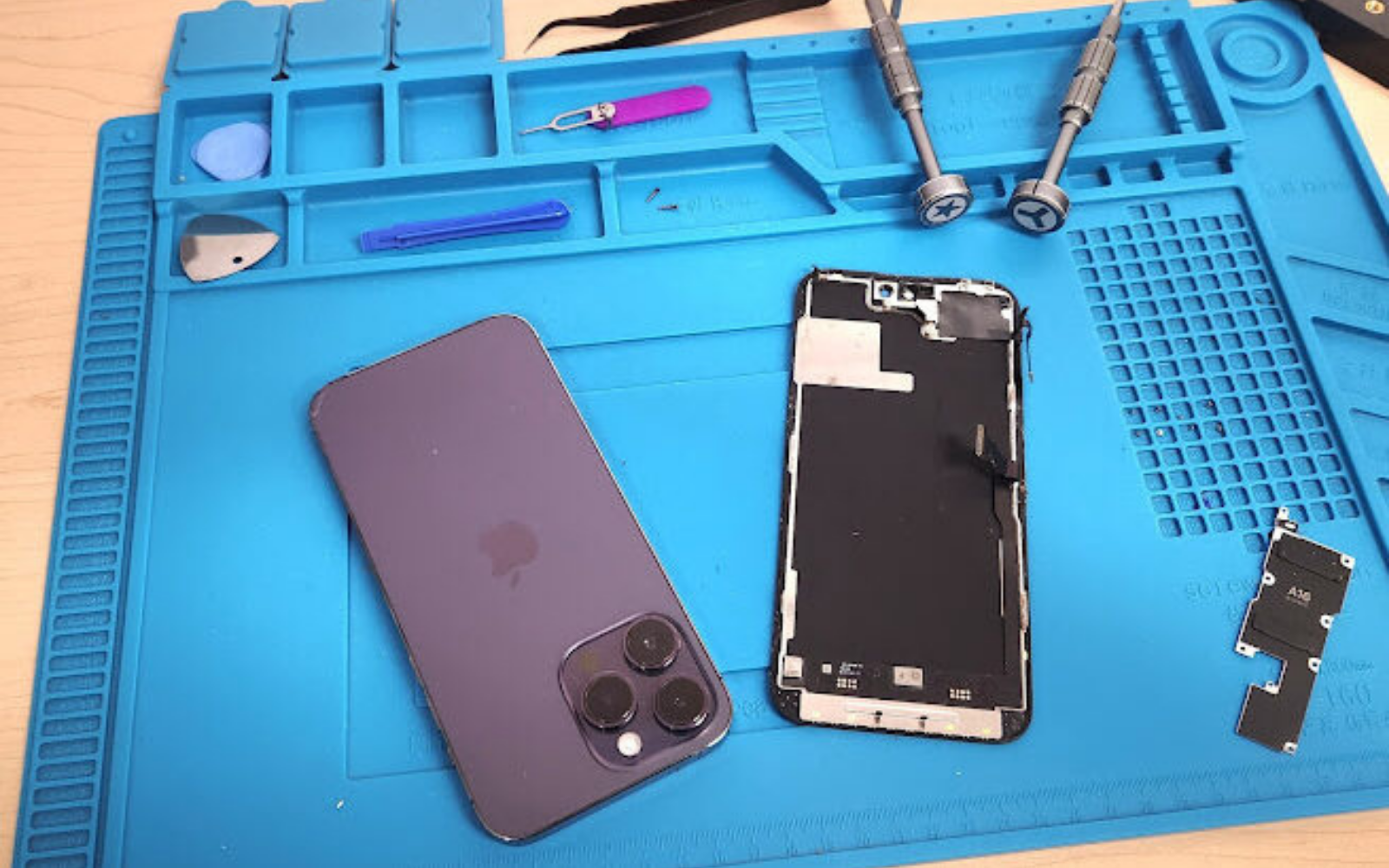
Ask a shop what its largest consumable cost is and most will guess at screens. Screens are stock, not consumables, and the lines that actually recur every week are the ones nobody lists: adhesive, wipes, alcohol, tabs, tape, gloves and the cleaning tools that never show up on an invoice.
Those lines decide margin in two ways. They are a real cost per repair, and they determine whether a repair holds. A shop that buys them cheaply pays for it in rework; a shop that buys them well and never counts them pays for it in a slow drift of margin that has no obvious cause.
Which supplies does a repair shop actually use every week?
Adhesive, wipes, alcohol, tabs and gloves.
Every screen job consumes screen adhesive or a gasket, a wipe, alcohol, and in most cases a battery tab or two if the battery has to come out. Every battery job consumes tabs and adhesive. Every intake consumes a pair of gloves and a wipe. Add a cleaning tool and a piece of tape and you have the real supply list.
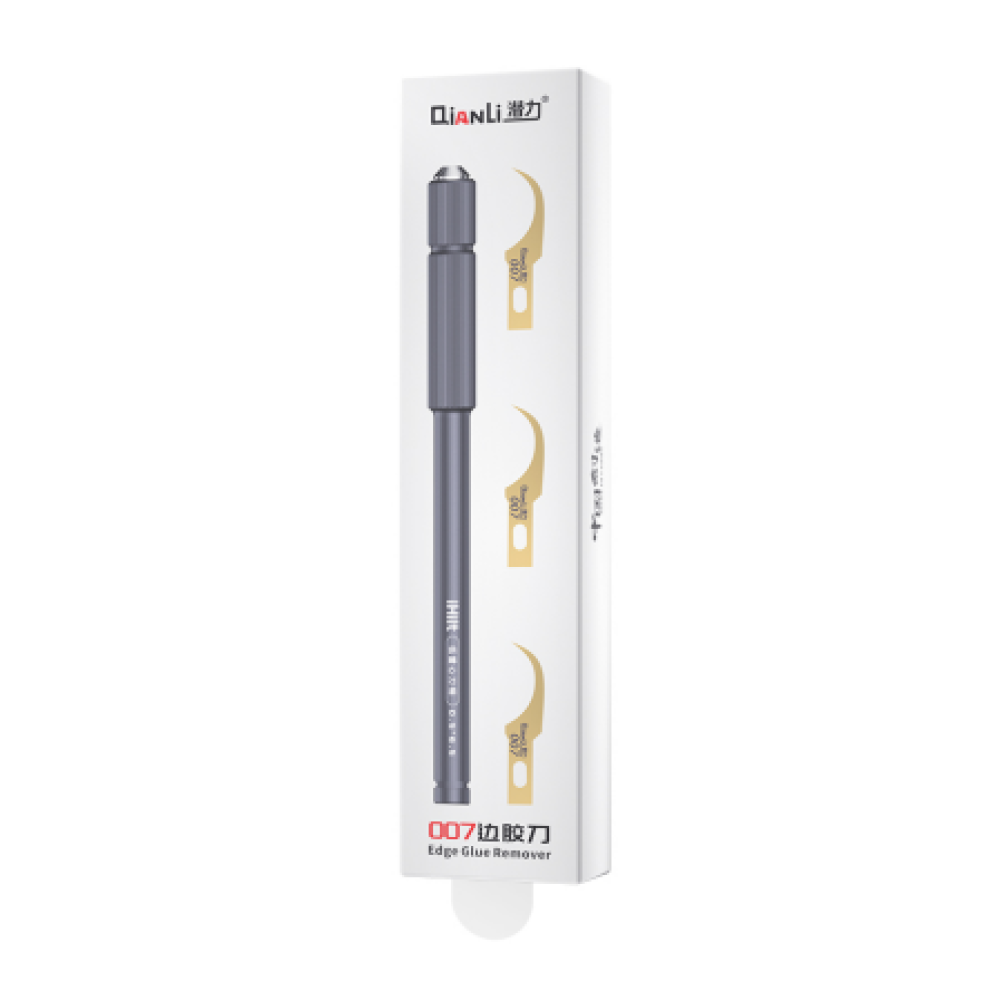
The second tier is less frequent but just as necessary: edge glue remover, dust-removal film, press clamps, dust plugs, thermal paste for some board work, and the lint-free swabs used around a camera module. None of these are optional equipment; they are the things that make the difference between a repair that looks finished and one that is.
Why do consumables cost more than the tools?
Tools are bought once; supplies are bought monthly.
A shop that spends £500 on a bench buys it once. The same shop will spend more than that on consumables within a year, and the spend is invisible because it arrives as a dozen small invoices rather than one memorable purchase. That asymmetry is why consumable costs are so often underestimated in a repair price.
The useful discipline is to work out a figure per repair rather than a figure per year. Take a typical month’s consumable spend and divide it by the number of repairs completed. Most shops land somewhere between £1 and £3 per job, and that number is what belongs in the labour rate.
What should you keep on the bench and what belongs in the store cupboard?
Bench: what you touch every hour. Cupboard: the rest.
The bench holds one adhesive, one alcohol bottle, one box of wipes, one roll of tape, a tab dispenser and a pair of gloves. Everything else lives in the cupboard in sealed packaging, because adhesive products cure, wipes dry out and alcohol evaporates faster than anyone expects.
That split is also a stock control mechanism. When the bench supply runs out you open the cupboard, which is the moment you notice what you have left. A shelf with no cupboard behind it is a shop that discovers it is out of adhesive halfway through a screen repair.
How do you price consumables into a repair?
As part of the labour rate, not as a line item.
Itemising adhesive and wipes on a customer invoice invites a conversation about a £2 charge and gives away the shop’s cost structure for nothing. The cost belongs in the labour rate, where it can be averaged across every job, including the ones that consume more than usual.
That is the same treatment given to the rework allowance. Both are real costs, both recur, and both are best absorbed into a price that has been set with them in mind. The structure behind that calculation is set out in pricing a repair so the parts margin survives.
Which adhesives and tapes matter most?
The ones that hold a sealed device together.
Screen adhesive is the line that decides whether a panel lifts, so it is not the place to save money. Pre-cut adhesive for a specific model is faster and more consistent than a roll, and on devices with a water-resistance claim the correct gasket is not optional. The failure mode when this goes wrong is described in why replacement screens lift from the frame.
The second adhesive decision is back glass and rear housing work, which needs a different product with different cure behaviour. A shop doing that work needs the right tape and the right clamping process, and the panel-matching considerations are covered in methods and part matching for back glass.
What cleaning supplies are safe on a phone?
Isopropyl alcohol, lint-free wipes and patience.
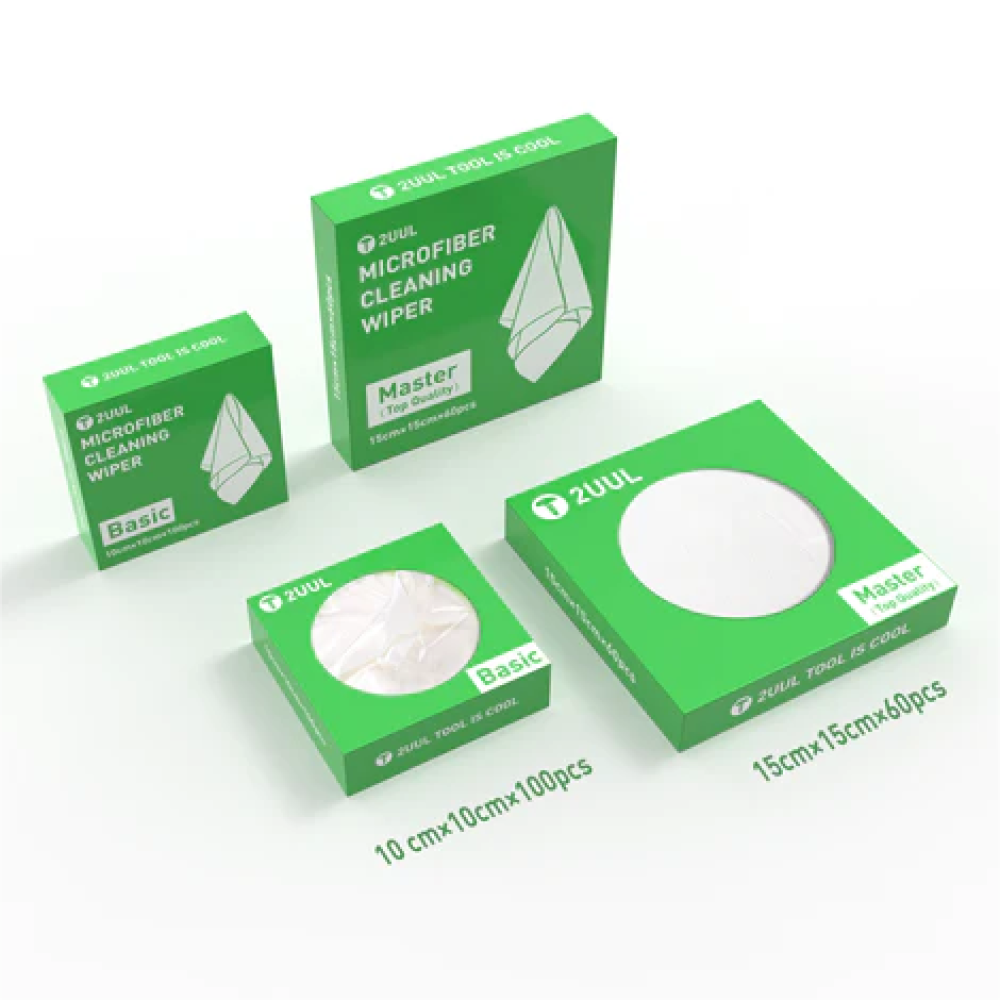
High-purity isopropyl alcohol and lint-free wipes handle almost everything on a phone interior. What to avoid is anything water-based, anything scented, anything that leaves lint and anything abrasive, because residue and fibres cause more faults than dirt does. Screen cleaners designed for glass are not suitable inside a device.
The other rule is technique rather than chemistry. Pressure pushes contamination into places it cannot be removed from, and metal tools scratch connector surfaces. Plastic picks, wooden scrapers and controlled amounts of alcohol cover the vast majority of cleaning work a repair shop does.
How should you store and dispose of consumables?
Sealed, labelled, cool, and off the floor.
Adhesives and alcohol do not like heat or sunlight, and opened containers should be sealed rather than left on the bench overnight. A labelled cupboard with a written minimum for each line is enough for most shops, and it removes the mid-repair discovery that something has run out or cured.
Disposal matters on the parts side more than the consumables side. Replaced screens, cells and scrap boards are waste electrical equipment and have to go through a registered route, and the general safety expectations around solvents and a soldering station are covered by the HSE’s guidance on risk assessment at work and on electrical safety. Where a consumable is itself electrical, disposal follows the rules described at the Waste Electrical and Electronic Equipment Regulations 2013.
What is the cheapest way to run out of something mid-repair?
Ordering against memory rather than a minimum.
Running out is rarely a supply problem; it is a control problem. A shop that keeps a written minimum for each consumable and orders when it hits that line never runs out, and the process costs nothing but the decision to write the numbers down once.
The cost of getting it wrong is disproportionate. A missing tab or a dried adhesive stops a repair that is already open, holds a customer’s device over a bench, and usually ends with a rush order that costs more than the item. That is the same argument that applies to buying tools and parts on one trade account, where the objective is fewer orders in flight rather than a lower unit price.
How do you keep a stock minimum that works?
Set it at two weeks of use and review it quarterly.
Two weeks is long enough to cover a normal delivery and short enough that the cash tied up is trivial. Whatever your shop consumes in a fortnight is the minimum, and the review exists to catch the lines where volume has drifted, such as a model family that has become more common in your mix.
The numbers are worth writing on the cupboard door. A shop that can see its minimums at a glance reorders in seconds, and the person doing the ordering does not have to be the person who knows the repair mix by heart.
Which supplies should you never buy cheap?
Adhesive, alcohol and anything that touches a panel.
Cheap adhesive fails in the way that costs the most: after the device has gone home. Low-purity alcohol leaves residue on a board or a panel surface. Cheap wipes leave fibres. The saving on each of those lines is measured in pence and the failure cost is measured in a return visit.
By contrast, there is no harm in buying generic brands for gloves, dust plugs and mixing cups, where the specification is simple and the failure mode is obvious. Sorting the consumable list into those two groups is a five-minute exercise that removes a recurring source of avoidable returns.
How do supplies affect your warranty position?
They are usually what the failure traces back to.
A lifting panel, a screen that fills with dust, a battery that will not stay seated: those outcomes are about consumables and process rather than about the part. When a customer claim is evaluated, the question of what adhesive and what gasket were used is as relevant as which panel was fitted.
That is why the invoice should record what was fitted without turning the consumables into a visible charge. Retail customers keep their rights under the Consumer Rights Act 2015 regardless of how the consumable cost is presented, and the Office for Product Safety and Standards is the relevant regulator where goods are placed on the market.
What is the one habit that keeps supply costs flat?
Count the consumable spend per completed repair.
Divide the month’s supply invoices by the number of repairs and watch the figure. When it rises, something has changed: a supplier, a habit, or a part line that consumes more than it used to. When it is flat, the pricing is safe and the bench is running normally.
One number, calculated monthly, in under a minute. It is the cheapest piece of management information available to a repair shop, and it turns the most invisible cost in the business into something that can actually be seen.
FAQ
What consumables does a phone repair shop use most?
Screen adhesive or gaskets, lint-free wipes, isopropyl alcohol, battery tabs, tape and gloves. Those are consumed on nearly every job, with edge glue remover, dust film and swabs used less often but just as necessary.
Should I charge customers separately for consumables?
No. Fold the cost into the labour rate, where it averages across every job including the heavier ones. Itemising adhesive and wipes on an invoice invites a conversation about a two pound charge and reveals the shop’s cost structure for no benefit.
How much do consumables add to each repair?
Most shops land between one and three pounds per completed repair. Calculating it is simple: take a month of supply invoices and divide by the number of repairs finished in the same period.
Which repair supplies should I not buy cheaply?
Adhesive, alcohol and anything that touches a panel or a board. Those fail after the device has gone home, where the cost is a return visit rather than a few pence. Generic brands are usually fine for gloves, dust plugs and simple disposables.
Keep the consumables that decide your margin in stock. Digi4u supplies adhesives, cleaning supplies and bench consumables on the same trade account as your parts.
{
“@context”: “https://schema.org”,
“@type”: “FAQPage”,
“mainEntity”: [
{“@type”: “Question”, “name”: “What consumables does a phone repair shop use most?”,
“acceptedAnswer”: {“@type”: “Answer”, “text”: “Screen adhesive or gaskets, lint-free wipes, isopropyl alcohol, battery tabs, tape and gloves. Those are consumed on nearly every job, with edge glue remover, dust film and swabs used less often but just as necessary.”}},
{“@type”: “Question”, “name”: “Should I charge customers separately for consumables?”,
“acceptedAnswer”: {“@type”: “Answer”, “text”: “No. Fold the cost into the labour rate, where it averages across every job including the heavier ones. Itemising adhesive and wipes on an invoice invites a conversation about a two pound charge and reveals the shop’s cost structure for no benefit.”}},
{“@type”: “Question”, “name”: “How much do consumables add to each repair?”,
“acceptedAnswer”: {“@type”: “Answer”, “text”: “Most shops land between one and three pounds per completed repair. Calculating it is simple: take a month of supply invoices and divide by the number of repairs finished in the same period.”}},
{“@type”: “Question”, “name”: “Which repair supplies should I not buy cheaply?”,
“acceptedAnswer”: {“@type”: “Answer”, “text”: “Adhesive, alcohol and anything that touches a panel or a board. Those fail after the device has gone home, where the cost is a return visit rather than a few pence. Generic brands are usually fine for gloves, dust plugs and simple disposables.”}}
]
}