


Tempered Glass and Screen Protectors: What to Stock and How to Fit Them
Need this part? We stock tested replacement parts with same-day UK dispatch and a 12-month warranty.
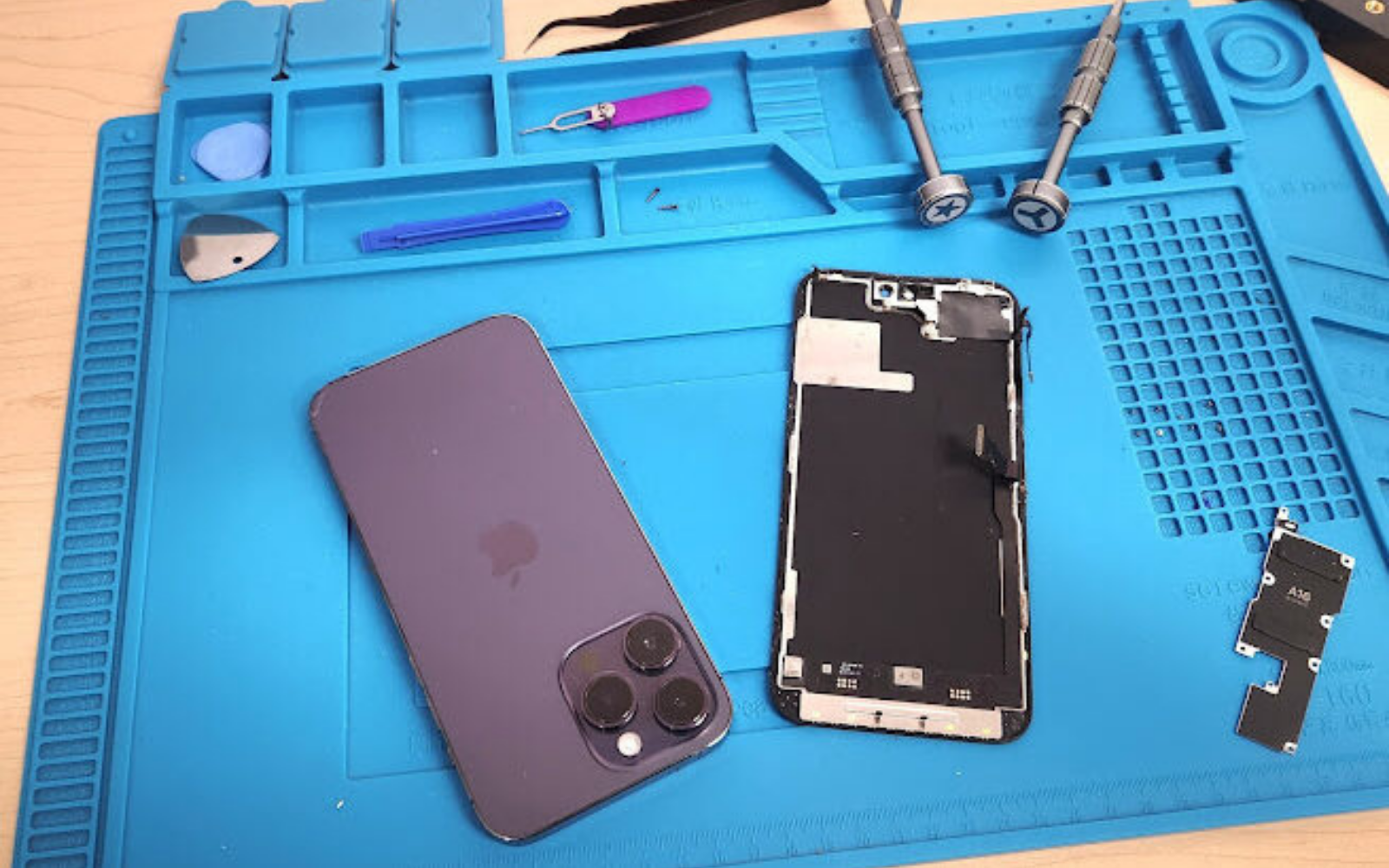
Tempered glass is the highest-margin line most repair shops stock and the one they think about least. It is bought in bulk, sold at a multiple, fitted in two minutes, and almost never discussed with the customer in any detail.
That is a missed opportunity rather than a problem. Glass that fits properly, is explained properly and is priced as part of the repair rather than as a separate favour sells far better, and comes back far less often.
Why should a repair shop sell screen protectors at all?
The customer has just been reminded how screens break.
Nobody is more receptive to a screen protector than somebody collecting a phone with a new display on it. The margin on the glass is good, the fitting takes minutes, and the sale is a genuine service rather than an upsell.
It also protects the repair itself. A customer whose replacement screen is scratched within a month remembers the repair, not the scratch, which is an association worth avoiding for the price of a piece of glass.
What is the difference between tempered glass grades?
Thickness, edge profile and coverage.
Thickness affects feel and edge chipping rather than protection in any dramatic way, and the edge profile determines whether the glass sits flat or wraps around a curved display. The coverage is the specification customers actually notice.
The hardness figure printed on packaging describes scratch resistance rather than impact protection, which is worth knowing so the claim is not overstated. A protector of any grade can crack while absorbing an impact, and that is the product working rather than failing. What the panel underneath reports after a later repair is a separate subject, documented by Apple at about genuine iPhone displays.
Why does a protector not fit every case?
Full coverage and case clearance compete for space.
A protector that reaches the very edge of the glass leaves no room for a case lip, and a case with a raised edge will lift the protector at the corners. Case-friendly glass stops short of the edge, and full-cover glass looks better with a slim case or none.
Asking which case the customer uses takes five seconds and determines which product to sell. Getting it wrong is the most common reason a protector comes back, and it is entirely avoidable.
How do you fit glass without dust?
Clean, inspect, then use a dust sticker.
The display is cleaned with isopropyl alcohol and a lint-free wipe, then inspected at an angle under light for remaining particles. A dust removal sticker lifts what the wipe leaves behind, and the protector goes on in one movement rather than being repositioned.
Working in a clean area matters more than any tool. A bench where glass repair happens is a bench with glass dust in the air, which is why the fitting should happen somewhere else, the same principle that applies to lamination work described in what a FOG panel is and when to buy one.
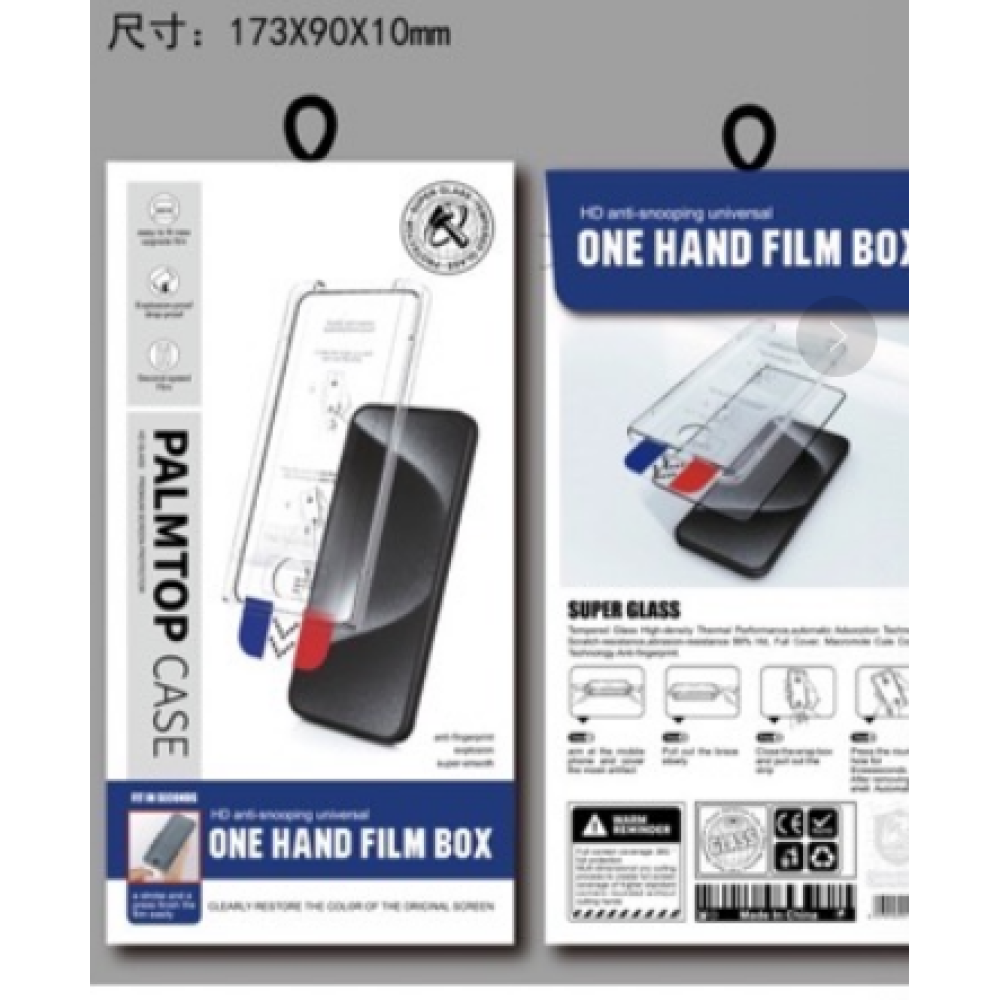
Alignment frames are worth having for the models you sell most. A frame positions the glass before it touches the screen, which removes the repositioning that causes both bubbles and trapped dust, and it turns a two-minute fitting into a one-minute one.
What about privacy and matte finishes?
They are different products with different trade-offs.
A privacy filter narrows the viewing angle, which is useful on a train and irritating when two people want to look at the same screen. A matte finish reduces glare and fingerprints but softens the image slightly, which matters more on a high-resolution display.
Both are legitimate and both should be described before the sale. The customer who discovers that the matte protector makes their screen look slightly grainy is a customer who will want it changed, and that conversation is cheaper at the counter.
How do you price and attach glass to a repair?
As an addition to the repair, fitted on the spot.
The natural moment to offer glass is when the device is being handed back, and the natural price is a modest addition to the repair total rather than a separate transaction. Fitting it properly takes two minutes and turns an accessory sale into part of the service.
The pricing discipline behind that is the same one that applies to any accessory, covered in building attach rate on accessories. Where the sale is treated as an afterthought, it produces afterthought revenue.
What should you tell a customer whose screen is already scratched?
That a protector hides scratches rather than repairing them.
Some adhesives fill fine scratches visually and reduce their appearance, but no protector removes them. Where the scratches are deep enough to feel with a fingernail, the honest answer is that only a new panel fixes it.
That is also a natural moment to explain what the panel grades are and what a replacement would cost, which is the same conversation described in when to reject a panel. Customers appreciate the honesty even when they decline the repair.
How does a protector interact with a replacement screen?
It has to be replaced when the panel is.
Removing a protector to replace a screen usually destroys it, and the replacement panel may have a very slightly different curvature at the edges, which affects how a full-cover protector adheres. Aftermarket panels vary more than originals in this respect.
That is worth mentioning when the repair is booked rather than when the device is collected. A customer who was told their protector would need replacing on a curved-edge device will not be surprised by the curl at the corners.
Curved-edge devices are the exception where glass is not always the right advice. A full-cover protector on a curved screen either has an adhesive edge that attracts dust or a clear edge that shows a halo, and a flexible film is often the better recommendation even though it sells for less.
Which devices are worth stocking glass for?
The ones you repair, in the sizes you repair most.
A stock list of ten to fifteen shapes covering the current and previous generations of the models that come through the door will sell more than a wide range of unpopular sizes. Depth on popular shapes beats breadth every time.
Tablets are worth including, because a tablet owner is more likely to want the protection and the fitting service is more valuable on a larger screen. The larger surface makes the technique more important, not less.
Where a protector is sold with a fitting service, the shop should also be clear about what happens if the customer drops the device afterwards. The glass protects the screen, not the device, and a customer who understood that will not expect a free panel when the phone lands on its corner. It is worth one sentence at the counter, because the expectation is easy to set and expensive to correct.
What about camera lens protectors?
Stock them carefully, because they can change image quality.
A lens protector adds a layer of glass in front of a camera that was designed without it, and on some models that shows up as flare, ghosting or a slight softness in low light. On others it makes no visible difference at all.
Where a customer asks for one, fitting it and letting them test a photograph in the shop is a reasonable approach. Where the model is known to suffer, saying so is better than selling a product that will be blamed for a camera fault. The wider decisions about camera parts are covered in choosing between a camera lens and a module.
How do you handle a badly fitted protector?
Refit it, or replace it, without an argument.
A protector with dust trapped under it or a bubble that will not move is a fitting fault, and the cost of putting it right is a fraction of the goodwill lost by debating it. Glass is cheap enough that the remedy should always be quick.
Retail customers keep their rights on anything bought under the Consumer Rights Act 2015, and goods have to be as described and fit for purpose. A protector sold as fitting a device and then not fitting it is a straightforward case.
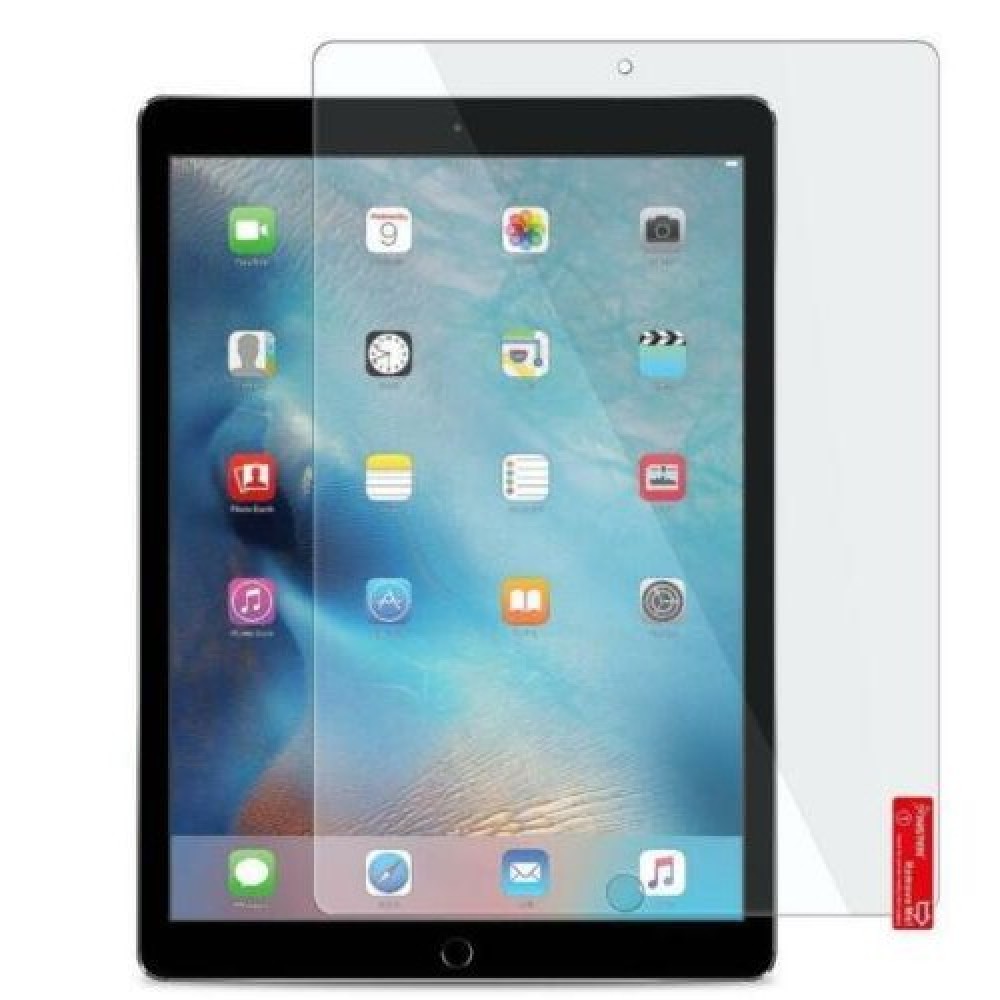
Cleaning the display before fitting matters more than the product itself. A fingerprint left under glass is permanent for the life of that protector, and the customer will see it every time the screen is off. Isopropyl alcohol, a lint-free wipe and a dust sticker are the whole toolkit.
What is the one habit that makes glass profitable?
Ask which case the customer uses first.
One question, asked every time, removes the most common cause of a returned protector. It also starts a conversation in which the customer is choosing a product rather than being sold one, which changes how the purchase feels.
Around it sit the ordinary disciplines: clean properly, use a dust sticker, fit in a dust-free area, and treat the sale as part of the repair service. Glass that falls outside the shelf life or arrives damaged is waste under the Waste Electrical and Electronic Equipment Regulations 2013, parts placed on the market fall to the Office for Product Safety and Standards, and the safety expectations around heat and tools on the bench are set out by the HSE at risk assessment at work.
FAQ
What thickness of tempered glass should I stock?
Thickness affects feel and edge chipping more than protection, so coverage matters more to the customer. Stock the shapes that fit the devices you repair most, and ask which case the customer uses before recommending full cover or case friendly.
Why does my screen protector lift at the corners?
Usually because a full-cover protector and a case with a raised lip are competing for the same millimetres. Case-friendly glass stops short of the edge and is the better choice where a case is used.
How do I fit a screen protector without dust?
Clean with isopropyl alcohol and a lint-free wipe, inspect at an angle under light, then use a dust removal sticker before the glass goes down. Fit in an area away from where glass repair or sanding happens.
Should a protector be replaced after a screen repair?
Usually yes, because removing one to replace the panel destroys it. On curved-edge devices the new panel may have a slightly different curvature, which is worth mentioning when the repair is booked rather than when it is collected.
Glass in the shapes you actually sell. Digi4u supplies tempered glass and screen protectors for the models UK shops repair most, in depth rather than breadth.
{
“@context”: “https://schema.org”,
“@type”: “FAQPage”,
“mainEntity”: [
{“@type”: “Question”, “name”: “What thickness of tempered glass should I stock?”,
“acceptedAnswer”: {“@type”: “Answer”, “text”: “Thickness affects feel and edge chipping more than protection, so coverage matters more to the customer. Stock the shapes that fit the devices you repair most, and ask which case the customer uses before recommending full cover or case friendly.”}},
{“@type”: “Question”, “name”: “Why does my screen protector lift at the corners?”,
“acceptedAnswer”: {“@type”: “Answer”, “text”: “Usually because a full-cover protector and a case with a raised lip are competing for the same millimetres. Case-friendly glass stops short of the edge and is the better choice where a case is used.”}},
{“@type”: “Question”, “name”: “How do I fit a screen protector without dust?”,
“acceptedAnswer”: {“@type”: “Answer”, “text”: “Clean with isopropyl alcohol and a lint-free wipe, inspect at an angle under light, then use a dust removal sticker before the glass goes down. Fit in an area away from where glass repair or sanding happens.”}},
{“@type”: “Question”, “name”: “Should a protector be replaced after a screen repair?”,
“acceptedAnswer”: {“@type”: “Answer”, “text”: “Usually yes, because removing one to replace the panel destroys it. On curved-edge devices the new panel may have a slightly different curvature, which is worth mentioning when the repair is booked rather than when it is collected.”}}
]
}