


Phone Signal Repair UK: No Signal, No Data and No Calls
Need this part? We stock tested replacement parts with same-day UK dispatch and a 12-month warranty.
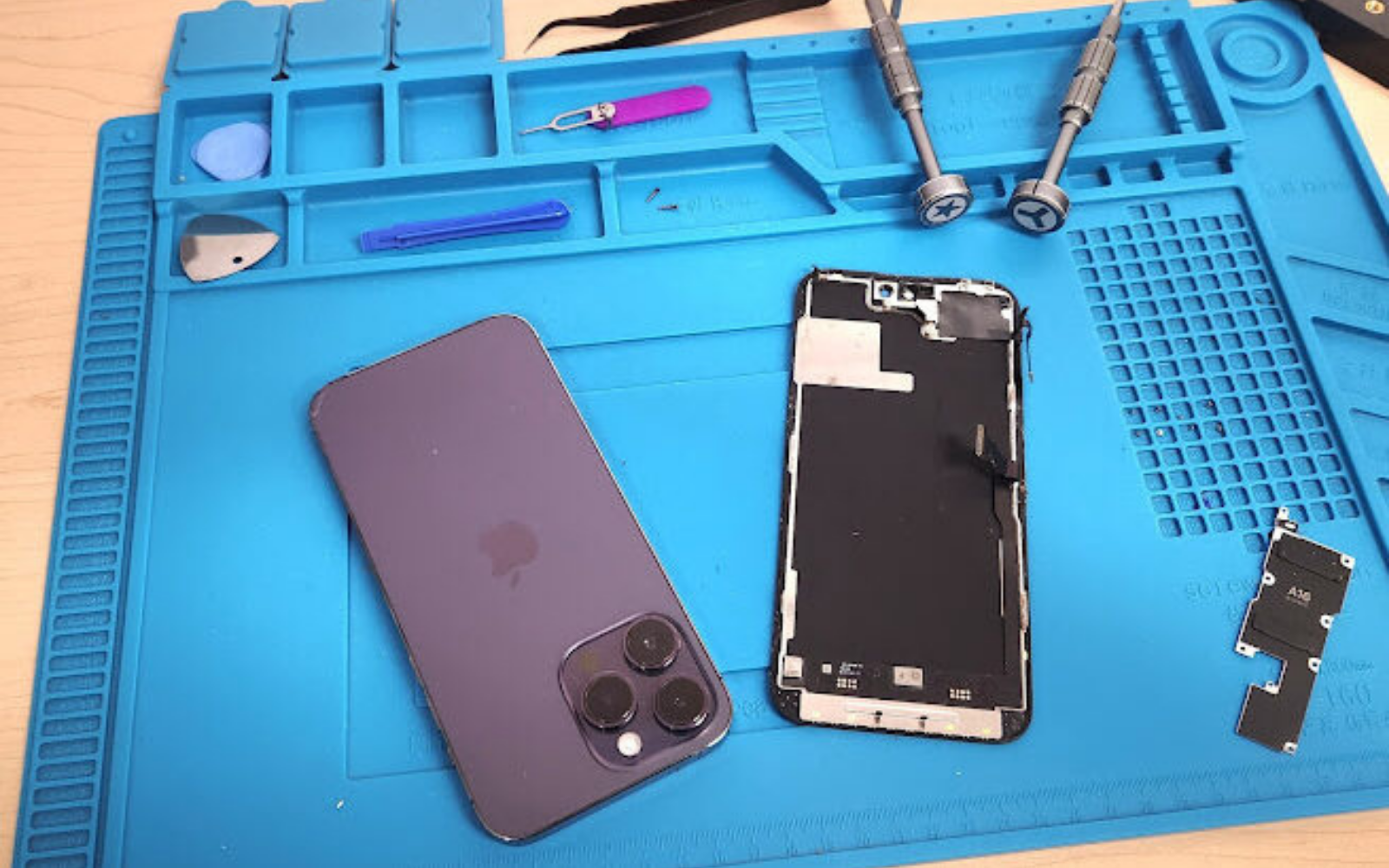
A customer with no signal has usually already tried a network reset, a new SIM and a conversation with their provider. By the time the device reaches a shop, the easy explanations have been eliminated, and what remains is a fault that has to be isolated rather than guessed at.
Signal faults are worth getting good at, because they are common, they are poorly served by the shops that guess, and the diagnostic work is billable whether or not a part is replaced. The difficulty is separating three things that look identical on the screen: the network, the device and the account.
Why does a phone show no signal when the network is fine?
Because the fault is in the device or the SIM.
Networks do fail, but a persistent fault on one device in a location where other devices work is not a network problem. At that point the possibilities narrow to the SIM, the antenna path, the RF section or the baseband, and those have different costs and different outcomes.
The first control is the customer’s own context. Ask whether another phone on the same network works in the same place, and whether the fault appeared suddenly or gradually. Those two answers eliminate the network and tell you whether you are looking for a physical fault or a software one.
What are the most common causes of a signal fault?
SIM, antenna connection, water damage and software.
In rough order of frequency: a worn or incorrectly seated SIM, a disconnected or damaged antenna connector, corrosion from liquid contact, and a software or carrier settings problem. Baseband failure is real but much less common than the first four, and it is the one that ends in a board-level repair.
That ordering matters because it is also the order of cost. Starting with the SIM and the antenna path means most faults are resolved for a few pounds, and it means a shop only reaches the board-level conclusion after the cheap explanations are genuinely excluded.
How do you tell a network problem from a device problem?
By swapping the SIM and comparing devices.
Put the customer’s SIM in a known-good handset and a known-good SIM in the customer’s device. That single swap separates an account or SIM problem from a device problem and takes two minutes. Where the customer’s SIM works elsewhere and a known-good SIM fails in their device, the fault is in the phone.
Where the answer is the account, the honest response is to send the customer back to the provider rather than to sell a repair. That is a short conversation that earns a returning customer, and it is the same principle as declining a job the shop cannot fix well.
What should you check before opening the device?
The settings, the coverage indicator and the SIM.
Check that airplane mode is off, that the correct carrier settings are applied, and that the device is not locked to a network the SIM does not belong to. Look at what the device reports: a device showing a full signal bar count but no data, and one showing no service at all, are reporting two different faults.
Then check the SIM tray and the card itself. A SIM that has been cut down with a template, or one with a worn contact face, produces intermittent faults that mimic antenna problems. Replacing a SIM costs the customer nothing at their provider, and it is worth testing before anything is opened.
Which parts are involved in signal and data faults?
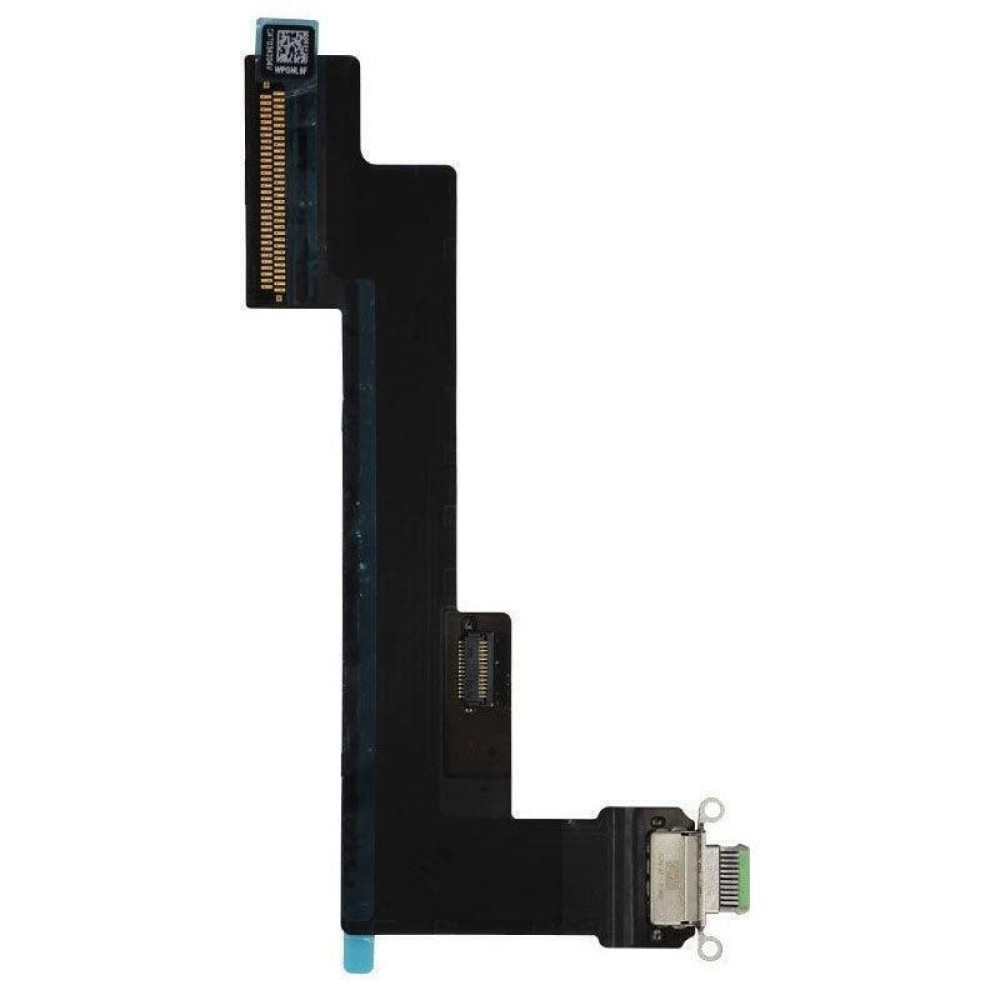
Antenna flexes, connectors and the port assembly.
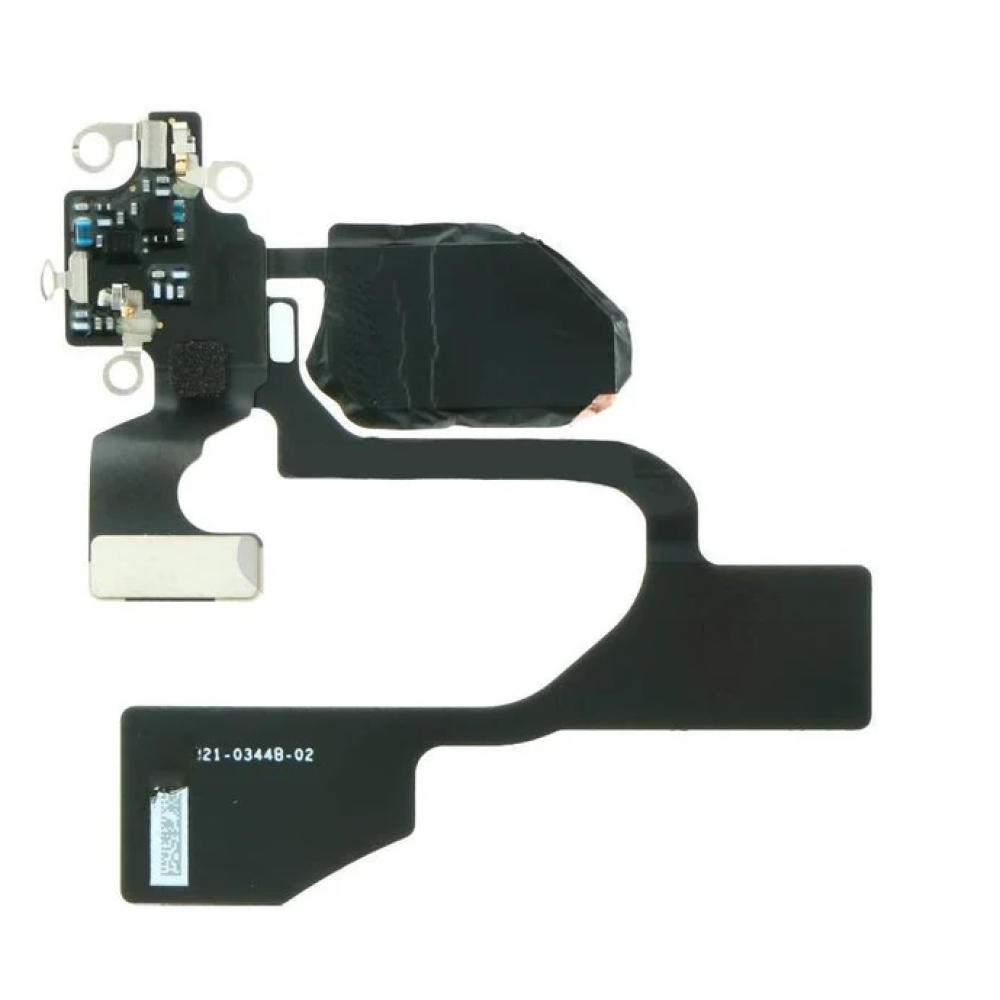
Most handsets route cellular, Wi-Fi and Bluetooth through a set of antenna assemblies and flex cables that connect to the board through small press connectors or spring contacts. A single disconnected connector can take out one radio while leaving the others working, which is why the fault pattern matters as much as the fault.
Wi-Fi issues after a repair belong to the same family, and the diagnostic order is set out in where the fault actually is after a repair. It is worth testing all the radios rather than only the one the customer mentioned, because a connector that is loose rarely affects only one of them.
Why do so many signal faults follow a screen repair?
The antenna connectors sit where the screen comes off.
Several of the antenna paths run along the top of the chassis, underneath the components that are moved during a screen replacement. A connector that is left unseated, or a coaxial cable that is pinched during reassembly, produces exactly the fault a customer describes as “no signal since it was repaired”.
The defence is a test routine rather than a technique: check the radios before the device is closed, every time. That includes the cellular connection, Wi-Fi, Bluetooth and, where the device supports it, the GPS. A device that is closed with a loose antenna connector will be back within a day, and the repair will be free.
How does water damage affect signal?
By corroding the paths the signal travels along.
Liquid contact rarely destroys a radio outright. It corrodes connectors, tracks and the small components in the RF path, and the result is a device that works sometimes, in some places, on some bands. Those faults are the hardest to diagnose because they are intermittent.
They are also the reason a liquid-damaged device should be assessed before any promise is made. Corrosion continues after the liquid has gone, so a signal fault that is fixed today can return next month. The assessment approach is set out in assessing a liquid-damaged device.
What can a repair shop fix, and what can it not?
Connections and parts, yes; the baseband, rarely.
A disconnected antenna, a damaged antenna flex, a worn SIM reader or a failed port assembly are all repairable at the bench and are worth accepting. Baseband and RF section failures on the logic board require board-level skills and equipment, and on many modern devices they are not economic to repair at all.
The honest position for a shop without board-level capability is to diagnose the first group and refer the second. That is more valuable to a customer than an open-ended repair, and it protects the shop from the worst outcome, which is a device that comes back with the same complaint.
How do you test the radios before handover?
Cellular, Wi-Fi, Bluetooth and GPS, in that order.
Each of those uses a different combination of antenna paths, so testing all four isolates the fault and confirms the repair. A device with working Wi-Fi and no cellular has a different problem from one with neither, and both are different from a device that reports full signal and no data.
The test should also include a real call and a real data connection rather than only the status bar. Signal bars report what the device thinks it can see, not whether the connection works, and the difference is exactly where intermittent faults live.
What should you tell a customer whose fault is a network issue?
That their device is fine, and what to ask the provider.
The useful output is not “it is your network” but a specific description of what was tested and what the provider should check: whether the fault is area-wide, whether the account is provisioned correctly, and whether the SIM needs replacing. That turns a disappointing answer into something the customer can act on.
Where the fault is intermittent and carrier-side, it is worth noting the times and locations on the intake record. A pattern of failures in one area is evidence a provider can act on, and the shop looks competent for having collected it.
Two references are worth knowing for that conversation. Ofcom publishes the consumer guidance and coverage information customers are usually asking about at Ofcom, and where a device is repaired rather than returned to the provider the customer keeps the rights set by the Consumer Rights Act 2015 on that work.
How do you price a signal diagnostic?
As a diagnostic fee that is credited against the repair.
Signal work is diagnostic time before it is part replacement, and it should be priced as such. A stated fee, credited if the customer proceeds, covers the swapping, testing and reassembly time and gives the shop a legitimate answer when the conclusion is that nothing needs replacing.
Without that structure, the only way to be paid is to sell a part, which creates the wrong incentive and the wrong diagnosis. The same logic applies to any fault that may end in a declined repair, and the wider pricing model is set out in pricing a repair so the parts margin survives.
What is the one habit that prevents repeat signal faults?
Test every radio before the device is closed.
Four radios, two minutes, and a documented result on the job sheet. It catches the loose connector, the pinched coaxial cable and the antenna flex that was never reseated, and it is the difference between a repair that holds and one that returns with the same complaint.
Signal faults have a reputation for being difficult, and most of that reputation comes from repairs where the antenna path was never checked. Adding it to the routine turns an unpredictable category into one of the more straightforward kinds of work a shop takes on.
Three practical housekeeping points sit behind that routine. Where a replacement part is fitted, the behaviour the device reports afterwards is documented by Apple at iPhone parts and service history. Parts that are replaced rather than reused are waste under the Waste Electrical and Electronic Equipment Regulations 2013, and where parts are placed on the market the relevant regulator is the Office for Product Safety and Standards.
FAQ
Why does my phone have no signal when there is coverage?
A persistent fault on one device where other phones work is not a network problem. The likely causes are a worn or mis-seated SIM, a disconnected or damaged antenna connector, corrosion from liquid contact, or a software and carrier settings problem.
Why does my phone have no signal after a screen repair?
The antenna paths run near the components moved during a screen replacement, so an unseated connector or a pinched coaxial cable produces exactly this fault. It is why every radio should be tested before the device is closed.
Can a repair shop fix a phone with no signal?
Yes for connection and part faults, which covers most cases: antenna flexes, connectors, SIM readers and port assemblies. Baseband and RF section failures on the logic board need board-level work and are often uneconomic on modern devices.
How much does phone signal repair cost in the UK?
Most shops charge a diagnostic fee that is credited against the repair if the customer proceeds. The cost of the repair itself depends on the cause, ranging from a SIM or connector fault at the bottom to a board-level fault, which is usually a referral rather than a bench job.
Chase the fault, not the customer. Digi4u supplies the antenna flexes, port assemblies and small parts that signal and data faults actually trace back to.
{
“@context”: “https://schema.org”,
“@type”: “FAQPage”,
“mainEntity”: [
{“@type”: “Question”, “name”: “Why does my phone have no signal when there is coverage?”,
“acceptedAnswer”: {“@type”: “Answer”, “text”: “A persistent fault on one device where other phones work is not a network problem. The likely causes are a worn or mis-seated SIM, a disconnected or damaged antenna connector, corrosion from liquid contact, or a software and carrier settings problem.”}},
{“@type”: “Question”, “name”: “Why does my phone have no signal after a screen repair?”,
“acceptedAnswer”: {“@type”: “Answer”, “text”: “The antenna paths run near the components moved during a screen replacement, so an unseated connector or a pinched coaxial cable produces exactly this fault. It is why every radio should be tested before the device is closed.”}},
{“@type”: “Question”, “name”: “Can a repair shop fix a phone with no signal?”,
“acceptedAnswer”: {“@type”: “Answer”, “text”: “Yes for connection and part faults, which covers most cases: antenna flexes, connectors, SIM readers and port assemblies. Baseband and RF section failures on the logic board need board-level work and are often uneconomic on modern devices.”}},
{“@type”: “Question”, “name”: “How much does phone signal repair cost in the UK?”,
“acceptedAnswer”: {“@type”: “Answer”, “text”: “Most shops charge a diagnostic fee that is credited against the repair if the customer proceeds. The cost of the repair itself depends on the cause, ranging from a SIM or connector fault at the bottom to a board-level fault, which is usually a referral rather than a bench job.”}}
]
}