


PS5 HDMI Port Repair: What a UK Repair Shop Needs
Need this part? We stock tested replacement parts with same-day UK dispatch and a 12-month warranty.
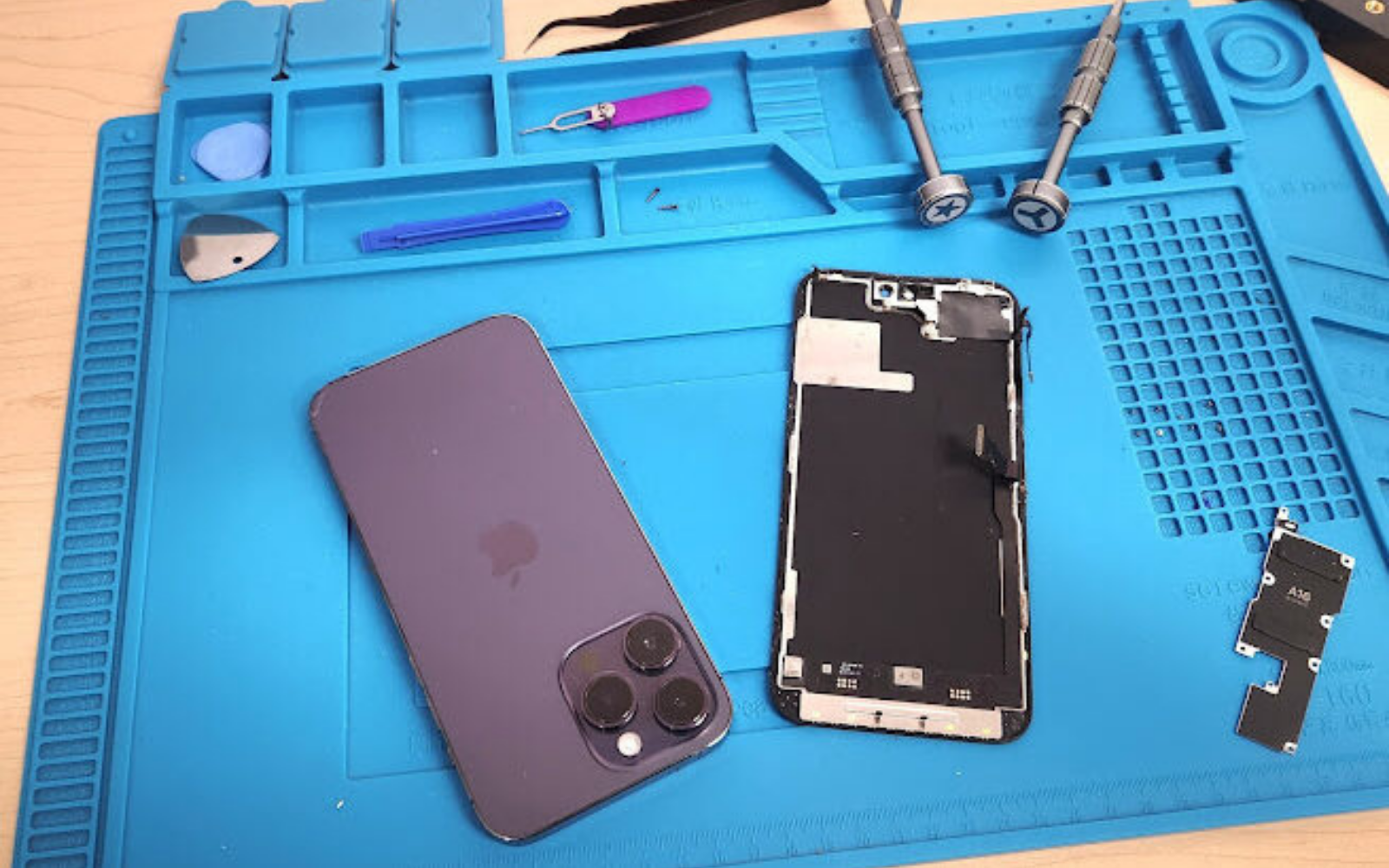
A PlayStation 5 with no picture is one of the more valuable repairs a shop can take, and one of the easiest to get wrong. The fault is usually the HDMI port, the port is cheap, and the work involved is board-level soldering.
That combination makes it attractive and dangerous at the same time. A shop that can replace a console HDMI port competently has a line most competitors avoid; one that attempts it without the tooling turns a repairable console into a dead one.
Why does the PS5 HDMI port fail?
Mechanical stress on a connector that carries a heavy cable.
The port is surface-mounted to the main board and holds a cable that is often routed tightly behind a television. A knock, a tug or a console that is moved while the cable is connected transfers force directly into the solder joints rather than into a strain relief.
The result is a port that is loose, bent or detached, and a console that powers on with no image. In most cases the console itself is healthy, which is why the repair is worth doing rather than the machine being written off.
How do you confirm the port is the fault?
Test the television, the cable, then the port.
Confirm the television works with another source, then try a known-good cable, then inspect the port for visible damage. A console that powers up, lights correctly and produces no image on a known-good display is describing a port or output fault rather than a dead machine.
Where the customer reports intermittent picture rather than none, the port is worn rather than broken. Both cases end in the same repair, but the intermittent version should be caught before it becomes a detached port and damaged pads.
What equipment does the repair need?
Hot air, an iron, magnification and flux.
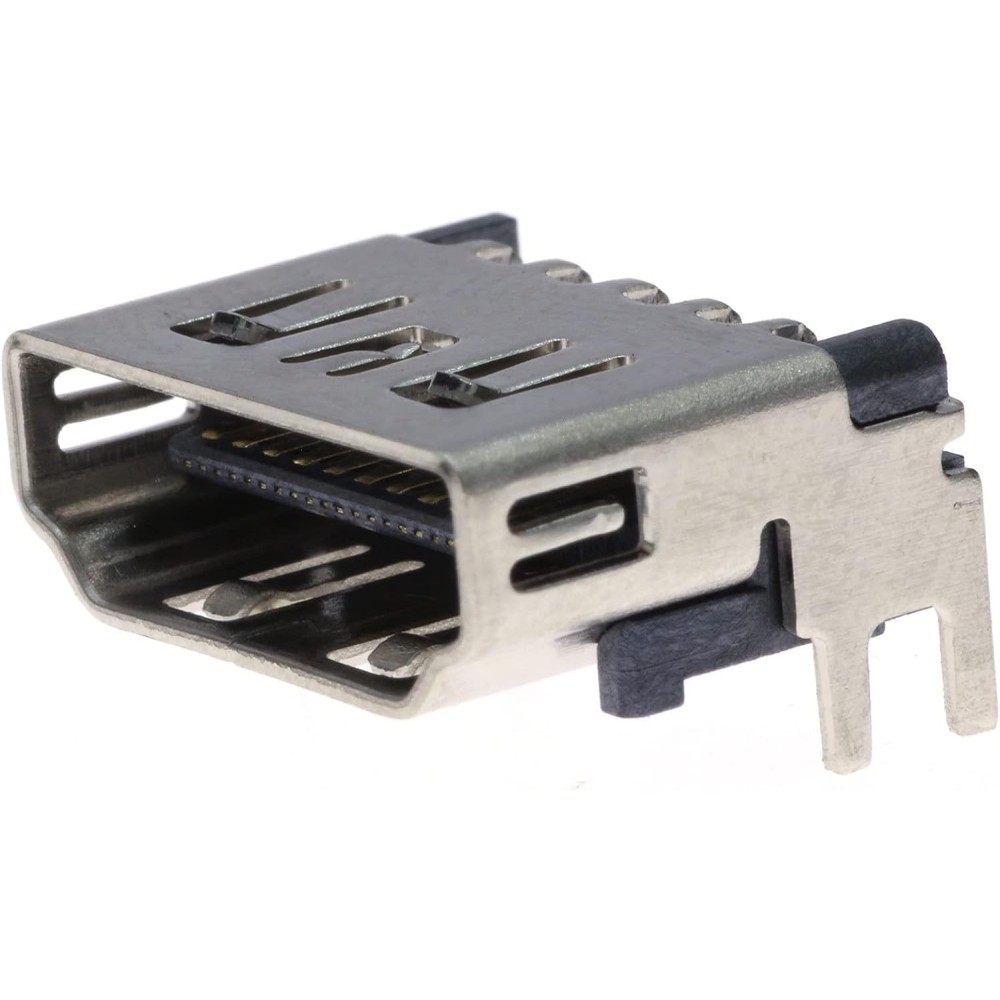
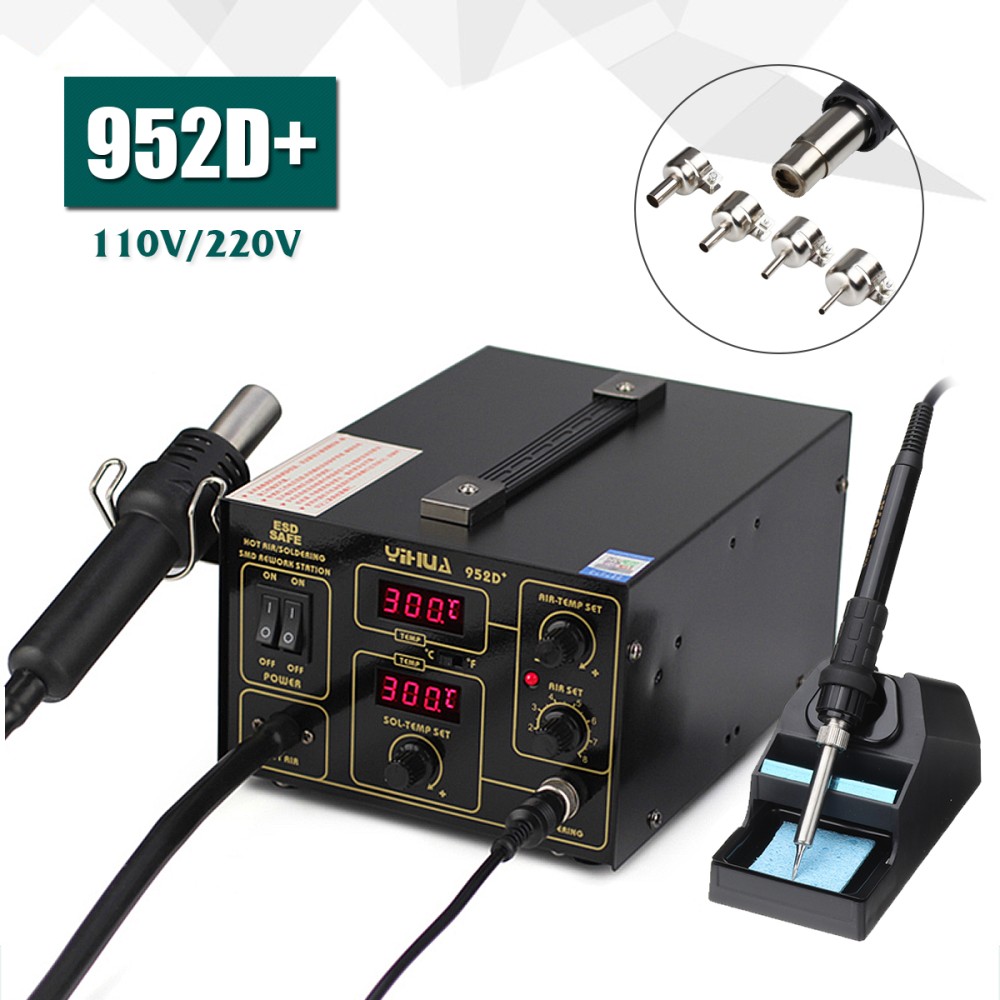
Removing a surface-mounted HDMI port means heating all of its anchor points without disturbing the surrounding components, which requires controlled hot air and a fine-tip iron for the through-hole anchors. Magnification is essential, and good flux is what makes the difference between a clean lift and a lifted pad.
The kit is the same one described in what to buy first for board work. A shop without that equipment should refer the job rather than improvise.
What does the replacement involve?
Removing the old port, then fitting the new one.
The console is dismantled to the main board, the board is supported and preheated, and the port is lifted with hot air once its anchors are released. The pads are then cleaned of old solder and the new port is positioned and soldered.
The steps that decide the outcome are the preheat, which reduces the heat needed at the joint, and the removal technique, which has to avoid pulling a pad with the port. Both are skills rather than equipment, and both improve with practice on scrap boards.
Why is this job riskier than it looks?
Because the pads are small and the board is valuable.
An HDMI port has several anchors and a row of fine pins, and each one is a chance to lift a pad or bridge a joint. The board underneath carries components that are sensitive to heat, which means the job has a narrow working window.
That is also why the customer conversation matters. A console that is written off during an attempt is a much larger loss than the repair fee, and the risk should be explained before the work rather than after.
How do you test a console after the repair?
Image, audio, resolution switching and a sustained session.
The console should be started, connected to a known-good display and run long enough for the port to reach working temperature. Testing a cold port only proves it works cold, and the faults that come back are usually thermal.
Where the console supports higher refresh rates and resolutions, switching between them confirms the pins that carry those signals. A port that produces a picture at 1080p but not at 4K has a joint that is not fully formed.
| Symptom | Likely cause | Action |
|---|---|---|
| No image, console powers on | Detached or damaged port | Inspect, then quote the replacement |
| Intermittent picture | Worn port or cable | Test with a known-good cable first |
| Image but no audio | Specific pins damaged | Same repair, different symptom |
| No power at all | Power supply or board fault | Different repair, assess separately |
| Works when the cable is held | Detached anchors | Repair before the pads are damaged |
How do you quote the job?
As board-level labour with a small part cost.
The port is inexpensive; the work is not. The quote should reflect the bench time, the risk of a pad lifting and the diagnostic work that confirmed the fault in the first place, which is exactly the structure used for any microsoldering job.
Where the customer is comparing the repair with a replacement console, both numbers belong on the table. On a current machine the repair is usually the obvious answer, particularly once the customer’s game library and accounts are considered.
Higher frame rates are worth testing explicitly, because that is where an incomplete joint shows. A console that produces 4K at 60Hz but drops out at 120Hz is describing a pin that is not fully soldered, and the customer will notice the difference on a modern television within minutes of getting the machine home.
Which consoles and faults should you decline?
The ones with board damage or previous failed attempts.
A console that has already had a port replaced badly, or one with corrosion or burnt traces around the connector, is a different job with a lower success rate. Taking it on without the equipment to repair traces turns a repair fee into a liability.
Declining openly is the professional answer, and it is the same policy that applies to any job beyond the bench, described in when to decline a repair. A referral to a specialist keeps the customer without risking the console.
Where does console work fit alongside phone repair?
Beside phone work, on the same bench.
Consoles use the same microsoldering skills, the same equipment and many of the same consumables as phone board work. The customers are typically younger, the devices are expensive and the alternative to repair is a new machine, which makes the numbers work well.
The wider category is worth considering deliberately rather than opportunistically, and the stock and parts side of it is described in what console parts a shop should stock. Starting with one common fault, done well, is a better plan than taking every console that arrives.
Turnaround and pricing should be set at the counter. A console teardown, a board-level replacement and a thermal reassembly is a bench session rather than a quick swap, and the customer should expect a few days rather than a few hours. Where a deposit is taken on the port itself, explaining why makes it reasonable rather than arbitrary.
What should the customer be told?
That the repair is board-level and carries a small risk.
The honest version is that the port can be replaced, that the board is heated in the process, and that there is a small chance of a trace being damaged. Customers accept a stated risk and object to a discovered one.
Retail customers keep their rights on the finished work under the Consumer Rights Act 2015, and the manufacturer’s own support route is published at PlayStation Support, which is useful context when a customer is deciding between repair and replacement.
Console teardown has its own order, and it is worth learning before the first job. The shell, the optical drive and the heatsink all come off before the board is free, and reassembly involves renewing thermal paste rather than reusing what was there. That last step is what keeps a repaired console quiet under load.
Where a pad lifts, the repair is not over. A damaged pad can often be bridged to a nearby via or rebuilt with a short wire, which is trace repair rather than a port replacement. Those repairs belong to a shop that has practised them on scrap boards, not to one learning on a customer’s console.
Do the anchors need special tools?
A fine iron tip, flux and solder wick.
The through-hole anchors on an HDMI port sit close to the surrounding components, so the iron tip has to be small enough to reach them without touching anything else. Flux is what makes the solder flow cleanly rather than bridging, and wick is needed to clear the pads before the new port goes on.
That is the same kit used for any board-level connector work, and it is worth having a spare tip of the right shape rather than wearing one out mid-job. A blunt tip is the fastest way to bridge two pins and turn a straightforward replacement into a repair.
What is the one habit that makes console work viable?
Practise the port replacement on scrap boards first.
An HDMI port is a repeatable job, and repeatability comes from having done it several times on boards that did not matter. A shop that has practised on two dead boards is ready to sell the repair; one that has watched a video is not.
Around it sit the ordinary disciplines: confirm the fault before opening the console, preheat before removing, test at temperature before returning the machine, and record what was done. Replaced ports and boards are waste under the Waste Electrical and Electronic Equipment Regulations 2013, parts placed on the market fall to the Office for Product Safety and Standards, and the safety expectations around soldering and extraction are set out by the HSE at electrical safety.
FAQ
How much does a PS5 HDMI port repair cost?
The port is inexpensive, so the price reflects board-level labour and the diagnostic work that confirmed the fault. Compare the total with the cost of a replacement console, and remember the customer keeps their game library and accounts.
Why does my PS5 have no picture but still turn on?
Usually a damaged or detached HDMI port, because the cable transfers impact force into the solder joints. Test the television and the cable first, then inspect the port before quoting the board-level repair.
Can any repair shop replace a PS5 HDMI port?
Only one with hot air, a fine-tip iron, magnification and flux, plus practice on scrap boards. Attempting it without that equipment risks lifting a pad and writing off an expensive console.
Is it worth repairing a PS5 HDMI port?
Usually yes. The machine is valuable, the part is cheap and the repair preserves the customer’s library and accounts. Consoles with corrosion or a previous failed repair are the cases to refer rather than attempt.
Console parts for board-level work. Digi4u supplies HDMI ports, boards and bench tooling for UK shops taking on console repairs.
{
“@context”: “https://schema.org”,
“@type”: “FAQPage”,
“mainEntity”: [
{“@type”: “Question”, “name”: “How much does a PS5 HDMI port repair cost?”,
“acceptedAnswer”: {“@type”: “Answer”, “text”: “The port is inexpensive, so the price reflects board-level labour and the diagnostic work that confirmed the fault. Compare the total with the cost of a replacement console, and remember the customer keeps their game library and accounts.”}},
{“@type”: “Question”, “name”: “Why does my PS5 have no picture but still turn on?”,
“acceptedAnswer”: {“@type”: “Answer”, “text”: “Usually a damaged or detached HDMI port, because the cable transfers impact force into the solder joints. Test the television and the cable first, then inspect the port before quoting the board-level repair.”}},
{“@type”: “Question”, “name”: “Can any repair shop replace a PS5 HDMI port?”,
“acceptedAnswer”: {“@type”: “Answer”, “text”: “Only one with hot air, a fine-tip iron, magnification and flux, plus practice on scrap boards. Attempting it without that equipment risks lifting a pad and writing off an expensive console.”}},
{“@type”: “Question”, “name”: “Is it worth repairing a PS5 HDMI port?”,
“acceptedAnswer”: {“@type”: “Answer”, “text”: “Usually yes. The machine is valuable, the part is cheap and the repair preserves the customer’s library and accounts. Consoles with corrosion or a previous failed repair are the cases to refer rather than attempt.”}}
]
}