


Xiaomi, Oppo and Vivo Screens: Sourcing Panels in the UK
Need this part? We stock tested replacement parts with same-day UK dispatch and a 12-month warranty.
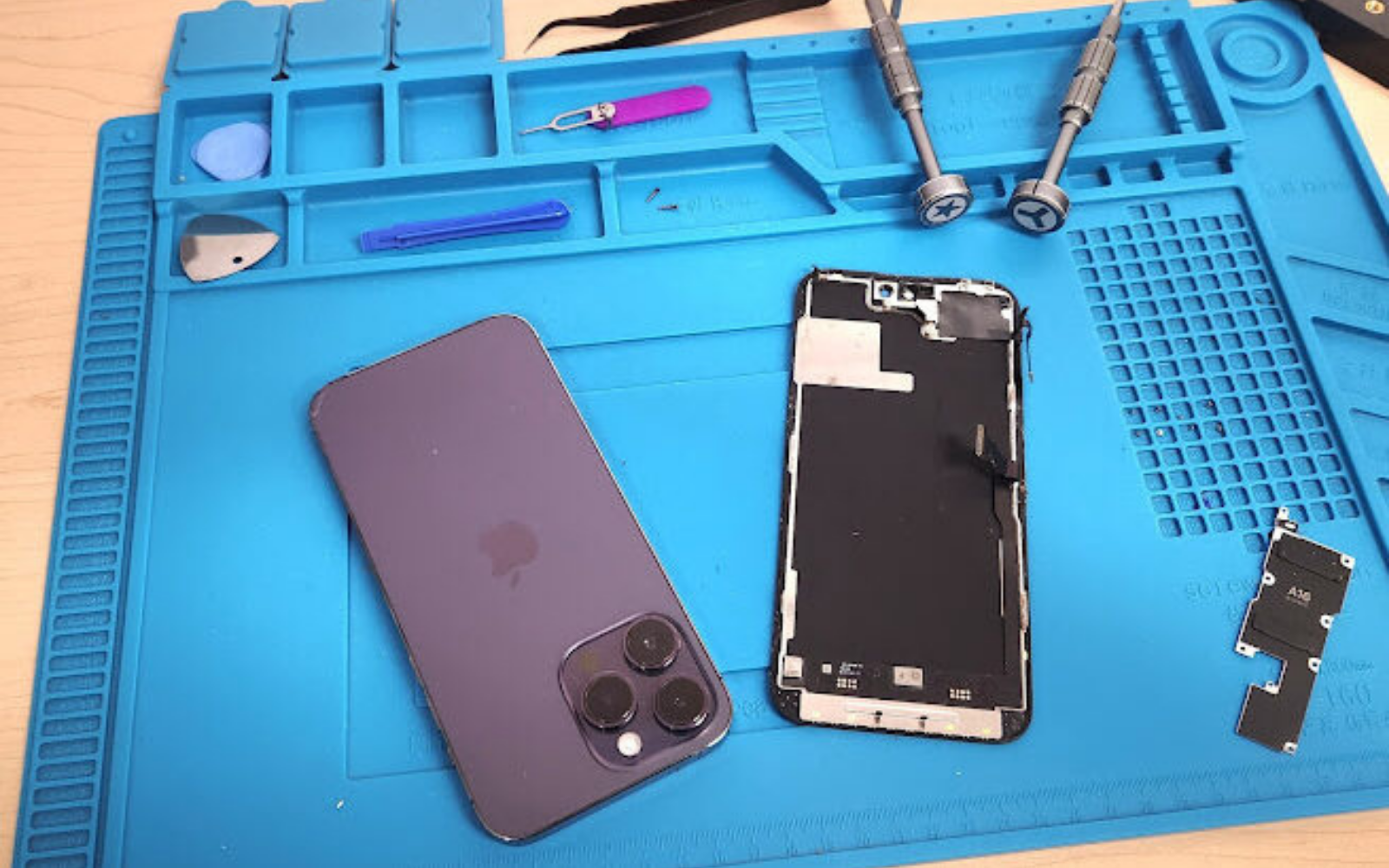
Xiaomi, Redmi, Oppo and Vivo handsets are common in the UK, and they arrive at repair shops with a problem attached: the device may be a Chinese-market model, a global variant or a grey import, and the model code is the only thing that identifies which screen it takes.
The parts exist and the margins are reasonable, because few shops take the work on. What follows is how to source the panel, how to price the repair and where the traps are.
Why are these devices harder to source for?
Because the same name covers several regional models.
Xiaomi sells the same name in China, India and Europe with different panel suppliers, different network bands and, in some cases, different chassis. Oppo and Vivo follow the same pattern, and a UK customer who bought online may be holding any of them.
The model number, found in the settings or under the battery cover on older devices, is the identifier. Ordering by name is how a shop ends up with a panel that fits the frame but not the connector.
Which grades are available?
Genuine AMOLED, aftermarket AMOLED and LCD copies.
The better lines are genuine or genuine-service assemblies, which hold the original brightness and colour behaviour. Aftermarket AMOLED copies sit below them, and in-cell LCD copies below that, with visible differences at an angle and at high brightness.
Naming the grade before the price is compared is the same discipline that applies to any screen purchase, described in buying refurbished stock on grade. On these brands the variation between suppliers is wider than on Apple devices, which makes the grade statement more important rather than less.
How do you confirm which panel to order?
Read the model code from the device and match it exactly.
Xiaomi and Redmi codes use names like 21061119AG, Oppo codes use CPH numbers and Vivo uses V-numbers. All of them are visible in the settings menu, and all of them are what a catalogue is indexed by.
The identification habit is the same one described in the identification discipline used on any brand, applied to brands whose naming is less familiar. Photographing the settings screen at intake is the fastest way to keep the record.
What does the repair involve?
Like any bonded panel, with thinner margins.
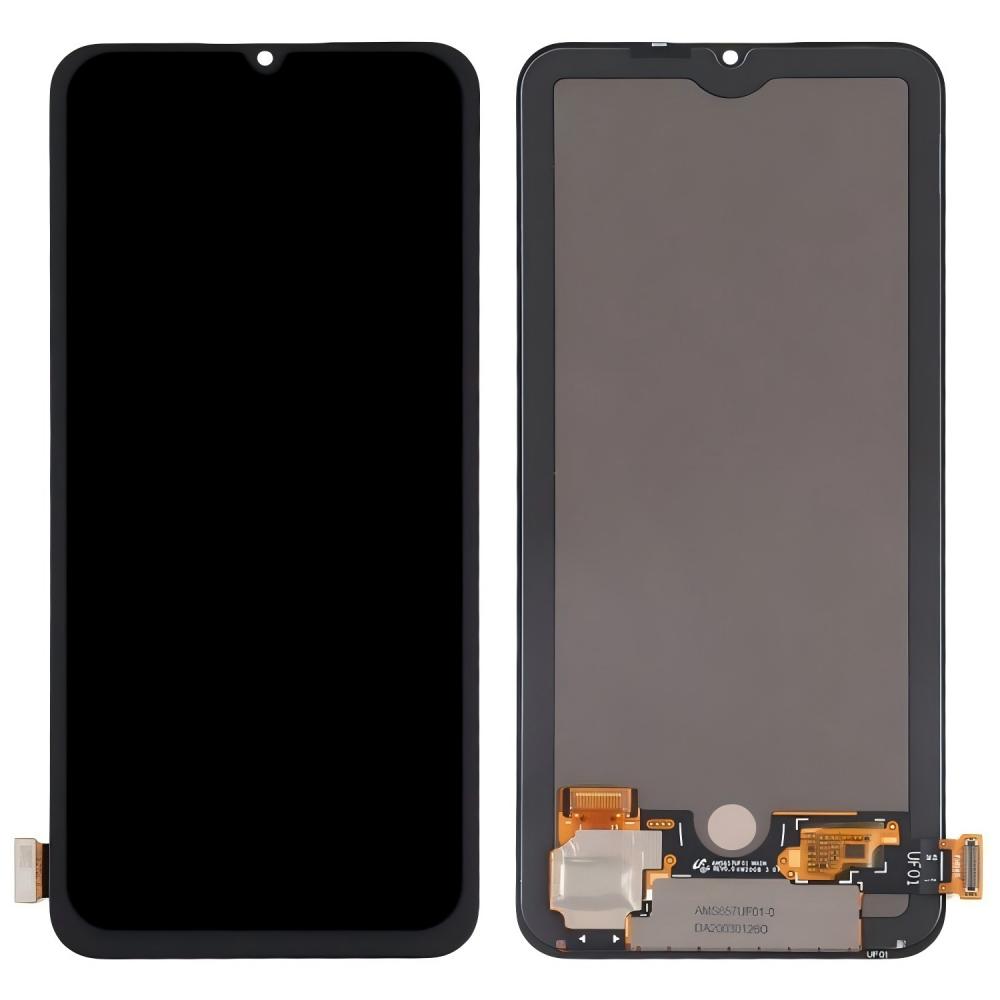
Most of these devices are bonded in the usual way, so the repair is heat, separation, transfer and resealing. What differs is the tolerance: several models use thin frames and tight bezels, and a panel that sits a fraction proud will be visible.
Checking the flex version before fitting matters here as much as on mainstream brands, and the method is described in comparing flex cable versions. A panel that fits and displays but loses a sensor is a version problem rather than a fitting one.
How do you price work on a grey-import device?
From a confirmed part price, with the uncertainty priced in.
The challenge is that the part may take longer to source and may cost more than the equivalent for a mainstream model. Where a supplier has to order in, the turnaround extends and the quote should reflect that rather than absorbing it.
A deposit is reasonable on a device where the panel has to be specially ordered, and the pricing structure that supports it is described in pricing a repair so the parts margin survives. Where the part cannot be sourced, saying so early is better than holding the device.
What should the customer be told?
Which panel, what it costs and how long it will take.
Customers who bought online often do not realise their device is a regional variant, so explaining why the part is harder to source is useful rather than inconvenient. The same conversation covers the grade of the panel and the warranty.
Retail customers keep their rights on the finished work under the Consumer Rights Act 2015. Where a device was imported privately, the position on the device itself differs from a UK-purchased handset, which is worth saying plainly.
What are the common returns?
Touch faults, brightness differences and lifting edges.
Touch faults usually trace back to a flex that was not seated or a revision that does not match. Brightness differences follow a copy panel sold as a genuine one, and lifting edges follow a frame that was not cleaned or adhesive that was not fresh.
All three are avoidable with the same discipline used on any other brand. Recording which grade produced which outcome is what makes the next order safer, and the process behind it is described in a returns record kept by grade.
The technique differs slightly between models. Some panels are supplied as complete assemblies with the frame, which makes the job a transfer; others are bare panels that require the original frame to be recovered and bonded. Establishing which one a listing describes is the same decision described in the frame guidance, and it changes both the time and the risk.
Is it worth taking these repairs on?
Yes, for a shop that can source reliably.
The competitive landscape is thin, the customers are usually attached to their devices and the parts exist in the UK trade. What these brands require is patience with model matching rather than any new technique.
Starting with the models that arrive most often and building a supplier relationship around them is the sensible approach. The criteria for choosing that supplier are the same ones described in choosing a phone parts supplier.
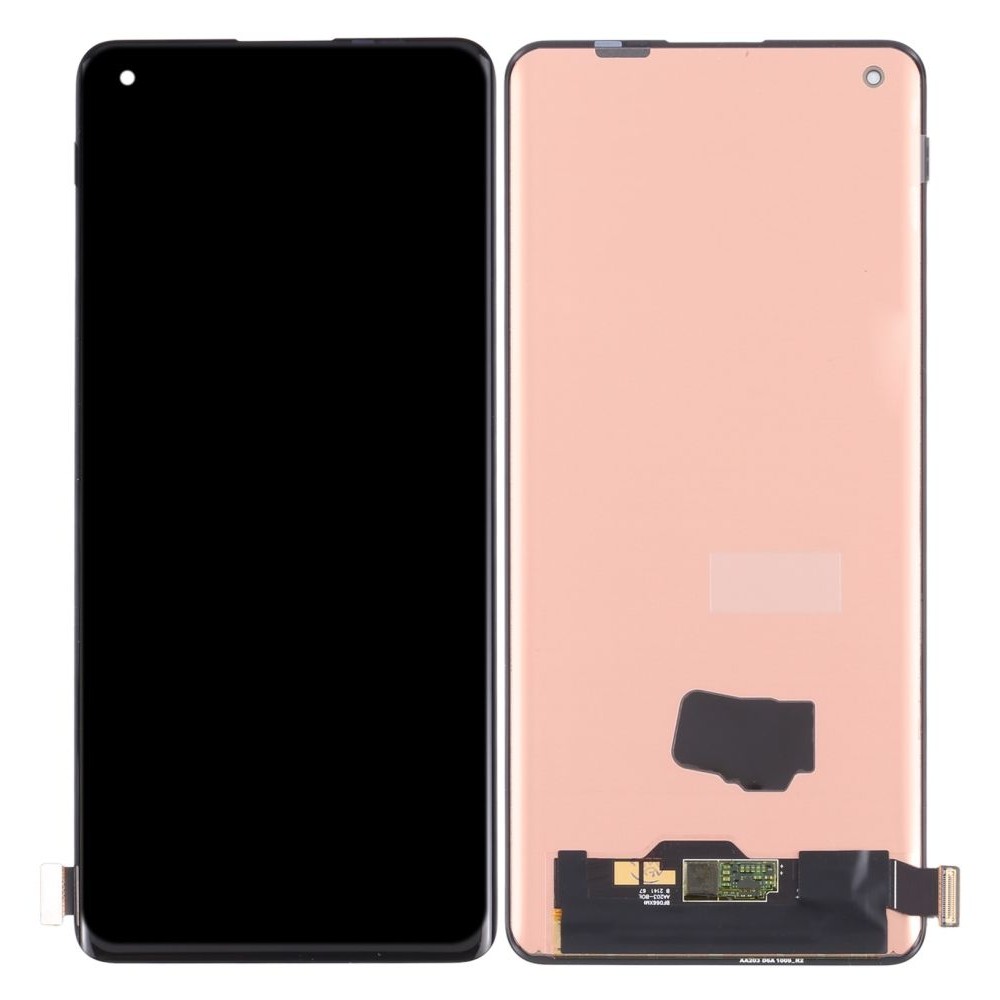
Customer expectations need setting on imported devices. A handset bought privately from overseas may have no UK warranty position at all, and the customer should understand that the repair is being carried out on a device the manufacturer may not support domestically. That is a short conversation that prevents a long disagreement.
When should you decline the job?
When the panel cannot be sourced at a viable price.
A device whose only available panel costs more than it is worth is a device that should not be repaired, however much the customer wants it. That happens more often on older budget imports than on current models.
The second case is a device with a bent frame, because a new panel will not sit flat. The third is liquid damage, which makes the diagnosis open-ended and the outcome uncertain.
Supply varies more than on mainstream brands. The same model may be available as a genuine service assembly, an aftermarket AMOLED copy and an in-cell LCD copy, and the price gap between them is wide. Sourcing from a supplier who states which one a listing is matters more here than anywhere else, because the customer cannot tell until the device is switched on.
Lead time is the second variable. Because volumes are lower, a supplier may not hold the panel and will order it in, which turns a two-day repair into a week. Quoting a date before the part is confirmed is how a shop ends up explaining a delay that was entirely predictable, and taking a deposit on a specially ordered panel is normal practice.
Testing needs to cover the functions these panels carry, which on some models includes an under-display reader or a high refresh rate. A copy that cannot reach the refresh rate the device expects will look subtly wrong in use, and the customer will describe it as a fault rather than as a grade difference.
What about LCD copies for these models?
They are cheaper and visibly different.
In-cell LCD copies are widely available for Chinese-market models and sell at a fraction of the price of an AMOLED assembly. The trade is brightness and contrast: an LCD copy loses contrast at an angle and does not reach the same peak brightness, which is more noticeable on a device whose original panel was AMOLED.
Naming that difference before the repair is what turns a cost-saving choice into an informed one. A customer who selected the cheaper grade deliberately will accept its appearance; one who was not told will describe it as a fault.
Which of these models are worth stocking for?
The ones that arrive twice.
Stock decisions on these brands follow the same rule as anywhere else: the models that have already produced two repairs are the models worth holding a panel for. Beyond that, ordering against a confirmed job keeps the cash available and avoids a shelf of assemblies for handsets that will not come back.
That usually means a much smaller stock position than a shop expects, and it is the right one for a category where volumes are lower and part prices vary more between suppliers. The money is better held against a confirmed job than spent on breadth.
What is the one habit that makes these brands workable?
Photograph the model code at intake, every time.
One picture, taken at the counter, removes the guesswork from the order and gives the shop a record for the next visit. On brands where the naming is unfamiliar, that habit is worth more than experience.
Around it sit the ordinary disciplines: confirm the grade, check the flex version before fitting, test every function before sealing, and record the outcome. Replaced panels are waste under the Waste Electrical and Electronic Equipment Regulations 2013, parts placed on the market fall to the Office for Product Safety and Standards, the safety expectations around heat-based work are set out by the HSE at electrical safety and risk assessment at work.
FAQ
Can UK repair shops get Xiaomi, Oppo and Vivo screens?
Yes. Genuine, genuine-service and aftermarket panels are available through the UK trade, though the supply is thinner than for Apple and Samsung, so lead times and part prices vary more between suppliers.
How do I know which screen my Xiaomi or Oppo needs?
Use the model code rather than the marketing name. Xiaomi and Redmi use codes such as 21061119AG, Oppo uses CPH numbers and Vivo uses V-numbers, and each is visible in the device settings.
Why is a grey-import phone harder to repair?
The same name is sold in several regions with different panels and variants. That means the correct part can be harder to identify and slower to source, which affects both the price and the turnaround you quote.
Are aftermarket screens for these brands any good?
They vary more than aftermarket panels for Apple devices. Genuine and genuine-service AMOLED assemblies hold brightness and colour closer to the original, while LCD copies are visibly different at an angle and at high brightness.
Panels for the brands other shops turn away. Digi4u lists Xiaomi, Redmi, Oppo and Vivo AMOLED assemblies by model code, on trade terms.
{
“@context”: “https://schema.org”,
“@type”: “FAQPage”,
“mainEntity”: [
{“@type”: “Question”, “name”: “Can UK repair shops get Xiaomi, Oppo and Vivo screens?”,
“acceptedAnswer”: {“@type”: “Answer”, “text”: “Yes. Genuine, genuine-service and aftermarket panels are available through the UK trade, though the supply is thinner than for Apple and Samsung, so lead times and part prices vary more between suppliers.”}},
{“@type”: “Question”, “name”: “How do I know which screen my Xiaomi or Oppo needs?”,
“acceptedAnswer”: {“@type”: “Answer”, “text”: “Use the model code rather than the marketing name. Xiaomi and Redmi use codes such as 21061119AG, Oppo uses CPH numbers and Vivo uses V-numbers, and each is visible in the device settings.”}},
{“@type”: “Question”, “name”: “Why is a grey-import phone harder to repair?”,
“acceptedAnswer”: {“@type”: “Answer”, “text”: “The same name is sold in several regions with different panels and variants. That means the correct part can be harder to identify and slower to source, which affects both the price and the turnaround you quote.”}},
{“@type”: “Question”, “name”: “Are aftermarket screens for these brands any good?”,
“acceptedAnswer”: {“@type”: “Answer”, “text”: “They vary more than aftermarket panels for Apple devices. Genuine and genuine-service AMOLED assemblies hold brightness and colour closer to the original, while LCD copies are visibly different at an angle and at high brightness.”}}
]
}