


How Many Screens and Batteries Should a Repair Shop Hold?
Need this part? We stock tested replacement parts with same-day UK dispatch and a 12-month warranty.
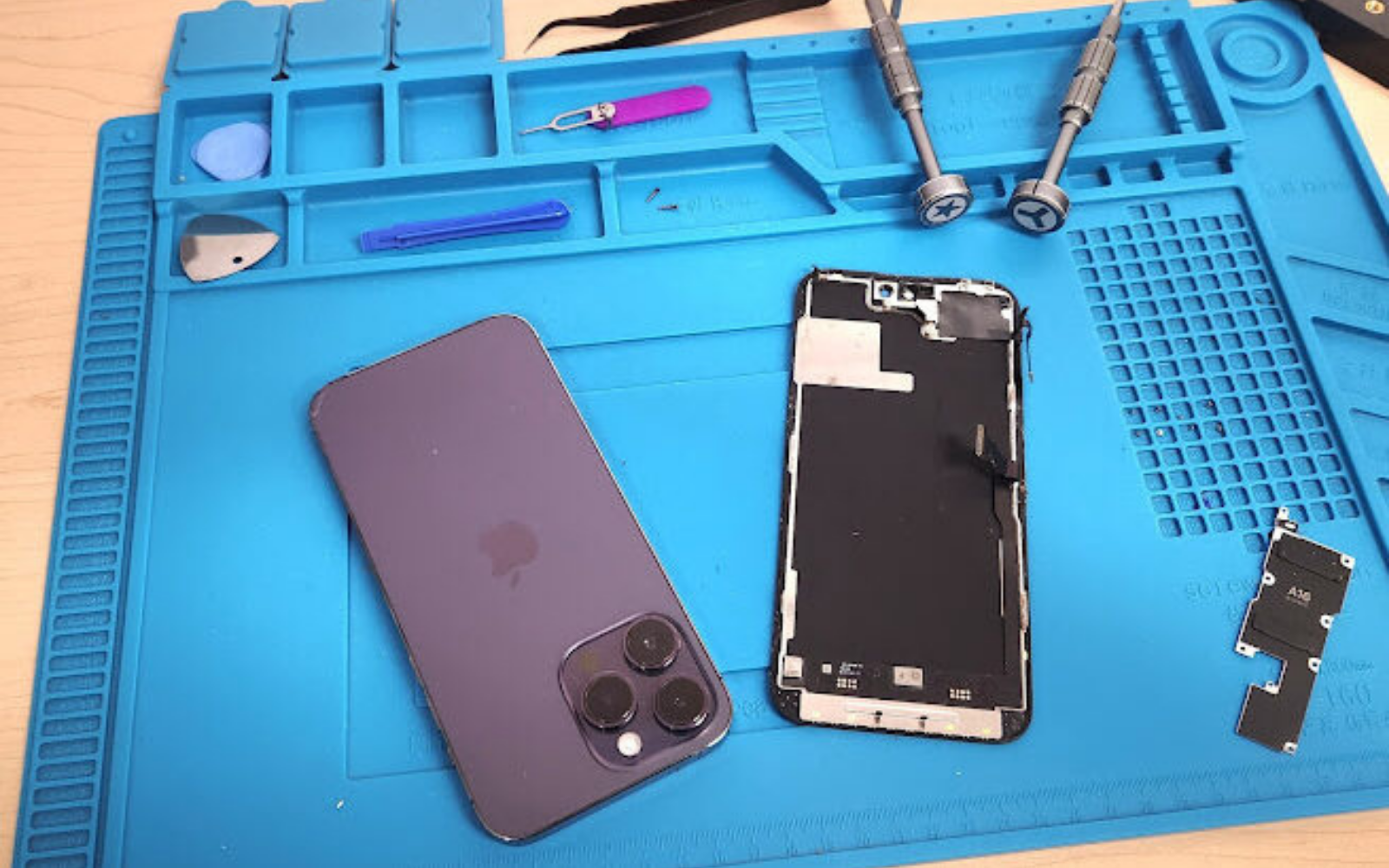
Ask ten repair shops how much stock they hold and you will get ten answers, most of them justified by instinct. The shops that get rich slow are the ones that replaced the instinct with a number, and the number is simpler than it looks.
The goal is not a full shelf. It is enough depth on the lines that convert a two-day repair into a same-day one, and as little as possible on everything else.
How many screens should a repair shop hold?
One or two, for the models you repair most.
Screens are the most expensive line on the shelf and the fastest to become obsolete, so they are the wrong place to hold depth. One assembly per high-volume model, and a second only where the same panel has been replaced twice in a month, covers the same-day demand without tying up cash.
What matters more than the count is that each line is a specific model rather than a family. Holding “iPhone 13 screens” is not a stock plan; holding the assembly for the exact model that arrives most often is. The identification discipline behind that is set out in checking the model number before you order the part.
How many batteries should you hold?
Two to four, more for your highest-volume model.
Batteries are the easiest line to hold because demand is predictable: they fail gradually, the customer often knows in advance, and the same models keep appearing. They are also small, cheap relative to a screen and slow to become obsolete, which makes them a good use of shelf space.
The count should follow the repair mix rather than a rule. A shop doing twenty battery jobs a month on one model should hold four of that cell and one of everything else, because the cost of a stock-out on the high-volume line is a lost job rather than a delayed one.

| Line | Suggested depth | Why |
|---|---|---|
| Consumables | Two to four weeks | Used on every job, never obsolete |
| Batteries, top three models | Two to four each | Predictable demand, low unit cost |
| Port flexes, top three models | One or two each | Converts a common fault into a same-day fix |
| Screens, top two models | One each | Expensive, and the line changes fastest |
| Everything else | Zero | Order in against a confirmed job |
What is the right stock value for a small shop?
Roughly one to two months of parts spend.
The useful measure is stock value divided by monthly parts cost, which tells you how many months of stock you are sitting on. Under one month is lean and occasionally exposed to a delay; one to two is comfortable for most shops; beyond three, the money on the shelf is doing nothing.
The ratio is easy to calculate from an accounts system and it moves slowly, which makes it a quarterly check rather than a daily one. When it rises, the cause is almost always that order-in lines have crept back onto the shelf.
How do you work out which models to hold?
From your own repair history, by volume.
Sort the last three months of jobs by model and count them. In most shops a small number of models accounts for the large majority of repairs, and that small number is the stock list. Everything outside it is bought against a confirmed job.
This is the same method that produced the guidance in stocking parts for the iPhone 17 series, applied across the whole range rather than to one generation. The data is already in the shop’s own records; it just has to be counted.
Why is holding depth better than holding breadth?
Because a stocked part only pays when it is used.
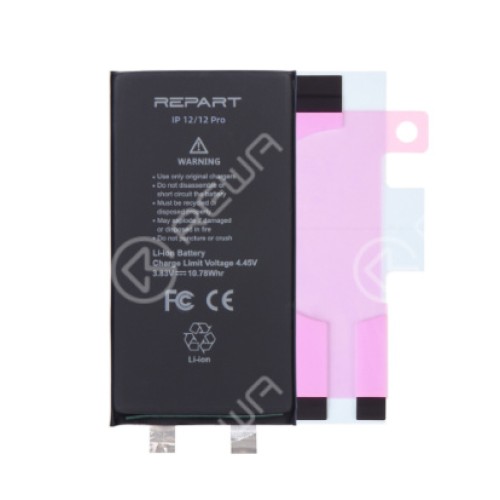
A shelf with one of forty models looks impressive and produces very few same-day repairs, because the chance that the next customer has one of those forty models is low. A shelf with four of the three most common models produces a same-day repair almost every time.
The same logic applies to part numbers that span models. A single battery part number covering more than one handset effectively doubles the value of holding it, which is a good reason to check the compatibility of a line before deciding its depth.
How often should you review a stock list?
Quarterly, against the last quarter’s jobs.
A review takes an hour: list what is on the shelf, compare it with the repair mix, and mark anything that has not moved. Models drift in and out of the mix faster than most shops expect, particularly around a new release, and a stock list that is not reviewed becomes a museum.
The review is also the moment to check packaging and shelf life. Adhesives cure, batteries age and labels fade, and a part that has been on the shelf for a year is worth checking before it goes into a customer’s device rather than after.
What should you do with parts that stop moving?
Use them, sell them or write them off.
Three options, and doing nothing is not one of them. A slow line can be used on a repair where a slightly different grade would do, sold on to another shop, or written off and claimed against the accounts. What it cannot do is sit in a drawer for two years while occupying the cash.
Old electrical parts that leave the premises are waste and go through a registered route under the Waste Electrical and Electronic Equipment Regulations 2013. Where parts are placed on the market rather than used in house, the relevant regulator is the Office for Product Safety and Standards.
How do consumables fit into the stock plan?
Deeper than parts, and reviewed more often.
Consumables are used on every job and never go out of fashion, so they are the one category where holding a month of cover is clearly right. Adhesive, wipes, alcohol, tabs and tape should never be the reason a repair stops.
The detail behind that position, including the minimum levels worth writing on the cupboard door, is set out in the consumables that decide your margin. The one-line version is that consumables are cheap to hold and expensive to run out of.
What does stock value do to your cash flow?
It converts cash into shelf space, permanently.
Every pound of stock is a pound that cannot pay wages, rent or the next order, which is why the ratio matters more than the total. A shop holding more stock than it turns over is financing its supplier rather than its own business.
For VAT-registered shops there is a second effect: input tax is reclaimed when the stock is bought, so a slow-moving shelf has already had its VAT recovered while the cash it represents is still spent. The current rules for registration and reclaiming are set out at register for VAT.
A shop running close to the registration threshold should also think about pricing before it crosses it. The moment prices have to absorb VAT is the moment a stock plan that looked comfortable on the old numbers is worth recalculating, because the cash tied up on the shelf becomes relatively more expensive.
How do you handle a model that arrives suddenly?
Order it in, and do not rebuild the shelf around it.
A new release produces a burst of repairs and a burst of enthusiasm, and both fade. Buying depth on a model that has been in the shop twice is speculation, and the correct response is a single assembly ordered against a confirmed job until the pattern is clear.
Where a shop wants to be first to offer same-day repairs on a new model, the cheap way to do it is to hold the consumables and small parts that fit the whole range and order the expensive assembly on demand. That way the shop can accept the job without financing a shelf of panels.
What records do you need to run a stock plan?
Four fields per line, updated when the part moves.
Count on hand, last used date, unit cost and return rate. Those four are enough to run the whole plan: the count drives reordering, the last-used date identifies dead stock, the cost tells you what the shelf is worth and the return rate tells you which supplier is costing you money.
The return-rate field is the one shops most often skip and the one that pays best. A part line with a high return rate is not cheap at any price, and the supplier comparison behind that judgement is described in what buying on trade terms actually changes.
What is the one number that tells you if stock is right?
Days of stock, calculated monthly.
Stock value divided by average daily parts cost gives the number of days the shelf could cover. A shop sitting on sixty days is well stocked and slightly heavy; one sitting on a hundred and twenty is running a warehouse; one under thirty is exposed to a delivery delay.
One number, recalculated once a month, is enough to keep the shelf honest. Around it sit the ordinary disciplines: model-level lines, a quarterly review, a dead-stock process and a consumable minimum that is written down. Apple’s documentation on what a device reports about replaced components at iPhone parts and service history is worth keeping in mind when deciding which grade to hold, and retail customers keep their rights on the finished work under the Consumer Rights Act 2015.
FAQ
How much stock should a phone repair shop hold?
Roughly one to two months of parts spend, which usually means a small number of model-specific screens and batteries plus a month of consumables. Calculate it as stock value divided by monthly parts cost and review it quarterly.
How many screens should I keep in stock?
One assembly for each of your top two or three models, with a second only where the same panel has been fitted twice in a month. Screens are the most expensive and fastest-obsolete line, so breadth costs more than it returns.
How many batteries should I keep in stock?
Two to four of each of your top three models. Batteries are cheap relative to screens, demand is predictable because cells fail gradually, and a single part number sometimes covers two models, which makes holding depth easier to justify.
What should I do with parts that stop selling?
Use them on a suitable repair, sell them to another shop, or write them off. Doing nothing is the expensive option, because the cash stays tied up while the part ages. Dispose of old electrical parts through a registered route.
Stock what you actually repair. Digi4u lists screens, batteries and consumables by model, with trade pricing that makes a sensible stock list affordable.