


Phone Parts MOQ Explained: How to Build a First Wholesale Order
Need this part? We stock tested replacement parts with same-day UK dispatch and a 12-month warranty.
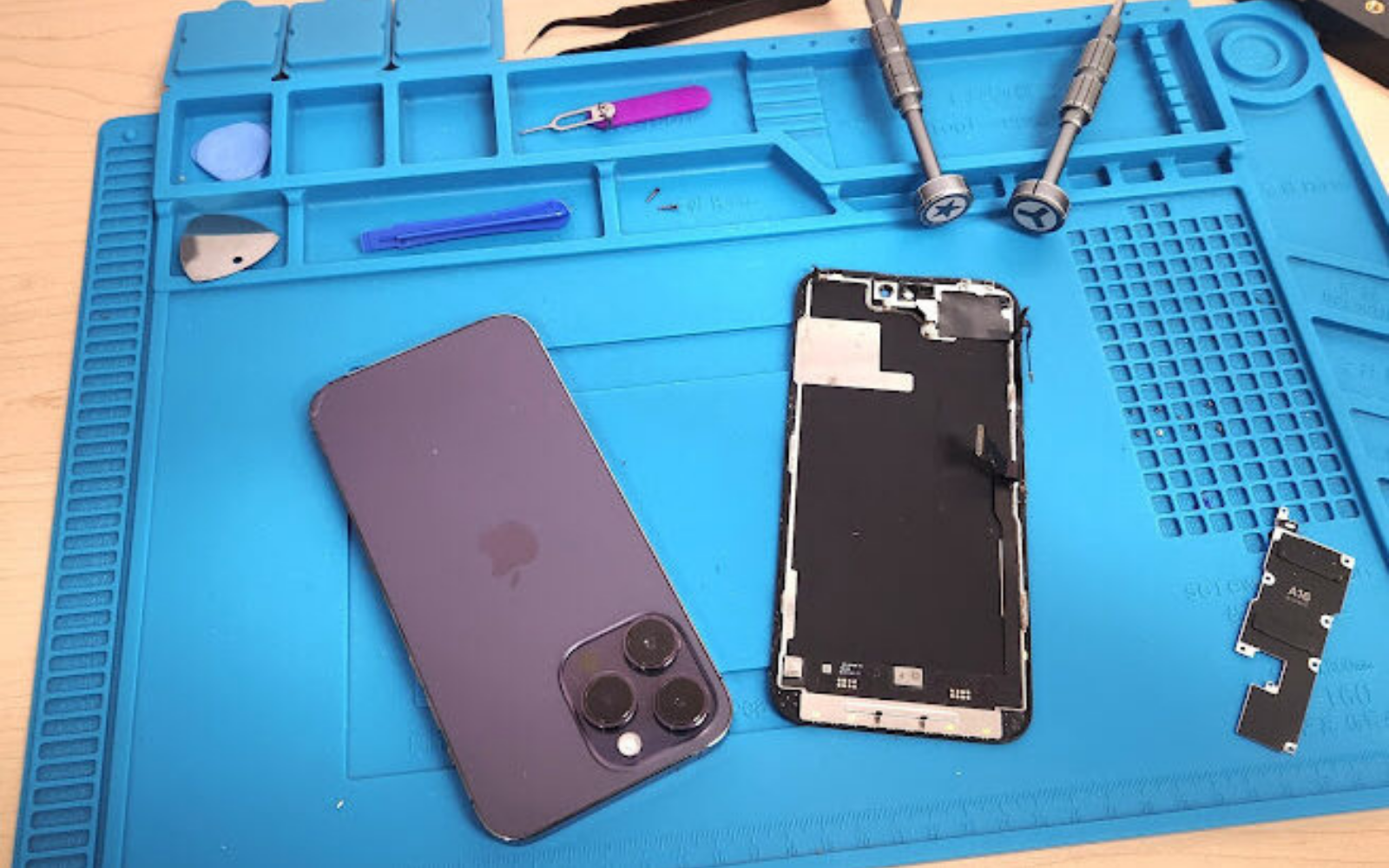
A minimum order quantity is the single number that decides whether a shop can buy on trade terms, and it is the number most often misunderstood. It is not a hurdle invented to make life difficult; it is the point at which a supplier can serve a business profitably rather than one unit at a time.
Understanding how the minimum works, and what to put in the first order to reach it, turns the trade account from an intimidating step into a routine purchase decision.
What is an MOQ, exactly?
A floor on the value or quantity of an order.
Some suppliers set a minimum order value, expressed in pounds, which is the same regardless of what is ordered. Others set a minimum quantity on individual lines, such as a pack of ten of one part. Many use both, with a value floor for the order and quantity steps for particular lines.
Which of those applies matters more than the number itself. A value floor can be filled with anything the shop will use; a line-level quantity forces the shop to buy depth on a specific part whether it needs it or not.
Why do suppliers set a minimum at all?
Because serving one unit at a time does not pay.
Picking, packing, invoicing and shipping a single small part costs the supplier roughly the same as handling a larger order. Below a certain size, the transaction costs more than the margin on it, which is why trade pricing is tied to a minimum rather than offered universally.
Understanding that also explains why a minimum is not negotiable in the way a price sometimes is. A supplier who waives it for one customer has to waive it for everyone or explain why not, and the economics do not change because a shop is new.
How do you find out what a minimum is?
Ask before registering, and ask what it applies to.
The useful questions are the value floor, whether any individual lines carry quantity steps, how pricing tiers change with volume and whether the minimum applies to every order or only the first. A supplier who can answer all four in one message is describing their operation rather than hiding it.
Those questions are part of the wider assessment of a new supplier, described in choosing a phone parts supplier. The minimum is one line in that assessment, but it is the one that decides whether the account is usable day to day.
How should a first order be built?
From consumables, then the models you repair most.
Consumables are the ideal way to reach a value floor, because they are used on every job and never go out of fashion. Adhesive, wipes, alcohol, battery tabs, tape and gloves can fill a minimum with lines that will certainly be consumed within a month.
The second layer is the models the shop actually repairs, in the parts that fail most often: batteries and charging port flexes first, then one or two screen assemblies for the highest-volume model. That produces an order that is useful rather than impressive.
What should a first order not include?
Screens for models you have not repaired yet.
A screen is the most expensive line on the shelf and the fastest to become obsolete. Buying five of them to reach a minimum ties up hundreds of pounds in stock for devices that may never arrive, and the money cannot be spent on anything else.
The same applies to accessories bought speculatively and to parts for a model that has just launched. If a device has not produced a repair yet, buying stock for it is a forecast rather than a purchase.

How much should a first order be worth?
The minimum, or a little above it.
There is no prize for a large first order. The objective is to open the account, learn how the supplier behaves and test dispatch, packaging and invoicing on a modest amount of money.
A shop that orders twice the minimum on day one has doubled its exposure before it knows whether the supplier dispatches on time, packs properly or answers a question in a day. The second order is where volume belongs.
What does a first order test?
Dispatch speed, packaging, invoicing and the returns route.
Four things, all of which matter more than price. A supplier who answers the phone, ships the same day and packs a display properly is worth paying a little more for than one who is cheaper and slower.
Including one screen in the first order is worth doing precisely because it tests packaging. Consumables will survive almost anything; a panel will reveal how the supplier treats fragile stock.
How do you spread a minimum across lines?
By weight of usage rather than by price.
The right question for each line is how often it will be used in the next month. Lines used weekly take a larger share of the order; lines used monthly take a smaller one. Screens take the smallest share of all, because their cost is high and their usage is hardest to predict.
Writing that plan down before ordering is what stops a minimum being reached with whatever happens to cost the right amount. The stock approach behind the plan is described in planning stock by the numbers.
It also helps to separate lines that expire from lines that do not. Adhesives, batteries and cleaning fluids have a shelf life and should be ordered to be used within it; gaskets, tapes and small flexes do not, and can carry a little more depth. That distinction is what makes a minimum order safe to fill.
A simple version is to divide the order into three groups: consumables that will be gone within a month, parts for the three models you repair most, and everything else. If the third group is empty, the order is probably right.
What are the quantity steps on small parts?
Usually packs rather than single units.
Gaskets, tabs, adhesives and small flexes are commonly sold in packs of five or ten, because handling them individually costs more than the item. That is not a minimum in the usual sense; it is simply how the line is supplied.
Packs are usually an advantage for a working shop, since consumables are consumed continuously. A pack of ten gaskets for a common model is a month of stock, not an overbuy. The consumable side is covered in more detail in the consumables that decide your margin.
Where a pack is genuinely too large, it is worth asking whether the line suits the shop rather than whether the supplier is being difficult. A pack of twenty screens for a model repaired twice a year is not a minimum problem; it is the wrong model to be stocking.
Does the minimum change as an account grows?
Usually the pricing tier does, and sometimes the minimum.
Many suppliers step their pricing at volume thresholds, so the effective price improves as the shop orders more regularly. A few reduce the minimum for established accounts, simply because the transaction cost is lower when the customer is predictable.
Nothing about that needs negotiating on day one. The useful approach is to order consistently, review the price list quarterly and ask what the next tier requires when the volume justifies the question.
What if a shop cannot reach the minimum?
Then buy less often, or use a different supplier.
A very small shop may not consume the minimum in a week, and the sensible answer is to order monthly rather than weekly, using the consumable stock it holds to bridge the gap. That keeps the trade pricing without holding too much parts stock.
Where the minimum genuinely cannot be reached, the honest answer is that trade terms may not suit the business yet. Buying the same parts at retail prices from the same supplier is not a failure; it is a stage.

What does a first order do to the accounts?
It becomes stock, and stock is cash.
Every pound spent on the first order is money that cannot pay wages or rent until the part is used. That is why the minimum should be treated as a ceiling for the first order rather than a target to beat.
Where the shop is VAT-registered, the input tax on the order is reclaimable, which softens the cash impact but does not remove it. The registration rules and thresholds are published at register for VAT.
What is the one rule for a first order?
Spend the minimum on the things you use most.
One rule, and it produces an order that pays for itself rather than one that sits on a shelf. Consumables and the parts for your top three models will always be used; anything else is a bet.
Around it sit the ordinary disciplines: ask about the minimum before registering, test the supplier on a modest order, keep the batch references and review the account quarterly. Retail customers keep their rights on any goods bought under the Consumer Rights Act 2015, parts placed on the market fall to the Office for Product Safety and Standards, stock that is discarded is waste under the Waste Electrical and Electronic Equipment Regulations 2013, and the safety expectations around a parts store are set out by the HSE at risk assessment at work.
FAQ
What is a typical minimum order for phone parts in the UK?
Minimums vary, but most are set at a value a working shop can consume within a month. Ask whether the minimum applies to the order value, to individual lines, or both, because the answer changes how the first order should be built.
How do I reach a minimum order without overbuying?
Fill it with consumables, which are used on every job and never go out of fashion, then add batteries and port flexes for the models you repair most. Keep screens to one or two for your highest-volume model.
Should a first order be larger than the minimum?
No. The first order is a test of dispatch, packaging, invoicing and the returns route. Spending more than the minimum before you know how the supplier behaves increases exposure for no benefit.
Do minimums change as an account grows?
Pricing tiers often improve with regular volume, and some suppliers reduce the minimum for established accounts. Order consistently, review the price list quarterly, and ask about the next tier when your volume justifies it.
Build the first order around what you already use. Digi4u supplies UK repair shops on trade terms with a minimum a working shop can consume, and states the grade on every line.