


Bulk Phone Parts Quotes: What a Good RFQ Contains
Need this part? We stock tested replacement parts with same-day UK dispatch and a 12-month warranty.
A bulk quote request fails in a predictable way. The shop sends a list of models, the supplier sends back a list of prices, and neither side can tell whether they are comparing the same thing. The price looks high or low for reasons that have nothing to do with the price.
A good request removes that ambiguity before the supplier starts. It is not a long document; it is a short one with the right fields, sent to more than one supplier so the answers can be compared.
What is an RFQ in parts buying?
A request for quotation: what you want, priced.
In a repair shop it is usually a spreadsheet or a short email listing models, part types, grades and quantities, with a delivery postcode and a date by which the answer is needed. The supplier replies with unit prices, stock position and lead time.
The difference between an RFQ and a casual enquiry is that the RFQ can be compared. If two suppliers answer the same document, the differences are real. If they answer two different enquiries, the differences are mostly interpretation.
What should the model list look like?
Model code first, marketing name second.
Write the code the supplier will pick against, such as A2633 or SM-A546B, and put the familiar name beside it for readability. Screens, batteries and port flexes all vary by variant, and a name alone regularly points at the wrong part.
Add the colour or frame variant where it changes the part. A screen with a frame is colour-specific; a bare panel is not. A back glass is colour-specific by definition. Recording that in the request prevents a quote that is technically correct but commercially useless.
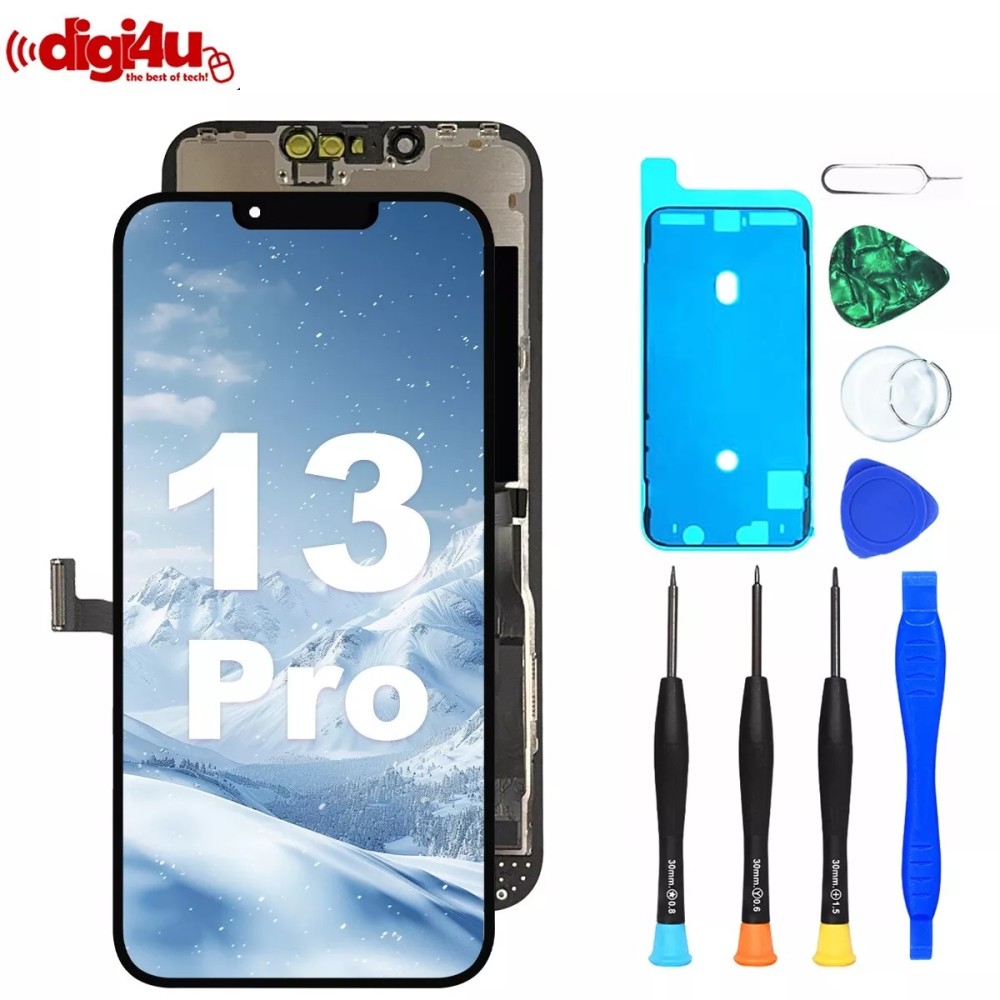
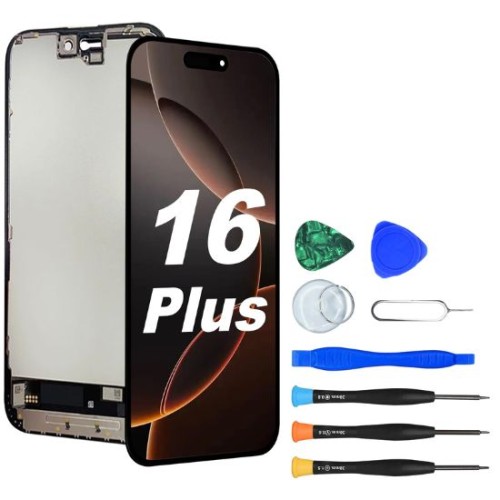
The variant detail is where most wasted quotes come from. A screen quoted for a 6.1-inch model will not fit the Plus, and a battery quoted for one regional variant may not fit another. Listing the code, the storage size where it matters and the colour where the frame is included removes the ambiguity before it becomes a return.
How do you specify grades?
Use the supplier’s grade names and repeat them exactly.
Original pull, refurbished original, soft OLED, hard OLED, incell and aftermarket assemblies are different products with different prices. A request that says “iPhone 14 screen” invites whichever grade the supplier has most of, which is rarely the one the shop intended to buy.
If the shop is flexible, say so and ask for a price at two grades. That produces a comparison the shop can use with its own customers, rather than a single number that has to be taken on trust. The trade-offs between grades are described in buying refurbished parts on grade.
What quantities make a quote useful?
Whole units, per line, with a total.
Quantities should be stated per line rather than as a single order value, because that is how the supplier prices and picks. A request for “about £2,000 of stock” cannot be quoted accurately; a request for fifteen screens, twenty batteries and ten port flexes can.
Where the shop expects to reorder, say so. A supplier who knows a line will repeat may price it differently or hold stock against the account. That is the commercial logic behind a minimum order, described in how a minimum order works in practice.
Round quantities also change how the quote is read. A request for “ten to fifteen” invites the supplier to price the lower number, while a fixed ten is a line that can be checked against stock. State the number you will actually accept.
Why include the delivery postcode and date?
Because both change the answer.
Carriage cost, service and cut-off depend on where the parcel is going. A price quoted without a postcode is a price for a different customer. A required-by date changes whether the supplier quotes from stock or offers a backorder.
Include the date the shop needs the parts, not the date it would like them. A request that says “as soon as possible” gets whatever is convenient; one that says “needed by Thursday for a booked repair” gets a straight answer about whether that is achievable.
What about mixed brands in one request?
Keep them in one document, separated by brand.
A shop buying iPhone, Samsung and iPad lines in the same month should ask in one request. Splitting it into three emails multiplies the admin and hides the total order value, which is often what determines the price.
Group the lines by brand and by part type inside the document. That structure matches how a warehouse picks and how a quote is built, so the reply comes back faster and with fewer clarifications.
How should a quote present price?
Unit price, line total, carriage and VAT separately.
A single grand total is not a quote; it is a number. The shop needs the unit price to compare across suppliers, the line total to check the arithmetic, and carriage and VAT shown separately because they are not comparable between suppliers otherwise.
Ask for the currency and the VAT treatment explicitly, even when both are obvious. Quotes that mix ex-VAT and inc-VAT figures are the most common reason two suppliers appear further apart than they are.
Ask for the quote to stay open for a stated period as well. Prices on fast-moving lines move with stock and exchange rates, and a quote with no validity date is either a commitment the supplier may not honour or a number that has already expired.
What should you compare beyond the total?
Stock position, lead time and the returns route.
A cheaper quote that ships in ten days is not cheaper for a repair booked on Friday. A quote that includes no statement of stock position is a promise, not an offer. Those two fields decide whether the price can actually be used.
The returns route matters for the same reason. A supplier who will replace a DOA panel within a week is offering a different product from one who will discuss it, and the difference belongs in the comparison. The process behind that is set out in how a warranty claim is handled.
Ask each supplier to state whether the price assumes the full quantity is in stock. A quote built on a backorder can look competitive until the shop discovers the lead time, by which point the repair has already been booked and the customer is waiting.
When is a quote not worth requesting?
When the quantity is below the supplier’s minimum.
A request for two screens is an order, not a bulk quote. Sending it as an RFQ wastes both sides’ time and produces a reply that is really a retail price. Check the minimum first, then decide whether the request belongs in the quote process at all.
The same applies to one-off parts for an unusual model. If the line will never repeat, the useful question is whether the supplier stocks it at all, not what discount applies to a quantity the shop will never reach.
A quote also stops being useful when the shop cannot describe what it wants. If the model or the grade is unknown, the first task is identification rather than pricing, and a supplier cannot do that work from a list of guesses.
How do you turn a quote into a repeat order?
Record what was quoted and what arrived.
Keep the quote beside the delivery note and note any substitution, shortfall or grade change. That record is what makes the second order faster, because the supplier can see exactly which lines were accepted and which were not.
It also builds the case for better terms. A shop that can show twelve months of consistent lines and clean payment has something to negotiate with, which is the point at which an account starts to behave like a partnership rather than a series of transactions.
What is the one mistake in a bulk quote request?
Leaving the grade out and hoping the price explains it.
Grade is the variable that moves a screen price by more than any discount. A request that omits it does not produce a cheaper quote; it produces a quote for whatever the supplier chooses, and the shop finds out at the bench.
Around it sit the ordinary disciplines: send the same document to every supplier, state the required-by date, ask for stock position and lead time, and record what actually arrived. Packaging and carriage expectations belong in the same conversation, and the wider supplier assessment is set out in choosing a phone parts supplier.
What does a good quote request look like in practice?
One page, one table, five columns.
Model code, description with grade, quantity, unit and any variant note. Add the delivery postcode and required-by date above the table, and a single line asking for stock position and lead time. That is enough for a supplier to answer precisely.
Everything else is negotiation. A clean request does not guarantee a good price, but it guarantees that the shop can tell whether the price is good, which is the part most buyers skip. Consumer protection and product safety obligations sit alongside the commercial terms, with the Consumer Rights Act 2015, the Office for Product Safety and Standards and the Waste Electrical and Electronic Equipment Regulations 2013 setting the surrounding framework, while the HSE sets out risk assessment at work and the ICO publishes guidance for organisations on the records a business keeps.
FAQ
What should a bulk phone parts quote request include?
Model codes, part types, grades, quantities, the delivery postcode and the date the parts are needed. Add the supplier’s minimum order value and ask for stock position and lead time so the reply can be compared.
Why does the grade need to be in the request?
Because grade moves the price more than any discount. Original pull, refurbished original and aftermarket assemblies are different products, and a request without a grade gets whichever one the supplier chooses.
Should I send the same request to several suppliers?
Yes, if you want a real comparison. The same document sent to three suppliers produces three answers that can be compared line by line, which is the only way to judge whether a price is actually competitive.
Is a bulk quote the same as a trade account price?
No. A quote prices a specific basket on a specific day, while a trade account holds pricing and terms against the business. A quote is a good way to test a supplier before opening an account.
Quote requests that come back with an answer. Digi4u prices mixed lines from one account, so a basket of models and grades can be quoted in a single reply.