


Shipping and Storing Lithium Batteries: What UK Repair Shops Need to Know
Need this part? We stock tested replacement parts with same-day UK dispatch and a 12-month warranty.
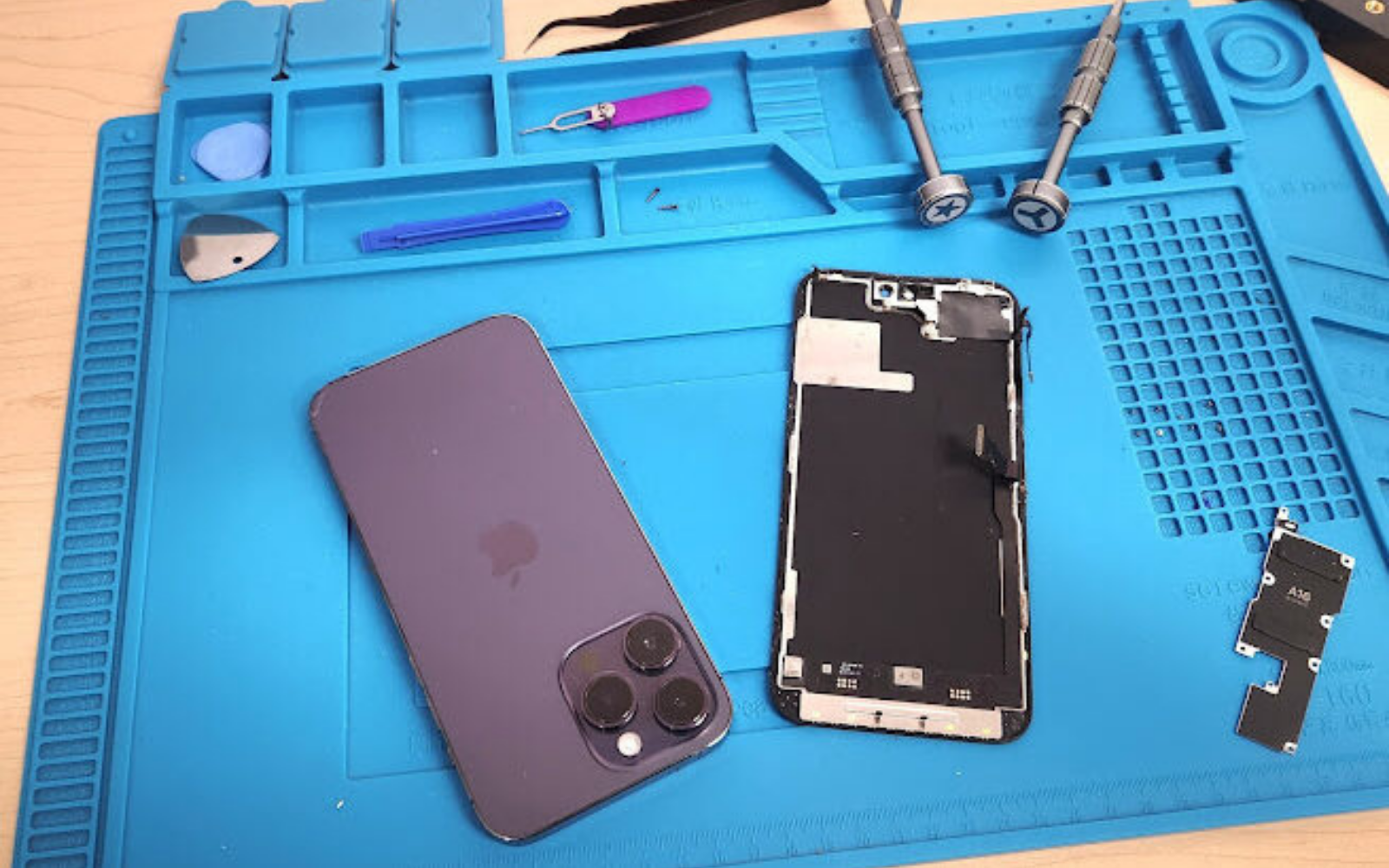
Every repair shop accumulates batteries. Removed cells, dead stock, parts arriving and devices going back to customers. The handling rules that apply to them are set by carriers and by workplace safety law, and they change, which is why the published guidance of the carrier you actually use is the reference rather than a rule remembered from a previous job.
What follows is the framework: how the categories differ, how to store stock, and why a swollen cell is a different problem from a flat one.
Why battery shipping rules are stricter than they look
Because a lithium cell can fail energetically, and the rules respond to that.
A lithium-ion cell stores energy chemically, and a cell that is damaged, shorted or exposed to heat can release that energy quickly. Shipping rules exist because a parcel network handles thousands of items mechanically, and a damaged cell inside a parcel is a fire risk that nobody can see until it happens.
That is why the rules distinguish carefully between a battery installed in a device, a battery packed with a device, and a battery sent loose. The three categories carry different conditions, and the loose cell is the most restricted because it has the least protection around it.
What are the three shipping categories?
Installed, packed with equipment, and sent on its own.
A battery installed in a device is the least restricted case, because the device provides containment and the terminals are protected. A battery packed alongside a device sits in the middle. A loose cell sent on its own is the most restricted, and some carriers decline it entirely.
For a repair shop this matters in two directions. Devices being posted back to customers usually travel under the installed category, while replacement cells arriving from a supplier follow the rules their sender applied. Where you send a loose battery yourself, confirm the current conditions before it goes.
How should you store batteries in the shop?
Stable temperature, no contact between terminals, and no mixing with damaged stock.
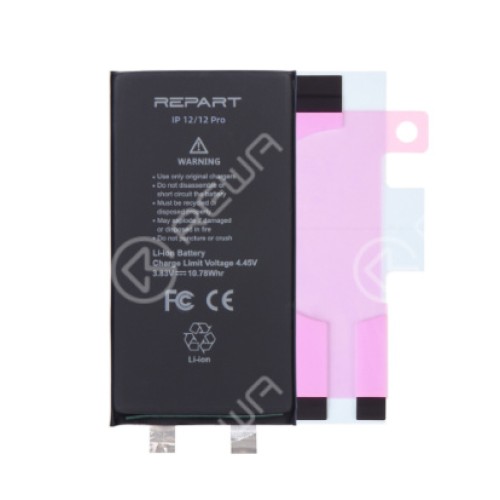
Store cells at a stable room temperature, away from direct sunlight, radiators and the back of a bench where heat builds up. Keep them in a container that prevents the terminals touching each other or any metal object, because a short circuit is the most common cause of a cell failing in storage.
Keep swollen cells out of the same container as healthy stock. A swollen cell is a cell that has already failed mechanically, and storing it alongside good stock means one incident can destroy a whole shelf of parts as well as creating a hazard.
| Category | Condition | Practical rule |
|---|---|---|
| Installed in a device | Least restricted | Terminals protected by the device; check the carrier’s rules |
| Packed with a device | Middle | Terminals protected and the cell prevented from moving |
| Loose cell | Most restricted | Confirm the carrier accepts it before you commit |
| Swollen or damaged cell | Not shippable as normal stock | Isolate and dispose of through a take-back route |
How do you pack a battery safely?
Protect the terminals first, then prevent movement.
The single most important step is preventing the terminals from contacting anything conductive. Tape over the contacts, or place the cell in its original packaging where that packaging is designed for it, and make sure it cannot shift inside the outer box.
Movement matters because a cell that slides inside a parcel can be struck or compressed. Fill the space, use a rigid outer box rather than a padded envelope for anything other than a single small cell, and keep the cell away from other hard objects in the same parcel.
Why is a swollen battery a different problem?
Because it has already failed, and its failure mode is not predictable.
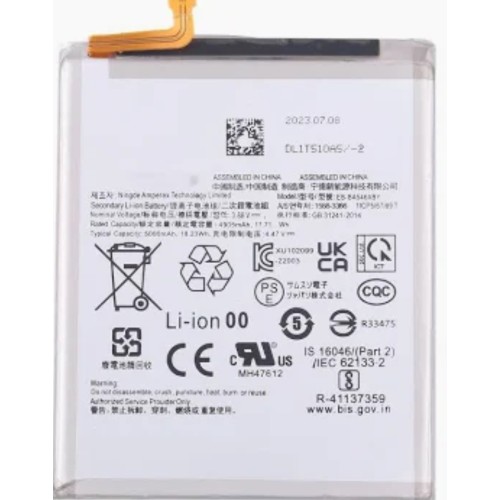
A swollen cell has generated gas internally, which means the chemistry has already gone wrong. It should not be charged, should not be compressed back into a chassis to make a panel fit, and should not be punctured at any point. Those are the three actions that turn a damaged cell into an incident.
The right handling is to isolate it in a fire-resistant container away from combustible material and dispose of it through a proper battery take-back route. Where a device has arrived with a lifting panel or a distorted chassis, the swelling is often the cause, and our guide to why panels lift from the frame covers how to tell swelling from a failed bond.
What about disposal?
Batteries do not go in general waste, and the shop has obligations as a business.
Removed cells are waste batteries, and the disposal route is a take-back scheme or a licensed collector rather than the general bin. In a workplace, handling and storage of the cells you accumulate fall under the general duties that the Health and Safety Executive sets out for employers, and electrical and electronic waste is covered by the Waste Electrical and Electronic Equipment Regulations 2013.
Practically, the shops that handle this well keep a single labelled container for removed cells, empty it on a schedule rather than when it is full, and never leave swollen cells in it for long. That is a small amount of process for a meaningful reduction in risk.
The rules that apply to a battery inside a product you place on the market are separate, and the safety obligations sit with the Office for Product Safety and Standards. For customer-facing terms, the statutory rights you must honour are set by the Consumer Rights Act 2015. Apple’s guidance on the batteries used in iPhone explains what the device itself reports about a replacement.
What should you tell customers?
That a swollen battery is a stop-charging situation, not a performance issue.
Customers often treat a swollen battery as a cosmetic problem or as something to manage until payday. The honest explanation is that a swollen cell should not be charged, and that a device with a lifting panel or a distorted chassis should be brought in rather than kept on a charger overnight.
Where you are returning a repaired device by post, mention how it is packed and why. A customer who understands that the battery is why the parcel is rigid and why the cell is taped will not query it, and the same explanation covers you if the carrier asks.
What should you record?
What came in, what went out, and how it was packed.
Record the batteries removed, the ones fitted, and the cells disposed of with the date. Where a battery is sent by post, note the carrier and the packing used. That record is what demonstrates that you handled the material properly if a question ever arises, and it is also what tells you how quickly your disposal container fills.
For most shops this is a one-line entry per job rather than a separate process. What matters is that it exists, because the handling rules assume a business can show what it did with the cells that passed through it.
What does a repair shop actually accumulate?
Three streams of cells, and each has different handling needs.
The first stream is new stock arriving from suppliers, which is packed to the rules already and should stay in its packaging until fitted. The second is cells removed from customer devices, which are the ones that end up in a disposal container and which include the occasional swollen cell. The third is dead stock, the batteries that have sat on a shelf past their useful life and will never be fitted.
Each needs a different response. New stock needs a stable shelf away from heat. Removed cells need a labelled container and a disposal schedule. Dead stock should be written off and disposed of rather than left in the hope that an old model eventually comes in, because a cell that has been on a shelf for two years is a cell you should not be fitting.
How do you set up battery storage in a small workshop?
One shelf, one container, one schedule, and it does not need to be elaborate.
The shelf holds new stock in supplier packaging, kept at room temperature and away from the bench where heat builds up. The container holds removed cells, labelled and away from combustible material, emptied on a schedule rather than when it is full. The schedule is a note in the diary: check the container weekly, and remove anything swollen immediately rather than at the next clear-out.
What matters more than the equipment is that one person owns it. A storage arrangement that everyone assumes someone else maintains drifts within a month, and the failure mode of a drifting arrangement is a swollen cell sitting in a drawer of healthy stock. Naming an owner is the whole intervention.
For shops posting devices back to customers, the same discipline extends to packing. Keeping the trade packaging that parts arrive in gives you correctly sized boxes for the cells you send onwards, and it removes the temptation to improvise with whatever is on the bench. That packaging is also designed to the standard the sender is obliged to meet, which makes reusing it the simplest way to stay compliant without reading the rules again for every parcel.
What is the one habit that keeps a shop compliant?
Re-read the carrier guidance once a year, and keep the packaging the parts arrive in.
Both take almost no effort, and together they cover the two things that most often go wrong: rules that have changed since last time, and parcels packed from whatever was on the bench. The packaging a supplier uses is already designed to the standard the sender has to meet, which makes reuse the easiest way to stay on the right side of it.
FAQ
Can I post a lithium battery in the UK?
Royal Mail and the major couriers each publish their own rules for lithium cells, and those rules differ by whether the battery is installed in a device, packed with one, or sent loose. Loose cells are the most restricted. Check the current published guidance for the carrier you use before posting, because the conditions change and the responsibility sits with the sender.
How should I store lithium batteries in a repair shop?
Store them at a stable room temperature, away from direct heat and sunlight, in a container that will not allow the terminals to short against each other or against metal. Do not store swollen cells with healthy stock, and keep the area clear of anything that could puncture a pack if it falls.
What do I do with a swollen battery?
Treat it as a hazard rather than as stock. Do not puncture it, do not attempt to compress it back into a chassis, and do not store it alongside healthy cells. Place it in a fire-resistant container away from combustible material and dispose of it through a proper battery take-back route.
Do I need to declare a battery when sending a repaired phone?
Carriers distinguish between a battery installed in equipment and a battery sent on its own, and the labelling and declaration requirements differ accordingly. A phone containing its battery usually travels under the installed-equipment rules, while loose cells attract stricter conditions. Check the carrier’s current requirements rather than relying on what applied last year.
Battery handling is a process rather than a skill: check the carrier’s current rules, pack so the terminals cannot touch and the cell cannot move, store healthy and damaged stock apart, and dispose of removed cells through a take-back route. None of it is complicated, and all of it is cheaper than one incident.
Buying batteries in trade quantities? Digi4u supplies iPhone and Samsung batteries to UK repair shops in trade packaging, with trade pricing, same-day dispatch and up to 12 months warranty. Tell us the model and we will confirm stock.