


iPhone 14 Screen Replacement: Panel Options and Frame Choice
Need this part? We stock tested replacement parts with same-day UK dispatch and a 12-month warranty.
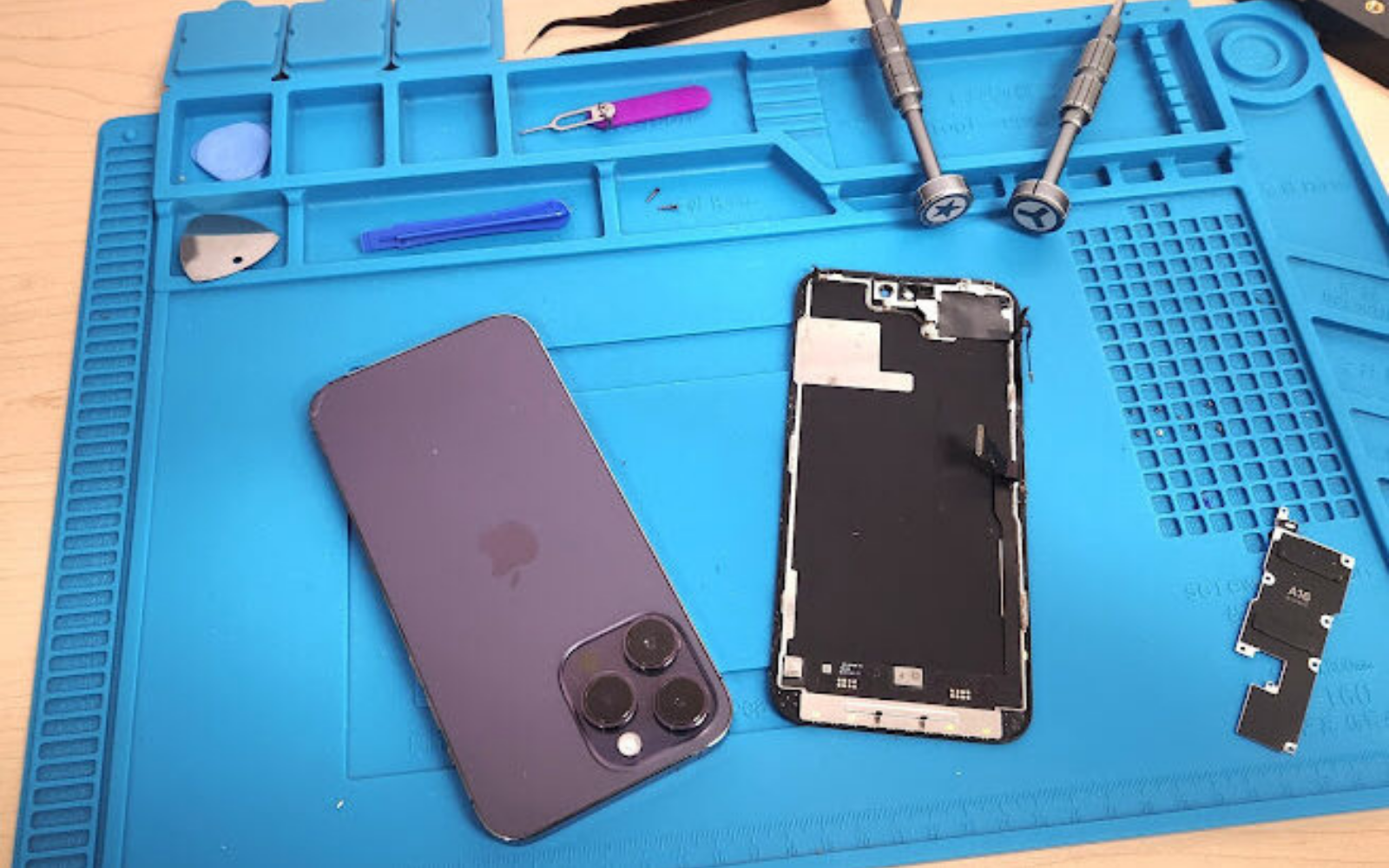
The iPhone 14 screen is a routine repair that punishes small mistakes. The panel is not difficult to fit, but the sensor flex, the frame colour and the display calibration all create ways for a working screen to become a return.
The part decision comes first. Grade and frame choice set the price, the fitting time and the risk, and they should be decided before the device is opened.
Which iPhone 14 screen should a shop stock?
Soft OLED for most jobs, with a small premium line.
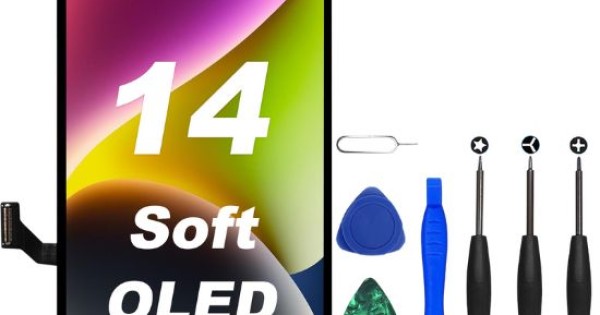
Soft OLED is the default for independent repair because it gives good colour and touch behaviour at a price the customer will accept. A hard OLED or incell copy is cheaper, and the difference shows in brightness and in how the panel behaves at an angle.
Stock depth should follow the models the shop sees. The standard iPhone 14 is the volume model; the Plus, Pro and Pro Max are separate assemblies with different sizes and connectors, and each needs its own line.
Keep one premium line rather than several. A shop that stocks soft OLED, hard OLED and two aftermarket brands for the same model ends up with four dead lines and a technician guessing which one to fit.
What changes from the iPhone 13?
The connector, the sensor layout and the calibration.
The 14 looks similar to the 13 and uses a comparable panel technology, but the assembly is not interchangeable. The flex routing and the sensor arrangement differ, and a 13 panel will not fit a 14 frame correctly.
That similarity is the risk. A shop that keeps both lines on the same shelf will eventually pick the wrong one, which is why the model code belongs on the box and on the job sheet.
The adhesive gasket is different as well. The 14 uses a slightly different perimeter shape, so a gasket cut for the 13 will leave a gap at the corners and the device will not reseal properly.
What grades are available?
Original pull, refurbished original, soft OLED and incell.
Original pulls and refurbished originals come from donor devices and carry the best colour and touch behaviour, with the trade-off of a used panel and possible cosmetic marks. Soft OLED aftermarket assemblies are new and consistent, and incell copies are the budget option.
The grade should be disclosed to the customer and recorded on the invoice. A repair priced for a soft OLED and fitted with an incell panel is a complaint waiting to happen, whatever the panel looks like on the bench.
Ask the supplier what the grade actually means in their catalogue. One supplier’s “refurbished original” may be a tested pull with a new glass, while another’s is a repaired assembly with a replaced polariser. The words are not standardised across the trade.
How do you confirm the model and variant?
By the model number in Settings, then the frame colour.
The iPhone 14 family uses different model numbers for each size, and the number is the only reliable identifier once a device has been repaired or reboxed. Check it before the part is ordered, not after it arrives.
The frame colour matters only if the assembly includes a frame. A bare panel is colour-independent, while a full assembly must match the housing or the repair will look wrong from the first glance.
Check the storage size only if it changes the part, which it usually does not on the 14. Do not let irrelevant details lengthen the check; the model number and the frame colour are the two fields that decide the order.
Why does the frame choice matter?
It decides fitting time and how much has to be transferred.
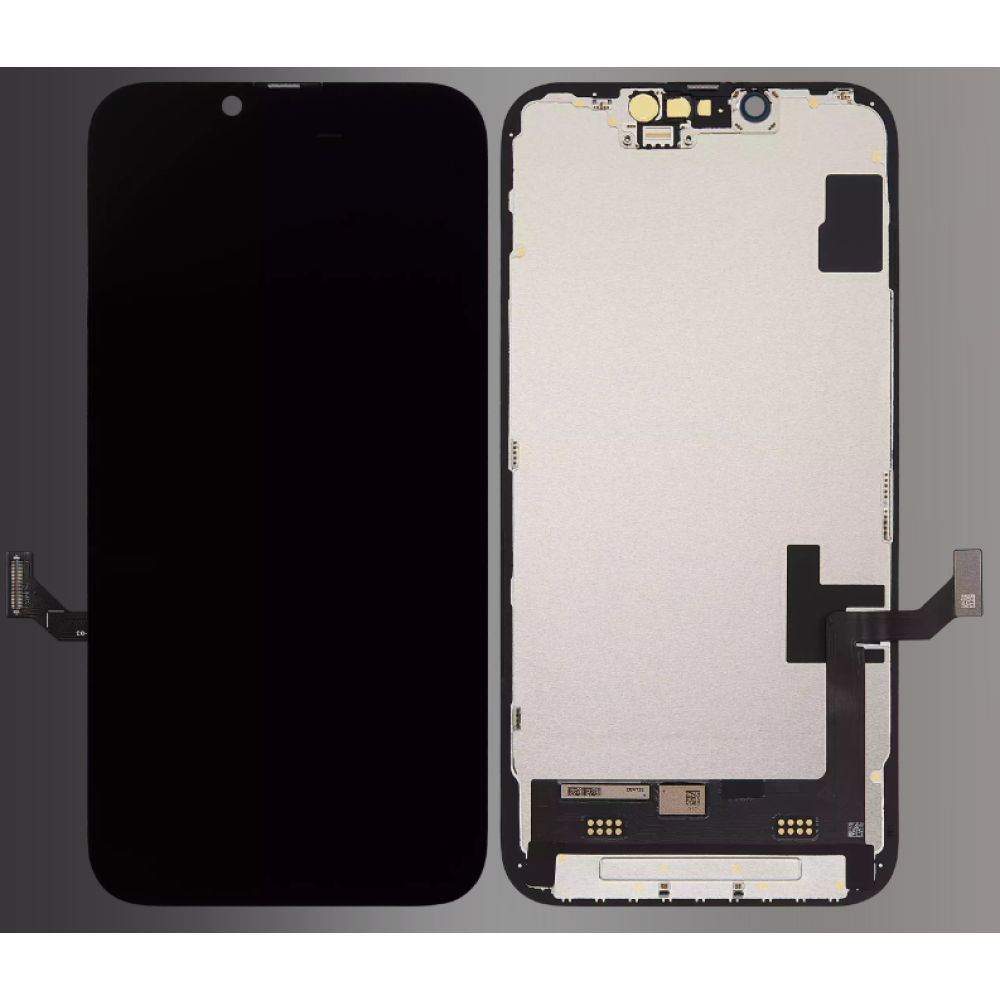
An assembly with a frame arrives with the earpiece, sensors and brackets already mounted, so the job is a straight swap. A bare panel costs less but requires the technician to move every component across, which takes longer and adds risk.
The decision table for the two options is set out in screen with or without a frame. For a busy shop, the framed assembly is usually the better trade even at a higher part price.
What does the job involve?
Heat, a careful lift, and the transfer of the sensor flex.
The iPhone 14 opens from the display side. Heat softens the perimeter adhesive, a suction cup and pick start the lift, and the panel folds open like a book while the flexes stay connected.
Once the panel is free, the battery is disconnected before anything else. The sensor flex is the delicate part of the job, and it is where most avoidable damage happens.
Work on a clean mat with the device supported. The 14 panel is thin, and a device that rocks while the pick is under the glass is a device that cracks.
How do you move the earpiece and sensors?
Slowly, with heat, and without touching the sensor windows.
The earpiece speaker and the ambient light sensor sit on a flex that is adhered to the back of the panel. Heat softens the adhesive, and a thin blade lifts the flex without bending it.
The sensor windows must stay clean. A fingerprint on the ambient light sensor or a torn flex changes how the display behaves, and the customer notices brightness problems before they notice anything else.
Keep the screws in a tray and note where each one came from. The 14 uses different lengths around the display assembly, and a long screw in a short hole damages the board underneath.
What is the risk to Face ID?
Mostly damage during the transfer, not the panel itself.
The TrueDepth assembly is paired to the device. A new screen does not normally break Face ID, but a torn flex, a dislodged connector or a damaged sensor during the swap will, and the fault appears after the repair rather than during it.
Test Face ID before the device is closed and again after. The failure modes and the checks are described in Face ID after a screen replacement.
If Face ID fails, stop and diagnose before sealing. A dislodged connector can usually be reseated; a torn flex cannot, and the customer needs to know before the device is closed rather than after.
How do you test before sealing?
Touch, brightness, sensors and calls, in that order.
Run a full-screen touch test, check brightness at both ends, cover the ambient light sensor, test the proximity sensor during a call and confirm the front camera and Face ID. Each takes seconds and each catches a different transfer mistake.
The full routine is set out in testing a replacement screen before sealing. Doing it before the adhesive goes down is the difference between a five-minute fix and a second repair.
Test with the device assembled enough to boot, not with the panel hanging loose. A flex that works at an angle can fail when the display is folded into place, and the test has to reflect the final position.
How should you store iPhone 14 screens?
Flat, in the box, away from weight and moisture.
A screen assembly should stay in its packaging until it is fitted. Stacked panels, tools on top of a box or a damp shelf will damage the assembly before it reaches the bench, and the fault will look like a supplier problem.
Store by model, not by grade alone. A shelf organised by grade mixes the 14 with the 14 Pro, which is exactly how the wrong panel gets picked during a busy afternoon.
Keep the batch label with the box. It is the only link between a failed panel and the shipment it came from, and it costs nothing to retain.
What should the job be priced at?
The panel, the bench time and the transfer risk.
A framed assembly costs more as a part but takes less time and carries less risk. A bare panel costs less but moves the sensor transfer into the shop’s labour, and that labour has to be in the quote.
Add a margin for the occasional panel that fails after fitting. Screen warranties are part of the cost of doing the work, and a price built without them is a price that only works when nothing goes wrong.
Keep the quote tied to the grade. Quoting a soft OLED price and fitting an incell panel is not a saving; it is a complaint that arrives a week later.
What does True Tone need?
The original display data, transferred or programmed.
True Tone depends on calibration data tied to the display. A replacement panel without that data will usually lose the feature, and the setting may disappear from Control Centre entirely.
Some assemblies allow the original IC to be transferred; others need programming with the right tool. Either way, the customer should be told before the repair whether True Tone will be retained, because it is one of the first things they notice.
What is the one rule for iPhone 14 screens?
Decide the grade and frame before you open the device.
Those two choices set the price, the time and the risk. Making them at the counter, with the device in pieces, is how shops end up fitting a panel they did not quote for.
Around it sit the ordinary disciplines: confirm the model, disclose the grade, test every sensor before sealing and record what was fitted. Apple documents display behaviour at about genuine iPhone displays and parts history at iPhone parts and service history, replaced panels are waste under the Waste Electrical and Electronic Equipment Regulations 2013, product safety sits with the Office for Product Safety and Standards, and retail customers keep their rights under the Consumer Rights Act 2015.
FAQ
Which screen grade should I fit to an iPhone 14?
Soft OLED is the usual choice for independent repair because it balances colour, touch and price. Incell is the budget option, and original pulls or refurbished originals cost more but behave closest to the original panel.
Should I buy an iPhone 14 screen with a frame?
A framed assembly is faster and safer because the earpiece and sensors are already mounted. A bare panel is cheaper but requires transferring every component, which adds bench time and risk.
Will a new iPhone 14 screen break Face ID?
The panel itself does not, but damage to the TrueDepth flex or sensor during the transfer will. Test Face ID before sealing the device and again afterwards.
Why does True Tone stop working after a screen replacement?
True Tone depends on calibration data tied to the original display. A replacement without that data usually loses the feature unless the original IC is transferred or the new assembly is programmed.
Panel choice stated, so the quote is honest. Digi4u lists original, refurbished and aftermarket iPhone 14 assemblies with the grade on every line.