


Screen Adhesives and Gaskets: Choosing the Right One
Need this part? We stock tested replacement parts with same-day UK dispatch and a 12-month warranty.
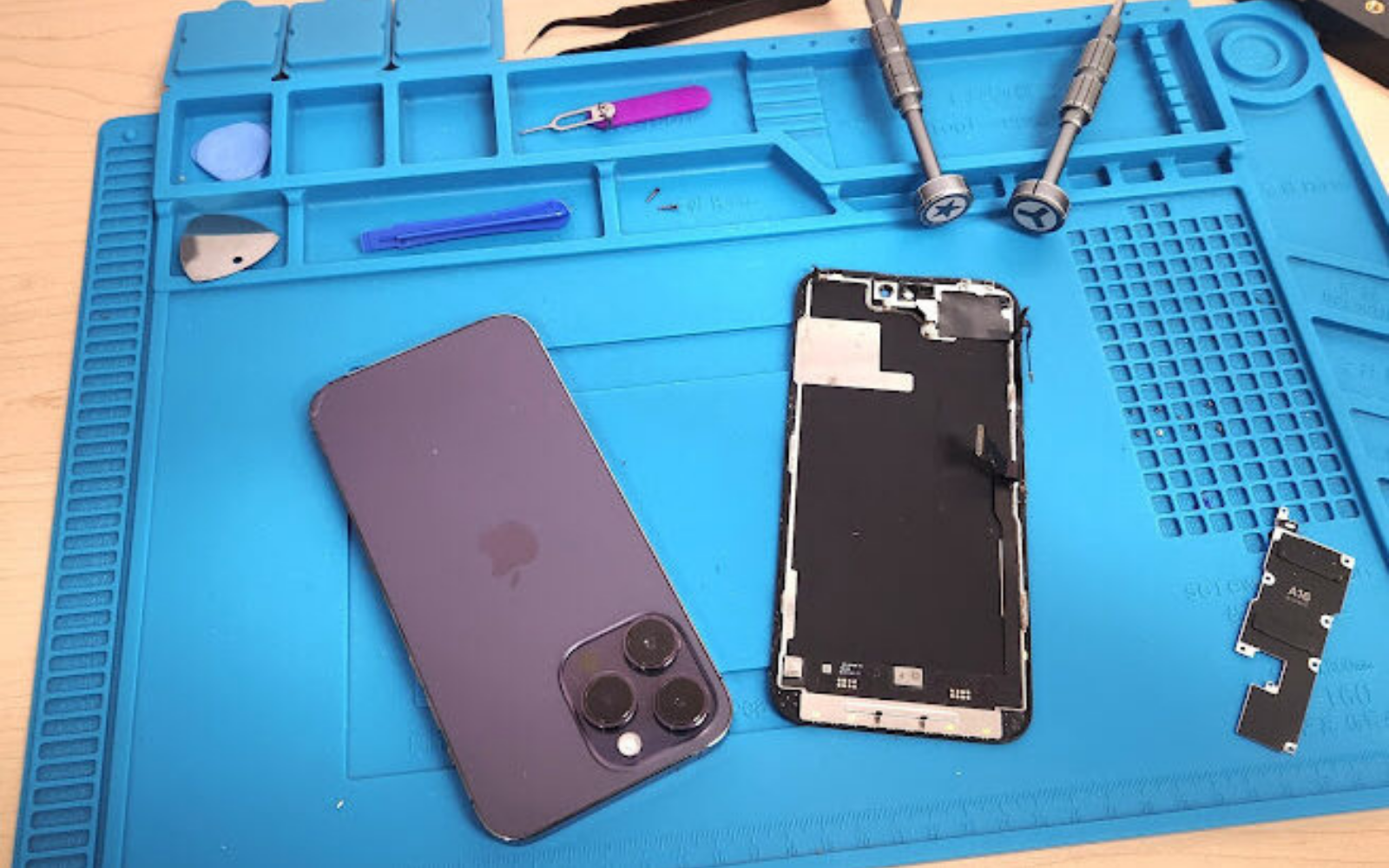
Adhesive is the cheapest line on the bench and the one most likely to cause a return. A screen that lifts three weeks after a repair is almost never a faulty panel; it is a bond that was never going to hold.
The difference between adhesives is not marketing. Tape, liquid adhesive, pre-cut gaskets and OCA each do a specific job, and using the wrong one for a job produces the failure mode that goes with it.
What is actually bonding a modern screen?
Different adhesives in different places.
The display panel is laminated to its glass with optically clear adhesive, which is permanent and part of the panel assembly. The finished assembly is then bonded to the frame with an adhesive gasket or a strip of tape, which is designed to be released and replaced.
Understanding that separation is what makes the consumable list manageable. A shop replacing a complete assembly only needs the frame adhesive; a shop separating panels also needs OCA and the equipment that goes with it.
Which adhesive types should a shop keep?
Pre-cut gaskets, plus a general tape.
Pre-cut adhesive matched to a specific model is the most reliable option: the shape is correct, the thickness is correct and it cannot be applied at the wrong width. A roll of general-purpose adhesive tape covers the models a shop does not hold gaskets for.
Liquid adhesive has a place on frames that have been reused and on repairs where a gasket is not available, but it demands more care. It is easy to apply too much, and the excess has to be cleaned before the panel goes down.
Why do gaskets matter more than tape alone?
Because they compress, and that is what seals.
A gasket is a shaped foam or rubber layer that compresses when the device is closed, filling the gap between the panel and the frame. That compression is what keeps water and dust out, and it is what plain tape does not provide.
Devices with a water-resistance rating rely on that seal, and the expectations after a repair are described in why replacement screens lift from the frame. A repair that uses tape in place of a gasket may look identical and will not behave the same.
How do you clean a frame properly?
Scrape, soften and wipe until nothing is left.
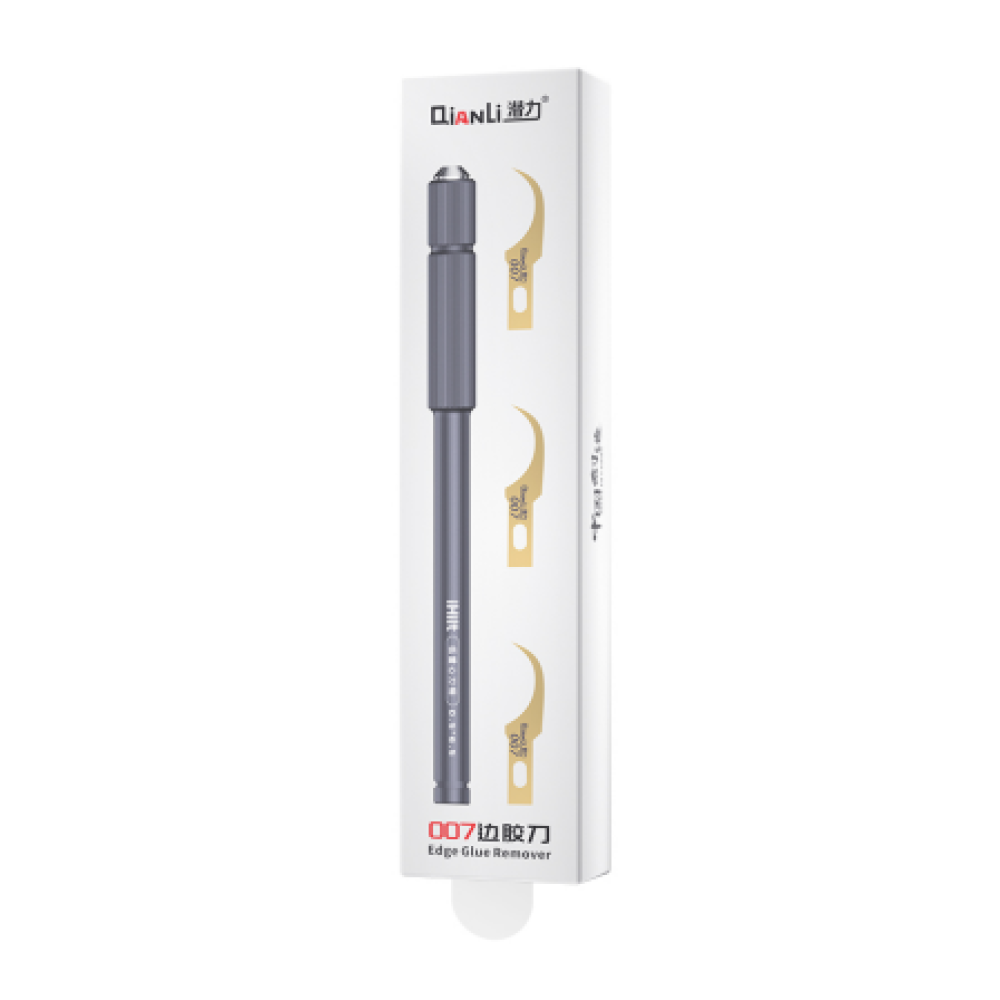
The old adhesive has to come off completely, including the residue that is invisible until a new panel will not sit flat. A plastic scraper lifts the bulk, a solvent softens what remains, and a lint-free wipe finishes the surface.
The check is visual and physical: the frame should be flat, clean and free of ridges. Running a finger along it slowly is more reliable than looking, because adhesive residue is easier to feel than to see.
What causes a bond to fail?
Residue, temperature and cure time.
Adhesive will not stick to a dirty surface, which is the most common cause. Heat applied during fitting can also break down the adhesive before it has held, and a device handed back while the bond is still curing will move enough to fail.
Cure time is the part customers do not understand. Telling them to leave the device undisturbed for a few hours is a reasonable request and prevents a failure that would otherwise be blamed on the part.
How do you store adhesives?
Cool, sealed and away from the bench.
Adhesive tape and gaskets lose tack over time, particularly in a warm workshop. Keeping them in a closed container away from the heat of the bench extends their useful life, and keeping them labelled means the right type is found quickly.
Opened packaging should be sealed rather than left open, and a written minimum keeps the common sizes in stock. That discipline is part of the consumable routine described in the consumables that decide your margin.
When is a frame-based assembly the better choice?
When the bond is the part of the job most likely to fail.
A complete assembly arrives with the panel already bonded to a new frame and the adhesive already applied, which removes the entire bonding step. On a model where that step is difficult, the assembly is often cheaper than the risk.
That decision is the one described in with-frame versus bare panel, and adhesive quality is one of the reasons it so often comes out in favour of the assembly.
What about OCA and panel work?
It is a different product with a different process.
Optically clear adhesive is the layer between a display panel and its glass, and it is applied under a laminating machine rather than by hand. It is not a substitute for frame adhesive and cannot be used as one.
Shops doing glass-only repairs need OCA in the correct thickness for the panel, plus the equipment to laminate it without bubbles. That workflow is described in what a FOG panel is and when to buy one.
What should be checked before the device goes back?
Panel flush, no light leak and no movement.
The panel should sit flat around its whole perimeter with no gap at any corner, and pressing gently should produce no movement. A light leak against a dark screen is the clearest sign that something is not seated.
Any movement means the bond is already compromised, and it is cheaper to lift and refit the panel now than to explain it to the customer later. That check takes seconds and belongs in the pre-seal routine.
How do you quote adhesive into the job?
Inside the labour rate, not as a visible line.
Adhesive is consumed on every repair, so it belongs in the price rather than on the invoice as a separate charge. Customers query a small line item and rarely object to a price that includes it.
The exception is where a customer is choosing between a bare panel and a complete assembly, because then the bonding work is a visible part of the difference. That comparison is worth making explicit, since it explains why the assembly costs more.
When does adhesive choice become a warranty issue?
When the failure traces back to the bond.
A panel that lifts, a screen that fills with dust or a device that lets water in are all outcomes of the adhesive and the seal rather than of the panel. Those claims are assessed on what was used, which is why the invoice should record the part and the method.
Retail customers keep their rights on the finished work under the Consumer Rights Act 2015, and a shop that used the correct consumable has a defensible position. One that used tape because the gasket had run out does not.
Adhesive thickness matters as much as adhesive type. A gasket that is too thin leaves a gap, one that is too thick holds the panel proud of the frame, and either produces a repair that is visible as well as unreliable. Pre-cut parts solve this by being the correct thickness already.
Where a general tape is used instead, applying consistent pressure across the whole panel is what produces an even bond. Rollers and clamps exist for that reason, and a repair that is pressed by hand in one place and not another will lift where it was not pressed.
Shelf life is the other variable. Adhesive stored in a warm workshop loses tack faster than the same product kept in a cupboard, so stock rotation matters more here than on parts that do not deteriorate.
The choice of adhesive follows the repair. A complete assembly needs frame adhesive or a gasket. A reused frame needs a gasket where one exists and a general tape where it does not. Panel work needs OCA and a laminating machine. A repair that reaches for whatever is nearest is the one that comes back.
Keeping those three categories physically separate on the shelf makes the choice automatic. A drawer with gaskets, a roll of tape and a box of OCA in different places is a shop that fits the right consumable without thinking about it.
When a bond fails and the repair has to be redone, the useful question is what the first attempt used rather than which part to try next. A second panel fitted the same way will lift again, and the customer will conclude that the shop’s work is unreliable rather than that one consumable was wrong.
Recording which adhesive and which gasket went into each job makes that question answerable in seconds. It is the same batch discipline that applies to parts, applied to the cheapest item on the bench.
What is the one habit that keeps bonds reliable?
Clean the frame until it is genuinely clean, every time.
The single biggest cause of a lifting screen is residue that was invisible under the old panel. Scraping, softening and wiping takes an extra minute and removes the failure that costs a second repair.
Around it sit the ordinary disciplines: pre-cut gaskets for common models, correct storage, cure time before handover and a record of what was used. Adhesives and gaskets that are discarded are waste under the Waste Electrical and Electronic Equipment Regulations 2013, parts placed on the market fall to the Office for Product Safety and Standards, the display behaviour a device reports is documented at about genuine iPhone displays, and the safety expectations around solvents on the bench are set out by the HSE at electrical safety.
FAQ
What adhesive should I use for a phone screen replacement?
A pre-cut gasket matched to the model is the most reliable choice, with a general-purpose adhesive tape as a fallback. On devices with a water-resistance rating, a gasket is what provides the seal and tape alone will not.
Why does a replacement screen lift after a repair?
Almost always because residue was left on the frame, so the adhesive never bonded properly. Heat during fitting and handing the device back before the bond has cured are the other common causes.
Can I reuse the original adhesive?
No. Frame adhesive and gaskets are one-use items that compress when the device is closed and cannot do so twice. Reusing them is the fastest way to produce a screen that lifts.
What is the difference between OCA and frame adhesive?
OCA bonds a display panel to its glass and is applied under a laminating machine; frame adhesive bonds the finished assembly to the device. They are different products for different steps and are not interchangeable.
Adhesives and gaskets that decide the seal. Digi4u supplies screen adhesive, gaskets and glue removal tools alongside the panels they fit.