


Laser or Hot Plate Separation: Cost and Risk for UK Shops
Need this part? We stock tested replacement parts with same-day UK dispatch and a 12-month warranty.
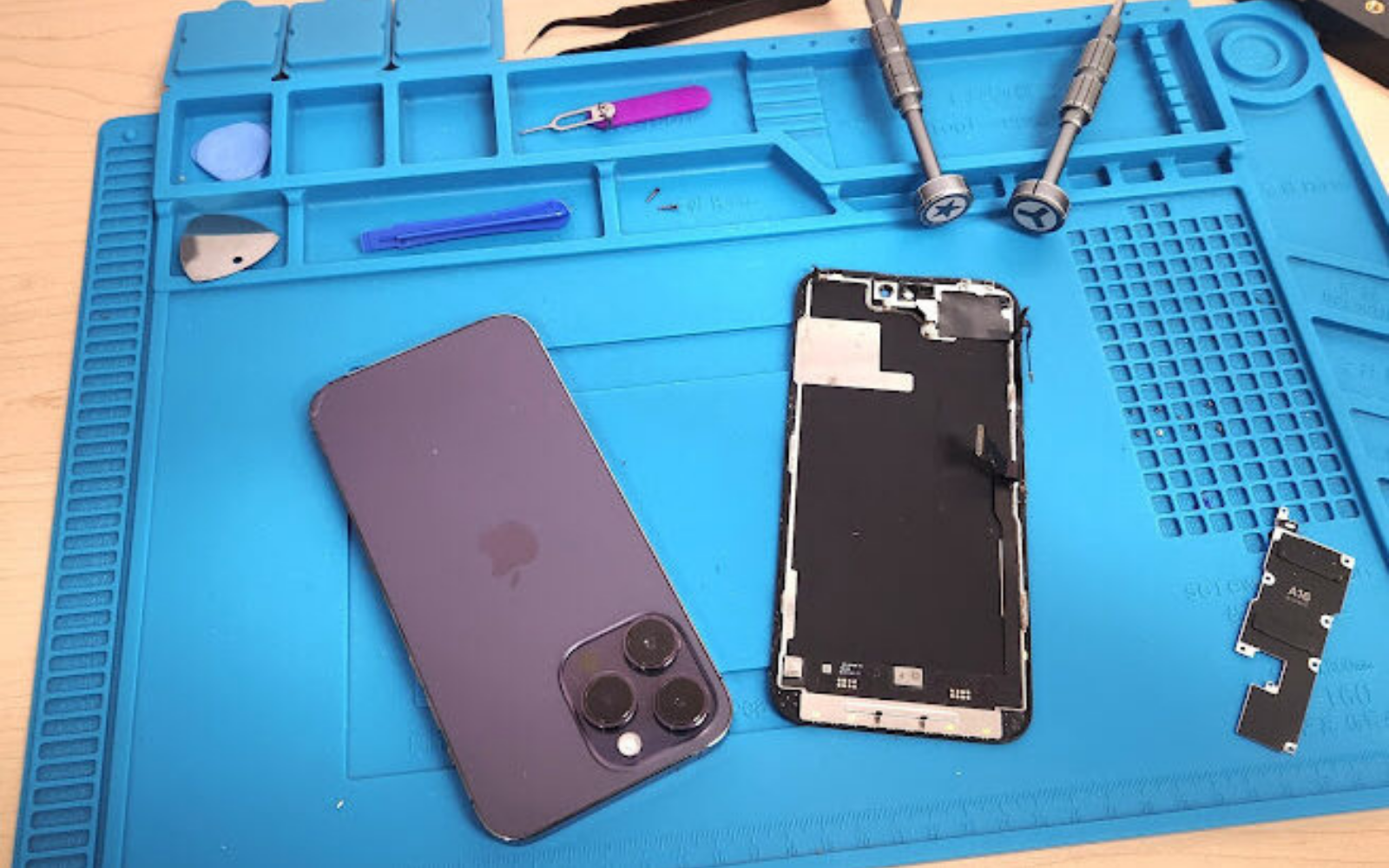
Laser separation and heated-plate separation do the same job by different means: they release an adhesive bond so glass can be lifted. The choice between them is less about which is better than about which the shop’s volume justifies.
The comparison that matters is cost per finished job, including the space, the extraction and the learning time each method requires. What follows is how the two compare on those terms.
What is the difference between the two methods?
One burns the adhesive; the other softens it.
A laser follows a preset path over the panel and destroys the adhesive layer along that line, leaving the glass loose enough to lift. A hot plate warms the assembly from below so the adhesive releases across the whole surface at once.
The practical difference is where the energy goes. The laser concentrates heat in a narrow line for a fraction of a second; the plate heats everything, including the battery on the other side of the panel. That single distinction drives every other trade-off between them.
Which is faster?
The laser, on back glass, by a wide margin.
A laser can release a rear panel in a couple of minutes once the path is set, and it does so without the operator holding a blade near a battery. The same job with heat takes considerably longer and involves more judgement about when the adhesive has released.
On display separation the difference narrows, because both methods are followed by cleaning and lamination. Where the laser wins is on rear glass, which is the job that most often makes a shop consider buying one.
What does each cost to run?
Capital on one side, time on the other.
A laser is a significant purchase, and the machine is only part of it: extraction, a designated area, eye protection and the electricity to run it all add to the total. A hot plate or heat mat costs a fraction of that and needs nothing beyond a bench.
The comparison that resolves the question is cost per job. A laser spread over fifty rear glass jobs a year costs a great deal per job; the same machine spread over five hundred costs very little, and the arithmetic changes completely.
There is also a consumable line on each side. A laser needs nothing per job beyond the electricity, while heat work consumes blades, adhesive remover, cleaning fluid and time. Those consumables are cheap individually, which is exactly why they are easy to forget when the two methods are compared on the purchase price alone.
What are the risks of each?
Heat reaches the battery; a laser can mark the frame.
Warming a rear panel means warming the cell underneath it, which is why a swollen battery rules the method out entirely. A laser avoids that exposure but can scorch a frame or damage a component if its path or power is set wrongly, and those faults are permanent.
Both methods need the device assessed first. A distorted frame decides whether the chassis is worth working on at all, and it is a reason to reconsider the job rather than the method. Where the frame has moved, the board is usually worth rescuing and the housing is not.
There is a training risk distinct from the hardware risk. A laser removes judgement from the process, so a setting that is wrong is wrong every time; heat demands judgement, so a technician who has not developed it will crack panels and scorch seals until they do. Both are manageable, and they fail in different ways.
Which devices suit which method?
Flat rear panels suit a laser; curved shapes suit heat.
A laser path is set for a specific panel shape, so a flat rear glass with a camera cut-out is the ideal case. Curved edges and irregular shapes are harder to cover with a preset path, and heat with hand tools often finishes the edges regardless of which method started the job.
That is why the two methods combine more often than they compete. The comparison between all three approaches, including hand tools, is set out in laser, heat or hand tools for rear glass.
What about the glass-only workflow as a whole?
Separation is one step of four.
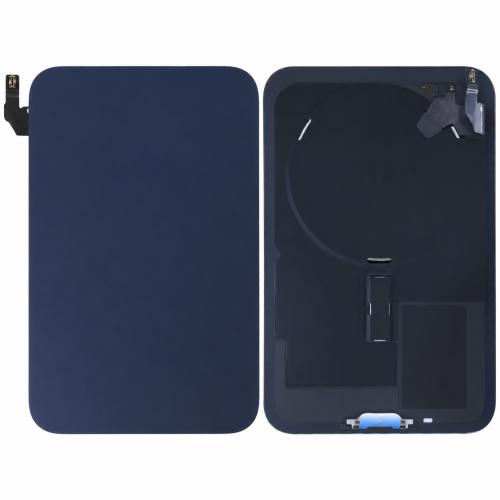
A shop separating panels also needs cleaning materials, a laminating machine and a pressure stage to finish the work. Buying a laser without the rest of that equipment leaves half a process, and the half that is missing is the one that makes the result usable.
That is why the decision should be made on the whole workflow rather than on one machine. The sequence and what each part contributes are described in what a FOG panel is and when to buy one.
How do you decide whether to buy a laser?
Count the rear glass jobs you turn away.
If a shop declines two or three rear glass repairs a month because the method is too slow or too risky, the case for a laser exists. If it declines none, the machine is a solution to a problem the business does not have yet.
The same test applies to any significant purchase, including the board-level equipment a shop buys later on. Buying for the work that is already arriving is what keeps equipment spending profitable, and it is the only rule that reliably survives a quiet quarter.
It is worth writing the numbers down before deciding. Count the rear glass jobs declined over the last quarter, multiply by the price the shop would have charged, and compare that figure with the machine and its running costs. A number produced that way is far easier to act on than an impression formed after a difficult week.
What space and safety does a laser need?
An enclosed area, extraction and eye protection.
Laser work produces smoke and a beam that must not reach anybody’s eyes, so the machine belongs in an enclosure or a dedicated corner with proper extraction. That requirement is part of the purchase, not an optional extra.
The risk assessment should be written before the machine arrives, and the safety expectations around the equipment are set out by the HSE at electrical safety and risk assessment at work. A shop that cannot give the machine that space should not buy one.
What does a hot plate need?
A bench, ventilation and a temperature probe.
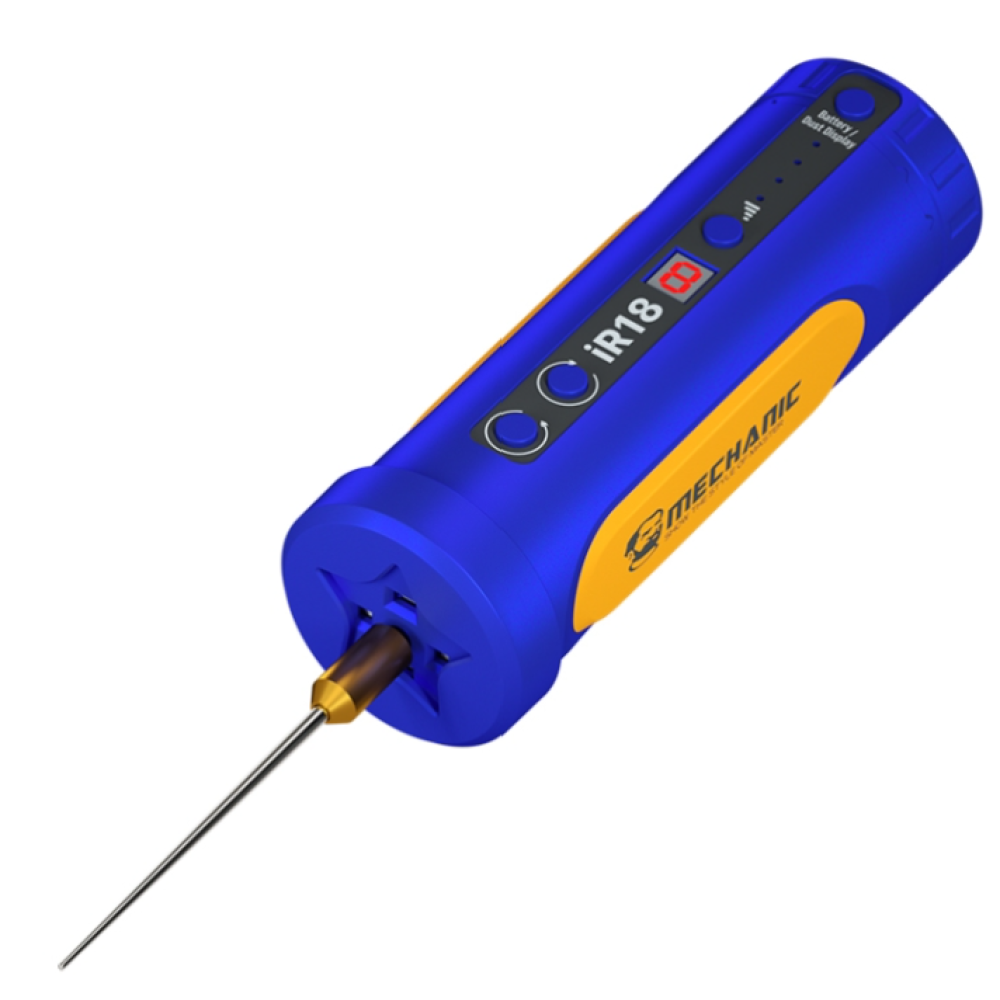
A heated plate needs far less infrastructure, which is its main advantage. It does need ventilation for the adhesive fumes it produces, and a probe or an infrared thermometer is worth having so the actual plate temperature is known rather than assumed.
The technique around it matters more than the equipment. Temperature control and patience are what make the method reliable, and the principles are the same ones described in what temperature to pre-heat to and why.
How do you train on either?
On panels and frames you were going to throw away.
Every shop accumulates cracked screens and damaged rear panels, and they are the ideal practice material for either method. Running a few through the process builds the judgement about when adhesive has released that no manual provides.
The failures are informative. A cracked panel points at uneven heat, a scorched frame points at a laser setting, and residual adhesive points at the cleaning stage. Each tells the technician where the process went wrong.
Practising with the materials the shop actually buys helps as well. Running a few scrap assemblies that match the models most often repaired builds judgement on the panels the shop will see every week, rather than on shapes it will never encounter again.
When should you keep sending the work out?
When the volume does not justify the equipment.
A shop doing occasional rear glass work is better served buying completed assemblies or referring the job than investing in a machine it will use twice a month. The customer gets a working device either way, and the shop avoids capital it cannot amortise.
That is a legitimate commercial position rather than a limitation, and it is consistent with the wider policy of taking on work the bench can warrant, described in building a decline policy.
There is a middle route that shops often overlook. Buying in completed rear assemblies, or using a trade partner for the separation step, keeps the repair in-house for the customer while avoiding the capital. The margin is thinner on each job, and nothing sits idle on a bench between them.
That approach also keeps the option open. A shop that refers rear glass work for a year learns how much of it actually arrives, and if the volume turns out to be steady, the decision to buy a machine can be made on real figures rather than on a projection.
What is the one rule for choosing between them?
Buy the method the work has already paid for.
Heat first, because it costs little and covers most jobs; a laser when rear glass work is regular enough that consistency and turnaround matter more than capital cost. That sequence keeps the shop profitable at every stage.
Around it sit the ordinary disciplines: practise on scrap, assess the battery before applying any heat, write the risk assessment before the machine arrives and record what was done. Replaced panels and glass are waste under the Waste Electrical and Electronic Equipment Regulations 2013, equipment placed on the market falls to the Office for Product Safety and Standards, and retail customers keep their rights on the finished work under the Consumer Rights Act 2015.
FAQ
Is a laser better than a hot plate for screen separation?
They do different jobs well. A laser is faster and safer for rear glass because it applies heat locally, while a hot plate costs far less and handles display separation with more technique required from the operator.
How much does a laser separation machine cost a repair shop?
The machine is only part of the cost, because extraction, a designated area and eye protection are all required. Judge it as cost per finished job against the number of rear glass repairs you would otherwise decline.
Do I need a laser for back glass repairs?
No. Heat and hand tools remove rear glass perfectly well, and most small shops start there because the equipment is already on the bench. A laser becomes worthwhile when rear glass work is regular.
What safety equipment does laser work require?
An enclosure or dedicated area, proper extraction for the smoke and eye protection for anyone in the room. The risk assessment should be written before the machine arrives rather than after.
Heat equipment for the work you actually take on. Digi4u supplies separators, hot plates and the consumables that go with them, on trade terms.