


Google Pixel Battery Replacement Parts UK: Fit Codes, Adhesive and Shipping
Need this part? We stock tested replacement parts with same-day UK dispatch and a 12-month warranty.
Buying Google Pixel battery replacement parts UK repair businesses can use profitably starts with fit identification, not the largest capacity number on a listing. A dependable purchasing process connects the exact handset variant to the battery code, adhesive layout, connector geometry and safe delivery method. That discipline matters for Android shops because a nearly correct cell can consume bench time, hold up a screen job and create avoidable return handling.
Matching Pixel battery SKUs without guessing from mAh marketing
A Pixel battery should be selected by model identity, physical fit and connector specification rather than capacity claims alone. Two packs can show similar nominal capacity while differing in outline, flex position, connector, controller behaviour or adhesive arrangement.
Start with the customer device’s Settings information where it is available, then confirm the model marking and compare the removed pack against the proposed listing. Keep separate internal SKUs for closely named handsets such as Pixel 8, Pixel 8 Pro and Pixel 8a. The suffix is not an optional detail: an “a” model is a distinct repair platform.
A useful goods-in record captures the supplier SKU, stated compatible model, visible battery code, connector orientation and the date received. Product photographs can support identification, but a photograph should not override a conflicting fit code. For current choices, the Digi4u Google Pixel parts hub gives purchasing teams a model-led starting point.
| Check | Evidence to record | Why it matters at the bench |
|---|---|---|
| Device identity | Full commercial name and model marking | Prevents base, Pro, Fold and “a” variants being merged |
| Pack identity | Printed code, voltage and connector position | Provides stronger evidence than a capacity headline |
| Physical layout | Outline, flex length, fold direction and locating features | Reduces forced routing and connector strain |
| Listing scope | Explicit compatibility and included adhesive | Stops assumptions about consumables or cross-generation fit |
This approach applies equally when a buyer searches for a Pixel 8 battery part, a Pixel 7a battery UK listing or a newer pack. Capacity remains a specification to review, but it is not a substitute for compatibility evidence. Shops should also keep the customer’s original pack isolated and labelled until the repair passes testing.
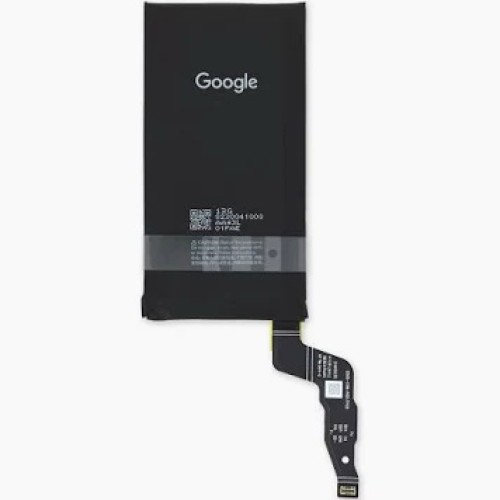
Adhesive pull patterns across Pixel 6–9 generations
Battery adhesive is a model-specific service item rather than a generic strip added at the end of ordering. Across Pixel 6–9 generation devices, access routes, pull-tab presentation and available clearance vary enough that technicians should consult the relevant procedure before opening a handset.
A pixel battery adhesive sheet should match the cell footprint without covering the flex, connector area, thermal interfaces or intended pull path. Before installation, the frame needs to be free from old adhesive and loose debris. A trial placement with the release liner intact helps confirm orientation; once pressure-sensitive adhesive is committed, repositioning can deform the pack or weaken the bond.
Technicians should never use a metal tool to stab or lever a lithium-ion pouch. If a pull tab stretches or tears, the repair should move to the controlled alternative in the applicable service procedure. Google’s official Pixel self-repair guidance points repairers towards model-specific manuals and appropriate safety precautions. A shop SOP can translate that information into a repeatable bench sequence:
- Confirm the exact model and read its current repair procedure.
- Discharge the device as directed, power it down and prepare appropriate PPE and containment.
- Identify every adhesive pull direction before applying force.
- Clean and inspect the battery well, then dry-fit the new cell and adhesive.
- Complete electrical testing before the enclosure is finally sealed.
Do not improvise with stacked tape, liquid glue or an oversized universal sheet. These can change the cell’s seating height, make later service less predictable and place pressure where the handset design did not intend it.
Health UI honesty after aftermarket cells
A successful replacement does not guarantee that every battery-health screen, diagnostic label or service message will behave as it did with the factory-installed component. Shops should separate three outcomes in their customer communication: the device powers and charges correctly, measured runtime improves, and the operating system reports the replacement without a warning.
Those outcomes can overlap, but they are not identical. Software versions and device-specific parts pairing may affect what the user sees. Before quoting, the intake note should state that a compatible aftermarket cell may restore function while some health information or service messaging can remain limited. After fitting, record charging response, temperature behaviour, restart stability and a controlled discharge observation rather than promising a particular menu result.
For diagnostic or update questions, use Google Pixel Phone Help as the first external reference. Clear wording protects trust: it reports what the technician verified without representing an on-screen percentage as a laboratory capacity test.
UK DPD lithium rules for standalone packs
Standalone lithium batteries and power banks ordered from Digi4u are sent by DPD, not Royal Mail. Purchasing teams should therefore plan replenishment around the eligible courier route and destination zone instead of treating a battery line like a screen or cable.
Digi4u’s delivery policy is the appropriate live reference for cut-offs, services, zones and thresholds. It states same-day dispatch for orders placed before 4:00 PM Monday–Friday; weekend orders and orders after 4:00 PM Friday move to the next working day. Shops should check that page when ordering rather than embedding old carriage assumptions in a purchasing spreadsheet.
The wider compliance context also matters. The UK Government publishes product-safety guidance for businesses and separate guidance on placing manufactured goods on the Great Britain market. These sources do not replace the courier’s acceptance terms, but they help a business understand its broader responsibilities. For standards research, buyers can also consult BSI.
For a shop trying to buy Pixel battery UK repair supplies, the practical rule is simple: keep standalone cells in the correct shipping workflow, allow for zone-dependent service, and never promise a customer turnaround before the parcel is received and inspected.
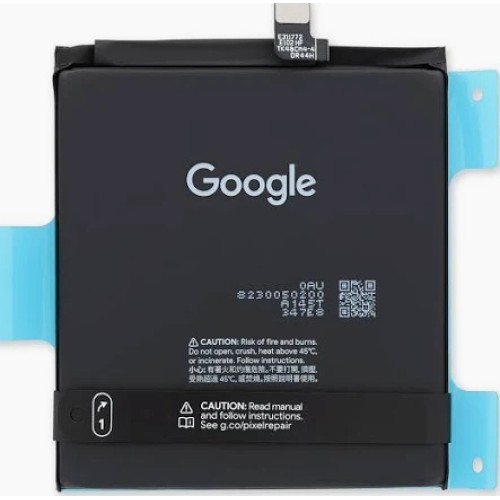
QC swell and connector checks on arrival
Arrival inspection should happen before a battery is assigned to a repair, because shipping damage, pouch distortion and connector faults are easier to manage while the pack and order records remain together. Quarantine any suspect unit; do not press a swollen pouch flat or connect it merely to see whether it works.
Use a non-conductive inspection area and compare each pack with the listing and purchase record. Look for swelling, dents, creases, tears, electrolyte odour, corrosion, contaminated contacts, damaged insulation and a flex that is folded or strained incorrectly. Confirm that the connector housing is square and that its contact area is clean. If the cell looks abnormal, isolate it according to the business’s battery safety procedure and contact the supplier through the documented order channel.
A concise incoming checklist helps different staff reach the same decision:
- Match the delivery label and supplier SKU to the purchase order.
- Verify model, printed pack code and visible electrical markings.
- Inspect both faces under raking light for swelling or impact damage.
- Check flex alignment, insulation and connector geometry without energising the pack.
- Photograph and quarantine exceptions before removing protective materials.
Goods-in acceptance is not the final test. The technician should still dry-fit, connect without forcing, monitor initial charging and complete functional checks before sealing the phone. Consumer complaints and product concerns can also be understood through the Chartered Trading Standards Institute consumer guidance.
Stock mix: which Pixel years still walk in
A balanced Pixel battery wholesale range follows the shop’s actual repair intake, not the newest launch calendar. Pixel 6, 7 and 8 families may remain relevant alongside Pixel 9 because battery wear appears later in a device’s life, while accidental screen work creates opportunities to combine jobs.
Export twelve months of estimates and completed repairs, then group them by exact model family. Track enquiries as well as completed jobs: a low completion rate can indicate missing parts rather than low demand. Apply separate reorder logic to base, Pro, “a” and Fold devices. A small shop may prefer narrower coverage with faster replenishment, while a multi-bench operation may justify more variants to avoid splitting a screen-and-battery repair across deliveries.
| Demand signal | Purchasing response | Control |
|---|---|---|
| Repeated battery-only enquiries | Review model-specific coverage | Count exact variants, not just “Pixel” |
| Screen jobs with weak batteries | Consider paired replenishment | Obtain customer approval before adding work |
| Occasional older model | Use supplier availability rather than deep holding | Set realistic lead time |
| New generation demand | Add only after fit data and intake support it | Avoid substituting adjacent generations |
Keep a record of write-offs, returns and packs that aged without use. That turns stocking into a margin and service-level decision rather than a catalogue-completeness exercise. Digi4u has supplied replacement parts, repair tools and tech accessories from Cardiff to individual customers and professional repair businesses across the UK since 2011, but each shop still needs its own evidence-led mix.
Linking battery buying to Pixel screen stocking strategy
Battery purchasing works best beside the screen plan because the two jobs often share model identification, opening risk and enclosure consumables. The link is operational rather than a reason to replace extra parts: every additional task still needs diagnosis and customer consent.
Use one model matrix for screens, batteries, display adhesive and battery adhesive. This exposes gaps such as a screen held for Pixel 8a while only a Pixel 8 battery is on hand. It also makes training clearer: technicians can see which models open through the display, which consumables are single-use and which post-repair tests belong to the combined job.
The companion guide to Google Pixel screen parts stocking covers that side of the range. Cross-reference it with battery intake data, then set review dates around actual walk-ins rather than launch publicity.
Conclusion
The strongest Pixel battery purchasing process is conservative and traceable. It matches the complete model and pack code, treats adhesive as a fit-critical component, explains software reporting honestly, uses the correct lithium delivery route and inspects each cell before bench allocation.
For Android repair shops, that process is more valuable than a broad claim about capacity or compatibility. It reduces wrong-part handling, gives technicians clearer evidence and lets purchasing respond to the Pixel generations that customers actually bring through the door.
Review model-led options on the Digi4u Google Pixel parts page and confirm battery delivery requirements before ordering.
FAQ
Can a Pixel 8a battery be used in a Pixel 8?
No. Pixel 8a and Pixel 8 are separate repair platforms, so a shop should not substitute a pack because the model names or stated capacities look similar. Match the exact handset identity, battery code, outline, flex position and connector against the listing and removed part. Order the correct model-specific adhesive at the same time.
Should a replacement Pixel battery show full health information?
Not necessarily. A compatible replacement may power, charge and deliver improved runtime while the operating system shows limited health information or a service message. Behaviour can depend on the model and software. The repair report should distinguish verified electrical function from the user interface and should not promise a particular percentage display before testing.
How are standalone Pixel batteries shipped by Digi4u in the UK?
Digi4u’s delivery policy states that standalone lithium batteries and power banks are sent by DPD rather than Royal Mail. Service, cost, thresholds and timing can depend on the destination zone and chosen option. Buyers should consult the live delivery-policy page before ordering and avoid committing to a repair deadline until the parcel has arrived and passed inspection.
What should a shop check when a Pixel battery arrives?
Check the supplier SKU, compatible model, printed pack code, electrical markings, pouch shape, insulation, flex alignment and connector geometry. Look for swelling, dents, creases, tears, corrosion, odour or contamination. Photograph and quarantine any suspect pack without connecting, flattening or puncturing it, then raise the issue through the supplier’s documented order channel.