


iPhone SE Screen and Battery Parts UK: 2020/2022 Fit Notes for Volume Shops
Need this part? We stock tested replacement parts with same-day UK dispatch and a 12-month warranty.
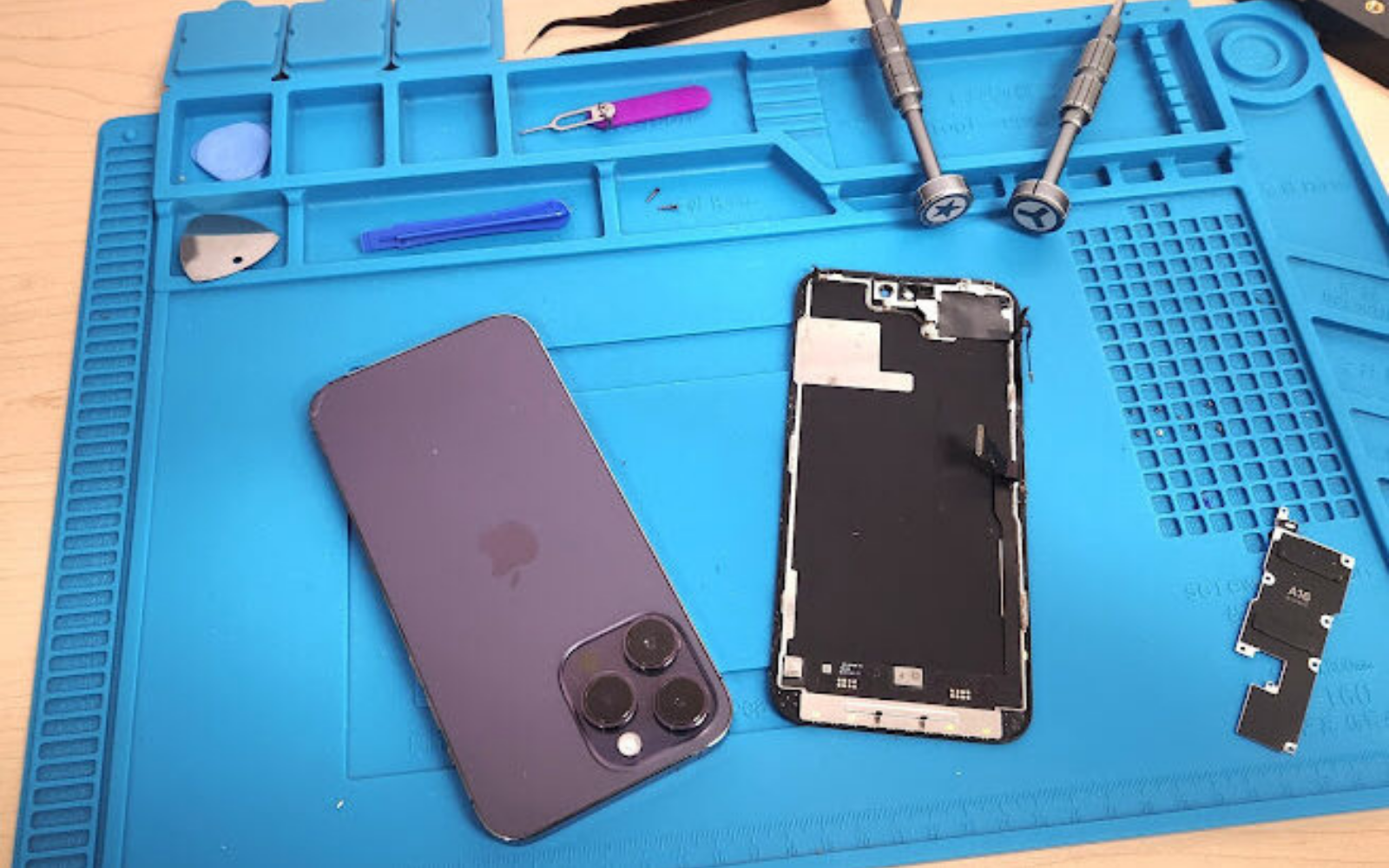
Selecting iPhone SE screen replacement parts UK repair businesses can order repeatedly is less about treating every SE as one model and more about controlling identification, screen grade, battery fit and customer messaging. For volume shops, a disciplined 2020/2022 stocking system reduces bench-side uncertainty while keeping familiar, price-sensitive repairs commercially workable.
Why does the SE still drive UK walk-in volume?
The SE remains relevant because a familiar chassis, physical Home button and long service life keep repair enquiries circulating.
For repair shops, that continuing demand makes model identification and repeatable parts selection more valuable than maintaining an oversized range of loosely labelled “SE-compatible” stock.
The second- and third-generation SE models look similar from the front, and both attract the sort of screen and battery enquiries that can be processed efficiently by an experienced bench. Their owners may be weighing repair against replacement, so the buying decision often depends on a clear explanation of part grade, likely device behaviour and turnaround rather than a feature-heavy sales pitch.
That similarity is also the operational risk. “iPhone SE” is not a sufficient purchasing or booking description. The intake record should capture the generation, model identifier where available, colour, reported fault and any previous repair history. A shop looking to buy iPhone SE screen UK stock should organise purchasing data in the same way: exact model first, component type second, supplier listing and batch third.
Digi4u has supplied replacement parts, repair tools and tech accessories to UK customers and professional repair businesses since 2011. Its iPhone SE parts category provides a practical starting point, while the shop remains responsible for matching the listing to the handset on the bench.
2020 vs 2022 screen and battery fit matrix
SE 2020 and SE 2022 should be treated as separate models at purchasing, receiving and shelf-bin stages.
The shared external design can make screen planning appear simple, but battery listings and software-facing behaviour require an exact model check before a technician opens the device.
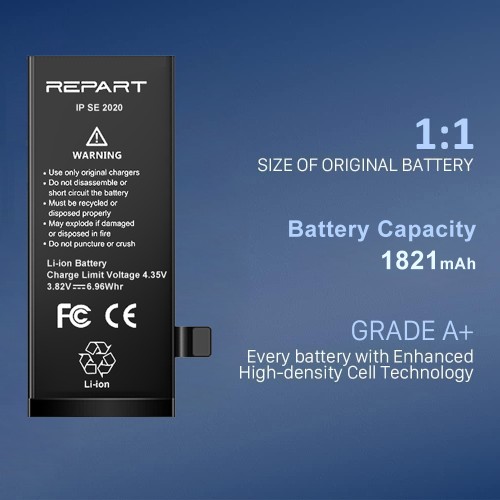
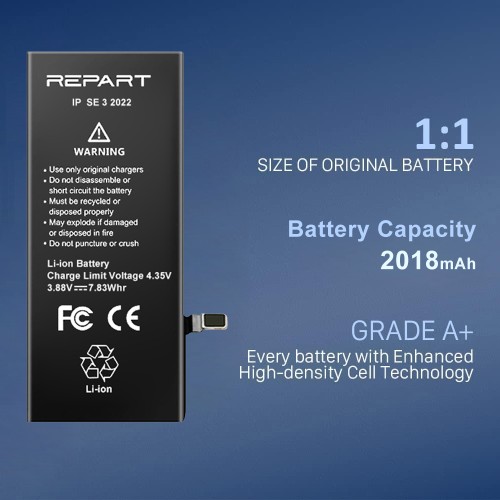
A fit matrix should be a control document, not a promise that every part sharing a chassis description is interchangeable. Supplier listings, flex layout, connector positioning, panel quality and test results remain decisive. For screens, some listings may explicitly cover more than one compatible model family; the team should follow the precise listing rather than extrapolate from appearance. For batteries, select the generation-specific product.
| Buying check | iPhone SE 2020 | iPhone SE 2022 | Shop control |
|---|---|---|---|
| Booking identity | Record as SE 2020 / second generation | Record as SE 2022 / third generation | Do not shorten either record to “SE” |
| Display purchase | Use only a listing that names the model or its stated compatible family | Use only a listing that names the model or its stated compatible family | Check grade, connector condition and test policy |
| Battery purchase | Select an SE 2020-specific cell listing | Select an SE 2022-specific cell listing | Keep generation-specific bins and labels |
| Home button | Transfer and protect the original assembly where the repair plan requires it | Transfer and protect the original assembly where the repair plan requires it | Explain Touch ID limitations before work |
| Close-up materials | Order model-matched adhesive | Order model-matched adhesive | Do not describe a repaired device as factory sealed |
The key SE 2020 vs 2022 part differences are therefore managed through listing-level compatibility, especially for batteries, rather than visual assumptions. Apple’s iPhone support resources can help teams locate official model and service information, while a supplier page remains the source for the individual replacement part’s stated fit.
Home button and Touch ID expectations after glass work
Touch ID continuity depends on preserving the device’s paired original Home button assembly, not merely fitting another button.
The team should state this at booking, inspect the original assembly and flex before quoting confidently, and record any pre-existing Home button or biometric fault.
This is one of the most important iPhone SE Home button Touch ID notes for a commercial intake process. A display replacement usually requires careful transfer of parts from the original screen assembly. Damage to the original button, its flex or associated connections can change the outcome. A generic replacement button may provide limited navigation behaviour depending on the part and repair context, but it should not be sold as restoring the original paired Touch ID function.
Pre-repair testing should cover display image, touch response, Home button input and fingerprint recognition where the customer can authorise a test. Photographing obvious previous damage and logging the test result separates an incoming fault from a repair-stage issue. After fitting, the same test sequence should be repeated before final adhesion and again before handover.
Apple’s guidance on iPhone parts and service history is useful context for how customers may see repair information in iOS. Shops should describe what they have fitted accurately and avoid suggesting that a third-party repair will reproduce every software message or calibration outcome of an Apple service route.
LCD economics versus labour time
An economical LCD only works commercially when its incoming quality and test performance protect technician time.
Volume buyers should compare landed component cost with inspection, fitting risk, returns handling and the cost of reopening a device, not judge a display by unit price alone.
The SE’s LCD-based design gives shops a familiar replacement category, but grades can differ in brightness, colour, touch response, viewing angle, frame finish and general consistency. A buying sheet should define which grade is offered at each customer-facing price point and which checks a part must pass before installation. Digi4u’s guide to iPhone screen grades gives broader purchasing context without turning this article into a consumer tear-down guide.
| Cost factor | What to measure | Why it matters |
|---|---|---|
| Incoming inspection | Frame, flexes, connector, glass and protective film | Visible defects are cheaper to isolate before fitting |
| Pre-seal test | Image, brightness, touch grid and button-related functions | Fault isolation is easier while the device remains open |
| Technician handling | Transfer time and alignment consistency | Small delays compound across weekly volume |
| Rework exposure | Repeat opening, replacement adhesive and customer contact | A low purchase price can be erased by one return visit |
Batch tracking makes this comparison evidence-led. Record the supplier reference, delivery batch, technician, outcome and any return reason. Over time, the shop can distinguish a one-off fitting issue from a repeatable quality pattern and adjust purchasing without relying on anecdote.
Adhesive and seal kits to stock with SE screens
Every planned SE screen job should have a model-matched display adhesive and the required cleaning materials allocated with the screen.
Bundling these consumables at goods-in prevents a completed display test from stalling because a low-cost closure item is missing from the bench.
A useful screen kit includes the selected display, correct perimeter adhesive, suitable cleaning consumables and any workshop-approved small parts needed for the shop’s documented process. Adhesive should be stored flat and clearly separated by model. The technician should remove old residue carefully, check the enclosure for distortion and make sure no loose material interferes with seating.
A fresh seal supports a clean closure, but a shop should not promise that opening and repairing a phone preserves its original water-resistance rating. Enclosure damage, surface preparation, adhesive quality and installation conditions all affect the result. That distinction belongs in staff scripts as well as terms of service.
For procurement governance, UK businesses can consult GOV.UK guidance on product safety for businesses, the official guidance on placing manufactured goods on the Great Britain market, and information from the British Standards Institution. These resources do not replace part-specific checks, but they help purchasing teams frame supplier due diligence and product records.
Battery health messaging on aftermarket SE cells
An aftermarket battery can be the correct physical purchase while iOS still presents battery-health or verification messaging.
Customer communication should separate cell fit and tested performance from the software information the handset may display after a non-Apple repair.
For an iPhone SE 2022 battery part or an SE 2020 cell, the buying workflow begins with exact generation matching. Receiving checks should cover the listing, labelling, visible condition and safe storage under the shop’s battery procedures. Bench testing and handover language should then follow a consistent script: what was replaced, what was tested, and what the customer may see in Settings.
Battery-health percentage, service messages and parts-history entries are software-facing outcomes; they should not be guessed before the repair. The shop should avoid promising a particular percentage display unless its chosen process and the individual device have been verified. This protects the customer conversation from being reduced to a screenshot while keeping the repair description accurate.
Battery purchasing also calls for a stronger safety and logistics check than an ordinary screen order. Damaged, swollen or suspect cells need isolation and handling under an appropriate shop procedure. General consumer-protection and business-practice resources from the Chartered Trading Standards Institute can support internal compliance awareness, alongside the applicable legal and specialist guidance.
UK dispatch notes for SE SKUs
Screen and battery replenishment should be planned around both the order cut-off and the different carrier rules for standalone lithium batteries.
Digi4u states same-day dispatch before 4:00 PM Monday to Friday, while weekend orders and orders after 4:00 PM Friday move on the next working day.
For volume shops, that cut-off is best treated as a purchasing control rather than a guaranteed repair completion time. Set internal reorder points using normal consumption, recent fault mix and a buffer for testing or rework. Place screen-only and battery-containing orders with the delivery method in mind: Digi4u states that standalone lithium batteries and power banks travel by DPD rather than Royal Mail.
Delivery price, threshold, zone and next-day availability can depend on the chosen method and destination. Digi4u separates mainland UK from Highlands, islands and other listed destinations, so teams should review the current delivery policy when planning an urgent order rather than hard-coding carriage assumptions into a job quote.
A practical reorder record contains the exact model, part category, grade or supplier reference, average usage, order date and expected carrier. Keeping SE 2020 and SE 2022 batteries on different lines is especially important. For businesses searching for iPhone SE parts wholesale UK supply, repeatability comes from disciplined records and verified listings, not from treating a shared model name as proof of interchangeability.
Conclusion
Profitable SE work depends on small controls applied consistently: identify 2020 or 2022 at intake, purchase against an exact listing, preserve the original Home button assembly, test screens before sealing, pair displays with closure consumables and explain battery-health messaging before handover. That approach allows a volume shop to combine screen and battery buying without confusing two generations or overpromising the software result.
The strongest supplier evaluation also considers technician time, batch traceability, carrier restrictions and access to clear compatibility information. Unit cost remains relevant, but it sits inside a wider repair outcome that includes testing, customer expectations and avoidable rework.
Review the Digi4u iPhone SE range and match each listing to the model recorded by your team.
FAQ
Are iPhone SE 2020 and SE 2022 screens interchangeable?
Some supplier listings may state compatibility across more than one related model, but a shop should not infer interchangeability from appearance alone. Match the exact handset to the listing, inspect connector and frame details, and test the display fully before final adhesion.
Will Touch ID work after an iPhone SE screen replacement?
Touch ID can remain available when the device’s paired original Home button assembly is undamaged and transferred correctly. A replacement Home button should not be presented as restoring the original paired biometric function. Test and record Touch ID before and after the repair.
What should a shop tell customers about battery health after an SE battery repair?
Explain that physical fit, tested battery performance and the information shown by iOS are separate matters. Aftermarket repairs may produce battery-health, verification or parts-history messaging. State what was fitted and tested, without promising a particular percentage or software display in advance.
How should volume shops separate SE 2020 and SE 2022 battery stock?
Use generation-specific purchasing lines, shelf bins and job records, even though the phones look similar. Scan or record the supplier reference at goods-in and again at the bench. This creates traceability and reduces selection errors during busy intake periods.