


iPhone 7 Screen Replacement Guide
Need this part? We stock tested replacement parts with same-day UK dispatch and a 12-month warranty.
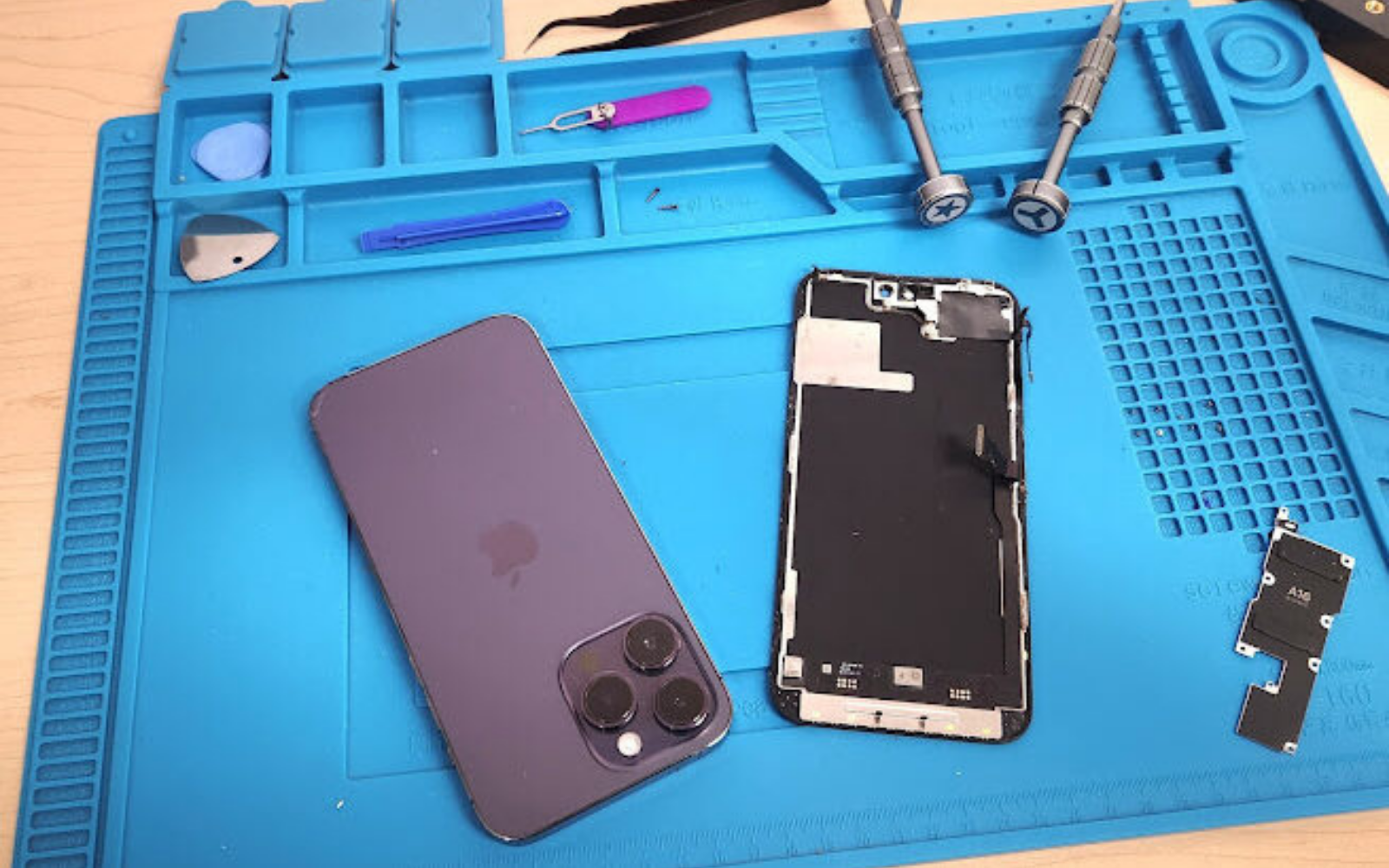
The iPhone 7 screen replacement is one of the classic starter repairs in the UK, but it has one model-specific trap: the “stage light” fault, where the top of the display flickers or shows a washed-out image. A full LCD assembly replacement fixes it. Digi4u stocks tested iPhone 7 screens and the tools UK repair shops use.
Last updated: August 2026 ¡¤ Reviewed by the Digi4u repair team.
About this guide: based on hands-on bench testing and repair experience; confirm model specifications with the supplier before ordering.
Screen types that fit the iPhone 7
The iPhone 7 uses a 4.7-inch LCD panel, and replacements come in original-pulled, refurbished and aftermarket grades. The 7 does not support True Tone, so the panel does not need True Tone calibration.
| Grade | What it is | Best for |
|---|---|---|
| Original pulled | Screen removed from a genuine iPhone 7 | Quality-focused budget repairs |
| Refurbished | Original panel with new glass | Everyday volume |
| Aftermarket | Newly made LCD panel | Cheapest option |
Do not fit an iPhone 8 screen to a 7: the home-button flex and connector layouts differ, and the 8 supports True Tone while the 7 does not. Confirm the model before ordering.
The iPhone 7 “stage light” screen fault
The stage-light fault shows flickering or a washed-out top half of the display and is a known iPhone 7 panel issue. The top half of the screen dims, brightens or shows a grey gradient, and it usually gets worse over time.
This is a panel fault rather than a board fault in most cases, so a full screen replacement is the standard fix. Diagnose it by comparing the top and bottom halves of the display on a white screen. If the fault appears only at certain brightness levels, confirm the flex seating and the connectors before replacing the panel, because an audio IC or board issue can produce similar symptoms.
Why the original home button matters for Touch ID
The home button is paired to the phone, so Touch ID only works with the original button. A generic button from a screen kit may click but will never unlock Touch ID.
The iPhone 7’s home button is solid-state and connects through a flex, so handle it gently and avoid cutting its flex when opening. Transfer the original button to the new screen, keep it clean and aligned, and test Touch ID before sealing. This single step is the most common cause of Touch ID failure after screen replacement on the 7.
Is iPhone 7 screen repair still worth it?
Yes for most owners, because the phone still handles calls, messages and light apps, and the repair is one of the cheapest screen jobs available. The value depends on the battery and the phone’s overall condition.
Check the battery health before quoting, because an old battery on an old phone often needs replacing in the same visit. Ask whether the home button and Touch ID worked before the damage, and note it, because a pre-existing button fault will not be fixed by the screen repair.
The check-in checklist for an iPhone 7 repair
Before quoting an iPhone 7 screen repair, check the stage-light symptom, the home-button and Touch ID status, the battery health, and the rear housing. These four checks set the repair price and the customer’s expectations.
Ask the customer whether the top of the screen flickers, because the stage-light fault is a panel issue that the replacement will fix, and the answer changes the diagnosis. Ask whether Touch ID worked before the damage and note it, because a pre-existing button fault will not be restored by the screen repair. Check the battery health and the Lightning port, because an old battery often needs replacing in the same visit. Look at the rear housing for dents, because a bent frame can stop the new screen sitting flat. Shops can order iPhone 7 screens at Digi4u.
These four checks take two minutes at check-in and prevent most of the disputes that cost shops money on the 7. A customer who knows upfront that Touch ID may not survive is far less likely to complain afterwards.
The stage-light fault deserves a proper bench test: set the display to full white at 50% brightness and watch the top half for flicker or a washed gradient for a minute. If the fault appears, the panel is the cause; if it does not, test at low brightness and with auto-brightness off.
The home-button question at check-in is the second discipline: ask whether Touch ID worked before the damage, and note the answer, because a pre-existing fault will not be fixed by the screen repair. The iPhone 7’s battery is another easy add-on: most 7 owners who crack a screen in 2026 are close to a battery replacement, so the health check is a service, not an offer the higher grade.
For stock, keep the 7 as a budget LCD line and do not confuse it with the 8: the parts look alike but the connectors and True Tone support differ, so label every box with the model. The 7 is also the classic practice repair, because the process is short, the parts are cheap, and the home-button lesson transfers directly to more complex repairs.
The 7’s audio issues are a separate fault from the screen, so test the speaker and microphone with the screen quote, because customers often bundle a speaker check into the same visit.
Keep a known-good 7 screen as a reference part, because a board fault can mimic a dead panel on this generation. Photograph the phone before and after the repair, because the evidence settles any dispute about the screen grade or the home button.
When the stage-light fault is present, tell the customer the panel is the cause and the replacement fixes it, because the symptom is well known and a confident diagnosis builds trust.
A two-minute check-in check on the 7 – stage-light symptom, home button, battery health, housing – prevents most of the disputes that cost shops money.
Offer a screen-and-battery bundle, because 7 owners who fix the screen often need the battery within the same year.
The standard process
The standard screen replacement opens from the display side: isolate power first, release the flexes, transfer the original top assembly where required, fit the new screen and test before resealing.
The full tool list is in the screen repair tools and preparation guide, and the opening technique is covered in the safe phone opening guide. The model-specific risks for this iPhone are covered above.
A third-party home button restores the click but not Touch ID; only the original paired home button can keep Touch ID working.
Digi4u workshop notes
The 7 is the classic starter repair, and the stage-light fault is the one thing that surprises new technicians. We see more Touch ID return visits on the 7 than on anything else, and almost every one comes from a rushed button transfer. Slow down, keep the button clean, test before sealing, and the repair is nearly perfect.
¡ª Digi4u repair team ¡¤ reviewed by our in-house technicians (bench-tested, August 2026)
Conclusion
The iPhone 7 remains a simple, cheap and reliable repair when the screen matches the model and the original home button is transferred carefully. Diagnose the stage-light fault correctly, keep the button for Touch ID, and offer a battery check with the quote. Shops can order iPhone 7 screens from Digi4u.
Frequently Asked Questions
Can I use an iPhone 8 screen on an iPhone 7?
No. The 7 and 8 use different home-button flex and connector layouts, so the screens are not interchangeable.
Why does the top of my iPhone 7 screen flicker?
Flickering or a washed-out image at the top of the iPhone 7 is the known stage-light panel fault, and a full screen replacement is the standard fix.
Does Touch ID work with a new home button?
No. The home button is paired to the phone, so Touch ID only works with the original button transferred from the old screen.