

Cases for iPhone 17: Protect and Personalize Your Device
Need this part? We stock tested replacement parts with same-day UK dispatch and a 12-month warranty.
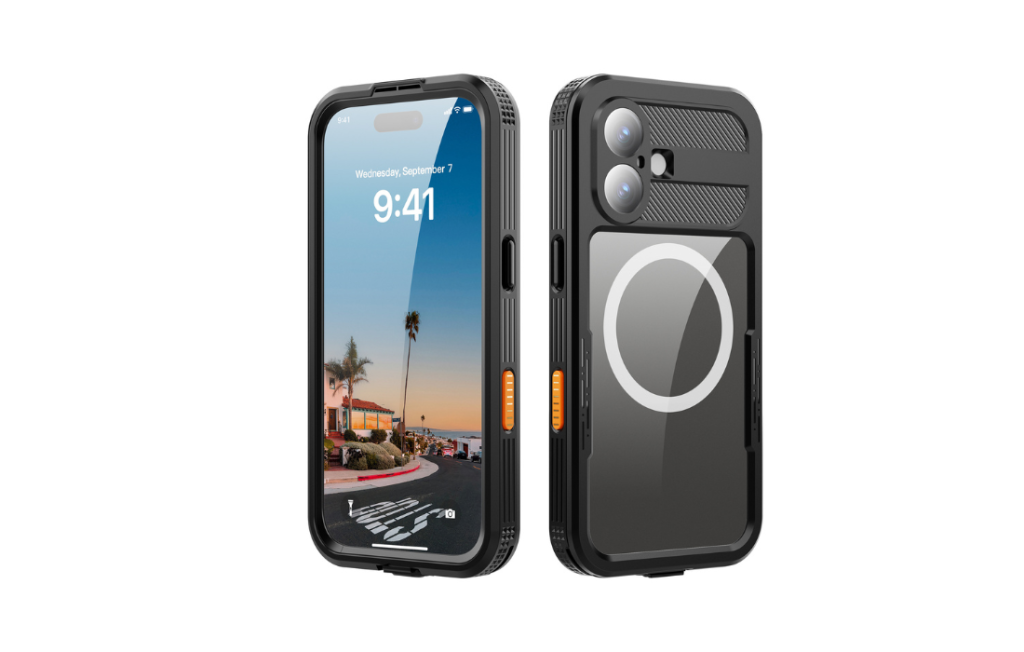
Buy the case cut for the model you own, and buy it for the way the phone is carried rather than for the way it looks on the listing. Apple’s current lineup is the iPhone 17, iPhone Air, iPhone 17 Pro and iPhone 17 Pro Max — there is no iPhone 17 Mini, and the article this one replaces listed one. Each model is a different size with a different camera plateau, so a case cut for a 17 Pro will not fit a 17 Pro Max. Digi4u’s case range starts at £7.13 in the iPhone case and cover category.
(Last modified date: October 2, 2026)
The iPhone 17 series is a slim, high-end device that deserves the right protection. Apple builds durability into the phone itself, and a well-chosen case covers what Apple’s engineering does not: the frame, the corners and the camera plateau. This guide covers the case types worth considering for every iPhone 17 model, what each one genuinely protects against, and how to choose between them without paying for protection you will never use.
Which type of iPhone 17 case suits you?
Three types cover almost every buyer, and the differences are structural rather than cosmetic.
Slim and clear cases
Minimal protection that does not hide the phone’s finish. A slim case covers the frame and corners against scratches and light knocks, and a clear case shows the colour underneath — but both deform under a hard corner impact, so they suit someone who is careful with the phone and wants it thin. Digi4u lists slim and clear cases for the iPhone 17, 17 Pro, 17 Pro Max and the model the catalogue calls 17 Air; Apple’s own name for it is the iPhone Air.
Rugged and shockproof cases
Reinforced corners, a raised lip around the display and a shock-absorbing layer. This is the type to buy for an active lifestyle, and the detail that matters is the raised edge: a case with a lip that stands proud of the glass is what stops a face-down phone touching the surface. Look for shockproof materials and a design that still allows the buttons, cameras and charging port to work properly.
Wallet and magnetic card cases
Protection with somewhere to put a card, held closed magnetically. A magnetic card case is the most convenient of the three and the least protective at the corners, and it is the type most likely to interfere with a wireless charging puck, so check the compatibility of both if you use them together.
Whatever type you choose, pair it with a protector for the display itself — the range is set out in iPhone 17 screen protectors.
Which case fits which iPhone 17 model?
Fourteen colours across four models in the water-resistant TPU range, and the cutout is model-specific.
The table below is the option list the original article carried, with the model names corrected to Apple’s own and the price of the range shown from the live category. The colours are the ones the listing states; stock moves, so confirm the colour on the product page before ordering.
| Model | Case option | Colours listed | Protection from |
|---|---|---|---|
| iPhone 17 | Water-resistant TPU case | Red, black, brown, green | £7.13 |
| iPhone 17 Pro | Water-resistant TPU case | Black, brown, green, red | £7.13 |
| iPhone 17 Pro Max | Water-resistant TPU case | Red, black, brown, green | £7.13 |
| iPhone Air (listed as 17 Air) | Water-resistant TPU case | Red, black, brown, green | £7.13 |
Two checks before you order. First, the model name: Apple’s lineup includes an iPhone Air rather than an “iPhone 17 Air”, and a phone bought as an Air is the one the catalogue lists under 17 Air. Second, the colourway has to match the model, because the same colour name is cut differently on each.
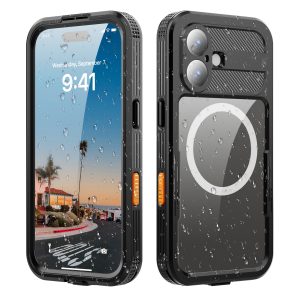
What a case does and does not protect
A case protects the frame, the corners and the camera plateau. It does not make the phone waterproof, and it is not what keeps the screen scratch-free.
Apple’s own specification for the iPhone 17 is the reason to be precise here: the front is “durable Ceramic Shield 2 with 3x better scratch resistance” than the previous generation. Scratch resistance is the display’s own cover glass doing its job; a case adds nothing to it, and a screen protector adds a renewable layer on top. What a case genuinely adds is protection for the parts Apple does not cover with Ceramic Shield: the aluminium frame, the corners, and the camera plateau, which is the part that takes the damage when a phone is laid face-down on a rough surface.
- Scratches on the display. Covered by Ceramic Shield 2, and then by a screen protector as a renewable layer. A case does not touch the glass.
- Corner and frame damage from a drop. Covered by a rugged case with reinforced corners and a raised lip. A slim, clear or wallet case deforms at the corners instead.
- Camera plateau scratches. Covered by any case with a raised camera surround, not by a protector fitted only to the display.
- Water and dust. Covered by the phone’s own ingress protection, tested to factory specification. No case restores it once the device has been opened.
What does protection actually cost?
Work it as an annual figure rather than a one-off price.
Take a case from the current range at £7.13 and a tempered glass protector at £9.99, and assume the protector is replaced once a year because the glass takes the scratches. The first year costs £17.12; each year after that costs £9.99. Over three years the protection spend is about £37.10, against the cost of a display assembly for the same model, which is where the comparison becomes one-sided.
That is a model with stated assumptions, not a quotation, and it deliberately excludes the case being replaced. The point is that protection is a consumable budget, and the cheapest way to get it wrong is to spend nothing and pay for a panel instead. Substituting your own prices does not change the shape of the answer.
Tips for getting the most from a case
- Fit a display protector at the same time as the case, and check that the case lip does not lift the protector’s edge.
- Check that the buttons, the camera cutouts and the charging port all work with the case on, rather than after the first week.
- Clean the inside of the case periodically: trapped grit is abrasive and marks the frame.
- Treat a water-resistant case as splash protection unless the manufacturer states the depth and duration it was tested to.
- Do not assume a case restores ingress protection to a phone that has been repaired or opened.
Will a case work with MagSafe and wireless charging?
Usually, but the gap between the case and the coil is what decides it.
Apple sells its own Silicone Case with MagSafe and Clear Case with MagSafe, which is the clearest illustration of what a case has to accommodate on this generation: a magnet array behind the back panel and a wireless charging coil behind that. Every millimetre of material between the phone and the charger reduces the coupling, and a wallet case with a card in it adds several.
Three practical consequences, in order of how often they cause a complaint:
- Charging slows before it stops. A thick case usually still charges, but at a lower rate, which owners notice as a phone that no longer reaches full overnight. Test the case on your own charger before deciding.
- A magnet in the wrong place grabs, but does not align. Magnetic cases that are not designed for the model’s array can pull the phone off-centre on a stand, which produces heat instead of charge.
- Cards are the real interference. A card sitting between the phone and the charger is a magnetic stripe in a field; bank cards and hotel keys do not enjoy that. Load the wallet, then charge the phone somewhere else.
How do you tell a good case from a bad one before you buy?
Six things you can check in the first ten minutes with the case in your hand.
- Raised lip around the display. The lip should stand proud of the glass by roughly a millimetre when the phone is fitted, which is what stops a face-down phone touching the surface.
- Corner construction. Reinforced or double-walled corners rather than a single moulded shell, so drop energy is absorbed instead of passed to the frame.
- Camera surround. Level with or slightly above the camera plateau, so the lenses do not touch the table when the phone is laid down.
- Button covers. A positive click on every button, with no need to press harder than without the case — the sign of covers moulded for this model.
- Port and speaker cutouts. Aligned exactly, with a charging cable still clipping fully home.
- Material and smell. Flexible TPU or silicone that recovers its shape, and no strong chemical smell that hints at a material that will harden and yellow.
The last test is the one most people skip: put the phone in the case and use it for ten minutes. A case that makes the volume buttons stiff or the charging cable loose will annoy the owner every day, and it is the reason returns happen on cases that were technically the right fit.
Fitting a case and a protector together
The two accessories interact, and the case decides whether the protector stays on.
- Fit the protector first. A case makes it harder to align glass, and the protector has to be positioned before anything presses on its edges.
- Let the protector settle for an hour before the case goes on, so the adhesive has time to bond across the whole surface.
- Check the case lip against the protector edge. A lip that overlaps the glass is the most common cause of edge lifting; if the protector lifts in the first day, the case is the reason.
- Re-check after a week. Edge dust and lifting appear after the phone has been in and out of a pocket a few times, not on the first day.
The protector side of that pairing is covered in iPhone 17 screen protectors, including which cutout each model needs.
What is the case actually protecting, in parts?
Price the damage rather than the protection, and the case stops looking like an accessory.
Every item below is a live listing for an iPhone 17 part, which is what a drop costs if the case is not there:
| Part the case protects | Live price | How it fails without a case |
|---|---|---|
| Soft OLED screen assembly | £54.99 | Face-down landing on a hard edge; the panel fails even when the glass survives |
| Back glass cover with NFC | £19.99 | Back-first landing on gravel or a kerb, which also takes out the wireless charging coil |
| USB-C charging port flex | £24.99 | Impact at the bottom edge, or a cable stressed sideways while the phone is charging |
| Value in-cell LCD alternative | £29.99 | The cheaper route if the display does fail and the budget is fixed |
A case and a protector together cost less than the back glass alone. That is the whole argument, and it does not depend on how careful the owner intends to be.
What should the case warranty cover?
Cases are consumables, but they are still goods sold to a consumer, and the statutory position is not complicated.
A case that splits at a corner in the first month, or a magnet array that lets go, is a fault rather than wear, and the Consumer Rights Act 2015 gives the buyer a remedy against the retailer rather than the manufacturer. Keep the packaging until the return window closes, keep the order confirmation, and photograph the fault before sending anything back. A supplier that publishes its returns window and honours it without argument is worth more than one that shaves 50p off the price, which is the same test applied to parts in checking a UK parts supplier.
References
- Apple UK: compare iPhone models — the lineup the case cuts are built around.
- Apple UK: iPhone 17 — “Durable Ceramic Shield 2 front with 3x better scratch resistance”.
FAQ
Does the iPhone 17 really need a case?
The display is already scratch-resistant, so a case is not about scratches on the glass. It is about the frame, the corners and the camera plateau, which is what a drop damages first. If the phone is carried in a pocket with keys, a slim case and a protector cover the realistic risks.
Does the iPhone 17 fit any case?
No. Each model in the 17 family is a different size with a different camera cutout, and there is no iPhone 17 Mini at all. A case cut for the 17 Pro will not seat on a 17 Pro Max, and a case for the Air is a different shape again.
Are TPU cases water-resistant?
Most TPU cases resist splashes and light rain, but they are not submersible, and no case restores the phone’s own ingress protection once the device has been opened. Check the depth and duration the manufacturer states before relying on it around water.
Do TPU cases add bulk?
Slightly, and the trade is flexibility and grip for a little thickness. A slim TPU case is a compromise between the two, while a rugged case with reinforced corners adds noticeably more because that is where its protection lives.
Where can I buy iPhone 17 cases in the UK?
Digi4u lists cases and covers from £7.13 in the iPhone case category, with back covers from £16.99 in the back cover category if the phone’s own housing needs replacing rather than covering.
Match the case to the model, not to the generation. Digi4u stocks cases, covers, back covers and screen protectors for the iPhone 17 family.