


MagSafe and Qi2: What Fails First in Cheap Wireless Chargers
Need this part? We stock tested replacement parts with same-day UK dispatch and a 12-month warranty.
Wireless charging is the accessory category where customers most often blame the phone for a fault that belongs to the charger. The phone gets warm, charging stops overnight, or the battery drains despite sitting on a pad, and the device takes the blame.
The technology behind it is straightforward once the two standards and their failure modes are separated, and a repair shop that understands them sells better accessories and spends less time diagnosing phones that were never faulty.
What is the difference between MagSafe and Qi2?
One is Apple’s; the other is the open standard.
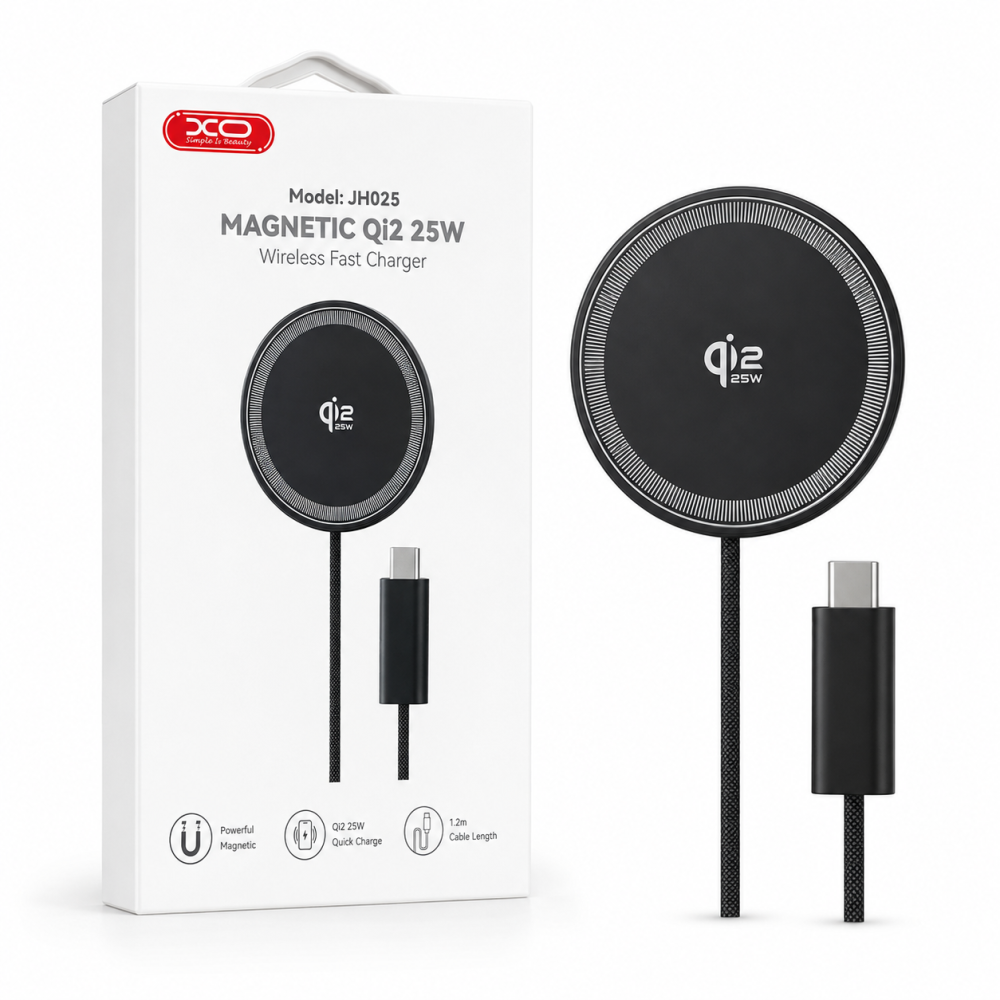
MagSafe is Apple’s magnetic mounting and charging system, introduced with the iPhone 12 range, which aligns a charger to a ring of magnets behind the back glass. Qi2 is the Wireless Power Consortium’s standard, which adds a comparable magnetic alignment profile to the older Qi standard so that any compliant device and charger can align the same way.
For a repair shop the practical consequence is that magnetic alignment is now a cross-brand feature rather than an Apple one. The specification behind it is published by the Wireless Power Consortium, and the USB power side of the same products is covered by the USB Implementers Forum.
Why do cheap wireless chargers get hot?
Because heat is what misalignment and thin coils produce.
Wireless charging works by inducing a current across a gap, and any misalignment or inefficiency turns into heat rather than into charge. A cheap pad with a weak magnet, a thin coil or poor shielding produces more of both, and the phone absorbs the difference.
That heat is not harmless. A device that is warm for hours at a time accelerates cell ageing, and the pattern of a phone that charges slowly and runs hot is the same one described in separating a battery fault from a charging fault. The charger is often the cause rather than the phone.
What fails first in a cheap wireless charger?
The alignment, then the coil, then the connector.
Weak or poorly positioned magnets are the first failure, because a charger that does not hold the phone in the right place is delivering heat rather than power. The coil and its shielding come next, followed by the cable and connector on the input side, which on many cheap units is the weakest physical part of the product.
The result is a charger that works when the phone is placed carefully and fails when it is not, which produces the classic customer report of charging that “only works sometimes”. Testing a charger with the phone in two different alignments separates that behaviour from a phone fault in seconds.
| Symptom | Likely cause | What to test |
|---|---|---|
| Warm phone, slow charge | Poor alignment or thin coil | Reposition and compare the rate |
| Charges only in one position | Weak magnets or off-centre coil | Magnetic grip and centring |
| Stops overnight | Heat build-up or cable fault | Running temperature and input cable |
| Works through one case, not another | Case thickness or metal content | Test with the case off |
| Does not charge at all | Incompatible standard or dead unit | Known-good phone and pad |
Why does a magnetic case stop charging working?
Because distance and metal both matter.
The magnetic field has to cross the gap between the coil in the charger and the coil in the phone, and every millimetre of case material reduces the coupling. A case that also contains metal, a card holder or a magnet of its own makes the problem worse rather than better.
Testing with the case removed is the fastest way to establish whether the charger, the case or the phone is at fault, and it is the first thing a shop should do before quoting anything. It is the wireless equivalent of testing a charging cable before condemning a port, which is the sequence described in testing a charging cable before blaming the port.
How do you test a wireless charger in the shop?
Known-good phone, known-good pad, and a power meter.
Put a known-good handset on the customer’s charger and see what happens, then put the customer’s phone on a known-good charger. That swap separates the two sides immediately. Where a USB power meter is available, watching the wattage the pad draws confirms whether the charger is negotiating properly or limping along at a low rate.
The other useful measurement is temperature. A pad that makes a phone noticeably warm within ten minutes is inefficient, whatever the packaging claims, and that observation is worth more than any specification printed on the box.
A meter also shows whether a pad is negotiating a fast rate or falling back to a slow one, which is useful evidence when a customer insists their charger is faulty because a phone takes longer than expected to fill.
Does wireless charging damage the battery?
Not by itself, and heat does.
A well-aligned, well-made wireless charger is a perfectly reasonable way to charge a phone. The damage comes from the heat generated by poor alignment and inefficient hardware, which is a property of the charger rather than of the technology.
That distinction is worth giving to a customer who has read that wireless charging ruins batteries. The useful advice is to use a charger with strong magnets, keep the phone centred and take thick cases off, which is the same advice that produces comfortable running temperatures. Heat is the thing to avoid, and everything that reduces it also improves the charging rate.
Which iPhones support which standard?
Magnetic alignment from the 12 series onwards.
The magnet array arrived with the iPhone 12 range, and Qi2 support has come to later models and to later software versions rather than to all of them at once. Older devices still charge on a plain Qi pad, but without the magnetic alignment that makes the whole thing reliable.
In practice a shop should check the model rather than assume, and should be careful about promising a charging rate on a device it has not confirmed. The identifying information is in the model number, and the method is set out in confirming the model number first.
What should a shop stock?
One magnetic pad and one desktop charger, both good.
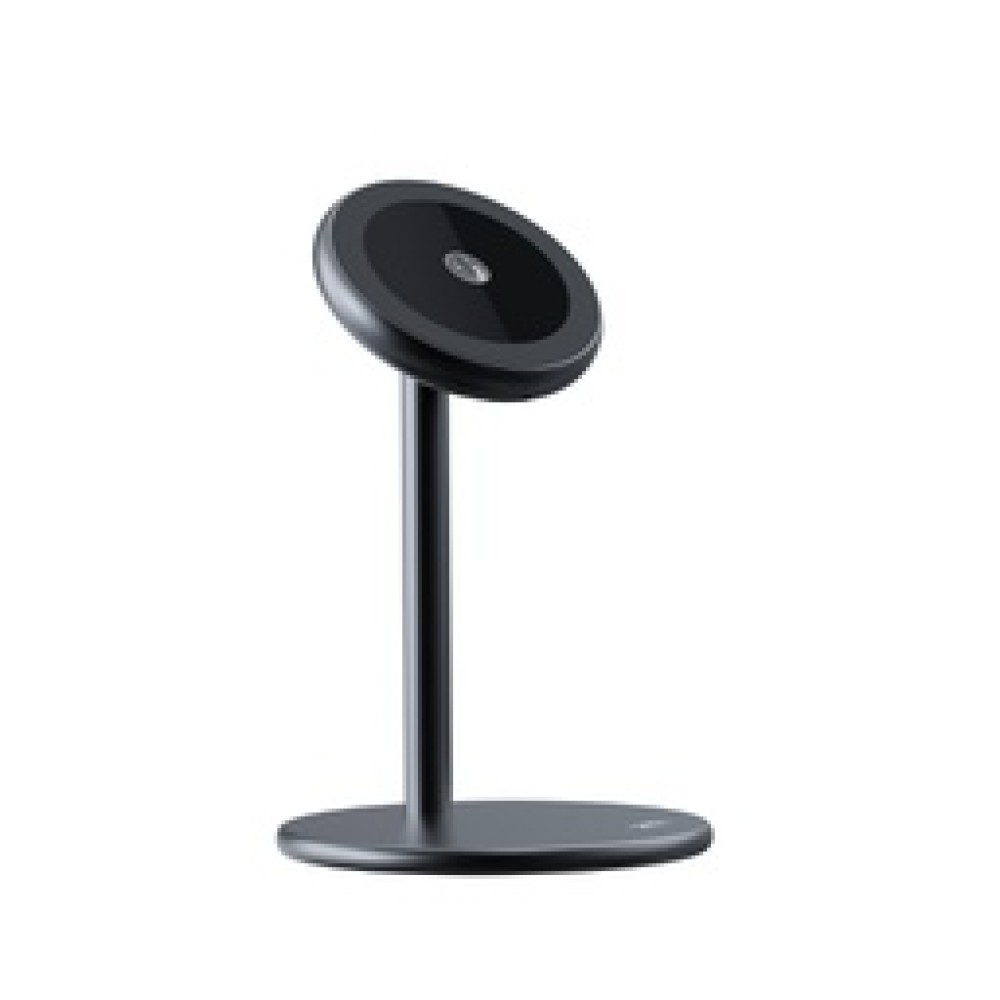
The accessory range does not need to be wide. A magnetic pad for bedside use and a desktop charger that can deliver the higher rates cover most customers, and both should be products with real magnets and a stated rating rather than unlabelled bulk stock.
Quality matters more here than in most accessory categories, because a cheap pad produces the heat that generates the returns. Estimating what a power bank or charger actually delivers is the same exercise described in comparing power bank capacity claims honestly, and the standards that govern the electrical safety of these products are set out in the Electrical Equipment (Safety) Regulations 2016.
Why do some chargers only deliver a low rate?
Because the whole chain has to agree.
The pad, the cable and the wall adapter all have to support the rate, and a magnetic charger plugged into a five-watt adapter will charge at five watts however good it is. The cable rating is the part customers most often overlook, which is why the same product performs differently in two houses.
That is also why a shop should test wireless charging with a known-good adapter rather than the one in the customer’s bag. The cable ratings that matter on the physical connector side are covered in the connector standards the cable has to meet.
What should you check after a back glass or battery repair?
Wireless charging, every time.
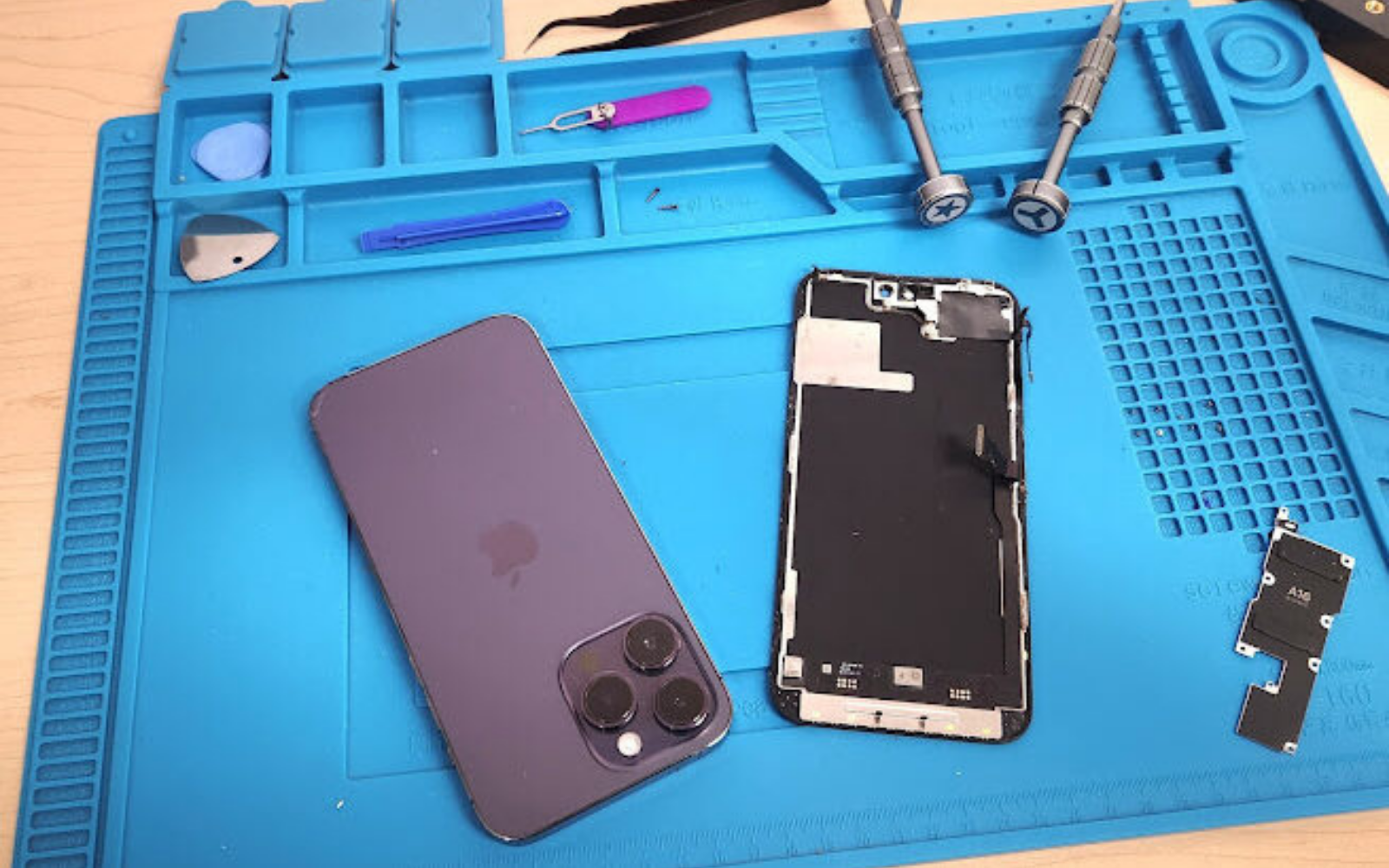
The charging coil sits against the inside of the back glass and connects to the board through the same area as the battery and the antenna assembly. A repair that disturbs those layers can leave the coil unseated, and the customer discovers it the first time they put the phone on a pad.
Testing wireless charging before the device goes back is a ten-second check that prevents a return, and it belongs alongside the other pre-seal tests. The related decisions about rear glass are set out in methods and part matching for back glass.
What should you tell a customer whose phone gets warm?
That the charger is usually the reason, and how to prove it.
The demonstration is the case test and the swap test: take the case off, and try the phone on a known-good pad. A phone that runs cool in both cases has a charger problem, and a customer who has watched that happen will accept the answer without argument.
Where the phone runs warm on every pad with the case off, the diagnosis moves to the device itself, and at that point the charging path and the battery become the suspects rather than the accessory.
What is the one habit that stops wireless charging complaints?
Test with a known-good pad before quoting.
It takes two minutes, it requires nothing more than a charger the shop already owns, and it separates the accessory from the device before any part is ordered. Most wireless charging complaints end at that step.
Where the device is at fault, the customer keeps their rights on the finished work under the Consumer Rights Act 2015, replaced parts are waste under the Waste Electrical and Electronic Equipment Regulations 2013, and products placed on the market fall to the Office for Product Safety and Standards.
FAQ
What is the difference between MagSafe and Qi2?
MagSafe is Apple’s magnetic charging and mounting system, introduced with the iPhone 12 range. Qi2 is the Wireless Power Consortium standard that adds a comparable magnetic alignment profile, so magnetic alignment now works across compliant brands rather than only on Apple devices.
Why does my phone get hot on a wireless charger?
Heat is what misalignment and inefficiency produce instead of charge. A cheap pad with weak magnets, a thin coil or poor shielding makes the phone absorb the difference. Test with the case removed and on a known-good pad to confirm.
Does wireless charging damage an iPhone battery?
Not by itself. The damage comes from heat generated by poor alignment and inefficient hardware, which is a property of the charger rather than the technology. Strong magnets, a centred phone and a thin case keep temperatures where they should be.
Why does my wireless charger only work in one position?
Usually weak or poorly positioned magnets, which stop the coils aligning properly. It can also be an off-centre coil in the pad. Reposition the phone and compare the charging rate, then test with a case removed.
Chargers that hold the phone in the right place. Digi4u supplies magnetic and Qi2 wireless chargers alongside the cables and adapters that make them deliver their rating.
{
“@context”: “https://schema.org”,
“@type”: “FAQPage”,
“mainEntity”: [
{“@type”: “Question”, “name”: “What is the difference between MagSafe and Qi2?”,
“acceptedAnswer”: {“@type”: “Answer”, “text”: “MagSafe is Apple’s magnetic charging and mounting system, introduced with the iPhone 12 range. Qi2 is the Wireless Power Consortium standard that adds a comparable magnetic alignment profile, so magnetic alignment now works across compliant brands rather than only on Apple devices.”}},
{“@type”: “Question”, “name”: “Why does my phone get hot on a wireless charger?”,
“acceptedAnswer”: {“@type”: “Answer”, “text”: “Heat is what misalignment and inefficiency produce instead of charge. A cheap pad with weak magnets, a thin coil or poor shielding makes the phone absorb the difference. Test with the case removed and on a known-good pad to confirm.”}},
{“@type”: “Question”, “name”: “Does wireless charging damage an iPhone battery?”,
“acceptedAnswer”: {“@type”: “Answer”, “text”: “Not by itself. The damage comes from heat generated by poor alignment and inefficient hardware, which is a property of the charger rather than the technology. Strong magnets, a centred phone and a thin case keep temperatures where they should be.”}},
{“@type”: “Question”, “name”: “Why does my wireless charger only work in one position?”,
“acceptedAnswer”: {“@type”: “Answer”, “text”: “Usually weak or poorly positioned magnets, which stop the coils aligning properly. It can also be an off-centre coil in the pad. Reposition the phone and compare the charging rate, then test with a case removed.”}}
]
}