


Honor Screen and Battery Parts UK: When Shops Should Stock Honor SKUs
Need this part? We stock tested replacement parts with same-day UK dispatch and a 12-month warranty.
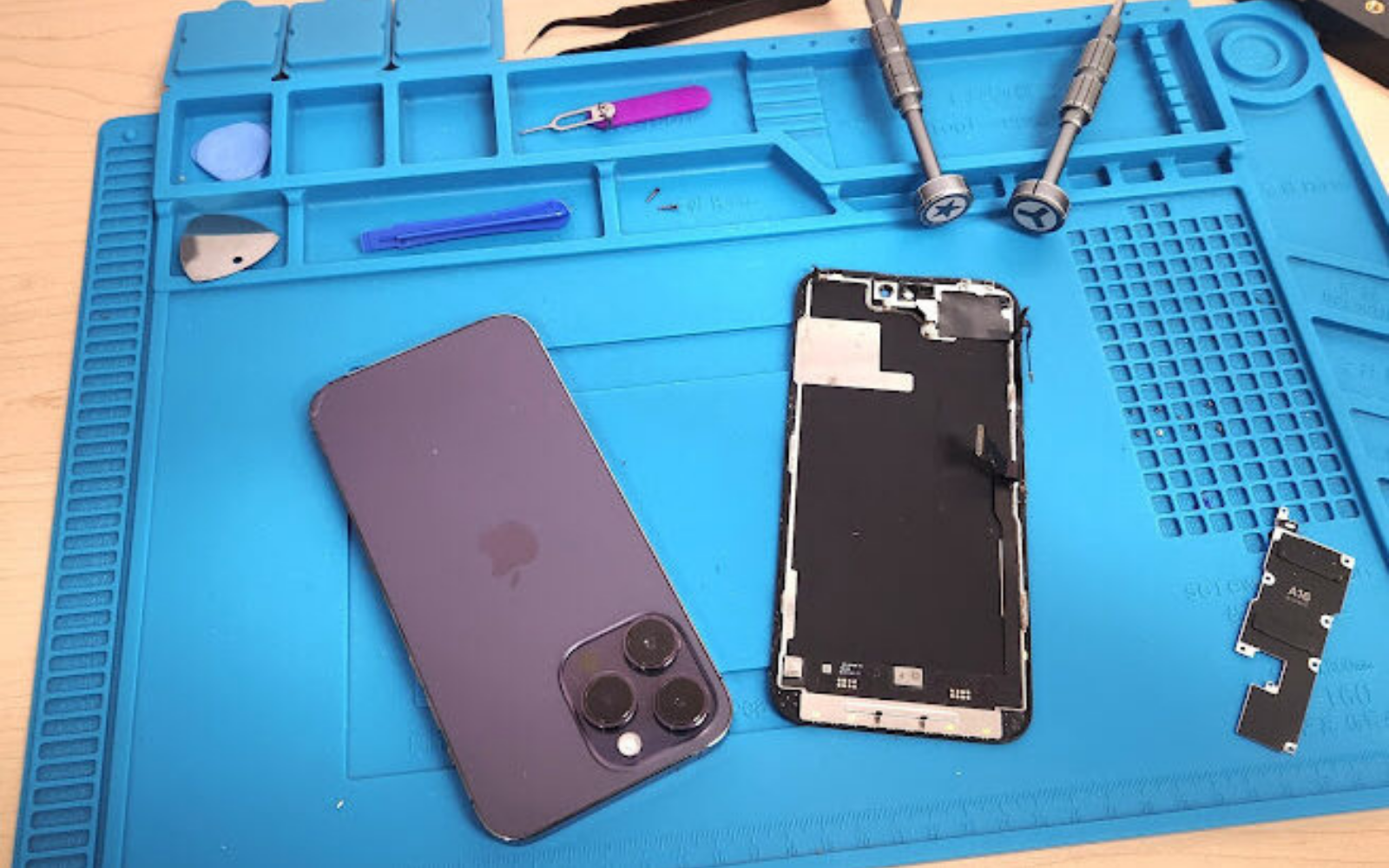
Honor screen replacement parts UK buyers need a different stocking logic from the major Samsung and Apple ranges. For an Android repair shop, the decision is less about carrying every model and more about identifying repeat walk-in demand, separating legacy Huawei overlap from newer Honor-only devices, and choosing parts that can be checked quickly at the bench. This guide covers screens, batteries, shipping, biometric caveats and practical shelf rules for teams considering Honor support.
Honor walk-in volume vs Huawei overlap
Stock Honor where repeated local demand proves the shelf space.
Older shared families may overlap with Huawei enquiries, while newer X, Magic and 90 models need separate demand evidence.
Honor demand is often visible before it becomes predictable. A repair counter may receive enquiries for Honor X7, Honor 20 Lite or another familiar model, but that does not automatically justify a broad inventory. The useful measure is repeatable local demand: the number of compatible enquiries, quotes and completed repairs over a defined review period.
Older Huawei and Honor families can create useful overlap in customer language, especially where customers remember the Huawei connection or describe a device by its family rather than its exact model. That overlap should support identification and enquiry handling, not lead to assumptions about parts compatibility. Later Honor-only lines, including X-series, Magic-series and Honor 90 devices, should be evaluated as distinct repair categories.
For a shop expanding Android coverage, the Digi4u Honor category is a practical starting point for model discovery. Teams should record the exact model number, screen technology, colour, frame configuration and battery reference before purchasing. This reduces the risk of confusing a visually similar handset with a part that fits a different generation.
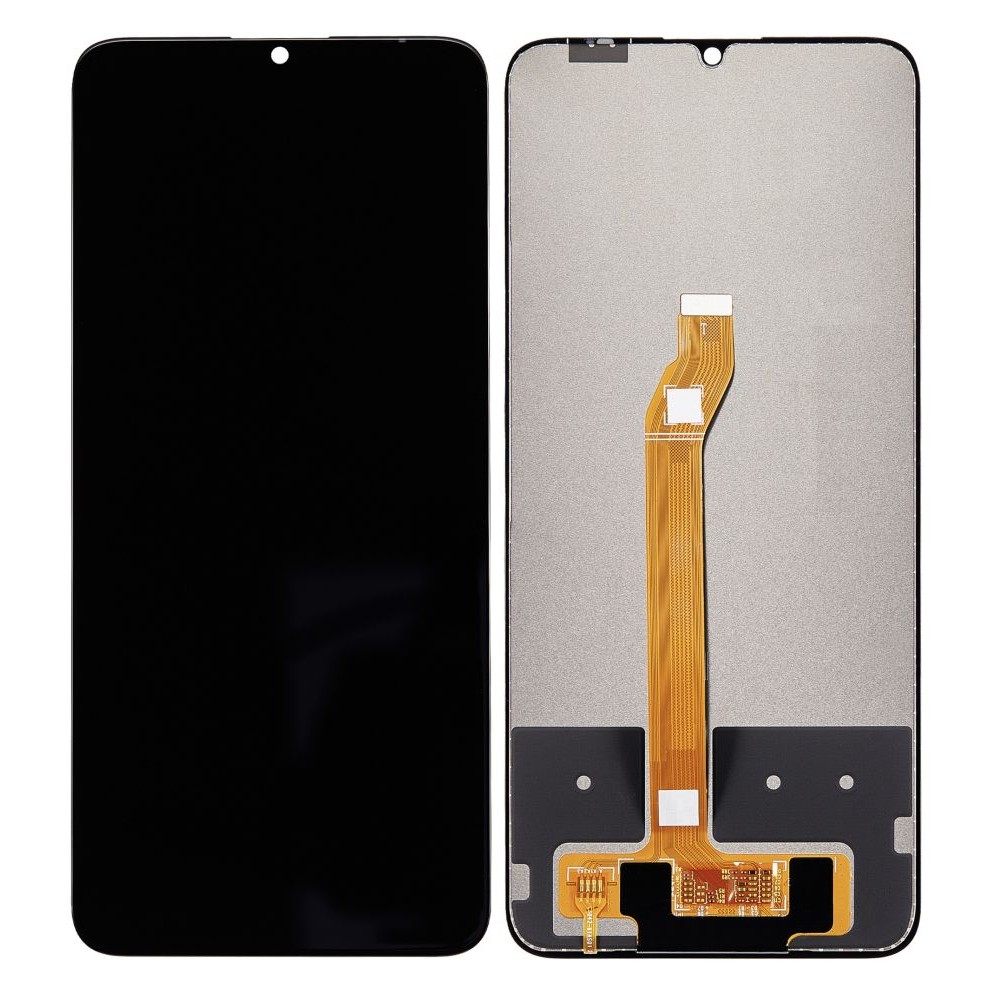
Which screen formats do shops actually reorder?
Reorder the formats that match repeat models and repair outcomes.
LCD assemblies suit common value models; OLED parts deserve tighter demand and QC controls because fit, colour and bonding risks can be higher.
Screen purchasing should start with the repair outcome your team promises the customer: a display-only repair, a complete LCD and touch assembly, or a part supplied with additional structural components. An Honor X-series LCD part may be commercially useful because value-focused phones often generate screen damage enquiries, but the exact assembly still needs model confirmation.
For higher-specification devices, OLED availability can be relevant. An Honor 90 OLED exists in the catalogue, but its presence does not by itself make it a shelf item. A shop should compare the part cost, likely repeat demand, diagnostic time and consequences of a failed installation. A slower-moving OLED may be better treated as a planned order until the local repair pattern is established.
Screen descriptions should be read as purchasing information rather than a substitute for testing. Check whether the assembly includes touch functionality, a frame, adhesive, polariser or other supporting elements. Your team should also note whether the replacement changes the fitting process or requires additional transfer work. Digi4u’s guide to phone screen purchasing in the UK can sit alongside the shop’s own model-level records.
| Screen decision | Potential shelf logic | Check before ordering |
|---|---|---|
| Common X-series LCD | Consider holding when enquiries recur and the repair is straightforward. | Exact model, colour, touch response and assembly type. |
| Honor 90 OLED | Use demand evidence and controlled purchasing before adding depth. | OLED specification, compatibility, frame and diagnostic requirements. |
| Unfamiliar or isolated model | Special-order until the local pattern becomes clear. | Customer device code, part reference and expected lead time. |
How should shops handle battery fit and lithium shipping?
Treat battery fit and transport as separate purchasing checks.
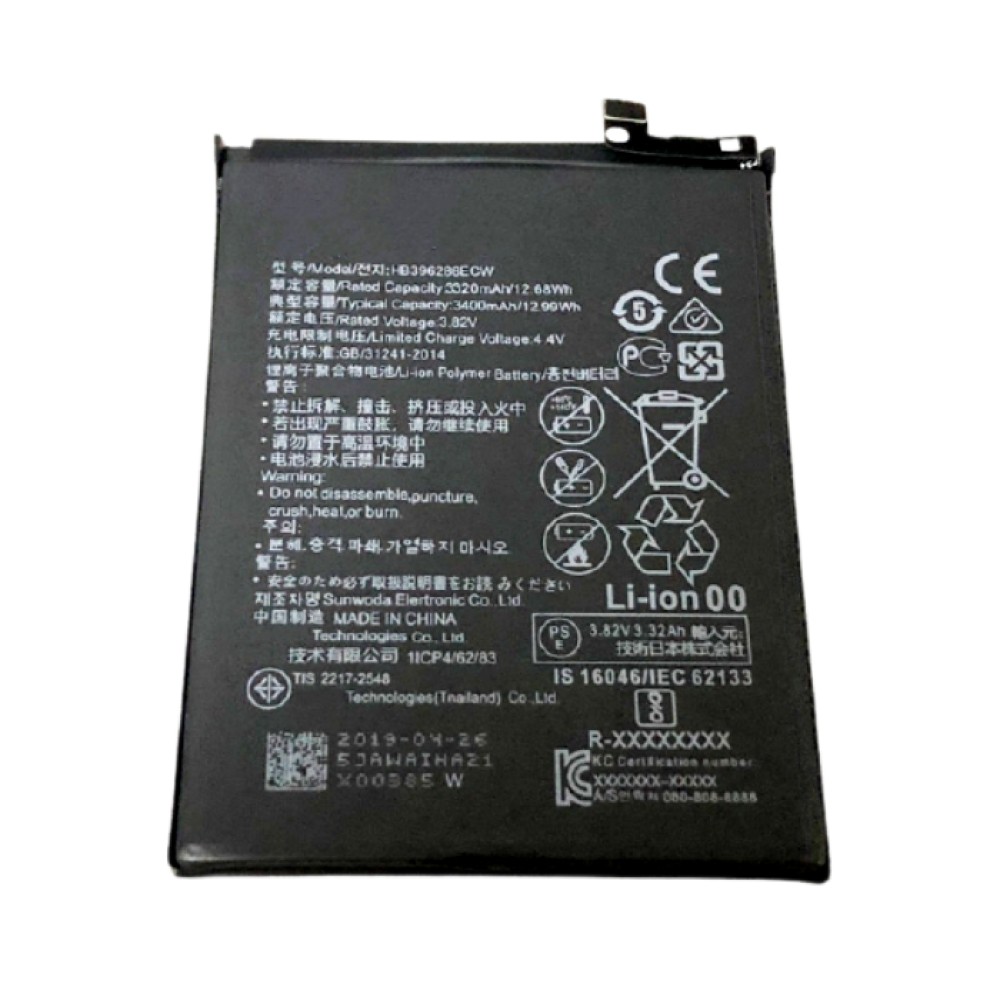
Confirm the battery reference and physical fit, then follow the courier conditions for standalone lithium batteries before promising dispatch.
A battery repair has two distinct risks: selecting the wrong cell and mishandling a regulated transport category. A compatible-looking battery can still differ in connector position, flex routing, capacity label, adhesive arrangement or fit within the housing. The model name alone is not enough. Your team should compare the part reference, connector layout and device variant before removing the original cell.
Standalone Honor batteries and power banks are lithium items. Digi4u’s delivery policy states that standalone lithium batteries are dispatched by DPD only, rather than Royal Mail. The policy also sets out current delivery arrangements, including cut-off and service information, so it should be checked when a customer needs a delivery commitment. See the Digi4u delivery policy before quoting a shipment route.
For procurement, a battery adhesive kit may be a useful companion item where the repair process requires secure replacement. It should not be presented as a guarantee of safe installation. Staff should follow appropriate handling procedures, isolate damaged cells and use suitable packaging and transport controls. The UK Government’s guidance on sending restricted goods provides a relevant reference for businesses arranging shipments.
What are the fingerprint and face unlock caveats?
Biometric performance must be tested after the repair.
A replacement screen can affect fingerprint behaviour, while face unlock depends on the handset, software and front-camera assembly remaining correctly installed.
Biometric functions are not simply cosmetic features. Depending on the Honor model, fingerprint sensing may be integrated into the display, mounted in the power button or positioned elsewhere in the handset. A screen replacement can therefore change the diagnostic path, particularly where the original sensor, flex or calibration process is disturbed.
Face unlock may also depend on the front camera, proximity area, display fit and software state. Your team should avoid promising that fingerprint or face unlock will be restored solely because the replacement screen is physically compatible. Instead, record the pre-repair condition, test relevant functions before disassembly where possible, and repeat those tests after assembly.
Where a customer reports a biometric problem, separate screen response from sensor, flex, software and board faults. Keep the repair record factual and explain any uncertainty before proceeding. Manufacturer support information, including HONOR UK Support, may help with model-specific software or diagnostic references, but it does not replace a controlled bench test.
When should a shop special-order rather than hold a shelf SKU?
Special-order low-frequency parts and shelf proven repeat repairs.
Use enquiry history, part risk, cash tied up and customer urgency to decide whether an Honor screen or battery deserves permanent shelf space.
A shelf rule should be simple enough for the whole team to apply. A model may earn a shelf position when it appears repeatedly in repair enquiries, has a predictable part specification, can be tested efficiently and does not create disproportionate storage or transport complexity. A part should remain special-order when demand is isolated, compatibility is uncertain or the cost of holding it is difficult to justify.
Screen assemblies and batteries should not be judged identically. Screens can often be grouped by model and display format, while batteries require tighter reference control and transport planning. A battery that is rarely requested may be more sensible to obtain for a confirmed job. Conversely, a frequently requested X-series LCD may reduce customer waiting time when the shop has already validated its fitting and testing process.
Review the rule monthly or quarterly using the shop’s own records. Include cancelled jobs, unsuccessful identification attempts and customers who declined because of lead time. This creates a more accurate picture than counting completed repairs alone. For broader purchasing context, compare the approach with Digi4u’s guidance on phone battery purchasing.
| Signal | Shelf response |
|---|---|
| Repeated enquiries for the same exact model | Consider a tested shelf SKU and define a reorder trigger. |
| Frequent model confusion | Improve intake questions before buying additional variants. |
| High-value OLED or uncommon battery | Special-order until demand and repair confidence are established. |
| Regular urgent customer demand | Balance delivery timing against the cost and risk of holding stock. |
What should be on the Honor QC checklist?
Quality control should begin before installation and finish with a documented post-repair test. The objective is not merely to confirm that the device turns on. A useful check covers the display, touch grid, cameras, sensors, charging, audio and biometrics relevant to the model.
For screens, inspect the connector, flex and visible glass before fitting. Test brightness, colour uniformity, touch response across the full panel, proximity behaviour and the front camera area. For batteries, inspect the cell and connector, verify physical fit, check charging behaviour and monitor unusual heat or swelling. Do not install a visibly damaged battery.
Businesses should also maintain a clear distinction between product checks and legal responsibilities. The UK Government provides guidance on product safety for businesses, while placing manufactured goods on the market in Great Britain covers wider regulatory considerations. These references are useful for process design; they should not be treated as a substitute for the shop’s own risk assessment.
How does Honor stocking contrast with Huawei?
Honor and Huawei can share customer history, but they should not be treated as one interchangeable stock family. Older COL and COR-related enquiries may create useful overlap, yet later Honor X, Magic and 90 devices have their own screen, battery and diagnostic requirements. The practical distinction is therefore between shared recognition and confirmed compatibility.
Huawei demand may be more concentrated in established P and Mate repair patterns, while Honor can present a broader mix of value X-series models and newer premium lines. Shops should compare their own local records rather than assume one brand’s demand predicts the other’s. Digi4u’s article on Huawei P and Mate screen parts provides a useful contrast in purchasing questions.
For both brands, model identification remains the control point. Record the exact handset, confirm the part description and avoid relying on a customer’s memory of the brand relationship. This approach lets a repair shop expand into Honor without turning every Huawei enquiry into an automatic stock commitment.
Conclusion
Honor parts can earn a place in a UK Android shop when demand is repeatable, model identification is disciplined and the team has a reliable test process. Common X-series LCD assemblies may be suitable shelf candidates where walk-in volume supports them, while Honor 90 OLED parts and less frequent batteries may remain better suited to confirmed orders. Standalone batteries also require DPD-only planning under Digi4u’s delivery information.
The strongest stocking decision is evidence-led: track enquiries, separate shared Huawei recognition from true compatibility, validate biometrics after repair and review shelf rules regularly. That gives your team a controlled way to expand Honor coverage without treating every catalogue listing as a permanent inventory requirement.
Review available Honor replacement parts through the Digi4u Honor category and confirm delivery requirements before ordering.
FAQ
Should a repair shop stock Honor screens in the UK?
A repair shop should stock Honor screens when its own records show repeated demand for the same exact models and the team has validated fitting, touch response and post-repair testing. Common X-series LCD assemblies may be practical shelf candidates where walk-in volume is consistent. Less frequent OLED parts, including an Honor 90 OLED, may be better treated as special-order items until demand, compatibility and repair confidence justify holding them.
Can Honor and Huawei screens be treated as interchangeable?
No. Older Honor and Huawei enquiries may overlap in customer history and model-family recognition, but compatible parts must still be confirmed by exact model and part specification. Later Honor X, Magic and 90 devices should be evaluated as separate repair categories. A shop should record the handset model, screen technology, colour and assembly details rather than assume that a Huawei-related listing will fit an Honor device.
How are standalone Honor batteries shipped?
Standalone Honor batteries are lithium items and Digi4u dispatches standalone batteries by DPD only, not Royal Mail. Repair shops should check the current Digi4u delivery policy before placing an order or promising a delivery route. They should also confirm the battery reference, connector and physical fit, and use suitable handling and packaging procedures for lithium cells.
Will a replacement Honor screen restore fingerprint unlock?
A replacement Honor screen should not be presented as a guarantee that fingerprint unlock will be restored. The result can depend on the handset design, sensor position, original flex, display assembly and any required testing or calibration. Your team should record the biometric condition before repair where possible and test fingerprint, face unlock, proximity and other relevant functions after assembly.
When should an Honor battery be special-ordered?
An Honor battery should generally be special-ordered when the model is rarely requested, the reference is uncertain or the shop has not yet validated fit and charging behaviour. A frequently requested battery may earn shelf space once demand and testing are predictable. Battery decisions should also account for lithium transport requirements, safe storage, customer urgency and the cost of holding a low-frequency part.