


OLED Burn-In on Replacement Screens: Causes and When to Reject
Need this part? We stock tested replacement parts with same-day UK dispatch and a 12-month warranty.
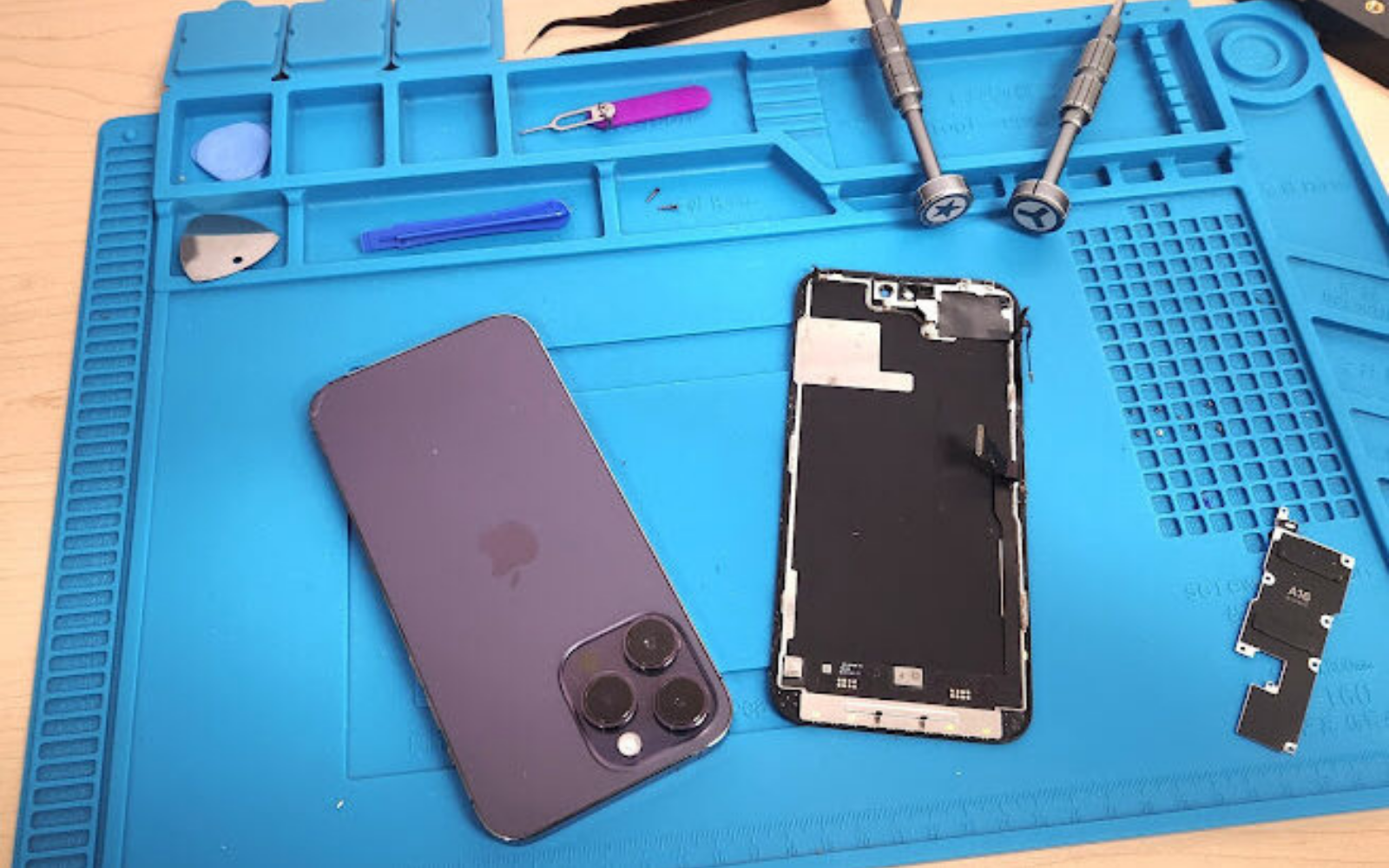
Burn-in is a permanent change in an OLED panel, and it is one of the few faults a customer can see immediately and describe accurately. For a repair shop the question is whether the panel being fitted has it, because fitting one is a return waiting to happen.
Understanding what burn-in is, how it differs from temporary image retention, and how to test for it in a minute on the bench is what protects the repair.
What is burn-in, and how is it different from retention?
One is permanent; the other fades.
Image retention is a temporary ghost of a static image that disappears after a few minutes of normal use. Burn-in is uneven ageing of the organic material itself, so the affected area stays dimmer than the rest however long the screen shows something else.
The distinction matters on the bench. A panel showing faint marks that vanish after five minutes of video is not defective; one where the marks remain is not going to recover.
Why does it appear on replacement panels?
Because many replacement panels are used.
Original pulls and refurbished originals come from donor devices that may have spent years showing the same interface. A panel that ran a navigation app or a messaging screen for hours a day carries that history into the next device.
New aftermarket copies do not have that history, which is one reason a shop should know which grade it is buying. The trade-offs between grades are worth settling before a line is stocked rather than after a panel has been fitted.
Storage has a part to play as well. A panel that spent months showing a static test pattern will age unevenly even before it reaches a device, and the same is true of a donor device left switched on in a repair shop’s own display case. Where a used assembly has been on show, its history includes that time on display.
What causes it?
Static content, brightness and time.
OLED pixels age as they emit light, and the subpixels that work hardest age fastest. A screen that has displayed white status bars and static navigation elements at high brightness will show those shapes first, because those pixels have done more work.
Brightness accelerates it. A panel used at full brightness for a year shows more ageing than the same panel at half brightness, which is why the marks often appear first in areas that are usually light-coloured.
How do you test for it?
With grey, on an unbonded panel.
Grey is the test colour for burn-in, because it reveals differences in brightness that white and black both hide. Full-screen grey at around fifty per cent, then again at a lower level, shows any ghosting clearly and takes seconds.
The test belongs in the pre-seal routine alongside the checks described in testing a replacement screen before sealing it. A panel that passes touch and brightness can still fail on grey.
What does it look like on the bench?
Faint shapes, usually in the same places every time.
The common patterns are a keyboard outline, a status bar along the top, or the layout of a navigation or messaging application. They appear as slightly darker or slightly warmer areas rather than as sharp lines.
Where a mark is sharp and coloured rather than faint and grey, the panel has a different fault entirely, and the difference between a failed panel and a grade characteristic is described in brightness and colour variance on replacements.
When should a panel be rejected?
When a customer would see it without being told.
That is the working test, and it is more reliable than any specification. Burn-in visible against a white background in normal use is a rejection; a trace visible only on a grey test screen in a dark room is a grade characteristic to be disclosed rather than hidden.
The judgement should be recorded either way. A shop that notes the result on the job sheet has evidence if the customer later disputes what was fitted, and it has the data for deciding which supplier’s refurbished lines to keep buying.
Does burn-in get worse?
Slowly, and only with use.
The uneven ageing that produced the mark continues, so a panel with faint burn-in shows it more clearly after another year of use. It does not suddenly spread, and it does not damage the rest of the display.
That progression is the argument for rejecting anything visible now. A faint mark disclosed to a customer who accepts it is a reasonable repair; one that becomes obvious two months later is a complaint, whatever was said at the counter.
Two other faults are often mistaken for burn-in and age differently. A pressure mark from a damaged frame does not change with use, and a partially failed pixel shows as a single bright or dark dot rather than as a diffused shape. Neither improves, and neither is the slow deterioration that a used OLED panel displays.
How do you explain it to a customer?
As the panel’s history showing through.
An explanation that describes the panel rather than the shop’s process lands better. A cell that has spent three years showing the same screens has aged unevenly, and a replacement assembly carries that history with it.
Where the shop is fitting a copy that has no such history, saying so is equally useful. It explains why that panel may look different in other ways, and it turns a technical distinction into something the customer can weigh.
What customers often need is the difference between a display that has been used and one that has failed. A panel with faint even ageing still works and will keep working; it simply shows its history under inspection. A panel with a line, a dead zone or a flicker has failed, and the two should never be described in the same breath.
What about warranties on burned panels?
It depends on what was disclosed.
Where burn-in was present at fitting and disclosed, a later claim about it sits outside the warranty. Where it appeared afterwards with no record of a test, the shop is in a weaker position, because it cannot show the panel was clean when it went on.
Retail customers keep their rights on the finished work under the Consumer Rights Act 2015, and the shop’s terms sit on top of that position. Recording the pre-fit test is what makes the position defensible.
How do you avoid buying panels with burn-in?
By grading honestly and testing on arrival.
A supplier who describes a refurbished original in terms of what was replaced is easier to buy from than one who describes it as a letter. Ask what is known about the panel’s history, and test the first few from any new line when they arrive rather than at the point of fitting.
That habit applies to any new stock line, as described in choosing a phone parts supplier. A batch that shows burn-in on arrival is a conversation to have with the supplier before it reaches a customer.
What is the difference between burn-in and a defective panel?
One is wear; the other is failure.
Burn-in is a characteristic of a used display, and its severity varies. A defective panel has lines, dead zones, uneven backlighting or a fault that prevents it working, and those are rejected whatever the grade.
Keeping the two separate on the job sheet matters for the supplier conversation. A performance complaint about a refurbished panel is a grading discussion; a failed panel is a warranty claim, and mixing them weakens both.
It is worth putting the distinction in writing for the counter staff as well, so that whoever takes the device back knows which conversation they are having before the customer is standing in front of them.
How should the test be recorded?
One photograph, of the grey screen, before sealing.
A photograph of the test pattern takes seconds and settles any later question about what the panel looked like when it was fitted. It also builds the evidence for judging suppliers over a quarter.
The same record supports a refused panel, and it is consistent with the practice described in building a parts returns process. Where a batch shows a pattern, those photographs turn an impression into a claim.
The photograph also protects the shop against its own mistake. A panel that was clean on arrival and marked a month later is a different conversation from one that arrived marked, and the image on the job sheet settles which it was without argument. Keeping the batch reference with it makes the supplier discussion shorter still.

What is the one habit that prevents burn-in complaints?
Test grey, on every panel, before the adhesive goes down.
Grey reveals what white and black hide, and it takes seconds. Adding it to the pre-seal routine removes the fault customers notice most quickly and complain about most reasonably.
Around it sit the ordinary disciplines: know which grade is being fitted, disclose what a used panel shows, record the test and keep batch references for the conversation with the supplier. Replaced panels are waste under the Waste Electrical and Electronic Equipment Regulations 2013, the display behaviour a device reports is documented by Apple at about genuine iPhone displays and at iPhone parts and service history, and parts placed on the market fall to the Office for Product Safety and Standards.
FAQ
Can a replacement screen arrive with burn-in?
Yes, if it is an original pull or a refurbished original, because the panel came from a device that may have shown the same interface for years. New aftermarket copies do not carry that history.
How do I test a screen for burn-in?
Display a full grey image at around fifty per cent brightness and again at a lower level, on an unbonded panel. Grey reveals uneven ageing that white and black screens both hide.
Is burn-in covered by a repair warranty?
It depends on whether it was disclosed. Where the mark was recorded at fitting and the customer accepted it, a later claim about it falls outside the warranty; where no test was recorded, the shop’s position is weaker.
Does burn-in get worse over time?
It progresses slowly with use, because the uneven ageing that produced the mark continues. A panel with faint burn-in will show it more clearly after another year, which is the argument for rejecting anything visible now.
Grades stated, so a panel can be accepted or rejected on facts. Digi4u lists original, refurbished original and aftermarket assemblies with the difference stated.