


Pricing Board-Level Repairs: What the Work Is Actually Worth
Need this part? We stock tested replacement parts with same-day UK dispatch and a 12-month warranty.
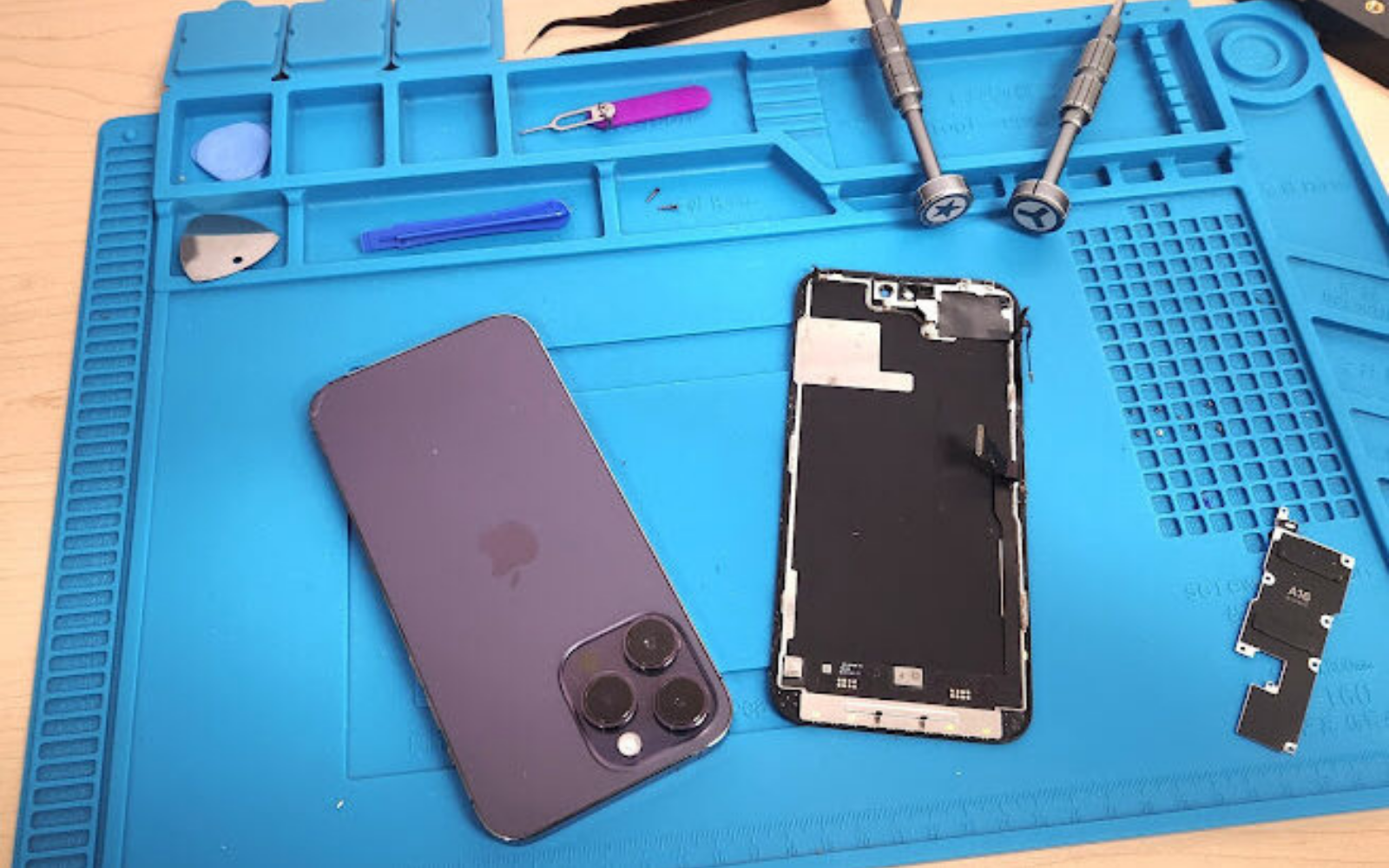
Board-level repair is the part of the trade where price and cost drift furthest apart. A charging IC costs a few pounds; the diagnosis, the equipment and the risk of destroying the board cost far more.
Shops that price board work like a parts swap either lose money or lose the job. The number has to reflect what the repair actually takes, and that starts with separating the work into its parts.
Why is board-level work priced differently?
Because the value is in the diagnosis and the skill.
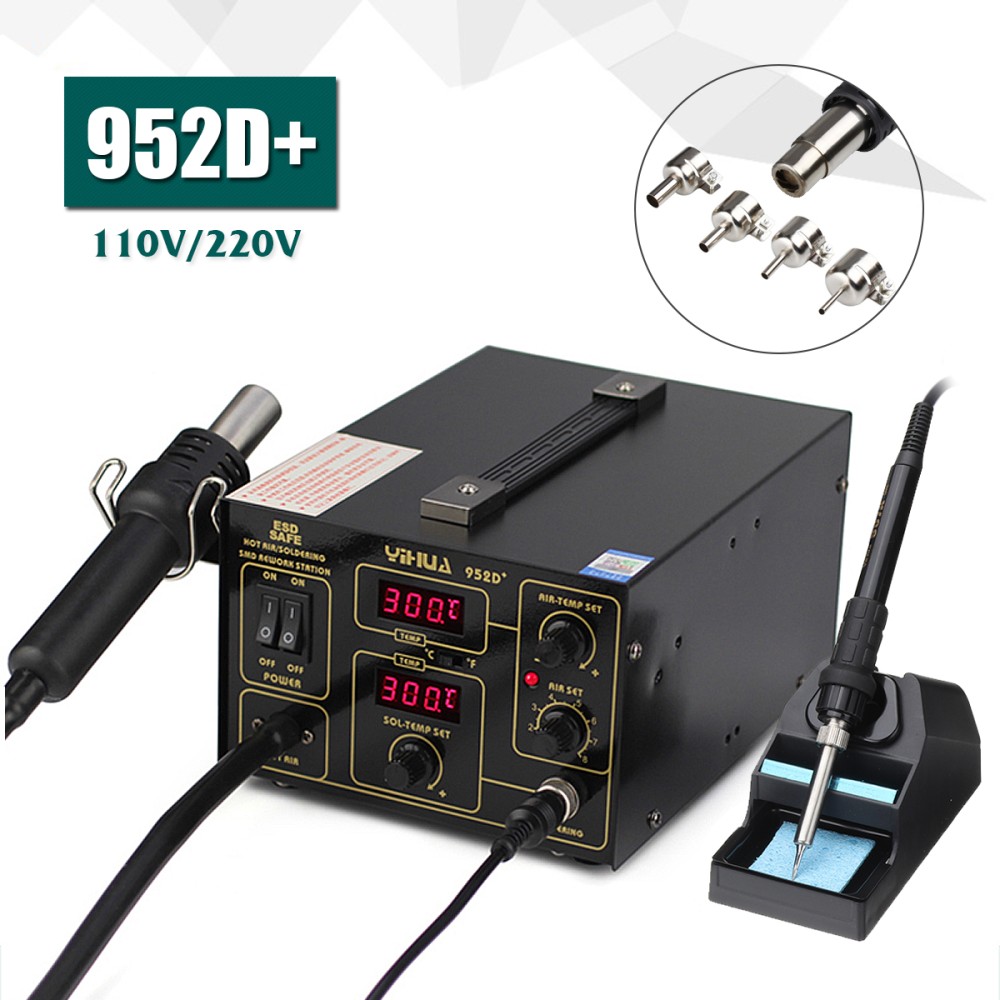
The component is cheap and the bench time is not. A microsoldering repair needs a microscope, a hot air station, a preheater, flux, wick and a technician who has practised on scrap before touching a customer’s board.
It also carries a risk a parts swap does not. A lifted pad or a damaged trace can turn a repairable device into a write-off, and that risk has to be priced into every job.
What should the diagnosis be worth?
A fixed fee that reflects the time, not the outcome.
A proper diagnosis involves current draw, voltage checks, thermal inspection and often a schematic. That is an hour of skilled work whether or not the board turns out to be repairable.
Charging for it makes the economics honest. A shop that gives diagnosis away has to recover it from the repairs that proceed, which pushes every successful price up and makes the failures free.
Write the finding down as well. A one-page diagnosis with the measurements and the conclusion is a deliverable the customer can keep, and it justifies the fee better than any explanation at the counter.
How do you price a component-level repair?
Base, plus complexity, plus risk.
Start with a base that covers the first hour of board work and the standard consumables. Add a complexity tier for BGA work, multiple components or a board that has been worked on before.
Add a risk allowance for jobs where the failure would be expensive. A charging port is low risk; a CPU reball is not, and the price should say so.
Keep the tiers simple enough to quote without a calculator. Three levels, each with a clear description, are easier to explain than a formula the customer cannot follow.
What does a failed repair cost?
The part, the time and sometimes the device.
A repair that does not succeed still consumed the diagnosis, the bench time and the consumables. If the shop does not charge for it, the failure is funded from the successes.
The larger cost is the device. A board that is damaged beyond recovery may have to be replaced, and the shop needs a written position on that before it starts.
How do you quote when the fault is unknown?
As a range, with the conditions stated.
Quote the diagnosis first, then a range for the likely repair. State what would move the price: a second fault, a previous repair, or a component that has to be ordered.
A range is honest. A single number for an unknown fault is either too high, and loses the job, or too low, and loses the margin.
State what the top of the range includes. If the highest figure assumes a second component and a longer test, say so, and the customer will understand why the final price can move.
Should you charge a bench fee?
Yes, where the diagnosis takes real time.
A bench fee covers the strip-down, the measurement and the written finding. It is credited against the repair if the customer proceeds, which keeps it fair while still paying for the work.
State it at intake and on the quote. A fee that appears at the end feels like a penalty; one that is explained at the start is simply the price of finding out.
A bench fee also filters the enquiries. Customers who are shopping for a free diagnosis usually go elsewhere, and the ones who stay are more likely to proceed with the repair.
How do you price rework?
Free if the fault is yours, chargeable if it is not.
A joint that fails because of the shop’s work is a warranty repair. A device that returns with a new fault, or with damage from a drop, is a new job.
The distinction depends on records. Photographs, a job sheet and a note of what was repaired are what allow the shop to make that call without an argument.
Rework also has a cost in bench time that the original job did not include. Price the first repair so that a reasonable rate of rework is already covered, rather than charging for it as a surprise.
What margin should board work carry?
More than a parts swap, because the risk is higher.
A screen replacement carries a known part cost and a short bench time. Board work carries an uncertain time, a real chance of failure and equipment that has to be paid for over hundreds of jobs.
The exact figure depends on the shop’s overheads, but the principle is simple: if the margin does not cover the failures, the successful jobs are subsidising the unsuccessful ones.
How do you explain the price to a customer?
In terms of what is being done, not what it costs.
A customer comparing a £90 board repair with a £3 component will always feel the price is high. Explain the diagnosis, the equipment and the fact that the alternative is often a replacement device.
Give them the comparison openly. A board repair at £90 against a £400 replacement is an easy decision; hiding the comparison makes the £90 look arbitrary.
When should you decline the job?
When the risk exceeds what the price can cover.
A board with previous work, liquid damage across several areas or a fault that cannot be isolated is a job where the shop may spend hours and still fail. Declining is a commercial decision, not a failure.
The policy for that decision is set out in when to decline a repair, and it protects both the customer and the bench.
How do you compare with a replacement device?
On the customer’s total cost, not the repair alone.
A repair that costs 30 per cent of a replacement is usually worth doing. One that costs 70 per cent is a harder conversation, especially on an older device with other wear.
Be honest about the comparison. A customer who is steered into an expensive repair on a device that is nearly finished will not thank the shop later.
Write the comparison on the quote as well, so the decision is visible to whoever reads it later. It turns a sales conversation into a documented recommendation.
That record also helps the shop review its own advice. If the repairs recommended on older devices keep failing, the comparison is the place to see why.
How do you record board-level time?
By stage, not by job.
Record the diagnosis, the board work and the testing separately. That breakdown shows where the time actually goes and which stage is underpriced.
Review it quarterly. A shop that discovers most of its time goes into diagnosis can adjust the bench fee rather than raising every repair price.
A board-level quote is four lines with the conditions attached. The structure matters as much as the number.
Line one is the diagnosis, with the time it includes. Line two is the likely repair, as a range. Line three is any part that has to be ordered, priced separately. Line four is the testing and reassembly.
Below the numbers, state the conditions: the price assumes no further faults, no previous work on the board and a device that can be reassembled. If any of those change, the price changes.
That structure does two things. It shows the customer what they are paying for, and it protects the shop when the job turns out to be bigger than the visible fault suggested.
Keep the quote short enough to read at the counter. A page of terms is not a quote; it is a contract, and most customers will not read it before deciding.
Record the accepted version against the job. If the customer later disputes the price, the accepted quote is the document that settles it.
The same four lines work for a repair that is expected to succeed and for one that may not. The difference is in the wording of the range, not in the structure.
What is the one rule for board-level pricing?
Charge for the work, not for the component.
The component is the smallest part of the cost. The diagnosis, the skill and the risk are what the customer is buying, and the price has to reflect them.
Around it sit the ordinary disciplines: quote a range, charge a bench fee, record the stages and decline the jobs the price cannot cover. The general pricing method is set out in the shop’s own pricing method, the fault patterns in the faults you will see on a board bench, and the equipment in what to buy first for board work. Consumer contracts sit under the Consumer Rights Act 2015, bench electrical safety under HSE electrical safety, product safety with the Office for Product Safety and Standards, disposal under the Waste Electrical and Electronic Equipment Regulations 2013, and customer records under ICO guidance for organisations.
FAQ
Why is a board repair so much more expensive than the component?
Because the price covers diagnosis, bench time, equipment and the risk of an unsuccessful repair. The component itself is usually the smallest part of the cost.
Should I charge a bench fee for diagnosis?
Yes, where the diagnosis takes real time. Credit it against the repair if the customer proceeds, and state it at intake so it does not feel like a penalty.
How do I quote a fault I have not identified yet?
Quote the diagnosis first, then a range for the likely repair with the conditions that would move the price. A single number for an unknown fault is either too high or too low.
When should I decline a board-level job?
When the risk exceeds what the price can cover, such as a board with previous work or damage across several areas. Declining protects the customer and the bench.
Price the skill, not just the part. Digi4u supplies board-level tooling and components on the same trade account as the screens.