


Do Replacement Parts Need Pairing or Serial Matching?
Need this part? We stock tested replacement parts with same-day UK dispatch and a 12-month warranty.
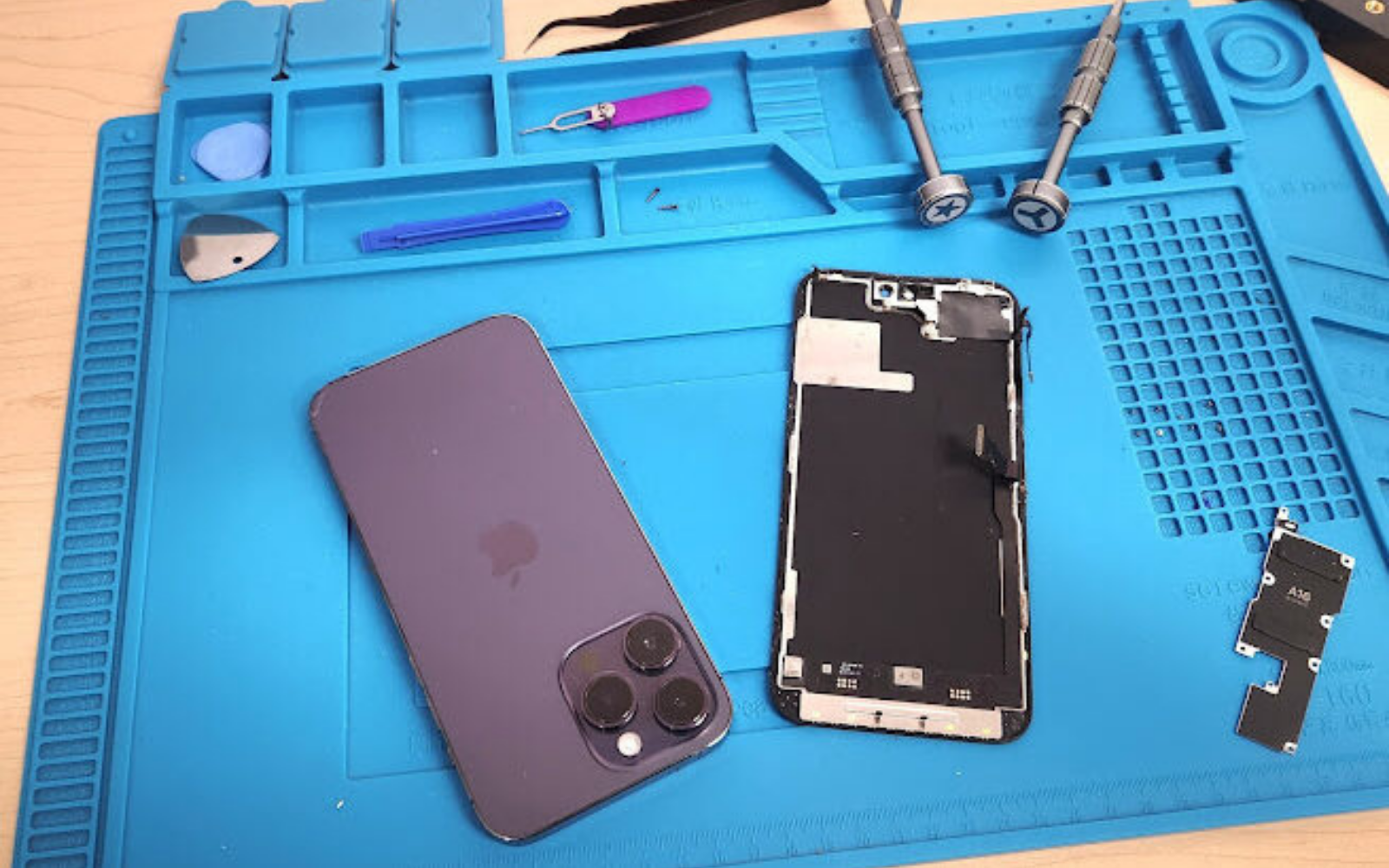
Pairing is the part of modern repair that catches shops out, because it changes the value of a part without changing how it fits. Two assemblies can be physically identical and produce two different outcomes, and the difference is invisible until the device is powered on.
Understanding which parts are paired, what the device reports, and how to choose between a part that will be recognised and one that will not is now a core purchasing skill rather than a technical curiosity.
What does parts pairing actually mean?
That a component and a logic board can recognise each other.
On modern phones, certain components carry an identifier that the device checks against the board it is fitted to. Where the two match, the device reports the part as genuine or verified. Where they do not, the device may report the part as unidentified and, on some components, withhold a specific function.
The industry term for the mechanism varies, but the behaviour is consistent: identification happens in software, and it is the software’s opinion rather than the part’s condition that changes. That distinction is what makes the subject manageable rather than intimidating.
Which parts are paired on modern iPhones?
More than most shops expect.
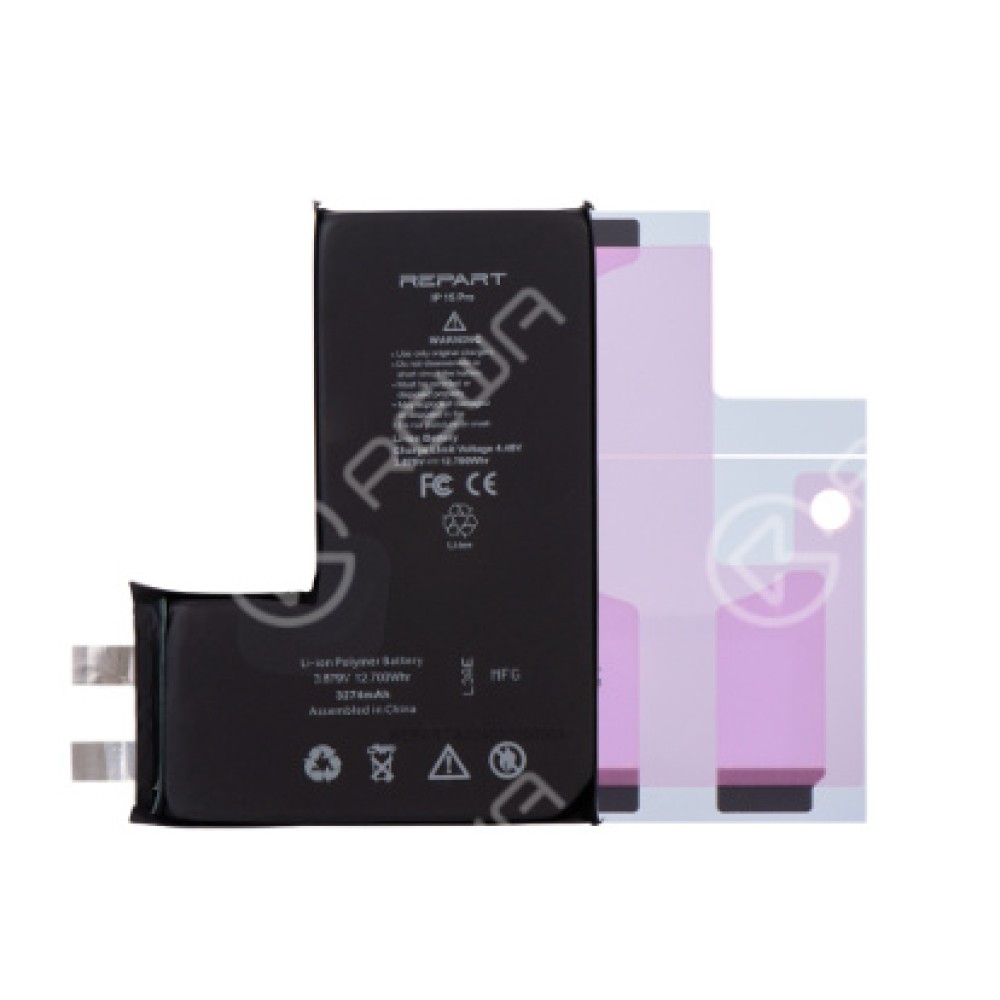
Batteries, displays, cameras and several smaller components are checked against the board on current models, and the list has grown with each generation. What the device does about a mismatch varies: a battery may stop reporting health, a display may lose a display-related setting, and a camera may lose a specific feature.
Apple publishes the behaviour at iPhone parts and service history, and the battery case in particular is documented at genuine iPhone batteries. Reading those pages once is worth more than any amount of forum reading afterwards.
Do Samsung and other Android devices pair parts?
Not identically, and the practical effects still matter.
Other manufacturers do not generally display the same class of notice for a battery or a screen, but specific functions still depend on the right part and on calibration. Under-display fingerprint readers on Samsung and Pixel devices are the clearest example, because the sensor is part of the display assembly and may need re-enrolment or calibration after a swap.
The practical rule is therefore the same across brands: confirm what the model expects, and confirm that the assembly you are buying carries it. What differs is whether the customer sees a message, not whether the part has to be right.
What does a shop see when a part is not paired?
A message, a missing figure, or a lost function.
The three outcomes look very different to a customer. A message is visible and alarming. A missing figure, such as the battery health percentage, is noticeable to anyone who looks. A function that quietly does not work, such as a camera feature or a display setting, may go unnoticed for weeks.
That is why testing has to cover the functions a part provides rather than only whether the device powers on. Testing the functions the customer uses most, first, keeps the repair focused on what matters, and the reporting question can be checked at the end when everything else is confirmed. What a customer will notice first is the thing to test first, and the routine is described in testing a replacement screen before sealing it.
Does pairing stop the part working?
Almost never, and it can change what the device does.
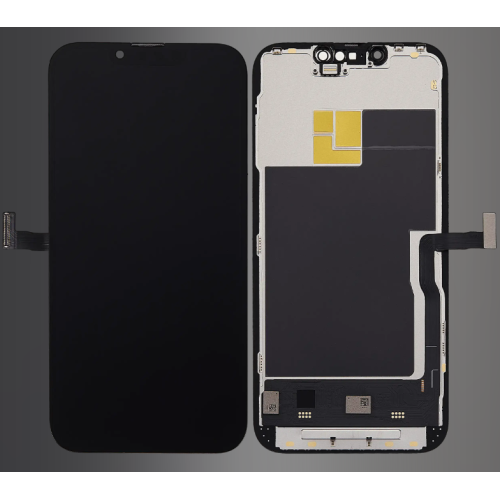
A battery that is not recognised still charges and discharges. A display that is not recognised still displays. What changes is the reporting and, on some models, specific settings or features that depend on the device recognising the component.
That is a crucial distinction for the customer conversation. The repair has worked; the device is simply declining to confirm one of its parts, which is a different statement from a repair that has failed.
How do you decide whether to buy a paired part?
By what the customer needs from the device afterwards.
For most customers the answer is the repair itself, and a part that fits, works and costs less is the right purchase. Where the customer needs a specific function, or is planning to sell the device, the calculation changes and the part that reports properly becomes worth the premium.
Presenting those as two prices rather than one is the cleanest way to sell it. A customer choosing between a part that reports and one that does not understands the purchase, which is a far better position than discovering the difference afterwards.
It is worth writing that choice into the shop’s standard quote, so the same question is asked on every job rather than remembered on some. A line on the quote template that reads “part that reports” or “part that may not report” makes the decision explicit and the price comparison fair.
What should you tell the customer before the repair?
One sentence about what the device may report.
The sentence is not complicated: the replacement restores the function, and the device may or may not report the part as it did before. Said at the counter it is information; said after the repair it is an excuse.
Where the part is a battery, the full explanation covers what the health figure does and does not tell the customer, which is set out in reading the battery health figure. The same structure works for a display, a camera or anything else the device checks.
How does pairing affect a resold device?
It reduces what the device is worth unless it is disclosed.
A buyer who finds an unidentified part after purchase feels misled, whether or not the seller intended it. A device described as having a replacement part, with the reporting behaviour stated, is worth less than a fully verified one but is not a dispute waiting to happen.
That makes pairing a disclosure item on any device the shop sells, alongside the cosmetic grade and the warranty terms. The wider approach to preparing devices for resale is described in the same disclosure logic.
| Component | Typical reporting effect | Practical consequence |
|---|---|---|
| Battery | Health figure may be withheld | Disclose; the cell still performs |
| Display | Display settings or True Tone may change | Test before sealing and disclose |
| Camera | Features may be limited | Test the features the customer uses |
| Under-display reader | May need re-enrolment or calibration | Test before sealing, on all brands |
| Small sensors | Function may be lost quietly | Include them in the pre-seal test |
Can a shop transfer a paired component?
Sometimes, and it is a skill rather than a shortcut.
Where the component that carries the identity can be moved from the old assembly to the new one, the device may continue to recognise it. That is the principle behind IC transfer work on displays, and it is also the reason that work carries risk.
The technique damages panels when it is done without practice, and the failure mode is not subtle: touch that stops responding, or a display that does not start. The considerations are described in why an IC transfer can kill touch, and it should not be attempted as a way of avoiding a part choice.
Where a transfer is not possible and the customer needs the function, the decision moves back to the part. Two identical repairs can end differently for that reason alone, which is why the choice belongs in the quote rather than in a conversation after the event. A shop that repairs a narrow range will learn its own list of affected models quickly and stop treating the subject as unpredictable.
What does this mean for warranty and returns?
That the part’s reporting behaviour has to be recorded.
Where a customer returns a device complaining about a message, the shop’s position depends on whether it can show that the behaviour was explained and agreed. The job sheet, the part reference and the conversation note are what make that possible.
On the supplier side, the same records support a claim. A part that reports differently from its description is a grading issue, and the batch reference is what turns it into a conversation rather than a dispute. The process that supports both is described in building a parts returns process.
How do you record it?
Part, behaviour before, behaviour after.
Three fields, filled in at the bench: which part was fitted, what the device reported before the repair and what it reports afterwards. Where a message or a missing figure is the outcome, a photograph takes two seconds and settles the question permanently.
That record also builds the shop’s own intelligence about which suppliers’ parts report and which do not, which is more reliable than any listing description. Pairing behaviour then becomes a purchasing criterion like price and grade, rather than a surprise.
What is the one rule for buying paired parts?
Ask what the device will report before you order.
One question to the supplier, asked once per line, removes the surprise. A supplier who can answer it is describing their stock properly, which is the same standard that applies to grade and to returns terms.
Around it sit the usual disciplines: confirm the model code, test the functions the part provides before sealing, disclose the reporting behaviour at the counter and record the outcome. Replaced parts are waste under the Waste Electrical and Electronic Equipment Regulations 2013, Apple’s documentation on genuine iPhone displays covers the display case in detail, retail customers keep their rights on the finished work under the Consumer Rights Act 2015, and parts placed on the market fall to the Office for Product Safety and Standards.
FAQ
What is parts pairing on a phone?
It is a check in which certain components carry an identifier that the device compares with the logic board. Where they match, the part is reported as verified; where they do not, the device may report it as unidentified and withhold a specific function.
Does an unpaired part stop working?
Almost never. A battery that is not recognised still charges and discharges, and a display that is not recognised still displays. What changes is what the device reports, and occasionally a setting or feature that depends on recognition.
Which iPhone parts are paired?
Batteries, displays, cameras and several smaller components are checked against the board on current models, and the list has grown with each generation. Apple documents the behaviour in its parts and service history guidance.
Should I tell the customer about pairing before a repair?
Yes. One sentence at the counter explaining that the repair restores the function while the device may report the part differently removes the complaint entirely. Said after the repair, the same sentence sounds like an excuse.
Ask what the device will report before you order. Digi4u lists parts by grade and model so you can plan the outcome as well as the repair.
{
“@context”: “https://schema.org”,
“@type”: “FAQPage”,
“mainEntity”: [
{“@type”: “Question”, “name”: “What is parts pairing on a phone?”,
“acceptedAnswer”: {“@type”: “Answer”, “text”: “It is a check in which certain components carry an identifier that the device compares with the logic board. Where they match, the part is reported as verified; where they do not, the device may report it as unidentified and withhold a specific function.”}},
{“@type”: “Question”, “name”: “Does an unpaired part stop working?”,
“acceptedAnswer”: {“@type”: “Answer”, “text”: “Almost never. A battery that is not recognised still charges and discharges, and a display that is not recognised still displays. What changes is what the device reports, and occasionally a setting or feature that depends on recognition.”}},
{“@type”: “Question”, “name”: “Which iPhone parts are paired?”,
“acceptedAnswer”: {“@type”: “Answer”, “text”: “Batteries, displays, cameras and several smaller components are checked against the board on current models, and the list has grown with each generation. Apple documents the behaviour in its parts and service history guidance.”}},
{“@type”: “Question”, “name”: “Should I tell the customer about pairing before a repair?”,
“acceptedAnswer”: {“@type”: “Answer”, “text”: “Yes. One sentence at the counter explaining that the repair restores the function while the device may report the part differently removes the complaint entirely. Said after the repair, the same sentence sounds like an excuse.”}}
]
}