


iPhone Rear Camera Module Replacement Parts UK: Fit Mentions for Repair Shops
Need this part? We stock tested replacement parts with same-day UK dispatch and a 12-month warranty.
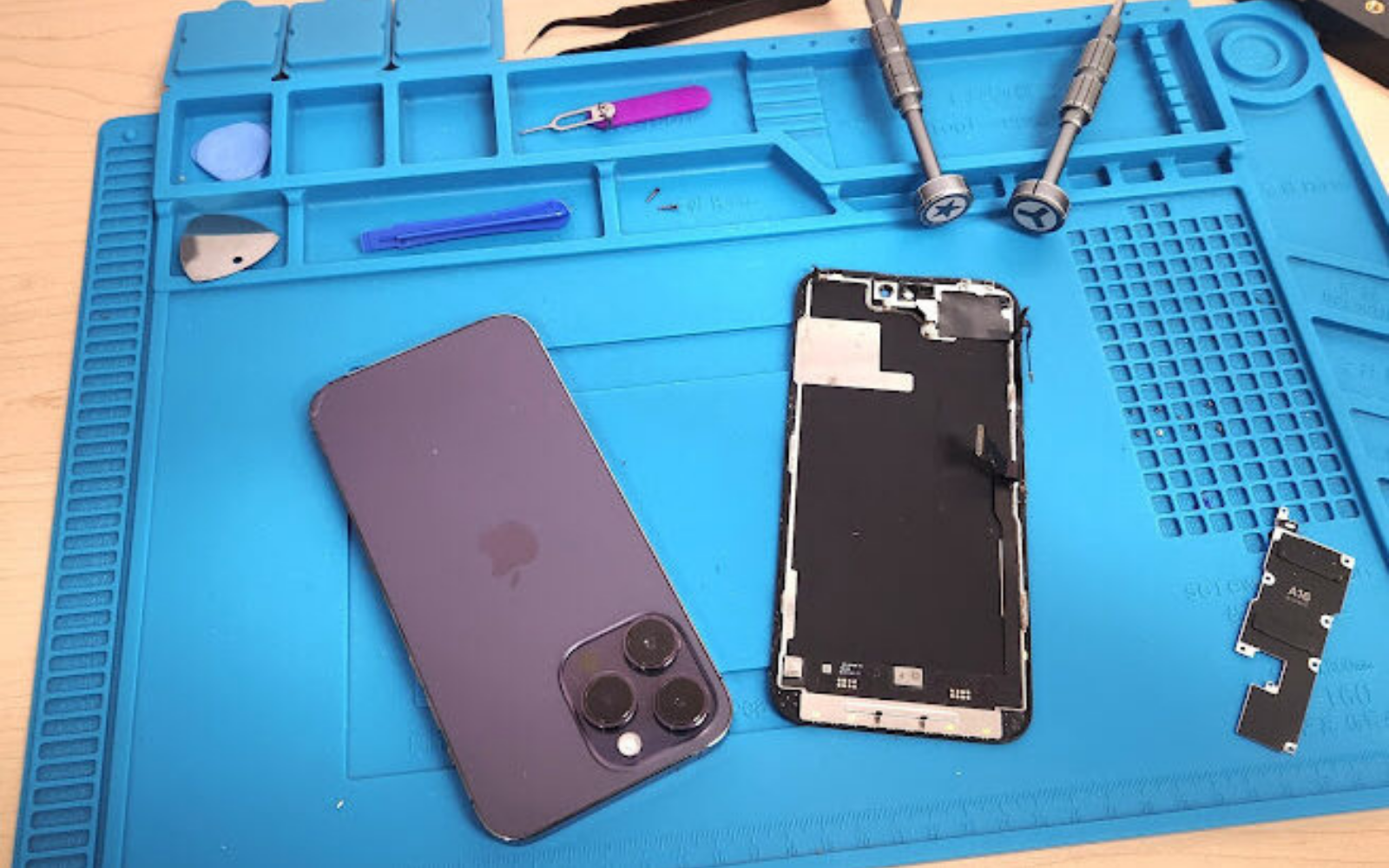
When sourcing an iphone rear camera module replacement uk for a professional workshop, the priority is a part that matches the original optical stack, connector pin‑out and calibration data so that the device passes Apple’s post‑repair diagnostics without rework.
Lens glass‑only vs full module decision
Replacing only the outer lens glass is faster and cheaper, but it does not restore the optical alignment of the sensor, autofocus actuator or optical image stabilisation (OIS) assembly. A full module swap guarantees that the factory‑calibrated focus positions and OIS centre points are preserved, reducing the risk of focus hunting or blurred low‑light shots after reassembly. Shops that regularly handle Pro‑model repairs should stock complete modules for the 12 Pro Max through 16 Pro Max series to avoid the extra labour of re‑calibrating a glass‑only fix. For older non‑Pro models where the lens is a separate piece, a glass‑only kit remains a viable low‑cost option.
Multi‑lens Pro layouts and connector maps
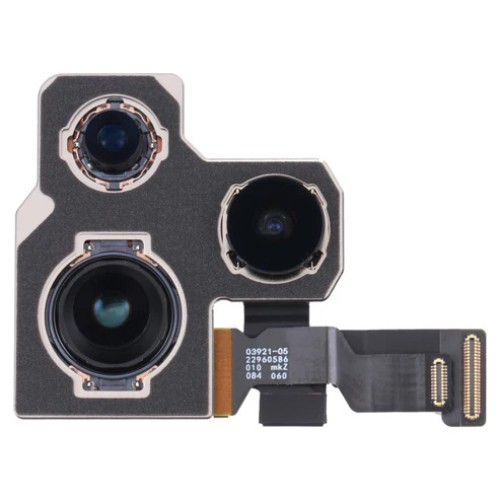
Since the iPhone 12 Pro Max Apple has used a triple‑camera array with a LiDAR scanner on the Pro Max variants. Each lens (wide, ultra‑wide, telephoto) has its own flex connector that plugs into the logic board via a high‑density FPC. The connector pin‑out differs between the 12/13 series and the 14/15/16 series, so a module labelled for a 13 Pro Max will not seat correctly on a 14 Pro Max board. Digi4u’s rear‑camera hub lists the exact part numbers for each generation, allowing technicians to verify the connector shape before ordering.
Focus, OIS and dust‑under‑glass failure modes
Common failure modes that justify a full module replacement include a seized voice‑coil motor (VCM) that prevents autofocus, a broken OIS spring causing image shift, and dust trapped between the lens elements and the sensor cover glass. Dust under the cover glass cannot be removed by cleaning the outer lens; it requires a clean‑room disassembly of the module. When a device exhibits persistent focus hunting after a glass‑only repair, the root cause is almost always a mis‑aligned VCM or contaminated sensor stack, both resolved by swapping the complete module.
How to match modules to model years
Match the module to the exact model identifier (e.g. A2848 for iPhone 15 Pro) rather than the marketing name.
Use the model number printed on the SIM tray or in Settings → General → About to cross‑reference Digi4u’s SKU table; this avoids ordering a 14 Pro module for a 14 Pro Max.
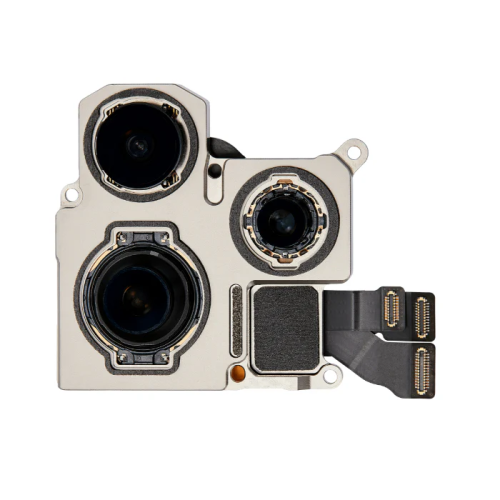
Each iPhone generation introduces subtle changes to the flex length, connector keying and calibration data stored in the module’s EEPROM. The 12 Pro Max and 13 Pro Max share a similar three‑connector layout but the 13 series uses a revised VCM driver that requires the newer firmware bundle. From the 14 Pro Max onward Apple added a fourth connector for the LiDAR scanner, and the 15 Pro/15 Pro Max moved to a 48 MP main sensor with a different optical stack. The 16 series (released 2024) retains the 15‑series connector map but updates the sensor calibration blob. Always verify the part number against the device’s model identifier before placing an order.
QC photo tests after install
After fitting a replacement module, run a standardised photo‑quality checklist before returning the handset to the customer. Capture a test chart at 1 m, 3 m and infinity distances using the native Camera app in Photo mode (no Night mode). Verify that the wide, ultra‑wide and telephoto lenses all achieve sharp focus at the centre and corners, and that OIS stabilises a 1/4 s handheld exposure without motion blur. Check for colour fringing, vignetting or stuck‑pixel artefacts that would indicate a mis‑aligned sensor. Document the results with timestamped JPEGs; this provides traceability for warranty claims and demonstrates compliance with UK product‑safety guidance for repaired electrical equipment.
UK stock for popular Pro camera SKUs
Digi4u maintains UK‑based stock for the most requested Pro‑model modules, enabling same‑day dispatch for orders placed before 16:00 Monday‑Friday. The table below summarises the current high‑turn SKUs, their compatible model identifiers and the connector count.
| SKU (Digi4u) | Compatible Models | Connector Count | Sensor Resolution |
|---|---|---|---|
| RC‑12PM‑001 | iPhone 12 Pro Max (A2411) | 3 | 12 MP |
| RC‑13PM‑001 | iPhone 13 Pro Max (A2643) | 3 | 12 MP |
| RC‑14PM‑001 | iPhone 14 Pro Max (A2893) | 4 | 48 MP |
| RC‑15P‑001 | iPhone 15 Pro (A3101) | 4 | 48 MP |
| RC‑15PM‑001 | iPhone 15 Pro Max (A3104) | 4 | 48 MP |
| RC‑16PM‑001 | iPhone 16 Pro Max (A3400) | 4 | 48 MP |
All listed modules are original‑pulled or high‑grade aftermarket units that have passed Digi4u’s inbound visual and electrical inspection. For the latest availability, visit the cameras category or the dedicated rear‑camera hub.
Cross‑sell back glass and lens rings
A rear‑camera module swap often coincides with a cracked back glass or a damaged lens‑ring bezel. Supplying the matching back‑glass housing and lens‑ring kit in the same order reduces the number of shipments and ensures colour‑match consistency across the rear assembly. Digi4u’s back‑glass housing guide details the adhesive‑free frames for 12‑through‑16 series, while the lens‑glass replacement article explains when a glass‑only repair is still appropriate. Bundling these parts also simplifies inventory management for shops that run a “one‑stop” repair service.
Stocking strategy for multi‑generation Pro repairs
Workshops that service the full 12 Pro Max through 16 Pro Max range should organise inventory by connector count and sensor resolution rather than by marketing name alone. The three‑connector 12 Pro Max and 13 Pro Max modules share a similar flex length but differ in VCM driver firmware; keeping both SKUs on hand prevents a technician from attempting a cross‑generation swap that will fail Apple’s post‑repair diagnostics. From the 14 Pro Max onward the four‑connector layout becomes standard, yet the 14 series uses a 12 MP main sensor while the 15 and 16 series move to a 48 MP stack with a revised optical formula. Labelling each bin with the model identifier (A2411, A2643, A2893, A3101, A3104, A3400) and the Digi4u SKU eliminates guesswork during a busy repair shift. A minimum of two units per high‑turn SKU covers same‑day turnaround for walk‑in customers while allowing one unit to remain in QC quarantine after inbound inspection.
Because the LiDAR flex is mechanically fragile, store four‑connector modules in anti‑static clamshells with the connector ends protected by silicone caps. Rotate stock on a first‑in‑first‑out basis and log the inbound inspection date on the bin label; this supports traceability if a warranty claim arises months later. Digi4u’s same‑day dispatch cut‑off of 16:00 Monday‑Friday means a replenishment order placed at lunch can restock the bench before the afternoon rush, keeping lead times predictable for shops that offer while‑you‑wait camera repairs.
Advanced calibration verification and EEPROM pairing
After a module swap, the replacement’s EEPROM must communicate its calibration blob to the logic board so that the ISP can apply the correct lens‑shading, autofocus map and OIS centre‑point data. On 14 Pro Max and newer, the LiDAR module also carries a separate calibration partition that the Secure Enclave validates during boot. A practical verification step is to launch the native Camera app, switch to the ultra‑wide lens, and confirm that the 0.5× zoom preview stabilises within two seconds — delayed stabilisation usually indicates an EEPROM mismatch or a flex seating issue. For shops with access to Apple’s AST2 or a third‑party diagnostic suite, run the “Camera Module Calibration” routine; it will report “Pass” only when the wide, ultra‑wide, telephoto and LiDAR (where present) all return valid checksum values.
If a module passes visual inspection but fails the calibration check, reseat all connectors under magnification and repeat the test before condemning the part. Persistent failures on a known‑good board suggest the replacement’s EEPROM data was not programmed to the correct firmware revision — a scenario more common with aftermarket assemblies than with original‑pulled units. Document the diagnostic log screenshot alongside the timestamped JPEG test chart; this evidence streamlines any warranty return to Digi4u and demonstrates due diligence to the end customer.
Conclusion
Consistent, high‑quality rear‑camera repairs hinge on matching the exact module to the device’s model identifier, verifying connector count and sensor generation, and running a repeatable QC checklist that captures focus, OIS and colour performance. By stocking the right SKUs in labelled anti‑static bins, rotating inventory on a FIFO basis, and documenting every calibration check, UK repair shops reduce rework, protect their reputation and keep turnaround times within same‑day service windows. Digi4u’s UK‑held stock, same‑day dispatch before 16:00 Monday‑Friday, and detailed part‑number cross‑reference tables give technicians the confidence to quote accurately and deliver repairs that pass Apple’s post‑repair diagnostics first time. Browse the rear‑camera hub or the cameras category to place your next replenishment order and keep your bench ready for every Pro‑model that walks through the door.
FAQ
Which iPhone models require a four‑connector rear camera module?
All Pro Max models from the iPhone 14 Pro Max onward (14 Pro Max, 15 Pro, 15 Pro Max, 16 Pro Max) use a four‑connector flex that includes the LiDAR scanner. Earlier Pro Max models (12 Pro Max, 13 Pro Max) have three connectors.
Can a 13 Pro Max module be used on a 14 Pro Max?
No. The 14 Pro Max adds a fourth connector for LiDAR and uses a different VCM driver firmware. Installing a 13 Pro Max module will leave the LiDAR connector unpopulated and cause a diagnostic failure.
What QC steps should a shop perform after a module swap?
Run a multi‑distance focus test on all lenses, verify OIS stability at 1/4 s handheld, and inspect for colour fringing or dead pixels. Record timestamped JPEGs for traceability and warranty evidence.
Does Digi4u offer same‑day dispatch for camera modules?
Yes. Orders placed before 16:00 Monday‑Friday are dispatched the same day via Royal Mail 48 Tracked or DPD, depending on the shipping zone. Standalone lithium‑battery items ship DPD only.