


Oppo Screen Replacement Parts UK: Find and A-Series Stocking for Repair Shops
Need this part? We stock tested replacement parts with same-day UK dispatch and a 12-month warranty.
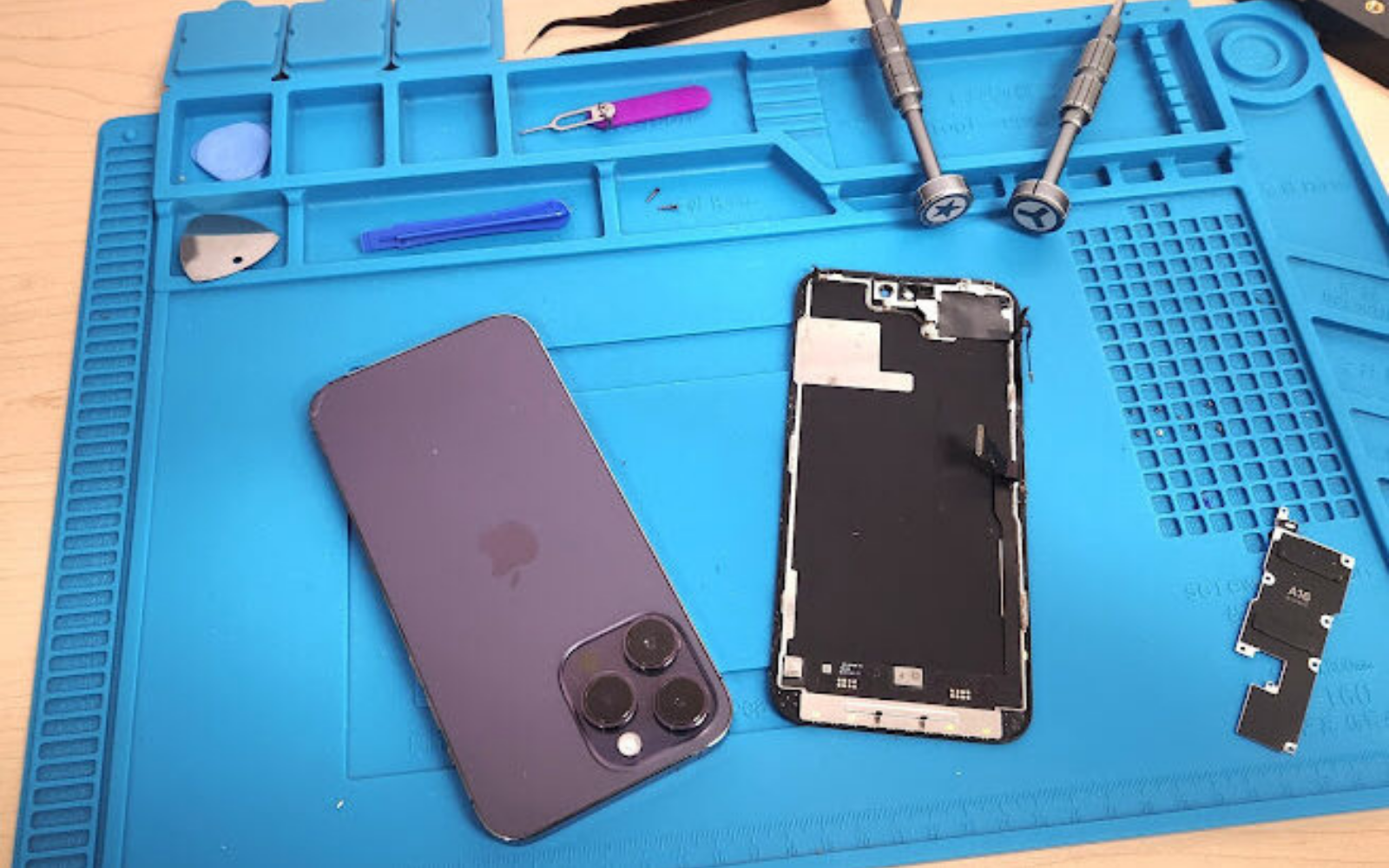
When sourcing oppo screen replacement parts uk, repair shops must balance flagship‑level demand for Find series OLEDs with the high‑volume, lower‑margin A‑series LCDs that keep daily throughput steady.
Find flagship vs A‑series economics
Flagship Find models command higher unit prices but lower repeat‑order frequency.
Shops typically stock a handful of Find X5 Pro and Find X5 Lite panels while maintaining deeper A‑series inventories such as the A74 and A94 families.
The Find series uses curved AMOLED panels that require specialised separator tools and precise adhesive handling, increasing labour time per job. In contrast, A‑series devices often ship with flat LCD or rigid OLED assemblies that can be swapped with standard heat‑gun techniques, reducing per‑repair cost. A typical shop might allocate 15 % of its Oppo budget to Find panels and 85 % to A‑series units, reflecting the volume‑driven revenue model. The table below summarises the key economic drivers.
| Factor | Find Series (Flagship) | A‑Series (Volume) |
|---|---|---|
| Relative panel cost | Higher (flagship OLED) | Lower (volume A-series) |
| Typical repair time | 90–120 min | 45–60 min |
| Repeat‑order cycle | 30–45 days | 7–14 days |
| Tooling requirement | Curved‑glass separator, UV adhesive | Standard heat gun, basic adhesive |
| Margin potential | Higher per unit | Higher aggregate volume |
Because Digi4u lists both Find X5 Pro and A74 4G assemblies, shops can source the full spectrum from a single UK supplier, simplifying purchase orders and delivery scheduling. Same‑day dispatch for orders placed before 4 PM Monday‑Friday further reduces lead‑time risk.
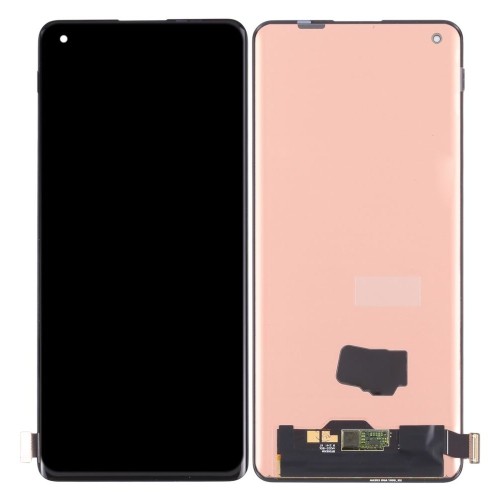
With‑frame vs bare panel decision
Choosing a display with frame eliminates the need to transfer the original mid‑frame, saving 15–20 minutes per repair.
Bare panels are cheaper upfront but require careful alignment of the existing frame, increasing the chance of dust ingress or mis‑fit.
For high‑throughput A‑series jobs, a with‑frame assembly such as the A74 4G replacement AMOLED touch screen assembly streamlines workflow and reduces re‑work rates. Flagship Find panels are often sold as bare OLEDs because the curved glass integrates tightly with the chassis; shops must weigh the extra labour against the lower part cost. Digi4u’s product pages clearly indicate whether a listing includes the frame, allowing buyers to match the part to their preferred repair method.
Model code traps across regional Oppo SKUs
Regional model codes (CPH, CPH‑xxx) differ between UK, EU and Asian variants, leading to mismatched connectors or firmware‑locked panels.
Always verify the exact CPH number on the device’s settings screen before ordering.
Oppo releases the same marketing name – for example Reno 8 – under multiple CPH codes (CPH2451, CPH2453, CPH2455) with distinct flex‑cable layouts and fingerprint‑sensor flexes. A UK‑spec Reno 8 5G (CPH2451) will not accept a panel intended for the Chinese CPH2453 variant. Digi4u’s listings include the CPH reference in the title, helping shops avoid costly returns. Cross‑referencing the Oppo support site support.oppo.com with the device’s IMEI confirms the correct code before purchase.
Fingerprint after Oppo OLED swaps
In‑display fingerprint sensors on Find and Reno OLEDs require re‑calibration after panel replacement.
Most shops run the official Oppo calibration routine via the service menu or a trusted third‑party tool.
Failure to recalibrate results in intermittent unlock failures and customer complaints. The process typically involves entering the engineering mode (##3646633##), selecting “Fingerprint Calibration”, and following the on‑screen prompts. Some A‑series models (e.g., A94) use a side‑mounted capacitive sensor that is unaffected by screen swaps, simplifying those repairs. Digi4u’s product descriptions note whether a panel includes the fingerprint flex, which is essential for Find X5 Pro and Reno 8 Pro assemblies.
Heat and separator notes for curved glass
Curved AMOLED panels on Find X5 Pro and Reno 8 Pro demand a controlled‑temperature separator (80–90 °C) and a soft‑start ramp to avoid delamination.
Using a standard hot‑plate at 120 °C risks cracking the thin glass and damaging the polariser.
Investing in a dedicated curved‑glass separator with programmable profiles pays off after 20–30 flagship jobs. For shops that handle both flat and curved panels, a dual‑zone heater offers flexibility. Digi4u’s blog on phone screen separation tools uk outlines recommended equipment and temperature curves for Oppo curved displays.
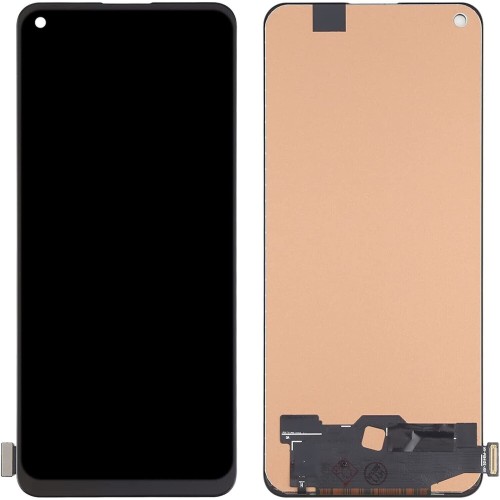
Shop stock depth recommendations
Maintain a minimum of two units per fast‑moving A‑series SKU (A74, A94, Reno 5/8 family) and one unit per flagship Find SKU.
Adjust quantities quarterly based on repair ticket data and seasonal demand spikes.
A practical rule: allocate 70 % of Oppo shelf space to A‑series assemblies with frame, 20 % to Find bare OLEDs, and 10 % to ancillary flexes (charging port, fingerprint). Digi4u’s Oppo category and screen hub let buyers filter by series and frame inclusion, making replenishment orders straightforward. Same‑day dispatch for orders before 4 PM ensures that a sudden influx of A74 repairs can be met without delaying customers.
Related charging flex jobs
Screen replacements on Oppo devices often reveal worn charging‑port flexes, especially on the A‑series where the flex sits directly under the display.
Stocking the matching charging‑port flex alongside the screen reduces repeat visits.
When a customer presents a cracked A74 screen, inspect the charging flex for corrosion or bent pins; replacing both in one session saves labour and improves first‑time‑fix rates. Digi4u lists compatible charging flexes on the same product pages, and the adhesive and waterproof seals guide covers re‑sealing after flex work. For regulatory compliance on replacement parts, refer to the UK product‑safety guidance GOV.UK product safety and the BSI standards portal BSI Group.
Incoming QC workflow for screen deliveries
Every delivery of oppo screen replacement parts uk should pass a quick but structured incoming inspection before the parts reach the bench. Open the anti-static bag under clean, well-lit conditions and verify the CPH code on the flex cable matches the order confirmation — mismatched codes are the single biggest cause of wasted labour. Power the panel on a test fixture or donor board to check for dead pixels, backlight bleed, touch linearity and fingerprint flex continuity where applicable. For curved AMOLED assemblies, run a finger along the edges to feel for lifted polariser or micro-cracks that may not show on a static image. Log the batch number, date received and pass/fail status in your repair management software; this traceability speeds up any warranty discussion with Digi4u and protects your shop’s reputation with end customers. A five-minute check per unit eliminates the far costlier scenario of discovering a fault halfway through a customer repair.
Managing returns and warranty claims efficiently
Even with thorough QC, occasional defects or transit damage occur. Digi4u accepts returns on unopened, undamaged screen assemblies within 14 days of delivery, provided the original anti-static seal and protective films remain intact. If a panel fails during installation — for example a touch grid fault that only appears under load — photograph the defect clearly, note the batch code and contact support before discarding the part. For lithium-containing assemblies (most OLED units with integrated battery flex), DPD handles the return collection to comply with dangerous-goods regulations; non-lithium LCD panels can go back via Royal Mail 48. Keeping a small “quarantine” shelf for suspect units prevents accidental re-use and makes the returns paperwork straightforward. Shops that document each claim with photos and batch references typically see replacement units dispatched on the same working day, minimising downtime on the bench.
Conclusion
Stocking the right mix of Find flagship OLEDs and high-volume A-series assemblies, verifying CPH codes at goods-in, and running a consistent QC routine are the three habits that separate profitable Oppo repair operations from those bogged down by returns and rework. Digi4u’s UK warehouse ships both curved and flat panels with same-day dispatch for orders placed before 4 PM Monday to Friday — DPD for lithium-bearing assemblies, Royal Mail 48 for everything else — so your shelves stay full without tying up cash in excess inventory. Browse the Oppo category, filter by series and frame inclusion, and place your next replenishment order today to keep every repair flowing smoothly from check-in to hand-back.
Sister ColorOS benches often see OnePlus flagship glass as well — stocking notes are in OnePlus screen replacement parts UK.
FAQ
Which Oppo screen parts should a UK repair shop stock first?
Prioritise A‑series assemblies with frame such as the A74 and A94, plus the Find X5 Pro bare OLED for flagship demand. This mix covers 80 % of typical Oppo repair volume while keeping inventory costs manageable.
How do I verify the correct CPH code before ordering?
Open Settings → About phone → Model number on the device; the CPH code appears there. Cross‑check this code on the Oppo support site or Digi4u’s product title to ensure connector and firmware compatibility.
Is fingerprint recalibration mandatory after every OLED swap?
Yes for in‑display sensors on Find and Reno flagships. Run the official calibration routine via the service menu; side‑mounted sensors on A‑series models do not require recalibration.
What temperature profile is safe for separating curved Oppo glass?
Use a programmable separator set to 80–90 °C with a soft‑start ramp of 30 seconds. Avoid standard hot‑plates above 100 °C to prevent delamination or polariser damage.