


Phone Screen Separation Tools UK: Heat Pads, Plungers and Blades
Need this part? We stock tested replacement parts with same-day UK dispatch and a 12-month warranty.
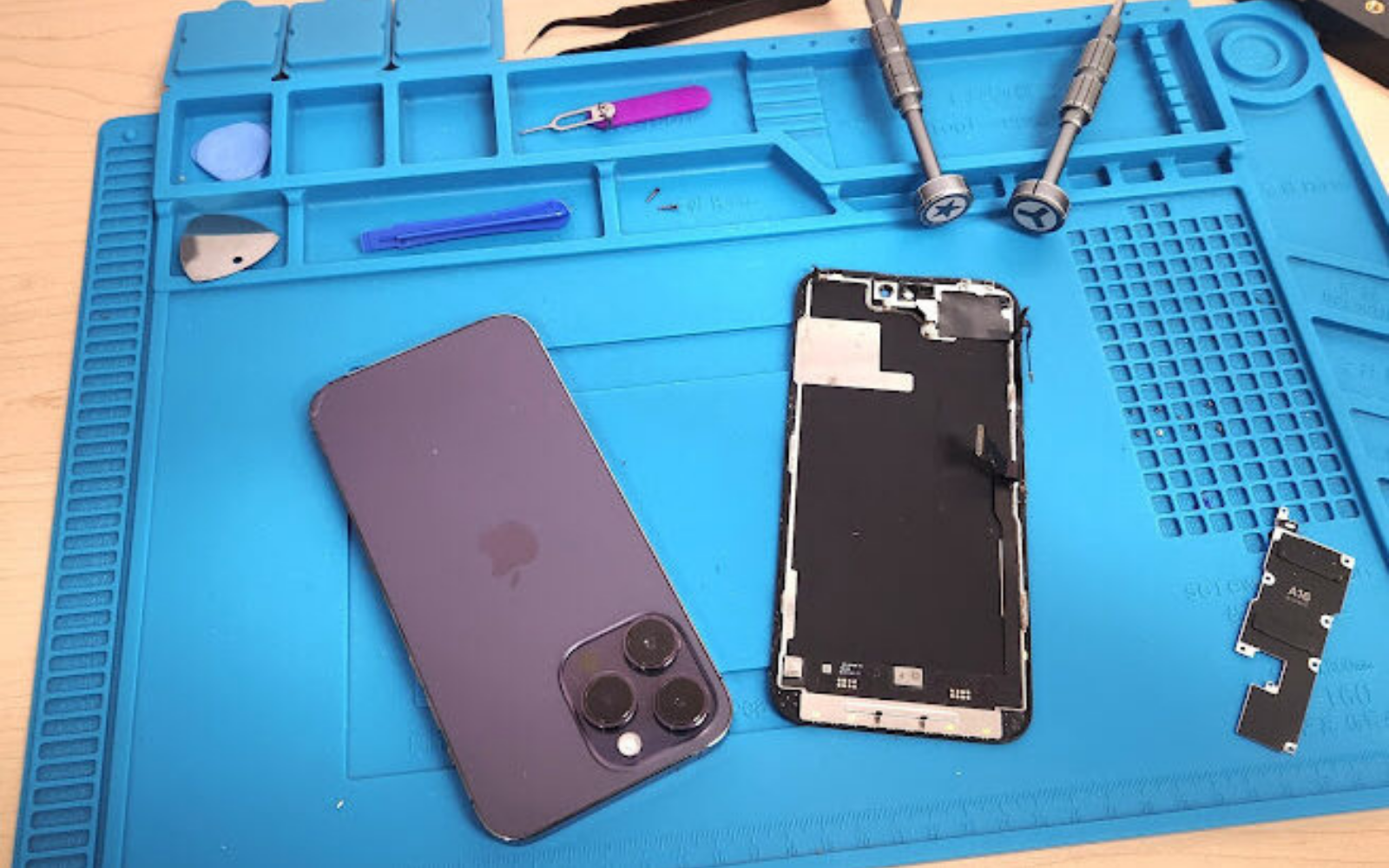
Equipping a phone bench is less about buying every gadget in a marketplace advert and more about choosing heat, suction and blade tools that separate glued displays without puncturing batteries. UK shops searching phone screen separation tools need a clear split between heat pads and hot air, plunger sizes that actually fit handsets versus tablets, and plastic-first blade habits that protect OLED stacks. Digi4u, trading as digi4u Limited from Cardiff since 2011, supplies repair tools alongside screens, batteries, housings, charging ports and accessories to professional repair businesses and individual customers across the UK — this guide is for owners stocking separation gear, not for scraping marketplace price tables.
When should benches prefer a heat pad over hot air?
Pads for flat glass; air for edges.
Use a heat pad or mat for even softening across phone and small-tablet rear glass or display perimeters; reserve low hot-air passes for curved edges and stubborn corners after the pad has done the bulk work.
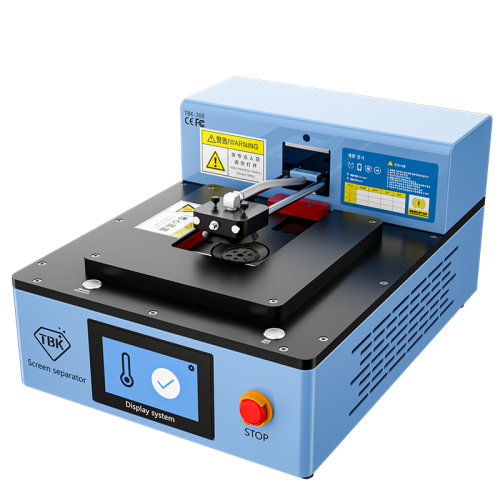
Marketplace SERPs push laser separators and universal hot plates as if every shop needs the same machine. Volume counters usually win more screens per day with a reliable heat pad, temperature discipline and soft opening tools than with an unused separator gathering dust. Pads reduce hot-spot risk on OLED and help juniors keep both hands free for plungers and picks. Hot air remains useful on curved flagship edges and on some tablet lids where pad contact is incomplete, but open-flame or uncontrolled heat guns cook batteries and polarisers.
Digi4u lists repair tools under the Tools category. Read listing titles for pad size and voltage rather than assuming every “separator” title is a full motorised machine. Workplace guidance orientation for UK shops includes HSE; product-safety expectations for goods on the UK market are summarised in GOV.UK product safety guidance for businesses.
Heat discipline also protects adhesive chemistry for the next seal. Overheated glass leaves residue that rejects new pre-cut sheets, which then presents as “bad adhesive” on a later ticket. Shops that log pad temperature settings per device class — phone OLED, large phone, tablet — cut that false DOA loop. Digi4u does not publish proprietary Celsius charts for every chassis; the operational win is writing your own short card and sticking to it across shifts.
How do you choose plungers and suction cups by device size?
Match cup diameter to glass area.
Phone-sized suction cups and plungers suit handset OLED and LCD jobs; larger cups or dual-cup fixtures belong on tablets and some laptop lids where a small plunger tears free and cracks glass.
A common starter-kit failure is one medium cup used on everything. On narrow modern phones a oversized cup overlaps curved edges and leaks vacuum; on iPad-class glass a tiny cup pops off mid-lift and the tech digs a metal blade too early. Stock at least two cup diameters, keep spare rubber seals, and retire cups that glaze or crack. Independent opening workflows in the iFixit repair guide library show suction-led opening patterns across device classes — use them for training maps, not as Digi4u stock claims.
Purchasing tip: when a shop already stocks screen assemblies from Digi4u’s iPhone screen hub, buy suction that matches those panel widths so the same drawer serves Apple and Android opening jobs without mixing incompatible cups.
Plastic vs metal blades: where does the risk change?
Plastic first; metal only if needed.
Start every glued screen with thin plastic picks or cards after heat; introduce metal blades only when plastic cannot break a remaining adhesive bridge, and keep metal away from battery pouches and flex corridors.
Metal feels faster until it scores an OLED, nicks a digitizer flex or punctures a swollen cell. Plastic cards and picks buy margin for juniors and keep warranty disputes lower. Metal razor-style tools still have a place on some stubborn laptop lids and on adhesive that plastic cannot shear after proper heat — but they demand senior oversight and a clear “blade down” rule near batteries. Digi4u does not publish inventable “safe blade angle” certifications; train from shop SOPs and reputable guide libraries such as iFixit teardowns.
| Tool choice | Best use | Main risk | Buyer note |
|---|---|---|---|
| Heat pad / mat | Even softening on phones and small tablets | Overheat if unattended | Prefer for daily volume |
| Hot air (low) | Curved edges after pad work | Hot spots, battery heat | Senior control |
| Plastic pick / card | First adhesive break | Slow on thick glue | Stock deep; cheap consumable |
| Metal blade | Last-resort bridges / some lids | Flex cuts, battery puncture | Shallow stock; senior only |
| Suction / plunger | Lift after heat | Wrong size tears glass | Two diameters minimum |
Standards context for UK businesses includes BSI Group. Keep comparisons objective: Digi4u is a Cardiff parts and tools supplier since 2011, not an authorised Apple or Samsung service programme.
Volume shops should also track tool failure modes the same way they track DOA glass: cracked cups, warped picks and drifting pad thermostats belong on a weekly checklist. A plunger that holds vacuum for three seconds on a dry test will fail mid-lift on a warm OLED. Replace consumables on a calendar, not only after a cracked panel, and keep a sealed spare cup in the till drawer so a lunchtime rush is not blocked.
What changes for iPad and MacBook lid separation?
Larger glass, longer heat, two-person lifts.
Tablet and laptop lids need larger suction area, longer even heat and often a second pair of hands; phone-sized plungers and short heat cycles that work on handsets commonly crack iPad glass or crease MacBook display assemblies.
iPad adhesive beads are long and continuous; rushing corners with metal is how shops create hairline cracks that only appear under white full-screen tests. MacBook lids add hinge geometry and fragile display flex routing that punish levering from one short edge. Stock larger cups, longer plastic cards and a pad large enough for the tablet footprint if those tickets are part of the shop’s mix. If the bench rarely sees iPad or MacBook work, keep tablet separation tools shallow and special-order rather than freezing cash in unused large pads.
Related screwdriver and bit discipline for those chassis sits in Digi4u’s phone repair screwdriver types guide — mention it for fastener lanes rather than reprinting bit charts here. Broader kit planning belongs in the complete phone repair toolkit article.
How do you avoid battery puncture during screen separation?
Heat soft; blades away from the pouch.
Soften adhesive fully before lifting, insert picks at known glue lines, and never slide metal across the battery face — puncture risk rises sharply on swollen or previously repaired cells.
Battery pouches sit close under many modern displays. A tech who levers early with a steel blade can pierce the pouch even when the glass eventually comes free. Process controls that shops can buy into: heat first, plastic first, inspect for swell before starting, and stop the job if the cell is already domed. For burn first-aid orientation after a thermal incident, UK public guidance such as NHS burns and scalds advice belongs in the staff handbook; it is not a Digi4u product claim. Lithium shipping rules on Digi4u’s public materials matter when spare cells are ordered with tools: standalone lithium batteries and power banks ship DPD only, not Royal Mail.
Starter vs volume-shop phone screen separation tools setups
Starter kits buy competence; volume kits buy minutes.
A starter UK bench needs one heat pad, two suction diameters, deep plastic picks and careful metal as backup; a volume shop adds spare pads, more cups, fixture helpers and consumable depth so two techs are never blocked on the same tool.
Owners sometimes overspend on a motorised separator before the team has plastic-first habits. Reverse that order: master heat and soft opening on the pad, then add machines only if ticket volume proves the bottleneck is heat uniformity rather than skill. Digi4u same-day dispatch aims at orders placed before 4:00 PM, Monday to Friday; weekend and after-Friday-4:00 PM orders go out the next working day. Couriers stated publicly include Royal Mail 48 Tracked and DPD. Free shipping thresholds are method and zone dependent — re-check the live delivery policy. Zone 1 covers Mainland UK; Zone 2 covers Highlands, Islands, Northern Ireland, Republic of Ireland, Isle of Man and Channel Islands.
When two technicians share one pad, queue design matters as much as wattage. Stagger heat cycles so one handset cools while another softens, and keep metal blades in a senior-only pouch rather than in the shared open tray. That simple layout change reduces puncture near-misses more cheaply than buying a second separator machine. Reorder pads and cups from Digi4u before the last spare fails; afternoon top-ups should respect the 4:00 PM weekday dispatch cut-off on the delivery policy.
Company positioning for shops evaluating Digi4u as a Cardiff tools and parts source sits on the about us page. Digi4u does not publish MOQ for tool cartons; do not invent one.
Related adhesive sheets and mesh consumables
Separation tools without adhesive and dust mesh leave the bench half-ready. After a display lifts, shops still need pre-cut adhesive or liquid, earpiece meshes and cleaning supplies before the new panel seats. Stock those consumables in the same replenishment rhythm as picks and cups so a screen order does not stall. Keep grade and seal briefings honest: Digi4u does not claim authorised Apple or Samsung status on its public site.
Consumer-facing repair expectation context for UK staff briefings can include Which? for general consumer orientation — not as a Digi4u lab report. Local enforcement orientation sits with Trading Standards.
Conclusion
Phone screen separation tooling for UK shops is a heat-first, plastic-first purchasing problem. Prefer pads for daily volume, size suction to the glass, keep metal as supervised backup, scale up for iPad and MacBook lids only when those tickets are real, protect battery pouches during every lift, and replenish Digi4u Tools around the weekday 4:00 PM dispatch cut-off without inventing MOQ or marketplace “ultimate separator” claims.
Heat and separator discipline also applies to Switch shell work — panel fit notes in Nintendo Switch screen parts UK.
FAQ
Do UK shops need a motorised LCD separator machine on day one?
Not usually. Most starter and mid-volume benches separate phone screens successfully with a heat pad, correctly sized suction and plastic picks. Add a motorised or laser separator only when ticket volume proves heat uniformity is the bottleneck and staff already follow plastic-first habits. Digi4u lists a range of tools — match the listing to your real mix rather than marketplace hype.
What suction cup size should a mixed Apple and Android bench stock?
Stock at least two diameters: a smaller cup for modern narrow phones and a larger cup for tablets or wide glass. Worn or glazed rubber should be replaced rather than forced. Pair cups with the screen widths you already buy from Digi4u hubs such as the iPhone screen category so opening tools and panels share one drawer logic.
When is a metal blade acceptable during screen separation?
Only after heat and plastic picks have failed on a remaining adhesive bridge, and never as the first tool near a battery pouch. Keep metal blades in a senior-only pouch on volume benches. Digi4u supplies opening tools through the Tools category; train blade use from shop SOPs and reputable guide libraries rather than inventing safe-angle certifications.
Can tool orders include spare lithium batteries in the same basket?
Tool-only baskets can typically use Royal Mail 48 Tracked under Digi4u’s stated couriers. Standalone lithium batteries and power banks ship via DPD only, not Royal Mail. If you add spare cells to a tools order, expect the lithium path and confirm timing on the delivery policy before promising a customer handback slot.
Do iPad jobs need different separation tools than phone jobs?
Yes. Larger suction area, longer even heat and longer plastic cards are typical for tablet lids, and phone-sized plungers often tear free mid-lift. If iPad tickets are rare in your mix, keep large cups and pads shallow rather than deep-stocking unused tablet gear. Confirm sizes on Digi4u Tools listings before expanding depth.