


Pixel OLED Replacement: Original vs Aftermarket Screens
Need this part? We stock tested replacement parts with same-day UK dispatch and a 12-month warranty.
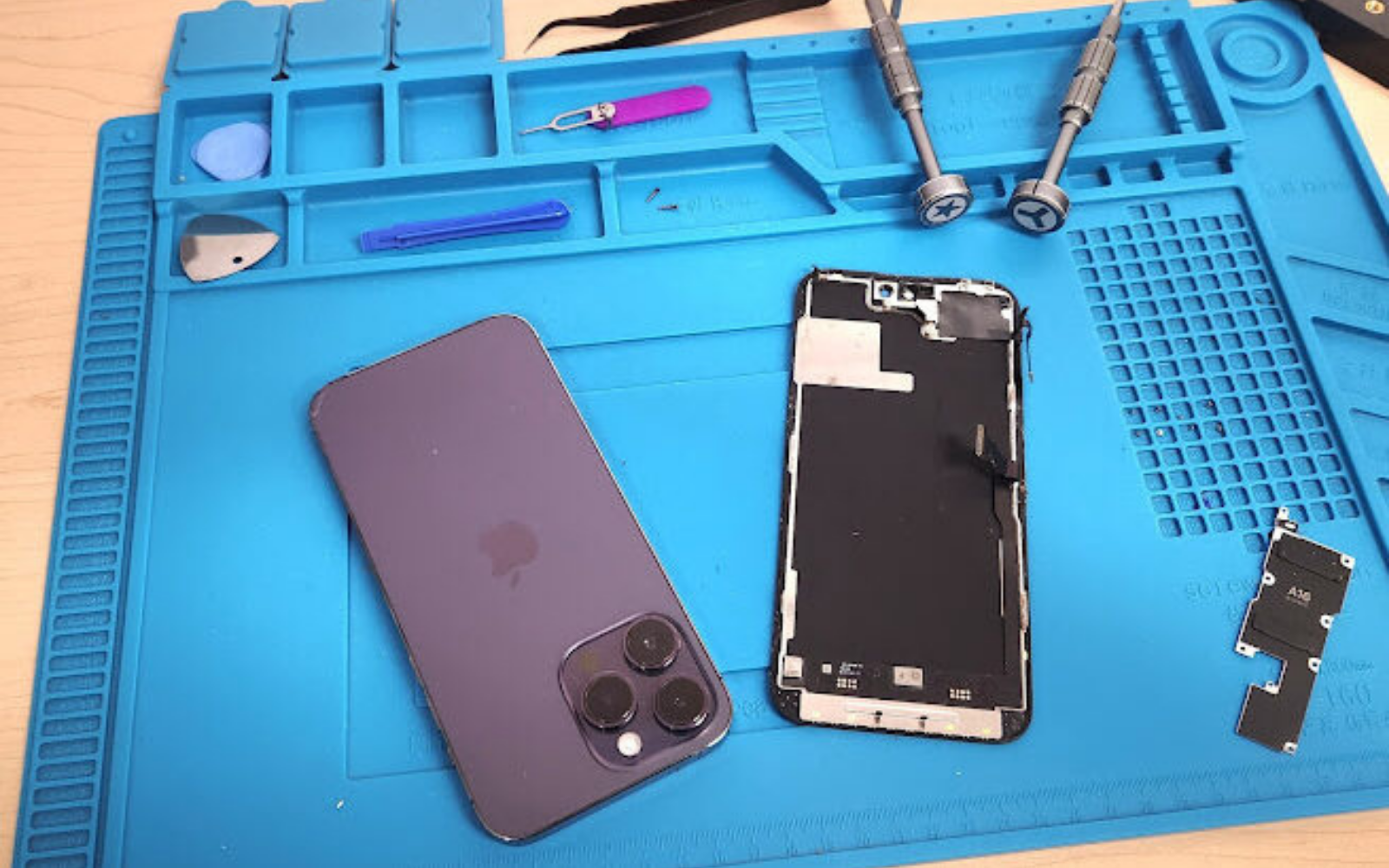
Choose a Pixel replacement screen from evidence on the exact listing, not from the words “OEM quality” or “original type”. Genuine service parts, used original panels, refurbished original OLEDs and new aftermarket OLEDs have different histories and risks. The right choice depends on model compatibility, fingerprint hardware, display performance, warranty and the device’s remaining value.
(Last modified date: September 14, 2026)
Purchase decision in four checks
- Ask what the seller’s grade name means and what evidence supports it.
- Match the exact Pixel model and regional variant.
- Confirm fingerprint-reader inclusion, calibration route and adhesive contents.
- Test every screen against written acceptance criteria before final installation or bulk use.
What do the common Pixel screen labels mean?
| Label | What it may describe | Evidence to request |
|---|---|---|
| Genuine service part | A new part supplied through an authorised channel | Supplier identity, manufacturer part reference and traceable invoice |
| Original pulled | A used display removed from another device | Used condition, cosmetic grade, burn-in and functional test policy |
| Refurbished original OLED | An original OLED retained while glass, frame or other layers were renewed | Which layers are original, refurbishment method and warranty |
| Aftermarket OLED | A newly manufactured third-party OLED assembly | Manufacturer or stable SKU, specifications and compatibility tests |
These terms are not a universal grading standard. If two suppliers use the same label, the construction and acceptance limits may still differ. Digi4u’s broader phone screen grades guide is the Foundation page; this article applies the buying logic specifically to Google Pixel OLED replacements.
Compare performance by test, not by grade name
Define the outcome that matters for the model and customer. Compare brightness at several levels, colour neutrality, uniform greys, refresh behaviour, touch response, viewing angles, camera cut-out, panel thickness and frame fit. For used or refurbished OLEDs, test solid grey and low-brightness screens for retained images and uneven ageing.
Do not publish a fixed brightness, colour or refresh claim for a grade unless it comes from a named SKU tested with a documented method. An aftermarket part can change between batches while retaining the same marketplace description.
Fingerprint hardware can change the real repair cost
Many recent Pixel phones use an under-display fingerprint system. The screen listing should say whether a compatible reader is installed, whether the original reader must be transferred and which calibration step applies. Google’s Pixel self-repair guidance links to genuine parts, manuals, diagnostics and the software repair tool.
A cheaper panel that adds a delicate sensor transfer, failed calibration risk or another appointment may cost more than a higher-priced complete assembly. Include that labour and risk in the quote.
Use a model-specific acceptance sheet
- Record supplier, SKU, stated grade, batch and supported model.
- Inspect glass, OLED surface, flexes, connector, frame and installed small parts.
- Connect only according to the model’s repair procedure.
- Test uniform colours, low/high brightness, touch grid, refresh behaviour and fingerprint function.
- Record diagnostics and calibration outcomes.
- Check physical seating before removing final liners or committing adhesive.
- Retain the result against the batch so a repeated defect can be traced.
For an exact example, the Pixel 7a screen replacement guide explains the model’s display-side opening, fingerprint-reader decision and calibration. Other generations should use their own pages, such as the Pixel 6/6 Pro and Pixel 8/8 Pro screen guides.
Which grade suits the job?
- Choose a traceable genuine service part when original specification, complete part support and the lowest compatibility uncertainty justify the price.
- Consider refurbished original OLED when the supplier defines which original layer remains and provides meaningful cosmetic, burn-in and functional standards.
- Consider aftermarket OLED when budget is the primary constraint and the exact SKU passes the model-specific acceptance test.
- Avoid the purchase when the grade is undefined, compatibility is broad or the seller cannot explain fingerprint support, warranty and return conditions.
Questions for a supplier before a bulk order
- Is this the same manufacturer and revision as the sample?
- Which Pixel model codes and regions are supported?
- Is the fingerprint reader included, and what calibration is required?
- Are adhesive, frame and sensor components included?
- What are the dead-pixel, burn-in, touch and cosmetic acceptance limits?
- Can a screen be function-tested before final adhesive installation without losing return eligibility?
- How are batch failures traced and handled?
Frequently asked questions
Is “OEM quality” the same as a genuine Google screen?
No. Treat it as marketing language unless the seller documents the manufacturer, part reference and supply channel.
Is refurbished always better than aftermarket?
No. The result depends on the retained panel, refurbishment work, quality control and the exact aftermarket alternative. Compare named SKUs using the same acceptance tests.