


Samsung Screen Quality Grades: Which Should You Buy?
Need this part? We stock tested replacement parts with same-day UK dispatch and a 12-month warranty.
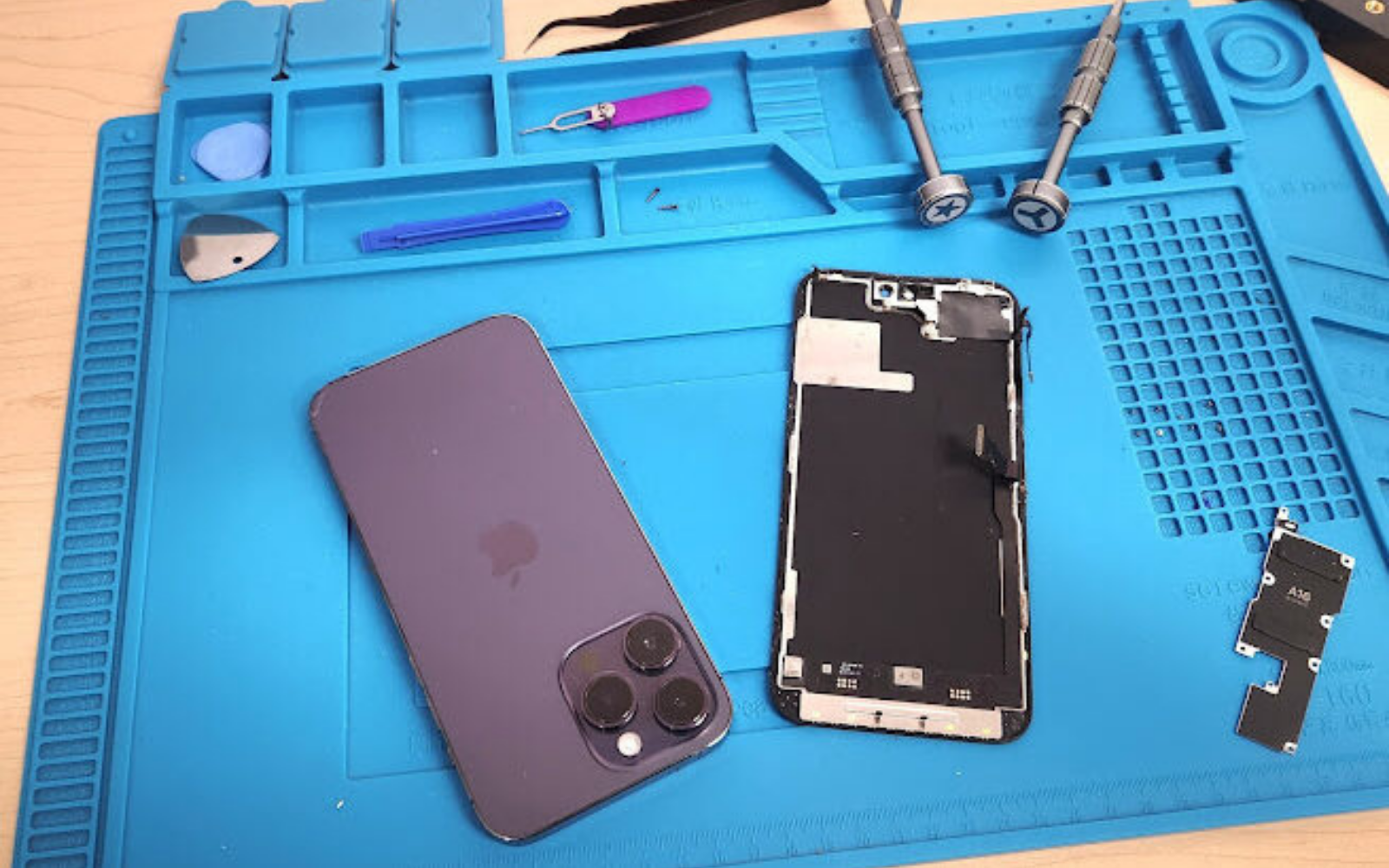
Choose a Samsung replacement screen by documented construction, exact-model compatibility and acceptance tests. Grade names such as “OEM quality”, “service pack”, “original”, “refurbished” and “aftermarket” are not interchangeable, and sellers may define them differently.
<em>(Last modified date: September 14, 2026)</em>
<div class="key-takeaways">
<h2>Buying rule</h2>
<ul>
<li>Ask what physical panel and components the grade contains.</li>
<li>Match the complete Samsung model code and regional variant.</li>
<li>Include frame, fingerprint, calibration and transfer work in the real cost.</li>
<li>Test a named SKU and batch rather than trusting the grade label.</li>
</ul>
</div>
<h2>What can each grade label mean?</h2>
<table>
<thead>
<tr>
<th>Label</th>
<th>Possible meaning</th>
<th>Evidence needed</th>
</tr>
</thead>
<tbody>
<tr>
<td>Genuine Samsung service part</td>
<td>New authorised repair part or kit</td>
<td>Traceable source and Samsung part reference</td>
</tr>
<tr>
<td>Original pulled</td>
<td>Used assembly removed from another device</td>
<td>Condition, burn-in and functional test</td>
</tr>
<tr>
<td>Refurbished original</td>
<td>Original display retained with renewed glass/frame layers</td>
<td>Layers replaced, process and warranty</td>
</tr>
<tr>
<td>Aftermarket OLED</td>
<td>New third-party OLED assembly</td>
<td>Stable manufacturer/SKU and measured compatibility</td>
</tr>
<tr>
<td>Aftermarket LCD conversion</td>
<td>LCD offered for a model originally designed around OLED</td>
<td>Thickness, power, brightness, touch and fingerprint limitations</td>
</tr>
</tbody>
</table>
Samsung UK’s <a href="https://www.samsung.com/uk/support/self-repair/">Self-Repair programme</a> distinguishes genuine parts and model-specific manuals and warns that third-party parts may not function properly. That does not prove every non-genuine screen will fail; it means the seller must substantiate compatibility and the buyer must test it.
<h2>Compare the total repair outcome</h2>
Evaluate brightness, colour neutrality, uniform grey, refresh behaviour, touch response, viewing angles, fingerprint operation, frame fit and adhesive seating. For curved displays, also inspect edge geometry. For used or refurbished OLEDs, use low-brightness grey and static-colour tests to detect uneven ageing.
The general <a href="https://www.digi4u.co.uk/blogs/phone-screen-grades-explained-original-vs-refurbished/">screen grades Foundation guide</a> defines cross-brand terms. This page owns Samsung-specific purchasing considerations.
<h2>Where should the commercial link appear?</h2>
Only after the exact model and acceptable grade are known. At that point, <a href="https://www.digi4u.co.uk/samsung_0">browse Samsung repair parts by series and model</a>. The current destination contains more than screens, so users must still select their device and display category; it should not be described as a screen-only collection.
<h2>Supplier checklist for one unit or a batch</h2>
<ul>
<li>Exact Samsung model codes and regions</li>
<li>Panel technology, manufacturer and revision</li>
<li>Frame and installed-component contents</li>
<li>Fingerprint and calibration requirements</li>
<li>Dead-pixel, burn-in, touch and cosmetic limits</li>
<li>Pre-installation test and return conditions</li>
<li>Batch traceability and warranty</li>
</ul>
Model guides such as the <a href="https://www.digi4u.co.uk/blogs/samsung-galaxy-a-series-screen-replacement-guide/">Galaxy A series screen guide</a> should link upward here when a reader reaches the grade decision, while this page should link down only to representative model branches rather than listing the whole catalogue.
<h2>Frequently asked questions</h2>
<h3>Does “OEM quality” mean genuine Samsung?</h3>
No. Require a traceable Samsung part reference and authorised source before describing a part as genuine.
<h3>Is refurbished original always better than aftermarket OLED?</h3>
No. Compare the named parts, retained OLED condition, refurbishment process and acceptance results.
<h2>Sources</h2>
<ul class="source-list">
<li><a href="https://www.samsung.com/uk/support/self-repair/">Samsung UK: Self-Repair</a></li>
<li><a href="https://www.samsung.com/uk/support/mobile-devices/how-to-self-repair-your-phone-screen/">Samsung UK: screen self-repair guidance</a></li>
</ul>
Part of the Wholesale & Stock Buying guide.