


iPhone 8 Screen Replacement Guide
Need this part? We stock tested replacement parts with same-day UK dispatch and a 12-month warranty.
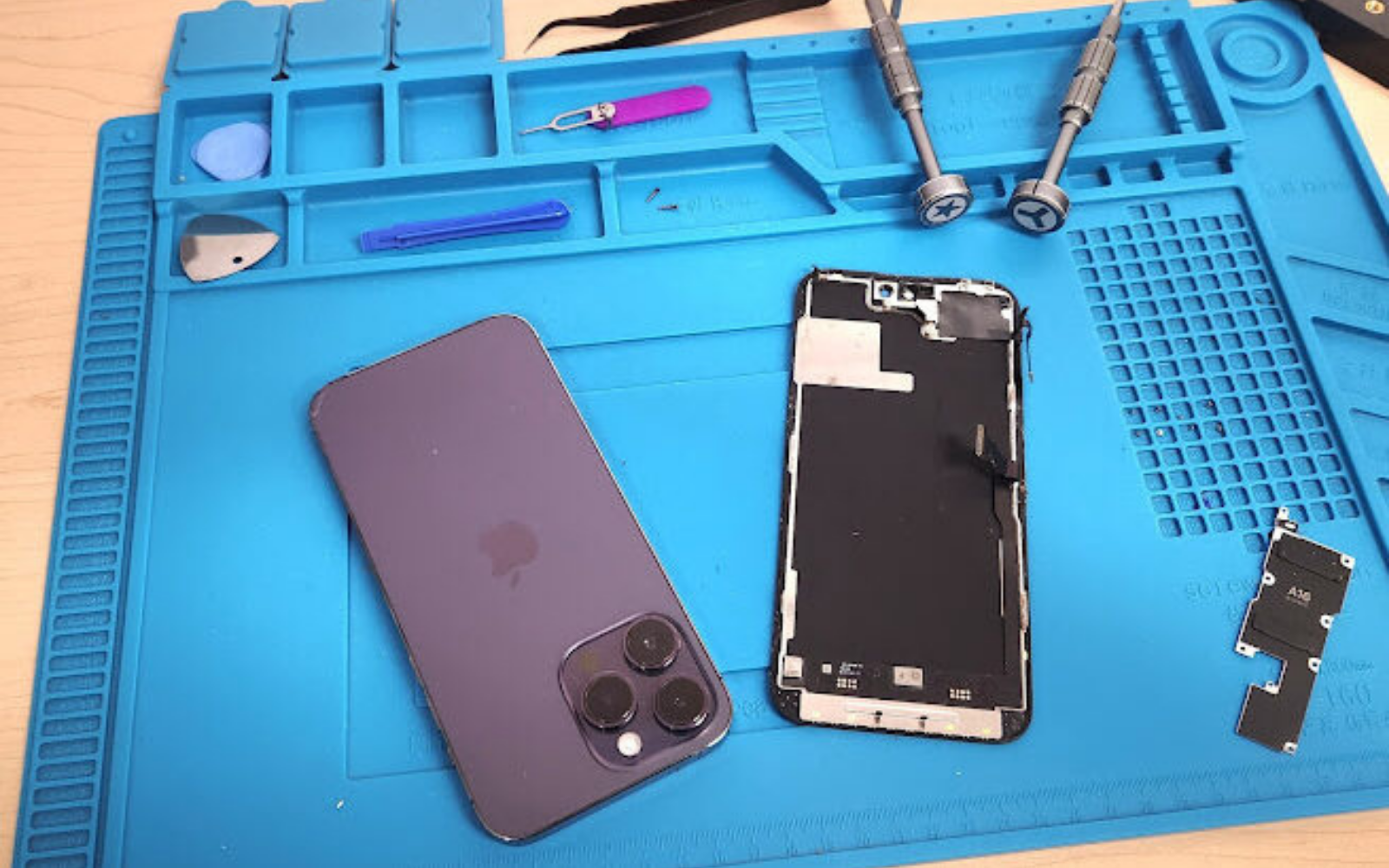
The iPhone 8 screen replacement adds two things the iPhone 7 does not have: True Tone support and wireless charging. A successful iPhone 8 screen replacement keeps the original home button for Touch ID and uses a panel compatible with True Tone, so the colour balance returns after calibration. Digi4u stocks tested iPhone 8 screens.
Last updated: August 2026 ¡¤ Reviewed by the Digi4u repair team.
About this guide: based on hands-on bench testing and repair experience; confirm model specifications with the supplier before ordering.
Screen types that fit the iPhone 8
The iPhone 8 uses a 4.7-inch LCD panel, and replacements come in original-pulled, refurbished and aftermarket grades. Unlike the iPhone 7, the 8 supports True Tone, so the replacement panel must be compatible with True Tone calibration.
| Grade | What it is | Best for |
|---|---|---|
| Original pulled | Screen removed from a genuine iPhone 8 | Quality-focused repairs |
| Refurbished | Original panel with new glass | Everyday volume |
| Aftermarket | Newly made LCD panel | Budget repairs |
Do not fit an iPhone 7 screen to an 8: the home-button flex and connector layouts differ, and True Tone will not work with a 7 panel. Confirm the model before ordering.
True Tone: why it matters on the iPhone 8
True Tone adjusts the white balance to match the ambient light, and it was the headline display feature of the iPhone 8 generation. After a screen replacement, True Tone works only if the replacement panel carries the correct display data or is calibrated.
If True Tone is missing after the repair, the screen data does not match the phone, and the colour balance stays fixed rather than adapting to the room. Some replacement panels arrive pre-paired; others need the original display data transferred. When a customer complains that the screen looks “too blue” or “too yellow”, check True Tone first, because a calibration issue is far cheaper to fix than a panel fault.
Why the original home button matters for Touch ID
The home button is paired to the phone, so Touch ID only works with the original button. A generic button from a screen kit will click but will never unlock Touch ID.
The iPhone 8’s home button is solid-state and connects through a flex, so handle it gently and avoid cutting its flex when opening. Transfer the original button, keep it clean and aligned, and test Touch ID before sealing. On the 8, this step is the most common cause of Touch ID failure after screen replacement.
Is iPhone 8 screen repair still worth it?
Yes for most owners, because the iPhone 8 still handles calls, messages and light apps, supports wireless charging, and the repair is cheap. The value depends on the battery and the phone’s overall condition.
The 8 is more popular for repair than the 7 because it is slightly newer and has wireless charging. Offer a battery health check with the screen quote, because owners of these phones often need both services. Ask whether Touch ID worked before the damage and note it, because a pre-existing button fault will not be fixed by the screen repair.
The check-in checklist for an iPhone 8 repair
Before quoting an iPhone 8 screen repair, check True Tone behaviour, the home-button and Touch ID status, the battery health, and whether wireless charging works. These four checks set the price and the customer’s expectations.
Ask whether the screen colour changed before the damage, because a pre-existing True Tone issue will not be fixed by a new panel without the right display data. Ask whether Touch ID worked before the damage and note it, because the original button must transfer. Check the battery health, because owners of the 8 often need a battery replacement in the same visit. Test wireless charging after the repair, because the coil sits in the back and a screen job should not affect it, but customers expect it to work. Shops can order iPhone 8 screens at Digi4u.
These four checks take two minutes at check-in and prevent most of the disputes that cost shops money on the 8. A customer who knows upfront that True Tone needs calibration and Touch ID depends on the original button is far less likely to complain afterwards.
True Tone is the 8’s signature display feature, so the check-in check matters: ask whether the screen colour changed before the damage, and test True Tone after the repair. A panel without the correct display data leaves the colour balance fixed, and the customer will notice.
Wireless charging is the second signature feature: test it after any screen repair, because the coil sits in the back and a clean screen job should not affect it, but customers expect it to work. The home-button question at check-in is the third discipline: ask whether Touch ID worked before the damage and note the answer.
The 8 shares its screen with the iPhone SE 2020 and 2022, so one part covers three models. The 8 is also a useful practice repair, because the process is short, the parts are cheap, and the True Tone and wireless charging checks teach a new technician to test beyond the screen. Write the panel type and grade, because an informed customer is far less likely to complain about the colour afterwards.
Test the Lightning port with a known-good cable before quoting, because a worn port on an 8 can make a screen repair feel like a charging problem afterwards.
Offer a screen-and-battery bundle, because 8 owners who fix the screen often need the battery within the same year. The 8’s housing is prone to frame dents, so check the frame before quoting, because a bent frame can stop the new screen sitting flat.
When True Tone is missing after the repair, tell the customer it is a calibration issue rather than a faulty panel, because the fix is faster and cheaper than a re-repair.
A two-minute check-in check on the 8 – True Tone, home button, battery health, wireless charging – prevents most of the disputes that cost shops money.
The standard process
The standard screen replacement opens from the display side: isolate power first, release the flexes, transfer the original top assembly where required, fit the new screen and test before resealing.
The full tool list is in the screen repair tools and preparation guide, and the opening technique is covered in the safe phone opening guide. The model-specific risks for this iPhone are covered above.
A third-party home button restores the click but not Touch ID; only the original paired home button can keep Touch ID working.
Digi4u workshop notes
The 8 is the 7 with two extra responsibilities: True Tone and wireless charging. Technicians who learned on the 7 often forget the True Tone check, and customers notice the colour shift immediately. Our bench rule is simple ¡ª home button first, True Tone second, and a full test before sealing. The 8 is still a great practice phone, it just needs a slightly longer checklist.
¡ª Digi4u repair team ¡¤ reviewed by our in-house technicians (bench-tested, August 2026)
Conclusion
The iPhone 8 is a simple, reliable repair when you transfer the original home button and fit a True Tone-compatible panel. Test Touch ID and True Tone before sealing, and offer a battery check with the quote. Shops can order iPhone 8 screens from Digi4u.
Frequently Asked Questions
Can I use an iPhone 7 screen on an iPhone 8?
No. The 7 and 8 use different home-button flex and connector layouts, and an iPhone 7 panel will not support True Tone on the 8.
Why is my iPhone 8 screen not showing True Tone after repair?
The replacement panel either lacks the correct display data or needs calibration. Fit a True Tone-compatible panel or transfer the original display data.
Does the iPhone 8 screen replacement affect wireless charging?
No. The wireless charging coil sits in the back of the phone, so the screen replacement does not affect it.