


OLED vs LCD Phone Screens: Which Is Best?
Need this part? We stock tested replacement parts with same-day UK dispatch and a 12-month warranty.
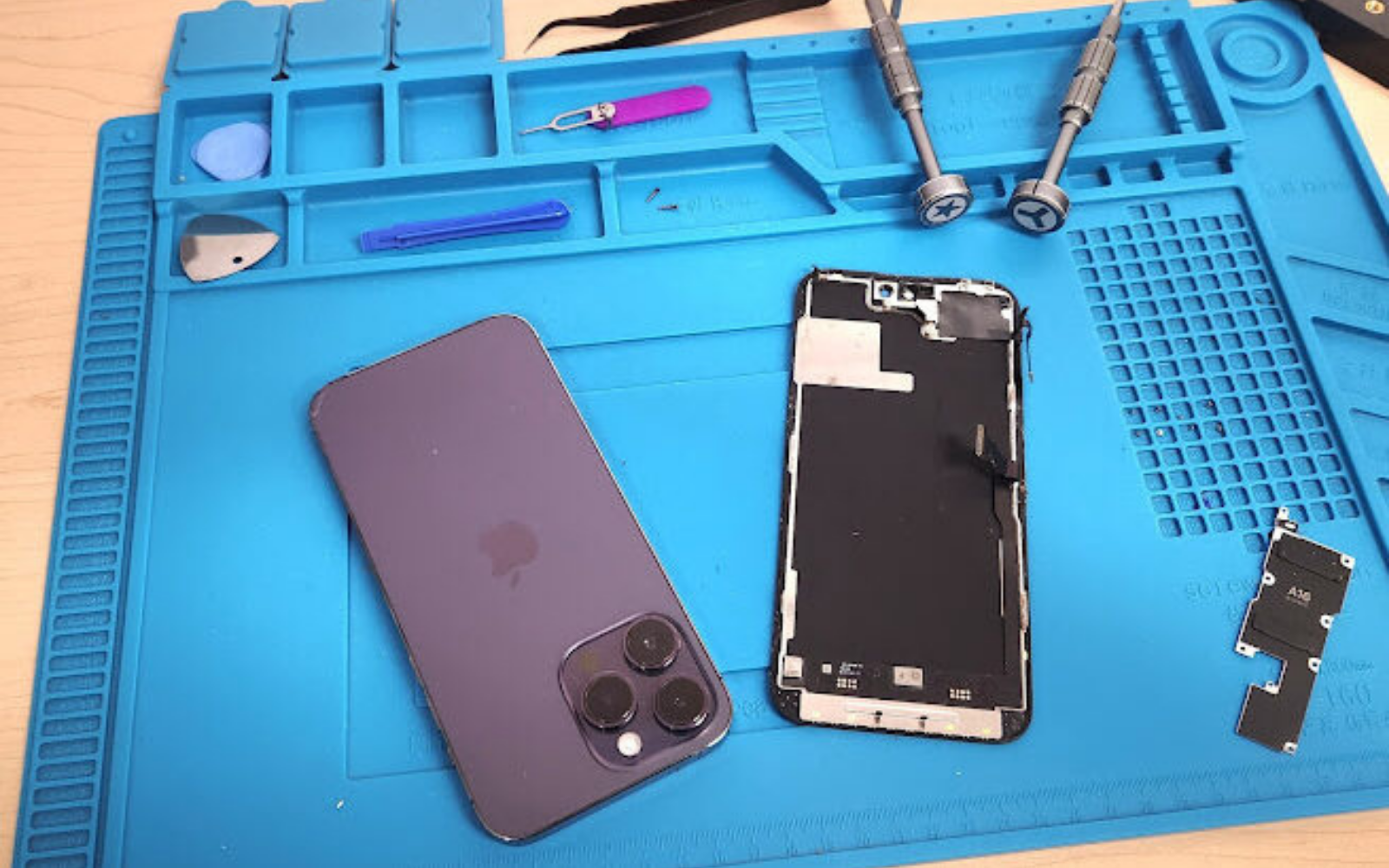
OLED and LCD are the two display technologies used in phone screens: OLED lights each pixel individually for true blacks and high contrast, while LCD uses a backlight behind a liquid-crystal layer. The best choice for a repair is the technology the phone was designed around, matched to the customer’s budget. This guide is written for UK repair shops deciding what to stock and what to recommend.
<em>Last updated: August 2026 ¡¤ Reviewed by the Digi4u repair team.</em>
<em>About this guide: based on hands-on bench testing and repair experience; confirm model specifications with the supplier before ordering.</em>
This guide compares OLED and LCD for screen replacement choices. The <a href="https://www.digi4u.co.uk/blogs/what-is-oled-screen-how-it-works/">technology explainers</a> – What is OLED and What is LCD – cover how each display works, and the <a href="https://www.digi4u.co.uk/blogs/lcd-vs-oled-vs-amoled-which-display-best/">LCD vs OLED vs AMOLED guide</a> covers the three-way buying view.
<h2>OLED vs LCD phone screens: the differences</h2>
OLED panels light each pixel individually, which produces true blacks, high contrast and thin displays. LCD panels use a backlight that shines through liquid crystals, which makes them cheaper but limits black levels and contrast.
The structural difference drives everything else. OLED pixels switch off completely for black content, saving power on dark themes and giving an "infinite" contrast ratio. LCD backlights stay on even for black pixels, which is why black looks greyish on LCD screens. OLED panels are also thinner and can bend, which is why curved and foldable phones use them. LCD panels are thicker, tougher and cheaper to produce, which is why budget phones still use them.
<h2>The OLED vs LCD choice for repair customers</h2>
OLED is better when the customer wants original-like quality, true blacks and the best viewing angles. LCD is better when the priority is a low repair cost on a budget or backup phone.
For flagship phones that shipped with OLED, an OLED replacement matches the factory experience. LCD replacements on those phones work but visibly change contrast and battery life. For budget phones that shipped with LCD, an LCD replacement is the correct part and the cheapest reliable option. The "best" choice is therefore the technology the phone was designed around, matched to the customer’s budget. Explain the trade-off before fitting, because an informed customer is far less likely to complain about colour differences afterwards.
<h2>The cost difference: OLED vs LCD</h2>
OLED panels cost more to manufacture because the organic light-emitting layers and pixel-by-pixel control require complex production, and yields are lower than LCD. The price difference carries through to replacement screens.
OLED production needs precision deposition of organic materials, plus compensation circuitry for pixel degradation. LCD production is mature, uses cheaper materials, and has higher yields. For replacement parts, an OLED screen also tends to be priced closer to the phone’s value, which is why LCD aftermarket options exist for expensive phones. Repair shops should explain the price difference honestly, because customers often assume the cheaper panel is the same quality.
<h2>How to tell if a screen is OLED or LCD</h2>
The easiest test is to show a black image in a dark room: OLED pixels switch off and the screen looks truly black, while LCD shows a grey glow from the backlight. You can also check the model’s spec sheet.
On a grey or black screen, OLED phones show no backlight bleed and have almost perfect blacks. LCD screens show a visible glow, lighter blacks, and colour shifts at an angle. If a <a href="https://www.digi4u.co.uk/blogs/phone-screen-replacement-tools-preparation-checklist/">replacement screen is described as "OLED compatible" but the phone</a> shipped with LCD, ask the supplier for the panel type before ordering.
<h2>Phones that use OLED and phones that use LCD</h2>
Flagship and mid-range phones increasingly use OLED, while budget phones and older models still use LCD. Within the same brand, the panel type varies by model and price tier.
<table>
<thead>
<tr>
<th>Phone</th>
<th>Panel type</th>
</tr>
</thead>
<tbody>
<tr>
<td>iPhone 11 / XR / SE / 8 / 7</td>
<td>LCD</td>
</tr>
<tr>
<td>iPhone 12¨C17 (all models)</td>
<td>OLED</td>
</tr>
<tr>
<td>Samsung S and Note series (recent)</td>
<td>OLED</td>
</tr>
<tr>
<td>Samsung A-series budget models</td>
<td>LCD or OLED by model</td>
</tr>
<tr>
<td>Budget Android models</td>
<td>LCD</td>
</tr>
</tbody>
</table>
The table is a guide, not a rule, because brands change panels between versions. Always check the exact model’s specifications before ordering a replacement screen, and confirm the panel type with the supplier.
<h2>How an LCD replacement affects battery life</h2>
Yes, an LCD replacement on a phone designed for OLED usually drains the battery faster because the backlight stays on across the whole screen, even when the display shows dark content.
The difference is most visible with dark wallpapers and apps in dark mode. An OLED screen lights only active pixels, so dark content uses very little power; an LCD backlight consumes similar power regardless of what is shown. For heavy users, this can shorten battery life noticeably. If battery life matters to the customer, an OLED replacement is the better choice for OLED-designed phones.
<h2>Replacing an OLED screen with an LCD</h2>
Yes, for some phones, but it is rarely a like-for-like swap: the LCD panel may be thicker, change the fit, lose features like always-on display, and consume more power. Compatibility must be confirmed for the exact model.
For most modern flagships, the phone’s software and chassis are built around the OLED panel, so an LCD replacement can cause fit issues and missing features. Some suppliers sell LCD alternatives for older iPhones and Samsung models, and these work, but the experience is visibly different. Before recommending an LCD swap, check the phone model, the panel thickness and the feature losses with the supplier, and set the customer’s expectations honestly.
<h2>Digi4u workshop notes</h2>
<blockquote>The technology question is really a budget question. OLED is the right answer for flagship phones because that is what the customer is used to, and LCD is the right answer for budget phones because that is what they were built with. The worst repair is a cheap LCD fitted to an OLED flagship without telling the customer what changed. We list the panel type on every screen we sell for exactly that reason.
¡ª Digi4u repair team ¡¤ reviewed by our in-house technicians (batch-tested, August 2026)</blockquote>
<h2>Conclusion</h2>
OLED and LCD are different technologies with different costs, and the best choice matches the phone’s original design and the customer’s budget. Check the panel type before ordering, explain the difference honestly, and write the panel type so the choice is recorded. Shops can <a href="https://www.digi4u.co.uk/iphone_0_1">compare OLED and LCD screens across models</a> at Digi4u through a wholesale account.
<h2>Frequently Asked Questions</h2>
<h3>Which lasts longer, OLED or LCD?</h3>
Both last for years in normal use. OLED panels can show burn-in over time on static images, while LCD panels rarely burn in but can develop backlight issues.
<h3>Are OLED screens more fragile than LCD?</h3>
OLED panels are thinner and more sensitive to pressure, so repairs need more care. LCD panels are tougher, but the glass can still crack like any screen.
<h3>Why does my LCD replacement screen look grey?</h3>
An LCD backlight cannot produce true black, so dark content looks grey compared with an OLED panel. That is expected behaviour for LCD.
Part of the iPhone Screen Quality guide.