


iPhone X & XS Screen Replacement Guide
Need this part? We stock tested replacement parts with same-day UK dispatch and a 12-month warranty.
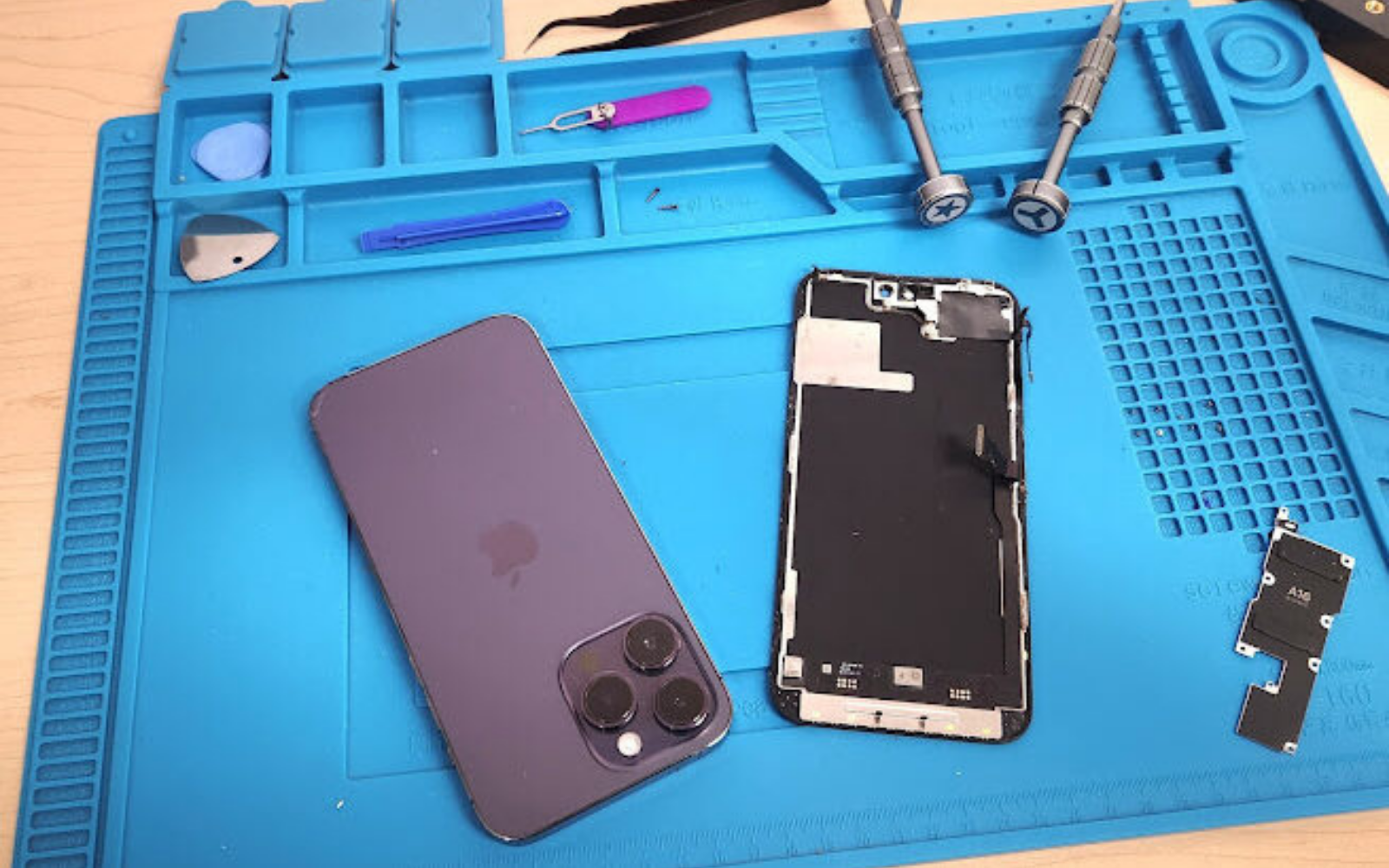
The iPhone X and XS use 5.8-inch OLED panels with different display connectors and should be treated as non-interchangeable replacement parts. Both models share the same repair principle: transfer the Face ID components carefully, because the dot projector is fragile and expensive to replace; Face ID service outcomes depend on the original paired components and the repair method. Digi4u stocks tested OLED screens for both models.
Last updated: August 2026 ¡¤ Reviewed by the Digi4u repair team.
About this guide: based on hands-on bench testing and repair experience; confirm model specifications with the supplier before ordering.
the iPhone X vs XS screens: the differences
The X and XS both use 5.8-inch OLED panels, but the XS changed the connector layout and the battery connector position. The screens are not interchangeable, and a mismatched panel will not function correctly.
| Model | Display | Repair note |
|---|---|---|
| iPhone X | 5.8″ OLED | Original OLED; burn-in common with age |
| iPhone XS | 5.8″ OLED | Different connectors; not compatible with X parts |
Always confirm the exact model number before ordering. The XS also supports faster Face ID and improved colour management, so a panel that works on an X may behave differently on an XS.
Common faults on iPhone X and XS screens
The most common faults are a single green or pink line, OLED burn-in, a dead touch layer, and washed-out colours after a drop. Line faults and touch failures need a full replacement.
A vertical line on the X or XS is usually a flex or panel fault and often spreads, so a replacement is the reliable fix. Burn-in appears as ghost images on grey screens and is a normal OLED ageing effect; a replacement with a burn-in-tested panel avoids it. Confirm the flex seating and the connector before replacing the panel, because a board fault can mimic a dead panel.
Why does Face ID fail after screen replacement on iPhone X?
Face ID usually fails after replacement because the dot projector, flood illuminator or ear speaker flex was damaged during transfer. These components sit in the top of the screen assembly and are fragile on the X generation.
Release the Face ID components with a plastic spudger, never pull the flexes by the wire, and fold the screen gently when testing. If Face ID fails, fit the original screen to confirm whether the damage is to the components or the new panel. On the X and XS, a Face ID failure after repair is often the difference between a happy customer and a refund.
Is it worth repairing an iPhone X or XS in 2026?
Usually yes, because these phones still run current apps and the repair cost is a fraction of a new phone. Check the battery and cameras before quoting, because other wear can change the value calculation.
The XS is more popular for repair than the X because it is slightly newer and still well supported. Offer a battery health check with the screen quote, because owners of older iPhones usually need both within a year. If the phone has heavy wear in several areas, be honest that the repair may not be worth the cost.
The standard process
The standard screen replacement opens from the display side: isolate power first, release the flexes, transfer the original top assembly where required, fit the new screen and test before resealing.
The full tool list is in the screen repair tools and preparation guide, and the opening technique is covered in the safe phone opening guide. The model-specific risks for this iPhone are covered above.
Digi4u workshop notes
The X generation taught us two lessons that still hold: always confirm the model before ordering, and never rush the Face ID transfer. The X and XS look alike but use different connectors, and a wrong panel is a wasted order. We still sell these OLED screens every week, and the shops that check the model first are the ones that keep their return rate low.
¡ª Digi4u repair team ¡¤ reviewed by our in-house technicians (bench-tested, August 2026)
Conclusion
The iPhone X and XS remain active repair lines in 2026, with OLED replacements matching each model. Confirm the exact model before ordering, transfer the Face ID components carefully, and match the screen grade to the phone’s value. Shops can order iPhone X and XS screens from Digi4u.
Frequently Asked Questions
Can I fit an iPhone XS screen on an iPhone X?
No. The X and XS use different display connectors and are not interchangeable.
Why does my iPhone X screen show burn-in?
Burn-in is a characteristic of older OLED panels and appears as ghost images on grey screens. Choose an original-pulled or refurbished unit with a burn-in test to avoid it.
Why is my iPhone XS screen showing a green line?
A vertical green line is usually a flex or panel fault and often spreads. A full screen replacement is the practical fix.