


iPhone 13 Screen Replacement: Step-by-Step Guide
Need this part? We stock tested replacement parts with same-day UK dispatch and a 12-month warranty.
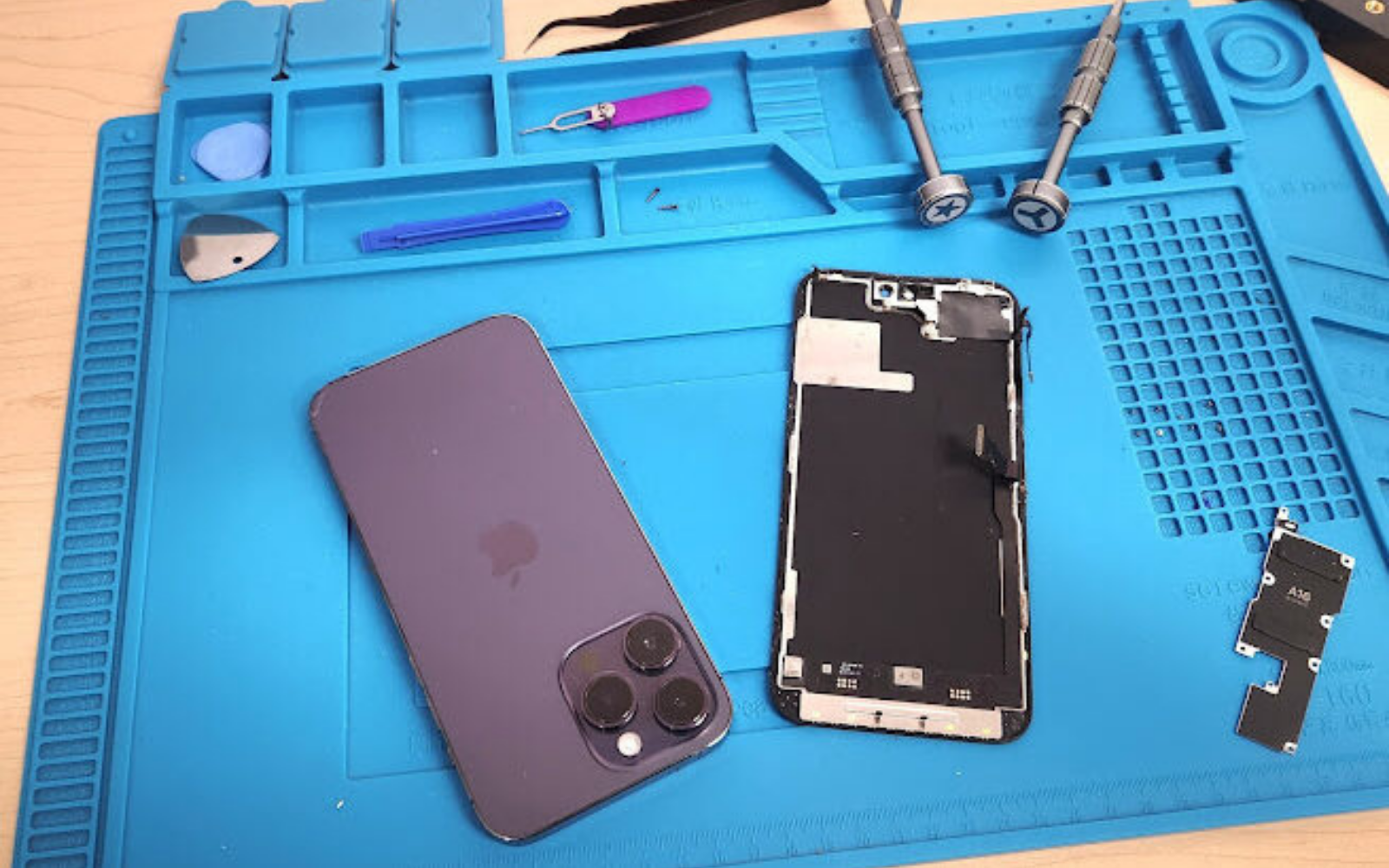
An iPhone 13 screen replacement means removing the original OLED display and fitting a compatible assembly, then transferring the Face ID components and calibrating the display so True Tone returns. The iPhone 13 range covers four models with different connectors, so the part must match the exact model. Digi4u stocks tested iPhone 13 screens for all four models, and this guide is based on our bench repairs.
Last updated: August 2026 ¡¤ Reviewed by the Digi4u repair team.
About this guide: based on hands-on bench testing and repair experience; confirm model specifications with the supplier before ordering.
Which iPhone 13 model do you have, and which screen fits it?
The iPhone 13, 13 Mini, 13 Pro and 13 Pro Max all use OLED, but each has a different display size and connector layout, so a screen from one model will not work in another. Check the model number in Settings before ordering.
| Model | Display | Notes |
|---|---|---|
| iPhone 13 | 6.1″ OLED | Standard model |
| iPhone 13 Mini | 5.4″ OLED | Separate part, lower stock |
| iPhone 13 Pro / Pro Max | 6.1″ / 6.7″ OLED | ProMotion 120 Hz, different connector |
The 13 Pro models use ProMotion 120 Hz panels, so a standard 13 screen will not drive them correctly. Confirm the model number and the panel type with the supplier before ordering, and check whether the screen includes the frame or expects you to transfer it.
Is my iPhone 13 screen damaged, or is it something else?
Most iPhone 13 screen faults fall into four groups: cracked glass, dead touch zones, lines or blotches on the panel, and a black display. Cracked glass with a working image is glass damage; lines, blotches and touch failure are panel damage.
The iPhone 13’s OLED is thin, so impact damage often takes out both glass and panel, making a full assembly the practical fix. Before ordering, rule out water damage and test in safe mode, because a liquid-damaged phone can fail again after repair. If the display flickers or shows green and pink lines, the panel is the cause and a replacement assembly is the fix.
Screen grades for iPhone 13
Replacement screens come in original-pulled, refurbished and aftermarket OLED grades, and the grade decides price, cosmetic condition and repair risk. The full grading system is explained in our phone screen grades guide, but the short version is: original-pulled suits quality-focused repairs, refurbished covers everyday volume, and aftermarket OLED is the budget option.
Original-pulled units keep genuine OLED quality but need testing for burn-in, flex condition and Face ID compatibility. Refurbished units vary by lamination quality, so ask how the glass was replaced. Aftermarket OLED panels are consistent in supply but vary by manufacturer. Digi4u lists the grade on every iPhone 13 screen product page so shops know what they are fitting.
iPhone 13 screen repair differences
The iPhone 13 keeps the Face ID components in the top of the screen assembly, uses a 6.1-inch OLED, and triggers the “Unknown Part” warning when the replacement screen is not calibrated. None of these are unique to the 13, but two details matter more here than on older models.
First, the 13’s connector layout changed from the 12, so 12 screens will not fit. Second, the Pro models require ProMotion panels; a standard 13 panel fitted to a Pro shows the wrong refresh behaviour. The Face ID transfer is the highest-risk step, and the unknown-part warning appears on every uncorrected replacement, so shops that do many 13 repairs should learn the IC chip transfer workflow which can restore True Tone and clear the warning on supported models.
Post-repair testing checklist
Test touch across the full screen, brightness and colour, Face ID, the proximity sensor, the microphone and True Tone. If True Tone is missing or the Settings screen shows “Unknown Part”, the display data needs transfer or calibration.
Run the test while the phone is open, because re-opening to fix a loose flex costs more than the test. On Pro models, confirm the refresh rate feels smooth, which catches a wrongly fitted standard panel. If Face ID fails, fit the original screen to confirm whether the damage is to the components or the new panel.
Which iPhone 13 models are still worth repairing in 2026?
All four iPhone 13 models are worth repairing in 2026, because the range still runs current iOS, holds resale value, and the screen parts are mature and well tested. The 13 and 13 Pro are the highest-volume repairs; the 13 Mini and 13 Pro Max are lower volume but still steady.
The repair value differs by model. The 13 Pro is the most valuable to fix because the ProMotion screen is expensive to replace and customers would rather repair than replace the phone. The 13 Mini is the least valuable on paper, but its owners are usually price-sensitive and the repair is still cheaper than a new phone. For repair shops, the 13 range is a predictable revenue line: parts are stable, the process is documented, and customers accept the repair price because the phone is recent enough to justify it. Check the battery and the rear housing before quoting, because a 13 with heavy wear in several areas may not be worth the full repair.
The grade decision also changes the economics. An original-pulled screen keeps the repair price competitive against a new phone, while a premium aftermarket OLED panel suits customers who want the best quality at a slightly higher price. A bad panel batch shows quickly, so test the grade before fitting it.
A practical way to test your 13 screen stock is to fit the same grade to three phones in a row and compare touch response and brightness under a bench lamp; consistent results across units are a better sign than a single good sample. Shops that do this monthly keep their 13 return rate low, and the pattern carries across every model in this guide.
The standard process
The standard screen replacement opens from the display side: isolate power first, release the flexes, transfer the original top assembly where required, fit the new screen and test before resealing.
The full tool list is in the screen repair tools and preparation guide, and the opening technique is covered in the safe phone opening guide. The model-specific risks for this iPhone are covered above.
Digi4u workshop notes
Our bench repairs on iPhone 13 screens show the same pattern week after week: most return visits come from a rushed Face ID transfer or an uncalibrated panel with the “Unknown Part” warning left on screen. Test every screen before fitting, keep the flex-cable condition on the checklist, and never promise “just like new” on a budget panel.
Digi4u repair team, reviewed by our in-house technicians (bench-tested, August 2026)
Conclusion
An iPhone 13 screen replacement is a realistic job for any shop with basic tools, but the model must be confirmed first, the Face ID components transferred carefully, and the display calibrated for a clean result. Match the grade to the customer’s budget and test every function before closing. Shops can order iPhone 13 screens by model and grade from Digi4u.
Frequently Asked Questions
Will an iPhone 12 screen fit an iPhone 13?
No. The 13 changed the connector layout, so a 12 screen will not function in a 13.
Why does my iPhone 13 show “Unknown Part” after the repair?
Apple pairs the display to the phone. Whether the warning clears depends on the iOS version, the repair method and the replacement part – confirm the current Apple service documentation before quoting a repair.
Can I fit an LCD screen on an iPhone 13?
Yes, LCD alternatives exist for budget repairs, but they change contrast, thickness and battery life. See the OLED vs LCD guide for the trade-offs.