


iPhone 15 Screen Replacement: Display & Back Glass
Need this part? We stock tested replacement parts with same-day UK dispatch and a 12-month warranty.
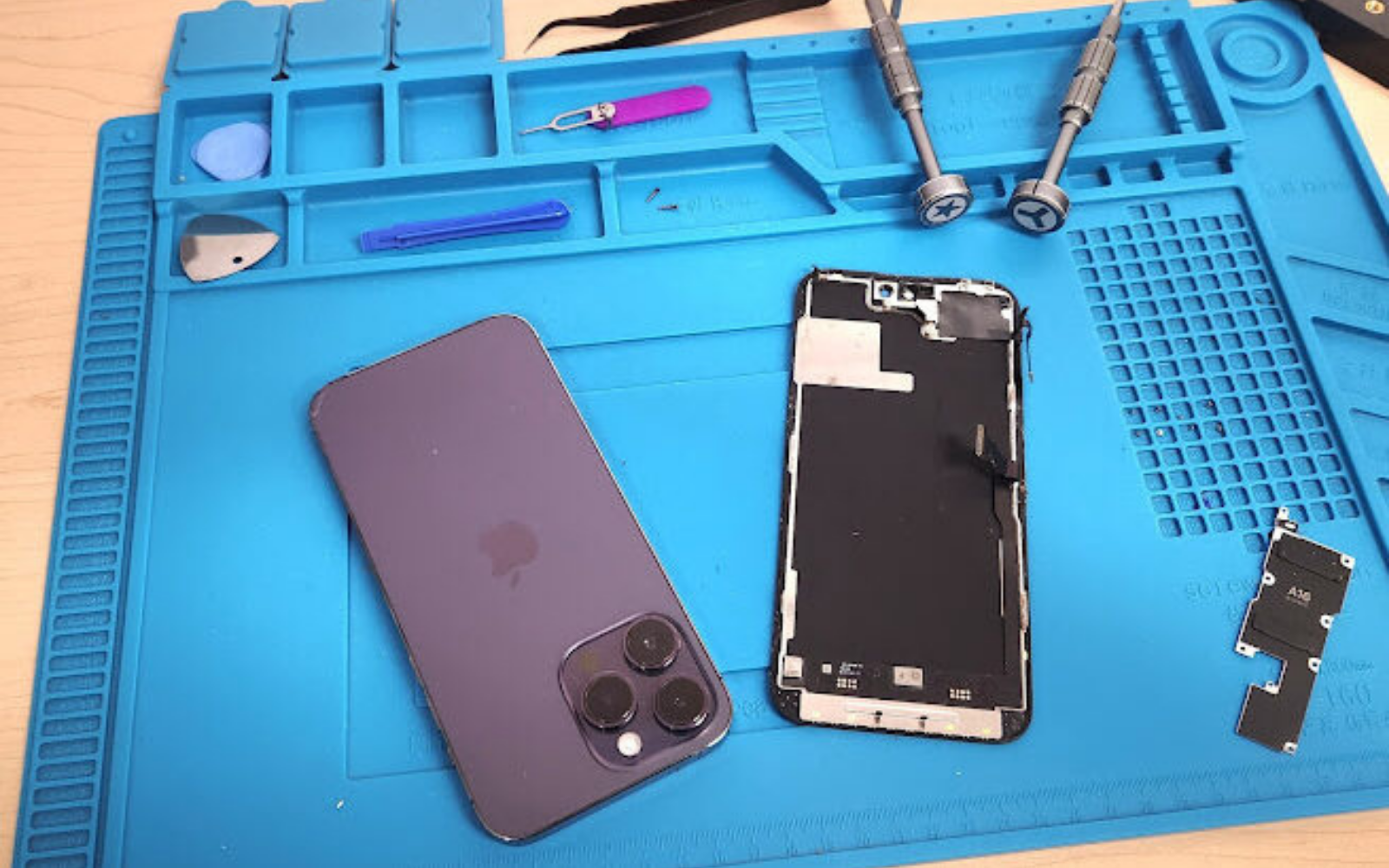
The iPhone 15 design makes rear glass service more accessible than earlier models, but the repair still requires the correct tools, parts and testing. An iPhone 15 screen replacement is now one of two independent services: the OLED display or the back glass. Digi4u stocks both parts, and this guide focuses on the 15-specific repair differences.
Last updated: August 2026 ¡¤ Reviewed by the Digi4u repair team.
About this guide: based on hands-on bench testing and repair experience; confirm model specifications with the supplier before ordering.
| Damage | Typical service | Key post-repair test |
|---|---|---|
| Cracked front display | OLED screen replacement | Face ID, touch, USB-C charging |
| Cracked rear cover | Back glass service | Wireless charging, camera alignment |
Screen types that fit the iPhone 15 and 15 Plus
The iPhone 15 and 15 Plus use OLED panels with the Dynamic Island, and replacements come in original-pulled, refurbished and aftermarket grades. Only OLED matches the original display behaviour; LCD alternatives exist but change contrast, thickness and battery life.
The 15, 15 Plus, 15 Pro and 15 Pro Max all use OLED with the Dynamic Island, but the Pro models use ProMotion 120 Hz panels and different connectors. Do not fit a standard 15 panel to a Pro model. For the 15 and 15 Plus, an OLED panel is the closest match to factory quality, and the screen grades guide explains the grade trade-offs.
iPhone 15 back glass vs screen replacement
The iPhone 15 uses a removable back glass panel, so a cracked rear cover can be replaced without swapping the whole chassis. The job still needs heating and careful prying, and the wireless charging coil sits behind it.
On earlier models, rear glass damage meant a full frame or housing replacement. On the iPhone 15, the back glass is a separate service part, which lowers repair cost and turnaround time. Shops should stock the back glass grade alongside screens, because rear-crack repairs are common and now profitable. When quoting, look at both sides of the phone and quote the screen and back glass separately.
Most common iPhone 15 screen problems
The most common iPhone 15 screen problems are a black screen with no response, fine display lines, cracked back glass, and touch zones that stop working after a drop. The black-screen case is the one customers notice first, because it can happen without visible glass damage.
A black screen can be a panel fault, a loose flex, or in some cases a software issue after an update, so force-restart the phone and reseat connectors before replacing the panel. Fine lines usually appear after impact and signal panel damage. Cracked back glass is extremely common on the 15 because of the removable design. Separate display faults from back glass faults early, because they use different parts and different workflows.
iPhone 15 screen repair differences
The iPhone 15 uses USB-C and carries the Dynamic Island on every model. Its rear glass design makes that service more accessible than earlier models, but the repair still requires the correct tools, parts and testing. The screen repair itself follows the modern iPhone sequence, but the USB-C port must be tested after the job and the Dynamic Island assembly must transfer cleanly.
The opening sequence is standard: power off, remove the two pentalobe screws beside the USB-C port, heat the lower edge, open from the left, disconnect the battery first, then unclip the screen flexes. Transfer the Dynamic Island assembly, fit the new panel, reconnect the battery last, and test Face ID, cameras and charging before sealing. A damaged flex or a misaligned assembly can cause front-camera or Face ID faults.
Parts you need for an iPhone 15 screen and back glass repair
The iPhone 15 screen repair needs the OLED assembly and the Dynamic Island components transferred from the original device, while the back glass repair needs the rear cover and, sometimes, new adhesive around the charging coil. The two jobs use different parts, so stock them separately.
For the screen, confirm whether the kit includes the frame and the flexes. Some 15 screen listings are panel-only, which means the shop transfers the frame, the Dynamic Island flexes and the camera components; full assemblies include the frame ready to fit. For the back glass, confirm whether the part includes the wireless charging coil or expects you to transfer the original, because the coil sits directly behind the glass and is easy to damage on removal. Ask the supplier what is included and whether the back glass is tested before dispatch. Shops can compare iPhone 15 screen and back glass parts at Digi4u, with each listing stating the contents.
Test the wireless charging coil after a back glass repair, because the coil sits directly behind the cover and a misplaced adhesive or a nicked flex can stop charging. Wireless charging is a headline feature of the 15, so a broken coil after a back glass job is a visible failure. On the screen side, the Dynamic Island transfer is the step where return visits happen, so photograph the top assembly before removal and compare it with the new screen before fitting.
The 15 series is also the first place to show customers a combined screen and back glass quote, because the two jobs are independent and the combined price is often lower than they expect.
The standard process
The standard screen replacement opens from the display side: isolate power first, release the flexes, transfer the original top assembly where required, fit the new screen and test before resealing.
The full tool list is in the screen repair tools and preparation guide, and the opening technique is covered in the safe phone opening guide. The model-specific risks for this iPhone are covered above.
Digi4u workshop notes
The iPhone 15 is the first standard model where we routinely sell back glass as a separate part, and it changed how we list the repairs. Screen repairs still dominate, but rear-crack repairs are now a fast, profitable add-on. The one thing we stress to technicians is order discipline: screen first, back glass second, and always test Face ID and charging before closing. A clean 15 repair builds more repeat customers than almost any other job we do.
¡ª Digi4u repair team ¡¤ reviewed by our in-house technicians (bench-tested, August 2026)
Conclusion
The iPhone 15 brings two separate repair jobs that used to be one: the OLED screen and the removable back glass. Match the panel to the exact model, transfer the Dynamic Island assembly carefully, and test cameras, Face ID and USB-C charging before sealing. Shops can order iPhone 15 screens and back glass from Digi4u.
Frequently Asked Questions
Can I use an iPhone 15 screen on an iPhone 15 Pro?
No. The 15 Pro uses a ProMotion 120 Hz panel with a different connector layout, so a standard 15 screen will not function correctly on a Pro model.
Is iPhone 15 back glass repair cheaper than a housing swap?
Usually yes, because the back glass is a separate service part and does not require moving the logic board or the charging coil.
Why is my iPhone 15 screen dim after replacement?
A dim display usually means a lower panel grade, a loose connector, or an uncalibrated brightness sensor. Reseat the connector and check the screen settings first.