


Phone Screen Grades Explained: Original vs Refurbished
Need this part? We stock tested replacement parts with same-day UK dispatch and a 12-month warranty.
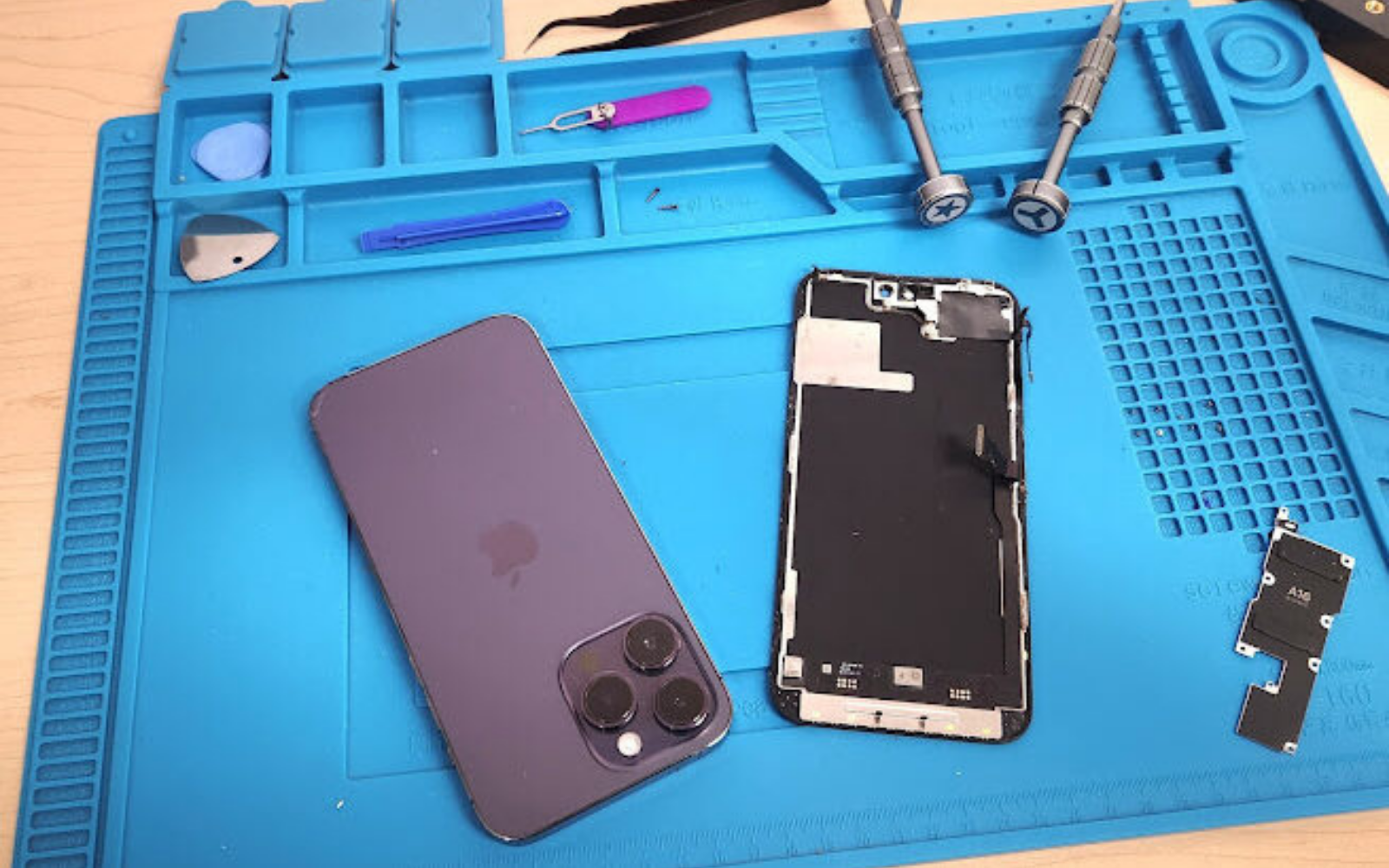
Phone screen grades describe how a replacement display was made and how much original material it contains: original pulled, refurbished, and aftermarket are the three main categories. Understanding phone screen grades is the difference between a profitable repair and a repeat visit, because each grade carries a different price, quality profile and repair risk. This guide is written for UK repair shops buying in volume, and Digi4u grades every screen it sells.
Last updated: August 2026 ¡¤ Reviewed by the Digi4u repair team.
About this guide: based on hands-on bench testing and repair experience; confirm model specifications with the supplier before ordering.
This guide covers the general grade system for repair and buying decisions. The Samsung-specific grade guide covers that brand's batches and panel classes, and the repair-shop version covers wholesale terms and bulk testing.
The different phone screen grades
The three main phone screen grades are original pulled, refurbished and aftermarket, with sub-grades such as DD and JH used inside the repair industry to describe panel quality. The grade describes the source and condition of the panel, not the brand.
Original pulled screens come from genuine devices and keep their original glass or frame. Refurbished screens start with an original panel but receive new glass, a new touch layer or a new frame. Aftermarket screens are fully new panels made by third-party manufacturers. Sellers also use letter grades such as A+, A and S+ for cosmetic condition, but these labels are not standardised, so the supplier's testing process matters more than the label.
Original pulled screens: meaning and safety
"Original pulled" means the screen was removed from a genuine phone, normally a recycled or upgraded device, and is sold with its original glass and display components. It is safe to buy when the seller tests each unit and states the condition clearly.
Original pulled screens offer genuine display quality at a lower price than new original stock, which makes them popular with repair shops. The trade-off is cosmetic wear: pulled screens may show light scratches, a worn frame, or a flex with previous use. A reliable supplier tests brightness, touch, burn-in and flex integrity before dispatch. If a pulled screen is described as "A+" without testing details, ask what the grade actually means before buying in volume.
Refurbished vs original screens
Refurbished screens reuse the original panel but replace worn parts such as the glass, touch layer or frame, which makes them cheaper than new original screens while keeping the original display quality. The final quality depends on the lamination process.
The panel inside a refurbished screen is usually the same part you get in an original screen, so colour and resolution stay close to factory. The risk sits in bonding: if the new glass is not laminated evenly, you can see dust, rainbow effects or touch problems. Ask the supplier how donor panels are selected, whether the touch layer is new or reused, and whether units are tested after lamination. Two refurbished screens at the same price can perform completely differently in the field.
DD vs JH grade screens: the differences
DD and JH are short names for screen batches used in the repair trade: DD commonly refers to soft OLED panels with flexible substrates, while JH refers to hard OLED panels with a rigid glass substrate. The letters describe the panel family and how it behaves during fitting.
Soft OLED panels bend slightly and match curved and edge-to-edge phones, which makes them popular for models with curved glass. Hard OLED panels keep a rigid substrate, which simplifies fitting on flat displays but limits flexibility. Grade letters alone do not guarantee quality, so confirm the panel type, model fit and test results with the supplier before ordering DD or JH screens in bulk. The deeper technology trade-off is covered in our OLED vs LCD guide.
Screen grades to stock in 2026
Most UK repair shops should stock a mix: original pulled for quality-sensitive repairs, refurbished for everyday volume, and a small aftermarket range for budget customers. The ideal mix depends on the phones your customers bring in and your tolerance for rework.
| Grade | Price level | Typical repair risk | Best used for |
|---|---|---|---|
| Original pulled | Medium | Low when tested | Quality-focused repairs, warranty-sensitive customers |
| Refurbished | Medium-low | Medium | Everyday volume repairs |
| Aftermarket | Low | Medium-high | Budget repairs, backup devices |
Start with a small basket of tested grades and adjust the mix from your own data rather than the price alone.
Testing screen quality before a bulk order
Before a bulk order, ask for sample units and run a standard test: brightness uniformity, dead pixels, burn-in, touch response, flex integrity and model fit. The supplier's testing process matters more than the grade label.
| Test | What to check |
|---|---|
| Display uniformity | White screen at low and high brightness, looking for bright or dark patches |
| Dead pixels | Solid black, white, red, green and blue screens |
| Burn-in | Grey screen, checking for ghost images |
| Touch response | Drag test across all areas, including edges |
| Flex condition | Connector seating, folds, and shield integrity |
| Fit | Screen sits flat in the frame with even gap |
A supplier that cannot show a test process or send samples should not receive a large order. Start with a pilot batch, log defects by grade and batch number, and track return rate over a month. That simple loop turns screen buying from a price game into a quality process.
For the fit side of the same decision – model, panel type and connector – see the screen compatibility guide.
Digi4u workshop notes
The grade label tells you the source, not the quality. We have seen "original" screens fail faster than good refurbished units, and cheap aftermarket panels last years. The real quality control happens before dispatch: brightness testing, touch testing, burn-in checks and flex inspection. Any shop that orders on price alone will learn the same lesson we did ¡ª the grade is the starting point, and the testing is the guarantee.
¡ª Digi4u repair team ¡¤ reviewed by our in-house technicians (batch-tested, August 2026)
Conclusion
Understanding phone screen grades turns a price comparison into a quality decision. Original pulled suits quality-focused repairs, refurbished carries the everyday volume, and aftermarket covers the budget end. Verify the supplier's testing process and match the grade to the phone. Shops can compare graded screens through a Digi4u wholesale account.
Frequently Asked Questions
What is the safest phone screen grade to buy?
Original pulled screens from a tested source carry the lowest repair risk, followed by good refurbished units. Aftermarket screens need the strongest supplier testing.
Is an aftermarket screen the same as a fake screen?
No. Aftermarket screens are new third-party panels sold under their own brand. "Fake" describes parts sold dishonestly as original, which is different from buying an aftermarket grade knowingly.
Do DD and JH screens fit the same phones?
Not always. DD soft OLED and JH hard OLED panels suit different display constructions, so confirm the panel type matches your phone model before ordering.