


iPhone 12 Screen Replacement: OLED vs LCD Options
Need this part? We stock tested replacement parts with same-day UK dispatch and a 12-month warranty.
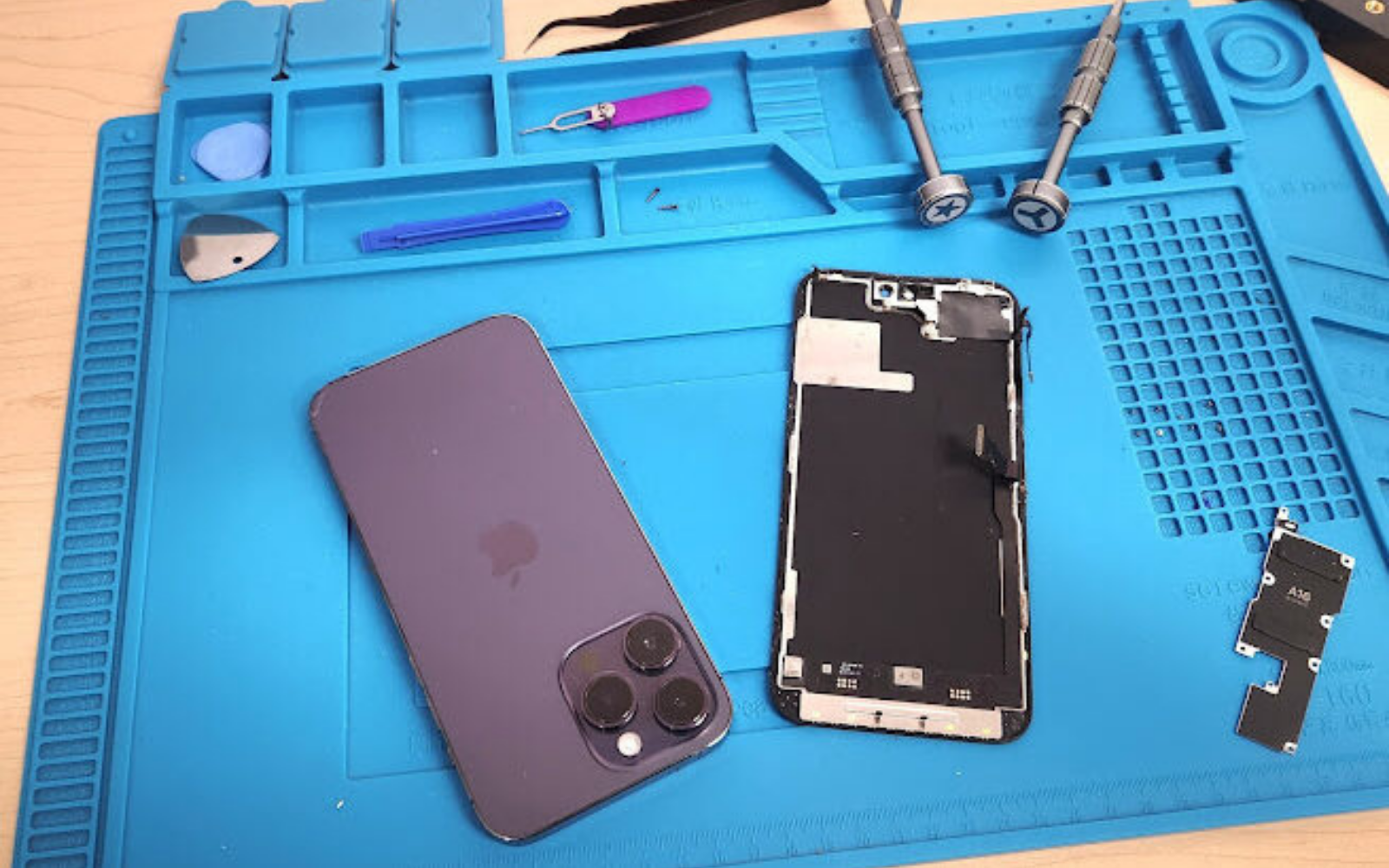
The iPhone 12 screen replacement decision starts with a choice: OLED for original-like quality, or LCD to keep the repair cheap. The iPhone 12 shipped with OLED, so an OLED replacement matches factory colours, while an LCD alternative changes contrast, thickness and battery life. Digi4u stocks both technologies for the iPhone 12, and this guide focuses on the decision rather than the generic steps.
Last updated: August 2026 ¡¤ Reviewed by the Digi4u repair team.
About this guide: based on hands-on bench testing and repair experience; confirm model specifications with the supplier before ordering.
OLED vs LCD screens for iPhone 12: the differences
OLED panels light each pixel individually, producing deep blacks and high contrast, which matches the iPhone 12’s original display. LCD panels use a backlight, cost less, and are noticeably different in colour and thickness.
The iPhone 12 range originally shipped with OLED, so an OLED replacement is the closest match to factory quality. LCD replacements are cheaper and acceptable for budget repairs, but they show greyish blacks, lower contrast, and a slightly thicker assembly that can affect the fit. The full technology comparison is in our OLED vs LCD guide; for the 12 specifically, the two questions that decide the choice are the customer’s budget and whether they notice colour quality.
Choosing the right iPhone 12 screen grade
The grade determines price, cosmetic condition and repair risk. For the iPhone 12, original-pulled OLED units suit quality-focused repairs, refurbished panels cover everyday volume, and aftermarket OLED or LCD panels cover the budget end.
| Grade | What it is | Best for |
|---|---|---|
| Original pulled | Screen removed from a genuine iPhone 12, usually with light wear | Quality-focused repairs |
| Refurbished | Original panel with new glass or frame | Everyday volume repairs |
| New aftermarket OLED / LCD | Newly made panel | Budget repairs and wholesale |
Original pulled screens need testing for burn-in, flex condition and Face ID compatibility. Refurbished units depend on the lamination process, so ask how the glass was replaced. Aftermarket panels vary by manufacturer, so batch testing matters. The screen grades guide explains each grade in detail.
Most common iPhone 12 screen problems
The most common iPhone 12 screen problems are cracked glass, green or pink tint lines, dead touch zones, and back glass damage. The tint-line fault is the one customers notice first because it can appear without a drop.
Green or pink lines on the iPhone 12 are often the first sign of a failing panel, and they can spread over time, so a full screen replacement is the practical fix. Dead touch zones in one area usually mean the digitizer layer is damaged. Back glass cracks are common on the 12 because of its flat-edge design, and they need a separate housing or back glass service. Check both the display and the rear cover before quoting, because the two problems need different parts.
iPhone 12 screen repair differences
Two things set the 12 apart from older models: the screen connects to the board through a different connector layout than the 11, and the battery must be disconnected before the screen flexes are touched. MagSafe is unaffected by the screen because its magnets sit in the back.
The opening sequence is standard: power off, remove the two pentalobe screws, heat the lower edge, open from the left, disconnect the battery first, then unclip the screen flexes. Transfer the Face ID assembly carefully, reconnect the battery last, and test before sealing. The Face ID transfer is the highest-risk step, and the “Unknown Part” warning appears if the display is not calibrated.
Is the iPhone 12 still worth repairing in 2026?
Yes for most owners, because the iPhone 12 still runs current iOS, supports 5G, and the screen repair is a small fraction of the cost of a new phone. The 12 range is one of the most common repair lines in the UK, which keeps parts cheap and availability high.
The value calculation depends on the model and its condition. The 12 Pro and 12 Pro Max are the most valuable to repair because their screens are OLED and expensive to replace, so customers usually prefer a repair. The standard 12 and 12 Mini are cheaper to fix, which makes the repair an easy decision even on a budget. Check the battery health and the rear glass before quoting, because a 12 with a cracked back and a weak battery may need two repairs, and the customer should know the total upfront. For repair shops, the 12 is steady volume with mature parts and a documented process, and the OLED-versus-LCD decision gives the shop a chance to offer quality without pushing price.
The 12’s repair economics also depend on the model tier. A 12 Pro Max screen replacement is usually worth doing because the phone still sells used for a strong price, while a 12 Mini with a cracked screen and a weak battery can be close to its current value after repair. Quote the total honestly and let the customer decide.
The standard process
The standard screen replacement opens from the display side: isolate power first, release the flexes, transfer the original top assembly where required, fit the new screen and test before resealing.
The full tool list is in the screen repair tools and preparation guide, and the opening technique is covered in the safe phone opening guide. The model-specific risks for this iPhone are covered above.
Digi4u workshop notes
iPhone 12 is still one of the most common screens we sell, and the split between OLED and LCD is roughly two to one. Customers who notice colours always choose OLED, while budget customers and shops fixing older stock prefer LCD. Our advice is simple: test every screen before fitting, keep the flex-cable condition on the checklist, and never promise “just like new” on a budget panel.
¡ª Digi4u repair team ¡¤ reviewed by our in-house technicians (bench-tested, August 2026)
Conclusion
The iPhone 12 screen repair is a two-step decision: pick the technology that matches the customer’s budget, then pick the grade that matches the phone’s value. OLED for original-like quality, LCD for budget repairs, and a tested grade for either. Shops can compare OLED and LCD iPhone 12 screens at Digi4u.
Frequently Asked Questions
Can I fit an LCD screen on an iPhone 12?
Yes, LCD replacement screens fit the iPhone 12, but colours, contrast and battery life differ from the original OLED display. LCD is a budget option rather than a like-for-like replacement.
Why does my iPhone 12 screen show green or pink lines?
Green or pink lines usually mean the panel is faulty or the flex is damaged. A full screen replacement is the practical fix, and the lines can spread over time.
Does an LCD replacement affect MagSafe?
No. MagSafe magnets sit in the back of the phone, so the screen technology does not affect magnetic alignment or charging.