

University and Digi4u Develop Laser Technology to Extend Smartphone Lifespan
Need this part? We stock tested replacement parts with same-day UK dispatch and a 12-month warranty.
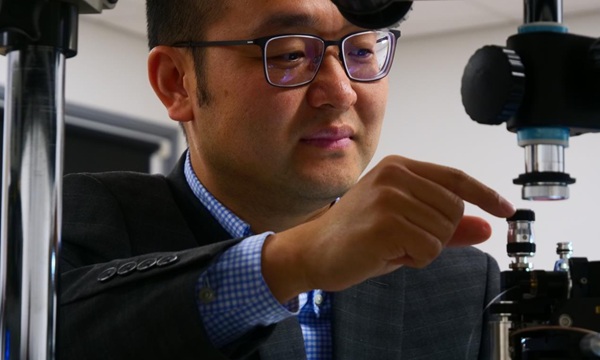
A laser-assisted repair machine does not cut the glass — it targets the adhesive holding the glass on, which is why it damages fewer panels than a heat gun and a pry tool. That distinction is the whole point of the project between Digi4u Limited and the University of South Wales (USW): a low-cost machine that softens or releases the adhesive around a smartphone glass cover so that the cover can be lifted without the force that cracks it. The commercial versions of the same idea are already on the market — the TBK-958B laser separating machine and the Bluetooth-equipped TBK-958C are both listed at £1,542.56 — so the question for a shop is not whether the technique works, but which jobs justify the machine.
(Last modified date: October 3, 2026)
What does the laser actually do?
It removes the bond, not the glass.
Heat-and-pry removal works by softening a perimeter of adhesive with a heat mat or gun and then applying mechanical force with a suction cup and a thin tool. The force is the problem: it is applied to glass that may already be cracked, to a frame that may already be distorted, and to the flexes underneath. A laser works along a programmed path and breaks the adhesive bond itself, so the panel comes away with far less load on it.
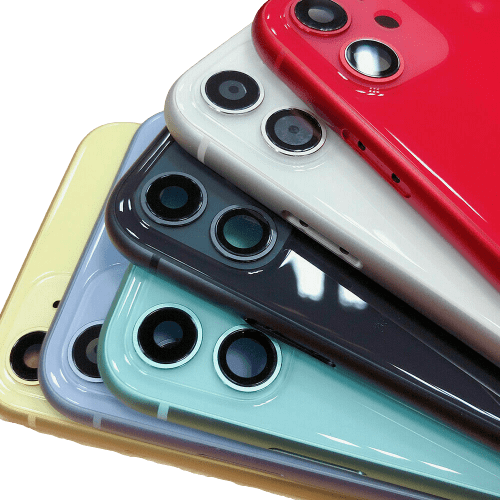
That is why the technique has moved fastest on the back of the phone. Rear glass is bonded across its entire surface rather than around a perimeter, which makes heat-and-pry slow and risky there; a laser path across the back is the difference between a routine job and a written-off housing.
Why does that matter for a repair shop?
Three ways, and the second one is usually the real return.
- Fewer damaged panels. Every cracked screen that breaks on the way out is a second part, a second labour charge the shop absorbs, and a conversation with the customer.
- Back-glass work becomes routine. Rear glass and housing jobs that were previously quoted with a disclaimer can be quoted with confidence, which converts jobs that used to be declined.
- Throughput. A programmed path is repeatable, so the time per job stops depending on which technician is at the bench.
What is the USW and Digi4u project, in numbers?
An announcement, with figures that belong to the project rather than to the market.
| Item | Figure |
|---|---|
| Funding from the Welsh Government SMART Partnerships programme | £26,036 |
| Digi4u’s matching investment | £43,067 |
| Project end date | March 2026 |
| Target e-waste prevented | around 50 tonnes a year |
| Target job creation | 20 jobs in repair and production |
| Target revenue | £2 million within five years |
Those are the project’s own targets, as announced, and they are worth reading as a plan rather than a result: a grant of £26,036 with a £43,067 match is roughly £69,000 of development funding aimed at a machine that a repair shop can afford, which is a different objective from building the best laser on the market.
Which jobs suit a laser, and which do not?
Two job types benefit immediately; two are still better done by hand.
- Back glass and rear housings — the strongest case for the machine, because the adhesive covers the whole surface.
- Front display separation on bonded assemblies — useful where the perimeter adhesive is stiff, and where the alternative is a heat cycle long enough to stress the panel.
- Adhesive clean-up — still a bench task, with a plastic tool and solvent, whoever removed the glass.
- Straightforward screen swaps on older handsets — a heat mat and a suction cup remain the cheapest way to do the job.
What does a laser machine cost to own?
The machine is one line; the bench and the extraction are the others.
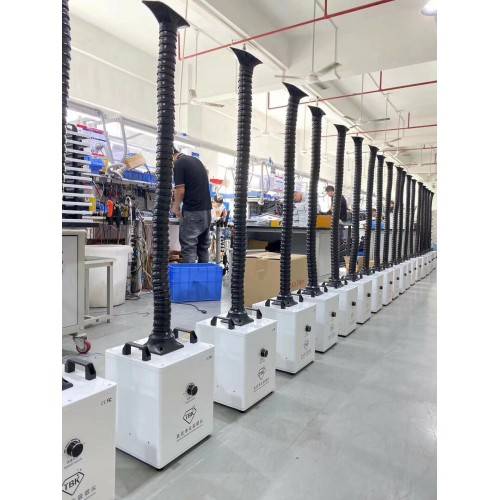
Start with the capital cost: £1,542.56 for the TBK-958B, or the same for the 958C with Bluetooth. Then add a dedicated bench position, a power supply, consumables, training and — the line people forget — fume extraction, because any process that burns adhesive produces fume that has to go somewhere other than the operator’s breathing zone. The extraction side is the same discipline as what HSE requires of a soldering bench, and the filter is a consumable.
Run it as a model rather than a promise: a shop doing two back-glass jobs a week, each previously taking 90 minutes by heat and now taking 30, saves two hours a week, or about £90 a week at a £45 hourly rate. Against £1,542.56 plus the bench and extraction, that is roughly four to six months to pay back — and it excludes the jobs the shop can now accept at all. Substitute your own volumes and hourly rate, and treat the job it converts from declined to accepted as the second half of the return.

What should you ask before buying one?
- The laser class and the enclosure: what the operator is protected by, and what the manufacturer states about eye safety.
- Whether extraction is included or specified as a separate unit, and what it filters.
- The consumables list — lenses, filters, focus parts — with prices and lead times.
- The job library: which models have tested paths, and how new models are added.
- Training, installation and the service route, including response time for a machine that is a bottleneck.
- The warranty and the DOA position on capital equipment.
What is the environmental case?
Repair rather than replace, and the arithmetic is straightforward: a handset kept in service for another two years does not have to be manufactured, shipped and eventually recycled. The project’s headline target is around 50 tonnes of e-waste avoided annually, and the wider point is the one every repair shop can make to a customer — a screen or a back glass is a fraction of the cost, and the carbon, of a new phone. Where the glass comes off, it goes to a WEEE collection route rather than a bin.
What a UK workshop has to control before it runs a laser
A laser separator is a class-controlled piece of equipment sitting on a bench surrounded by people, and the controls are not optional extras. The Health and Safety Executive’s non-ionising radiation guidance is the starting point: a laser must be classified, the class determines the controls, and the beam path is managed rather than the operator’s reflexes.
In practice that means an enclosure or interlocked housing where the machine has one, eye protection matched to the wavelength where it does not, a nominated person responsible for the equipment, and beam path kept below eye level. The failure mode is not the operator who uses the machine every day — it is the second person who walks into the room while it is running.
The second control is extraction, and it is the one repair shops most often skip. Separating glass releases adhesive vapour and particulate, and the HSE leaflet on rosin-based solder flux fume sets out the discipline that applies to any bench process producing fume: capture at source, keep the filter working, and keep the discharge away from the operator’s breathing zone. A laser machine and a rework station in the same room share that extraction.
What the machine has to earn
A model with stated assumptions. The machine price is real — the TBK-958B is listed at £1,542.56 and the Bluetooth-equipped TBK-958C at the same price. What follows is arithmetic, not a claim about any particular shop.
Assume the machine saves one panel a week that hand separation would have destroyed, and that the panel is a mid-range OLED at £30. That is £1,560 a year of parts not repurchased — about the purchase price, before the extra work that a fast, low-damage separation brings in. Assume instead that it saves one panel a month and the payback stretches past four years, which is longer than the warranty on most bench equipment.
The number to substitute is the difference the machine actually makes in your own failure rate, because that is the only thing it changes. If back-glass removal already succeeds nine times out of ten with a heat plate, the machine is improving the tenth job; if it succeeds six times out of ten, it is buying back four.
Where the separated glass goes
Back glass, display glass and the adhesive that comes off with them are waste electrical and electronic equipment once they are discarded, and the WEEE Regulations 2013 set the disposal route. The practical detail for a repair business is on GOV.UK: the T11 waste exemption covers repairing or refurbishing WEEE, and it comes with conditions — a limit on how much is handled, storage rules and record keeping — so a shop that has outgrown the exemption registration needs a permitted site instead. Glass that is simply binned with general waste is neither.
References
- HSE: non-ionising radiation — laser classification and the controls that follow from it.
- GOV.UK: T11 waste exemption — the conditions on repairing or refurbishing WEEE, including storage and record keeping.
- Business News Wales: University developing laser technology to extend the life of smart phones — the announcement behind the project figures in this article. The page returns 403 to automated requests, so it could not be re-verified for this refit.
- HSE INDG249: controlling health risks from rosin-based solder flux fume — the extraction and maintenance discipline that applies to any bench process producing fume.
- Waste Electrical and Electronic Equipment Regulations 2013 — the disposal route for the glass and panels that come off a repair.
FAQ
When will this laser technology be available for commercial use?
The USW and Digi4u project is scheduled to run until March 2026, and the announcement suggested commercial availability could come earlier. Laser separating machines are already on sale for repair shops — the TBK-958B and 958C are listed at £1,542.56 — so what the project is developing is a lower-cost route, not the first machine of its kind.
Will DIY repairers benefit from this technology?
Not directly at first. A laser machine needs a bench, extraction and training, which puts it in the professional workshop rather than the kitchen table. The benefit to a DIY repairer arrives second-hand: as more shops adopt it, more handsets get repaired instead of replaced.
Why is Digi4u involved in this project?
The company supplies the parts that repair shops consume, so anything that reduces panel damage and makes more repairs viable increases the market it sells into. The announcement positions it as an innovation partner rather than only a parts supplier, which is a fair description of co-funding a machine aimed at the shops it already sells to.
What is the environmental benefit?
The project targets around 50 tonnes of e-waste avoided each year by extending device life, with the associated carbon savings. The general principle is well established: keeping an existing handset in service avoids the manufacturing footprint of a new one, and glass that does come off belongs in a WEEE collection route.
Do I need extraction with a laser separating machine?
Yes. Burning adhesive produces fume, so the machine belongs behind an enclosure with extraction, treated as a consumable with a maintenance schedule. The same logic as an HSE-compliant soldering bench applies: capture at the source, keep the filter working, and keep the discharge away from the operator.
Laser or heat mat — buy the tool the job needs. Digi4u stocks laser separating machines, heat mats, opening tools and the consumables that keep a repair bench running.