


Battery After Water Damage: Replace, Test or Refuse
Need this part? We stock tested replacement parts with same-day UK dispatch and a 12-month warranty.
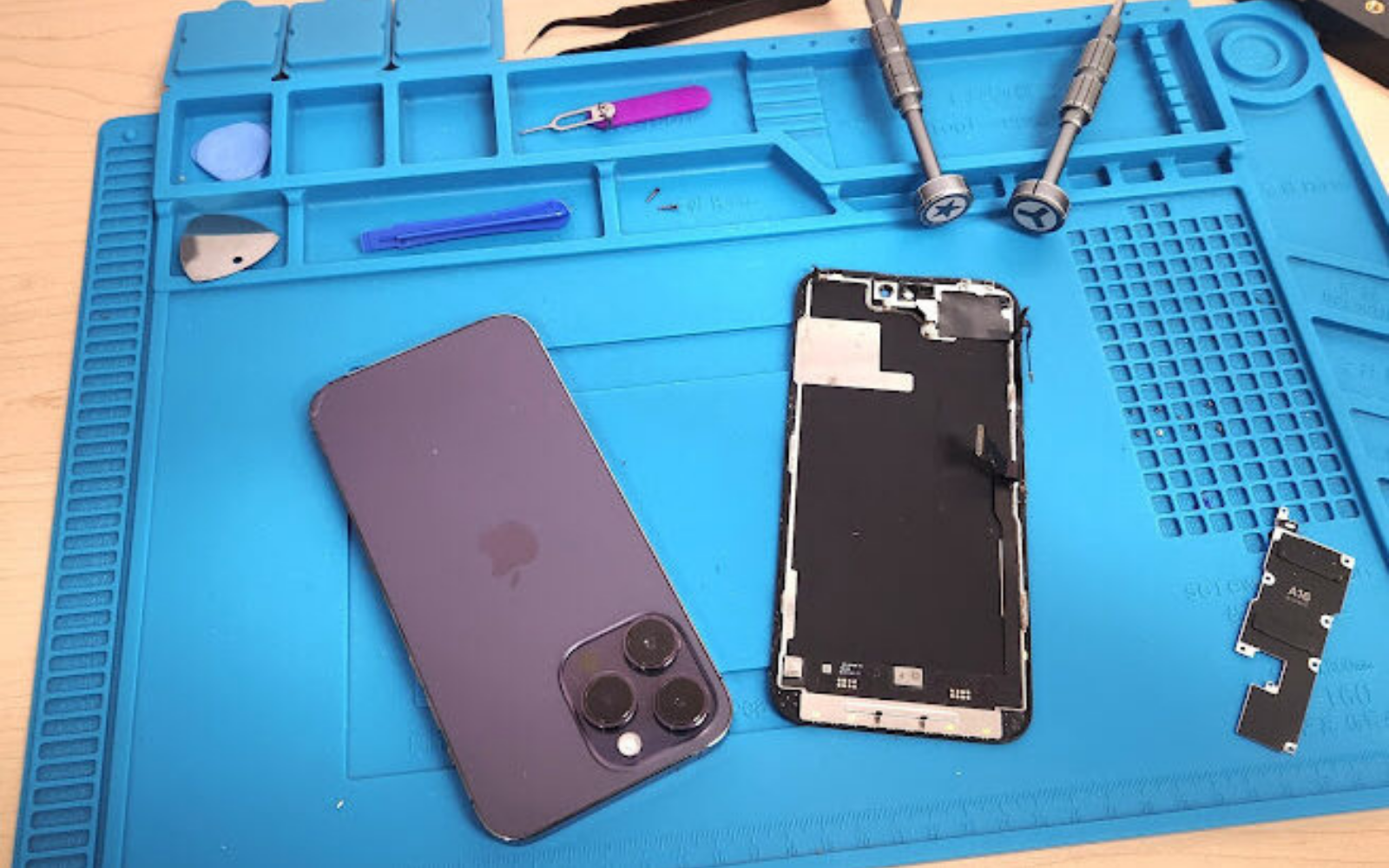
After liquid reaches a phone battery or its connector, treat the cell as compromised even if the handset still boots. Power off if it is safe, photograph corrosion, decide replace / test / refuse before ordering parts, and never charge a swollen or wet pack “to see what happens”. A new battery alone is wasted spend when the board or charging path is still dirty or shorted.
Last updated:
The official Digi4u clip below shows why a wet phone should not be powered or charged first — the same intake rule this page applies to the battery and connector.
@digi4u Official Digi4u video: what not to do first after a phone is dropped in water.
Digi4u is a Cardiff-based UK supplier of phone batteries, related parts and tools for owners and repair shops.
Why is a battery risky after water or liquid contact?
Moisture under the cell and at the connector starts corrosion that keeps spreading.
Liquid does not need to “brick” the phone on day one. Residue under adhesive, green or white corrosion on the battery flex, and contamination on the charging path can create intermittent boots, sudden power-offs and later swelling. Forums and shop write-ups repeatedly show devices that work briefly after drying, then fail as corrosion advances.
If the cell is hot, venting, punctured or visibly swollen, stop. Quarantine it in a rigid, fire-resistant container away from flammables and follow the shop’s lithium incident procedure. Do not press, bend or recharge it.
Replace, test or refuse — how should a shop decide?
Decide from evidence on the cell, connector and board — not from optimism.
| Finding | Default decision | Why |
|---|---|---|
| Liquid marks / corrosion on cell or battery connector | Replace the cell (after board assessment) | Hidden residue keeps failing later |
| Phone dead, no corrosion under cell, clean connector | Test with known-good bench supply / donor cell where procedure allows | May be port, flex or board — not the cell |
| Swelling, heat, smell, puncture | Refuse further charging; quarantine; dispose via licensed route | Safety stop |
| Heavy board corrosion, missing rails, customer wants “battery only” | Refuse or re-quote board-level work | New cell will not fix a dirty power path |
| Customer insists on rice / hairdryer DIY first | Pause; explain corrosion risk; document refusal of unsafe methods | Heat and starch worsen residue problems |

What does a safe high-level inspection sequence look like?
Isolate power first; inspect before you promise a parts-only fix.
1) Keep the phone off and unplugged. 2) Photograph exterior liquid indicators and ports. 3) Open only if the shop is equipped for lithium work and ESD-safe handling. 4) Inspect the battery flex, connector area and nearby shields for residue without prying into a swollen pouch. 5) Check whether the charging port and main power path show corrosion before ordering a cell. 6) Only then choose replace, controlled test, or refuse.
This article deliberately does not publish tear-down torque charts or “how to dig out a swollen pack at home” steps. Damaged lithium cells belong on a prepared bench with eye protection, a clear area and a disposal plan — or with a specialist who already has that setup.
When is a new battery alone wasted spend?
When the board still shorts, the port is destroyed, or liquid is still active under shields.
Shops burn goodwill by fitting a fresh cell into a phone that cannot negotiate charge, that browns out on the same rail, or that still shows active green corrosion beside the connector. Clean and stabilise the power path first, or quote board work honestly. Related reading: phone no-power diagnosis.
| Board / path clue | Meaning | Parts implication |
|---|---|---|
| Corrosion only on battery connector | Cell + connector at risk | Plan new battery; inspect seat/flex |
| Port green / missing pins + liquid history | Charge path damaged | Port / FPC work before blaming cell |
| No boot even on known-good bench power | Likely board rails / PMIC territory | Do not sell “battery only” |
| Boots on bench cell, dies on customer charger | Cable/port/charger interaction | Test cables; avoid unnecessary cell SKU |
Customer communication templates (keep them plain)
Say what you found, what is unsafe, and what you will not do.
Replace: “Liquid reached the battery area. Even if the phone powers on now, the cell and connector can fail or swell later. We recommend a model-matched replacement after we check the charging path.”
Test first: “We do not yet see liquid on the cell, so we will confirm power delivery with controlled bench checks before ordering a battery. If the board path is dirty, a new cell alone will not fix it.”
Refuse / pause: “The pack is swollen / hot / punctured, or the board damage is beyond a battery-only job. We will not charge this cell. We can quarantine it for safe disposal and quote a realistic next step — or return the device unrepaired.”
Put the chosen wording on the ticket. Photos protect both sides when corrosion was already present at intake.
Which parts should you stage if you proceed?
Model-matched battery first; port or flex only when inspection supports them.
Confirm the exact phone model code before ordering. Digi4u stocks cells across iPhone and Android lines — for example the iPhone 16 REPART battery, iPhone 13 StellarXcell diagnostic battery and Pixel 7 battery — plus the broader iPhone battery hub and Samsung battery hub. Do not stage a “universal” cell.

UK lithium shipping and disposal notes
Standalone batteries leave Digi4u by DPD; failed wet cells leave the shop via a licensed disposal route.
Royal Mail does not carry standalone lithium batteries or power banks on Digi4u’s live delivery policy, so loose replacement cells use DPD. Same-day dispatch targets orders before 16:00, Monday to Friday; later and weekend orders go the next working day. Free-shipping thresholds depend on method and zone — re-check the delivery policy. Spent or damaged cells from liquid jobs need a labelled, fire-resistant hold and a licensed battery disposal route with paperwork kept on the job file (battery safety in the workshop).
How do you test after a liquid-related battery replacement?
Confirm clean connectors, stable charge and no immediate heat at the seat.
With the new cell fitted and the area cleaned to the shop’s standard, watch the first charge portion for abnormal warmth, confirm the phone identifies the battery, and run a short load test. If the device still refuses to charge, return to port and board checks rather than swapping a second cell blindly. Related: Android battery health reporting and iPhone battery replacement parts UK.
Useful related reading: phone no-power diagnosis, phone overheating when idle and battery safety in the workshop.
After liquid triage, if the ticket is a Samsung cell, order by fit code and DPD lithium rules — Samsung Galaxy battery parts UK.
After liquid events, cleaning chemistry matters as much as the battery decision — see ESD and PCB cleaning tools for UK benches.
Liquid tickets that end on a 16-series cell still need Digi4u lithium DPD rules — iPhone 16 battery parts UK.
FAQ
What happens if water touches a phone battery?
Moisture can start corrosion on the cell, its flex and the connector. The phone may still boot for a while, then suffer sudden shutdowns, charging faults or swelling. Treat liquid under the cell as a replace-and-inspect job, not a “dry it and hope” fix.
Can water damage your battery even if the phone turns on?
Yes. Power-on only proves some rails still work today. Residue under adhesive can keep reacting for days or weeks. Photograph intake condition and decide replace / test / refuse from inspection, not from a single successful boot.
My phone will not charge after water — is it the battery?
Not always. Ports, charging flexes and board corrosion commonly block charge after liquid. Test the path before ordering a cell, and do not keep forcing charge into a wet or swollen pack.
How do I dry out a wet phone quickly?
Power it off, wipe external moisture, and take it to a shop equipped for liquid work. Avoid rice, ovens, hairdryers and sealed heat — those methods trap residue or cook adhesives. Speed matters less than stopping charge and getting a proper inspection.
Should a shop refuse some water-damaged battery jobs?
Yes. Swollen, hot, punctured or heavily board-corroded devices are safety or honesty stops. Quarantine dangerous cells, document the refusal, and quote realistic board-level work or return the device unrepaired.