


Running a Trade-In Programme That Pays
Need this part? We stock tested replacement parts with same-day UK dispatch and a 12-month warranty.
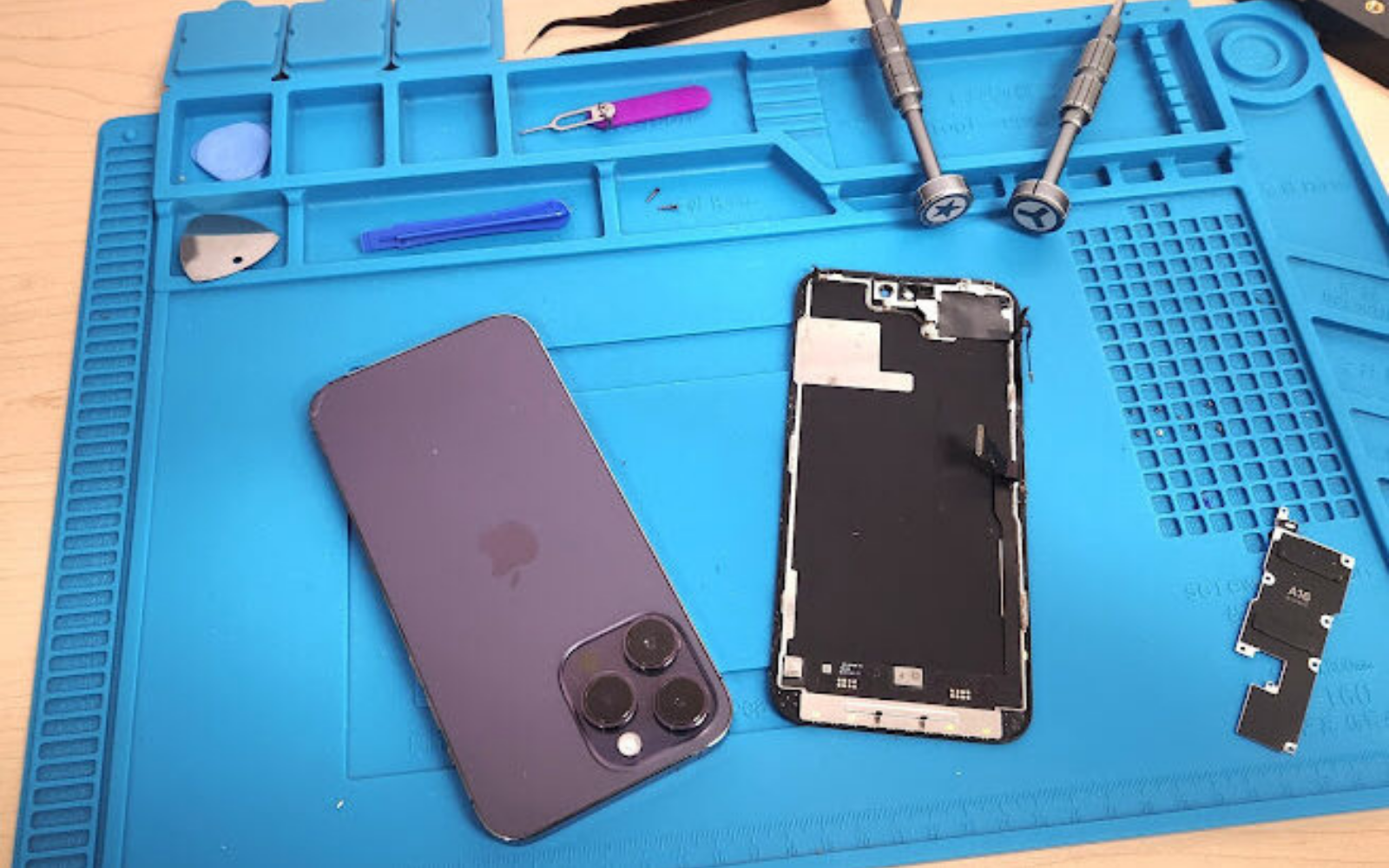
Trade-in is the quiet second business inside a repair shop. A customer with a phone they no longer use is a source of stock, a source of parts work and a source of conversation about their next device, all in the same visit.
Done carelessly it is a way to accumulate unprofitable devices. Done with a valuation method and a checklist, it turns the counter into a supply line that pays for itself.
Why run a trade-in programme at all?
Because the customers are already standing at your counter.
Nobody has a better opportunity to buy a used device than the shop a customer already trusts with their repairs. There is no marketing cost, the device can be inspected on the spot, and the customer is often motivated by the price of the repair they came in for.
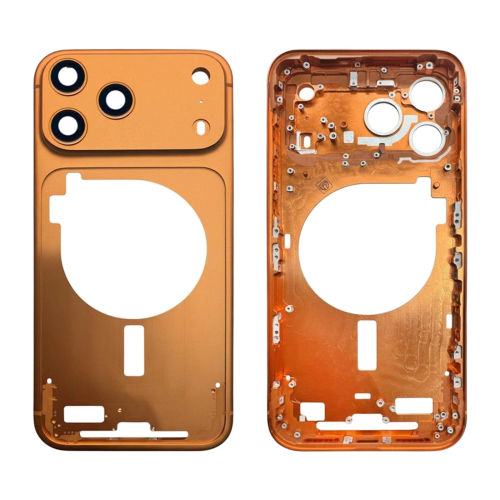
It also feeds the repair side, because a bought-in device usually needs something before it can be sold. A battery, a frame or a screen is work the shop already does, and the parts come from the same account as everything else.
Which devices are worth buying in?
Popular models with cheap cosmetic parts.
The best candidates are handsets that sell quickly, hold value and are inexpensive to bring up to grade. Models where parts are scarce or values are volatile are worse than they look, because the margin can disappear between buying and selling.
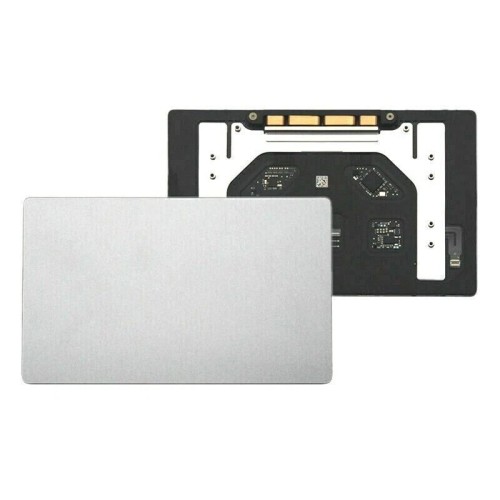
Laptops are worth considering selectively, since a single assembly can decide the outcome. Matching the part to the chassis is the same exercise described in matching a MacBook screen by A-number, and it is what stops a bought-in laptop becoming a shelf ornament.
How do you value a device?
From what the grade sells for, minus risk.
Start with what comparable devices at that grade are achieving, then subtract the parts needed to reach the grade, the labour at a realistic rate and an allowance for the device that turns out to need more. What remains is the maximum the shop can pay and still make money.
That structure is the same one used when pricing a resale, described in what to replace and what to leave when refurbishing. Paying from evidence rather than from a hunch is what makes the programme profitable.
What do you check before paying?
Function, condition and identity.
Every function is tested before money changes hands: display, touch, cameras, speakers, microphones, radios, charging, buttons and biometrics. Then the cosmetics are assessed against the grade the shop can sell at, and then the identifiers are checked.
The inspection discipline for a used handset is the same one that applies to any device bought in at the counter. Doing it in the same order every time is what stops a rushed valuation on a busy afternoon.
How do you avoid buying stolen devices?
Check the identifiers against the trade databases first.
The IMEI and serial number can be checked against the records of lost, stolen and blocked handsets, and a trade check costs far less than a seized device. Where a device is offered at a price that makes no sense, that is the signal to check rather than to buy.
The other protection is the record. A seller who will not provide identification details is a seller whose device the shop cannot afford to hold, and refusing that purchase is cheaper than the alternative.
What data obligations apply?
The device holds personal data.
Under the Data Protection Act 2018, a business in possession of a customer’s device is processing personal data, and the practical guidance for a small organisation is published at ICO guidance for organisations. A bought-in device should be wiped properly and the previous owner’s account removed before anything else happens to it.
Verifying that is straightforward: complete a fresh setup far enough to prove the device is not locked to an account. That one step prevents the most common trade-in disaster, which is a handset that cannot be sold to anybody.
How do you price the resale?
From completed sales, not from hope.
The price a device achieves is a market fact rather than a shop’s preference, and the evidence is what comparable devices have actually sold for recently. Setting the price above that simply means the device sits on the shelf while it loses value.
Setting it slightly below the market and selling quickly is usually the better trade, because the cash can be redeployed. The review rhythm that keeps a parts shelf healthy applies to devices as well, as described in planning stock by the numbers.
What paperwork does a trade-in need?
A purchase record the shop could produce months later.
The record should capture the seller’s details, the device’s identifiers, the date, the amount paid and a statement that the device is theirs to sell. That single page is what protects the business if the device is later reported stolen.
It is also the evidence that answers a question about where a device came from, which matters for any shop that sells used stock regularly. The general business requirements are summarised at running a limited company.
What about devices that turn out to be faulty?
Price the risk in, and test harder next time.
Some bought-in devices develop faults after purchase, and the cost of those is part of running the programme. The allowance in the valuation is what covers them, and a shop that traces a pattern back to a particular model or supplier can adjust its buying accordingly.
Where the fault is discovered immediately, the device can usually be repaired and still sold. The point of the allowance is that a handful of disappointments do not turn a profitable month into a loss.
How does trade-in help the repair side?
It supplies the parts work that keeps the bench busy.
Every bought-in device that needs a battery or a frame is a repair job with no customer negotiation, because the shop decides what to do and does it. That work uses the same skills, the same bench and the same supplier account as the counter work.
It also gives the shop a device to offer when a customer’s repair is beyond economic sense. Being able to say “for a little more than the repair, here is a device that is ready today” is a better conversation than losing the customer entirely.
When should you decline a trade-in?
When the numbers do not work or the history is unclear.
A device whose repair cost exceeds the margin is not worth buying, however good the customer’s intentions. A device with an unclear history, a blocked identifier or a seller who cannot produce identification is a risk the shop does not need.
Declining politely is part of the same policy that applies to repairs, described in building a decline policy. The customer is not being rejected; the device is.
The programme also changes the repair conversation. A customer whose device is beyond economic repair becomes a customer buying a device rather than a customer lost, and a customer trading in a working handset can be offered a repair on the new one at the same visit.
Reviewing trade-in outcomes monthly is what keeps the programme honest. Two numbers are enough: the average margin on devices sold and the average time each takes to sell. Where the second figure is rising, the buying criteria are wrong rather than the market.
The service has to be visible for it to work. A single line on the counter or a note on the workshop wall saying that devices are bought and part exchanged is enough to start conversations, and those conversations are where the stock comes from.
Devices that cannot be sold at retail still have value. Older handsets can go to a trade buyer, be used for parts, or be recycled through a registered route, and knowing which route each device will take is part of valuing it correctly in the first place.
Not every device is worth buying, and the offer that keeps the customer is a recycling or data-wipe service instead. A shop that will securely erase and responsibly dispose of an old handset for a small fee keeps the relationship without taking on the risk.
Insurance replacements are a useful source of stock too. Where a customer’s device is replaced through a claim, the damaged handset sometimes remains theirs to sell, and a repair shop is a natural buyer for it.
A device with a known fault is still worth valuing, provided the fault is priced properly. A cracked screen or a tired battery has a defined cost to put right, and deducting that cost from the working value of the device gives a number both sides can accept.
What is the one rule for trade-in?
Value from evidence and test before you pay.
Two habits, applied to every device, and the programme makes money. A valuation pulled from a real market price and a full function test take twenty minutes and remove almost all of the risk from buying used stock.
Around them sit the ordinary disciplines: identifier checks, a written purchase record, proper data erasure and a pricing review. Devices that cannot be sold are waste under the Waste Electrical and Electronic Equipment Regulations 2013, products placed on the market fall to the Office for Product Safety and Standards, and retail customers keep their rights on anything bought under the Consumer Rights Act 2015.
FAQ
Is a trade-in programme worth running in a small repair shop?
Yes, if the shop already sells used devices or wants to. The customers are already at the counter, the device can be inspected on site, and any parts work it needs uses skills and suppliers the shop already has.
How much should I pay for a used phone?
Start from what that grade of device actually sells for, then subtract the parts needed, the labour at a realistic rate and an allowance for devices that need more work. What remains is the maximum you can pay.
What should I check before buying a customer’s phone?
Test every function, assess the cosmetics against the grade you can sell at, and check the IMEI and serial against the trade databases. Take a written purchase record with the seller’s details.
What do I do with the data on a bought-in device?
Wipe it properly and remove the previous owner’s account, then verify by completing a fresh setup far enough to prove it is not locked. Under UK data protection law the shop is responsible for that data until it is erased.
Parts for the devices you buy in. Digi4u supplies batteries, frames and cosmetic parts for trade-in and refurbishment work.