


Redmi Note 10 & 11 Screen Replacement Guide
Need this part? We stock tested replacement parts with same-day UK dispatch and a 12-month warranty.
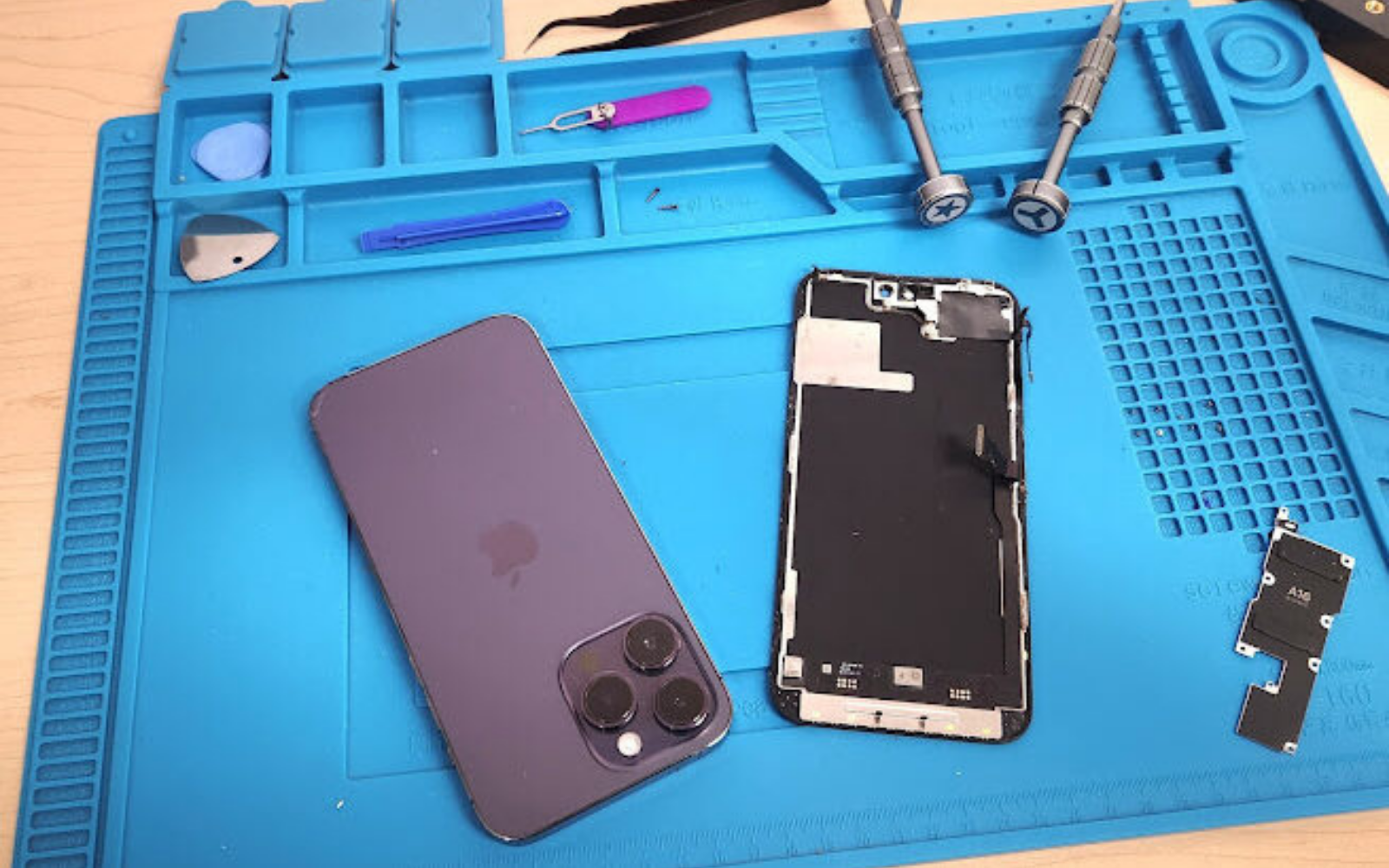
The Redmi Note 10 and Note 11 families use AMOLED panels on most variants, with a few budget variants on LCD. A Redmi Note screen replacement means opening the phone, disconnecting the battery, and fitting a new AMOLED or LCD assembly depending on the exact model. Digi4u stocks tested screens for the Note 10 and Note 11 families.
Last updated: August 2026 ¡¤ Reviewed by the Digi4u repair team.
About this guide: based on hands-on bench testing and repair experience; confirm model specifications with the supplier before ordering.
Which Note 10 or Note 11 model do you have, and which panel fits it?
The Note 10 and Note 11 families include several variants: most use AMOLED with 90 or 120 Hz refresh, while some budget variants use LCD. Confirm the exact model number and the panel type before ordering.
| Model family | Typical panel | Repair note |
|---|---|---|
| Redmi Note 10 (Pro/Max) | AMOLED 120 Hz | Most common variants |
| Redmi Note 10 budget variants | LCD | Separate parts |
| Redmi Note 11 (Pro) | AMOLED 120 Hz | Newer generation |
| Redmi Note 11 budget variants | LCD | Separate parts |
The model number alone is not enough, because the same family name covers AMOLED and LCD variants. Check the panel type on the device or with the supplier before ordering.
Common Note 10 and Note 11 screen faults
The most common faults are cracked glass, lines or blotches after a drop, touch failure, and backlight issues on LCD variants. AMOLED models can show dead pixels or burn-in after heavy use.
Lines and blotches point to panel damage, while a dim screen with a faint image usually means an LCD backlight fault. Test in safe mode and rule out water damage before ordering. On AMOLED models, check for burn-in with a grey screen before quoting.
Note 10 and Note 11 screen repair differences
Both families are mid-range Xiaomi phones with a simple opening sequence, and the panel-type split is the main trap. The punch-hole camera and the under-display fingerprint sensor on AMOLED models must transfer cleanly.
The repair process is nearly identical across the variants, which makes these phones fast high-volume work. Keep the quote simple and match the repair price to the phone’s value, because mid-range phones are price-sensitive.
Post-repair testing checklist
Test the display, touch, the fingerprint sensor, the cameras, the proximity sensor and charging while the phone is open, and check the battery health before sealing. The full test sequence is listed in the screen repair tools and preparation guide.
The standard process
The standard screen replacement opens from the rear: isolate the battery first, release the assembly, fit the new part and test before resealing.
The full tool list is in the screen repair tools and preparation guide, and the opening technique is covered in the safe phone opening guide. The model-specific risks for this phone are covered above.
Digi4u workshop notes
The Note 10 and Note 11 are older mid-range high-volume lines, and the panel-type split is still the main trap. Confirm AMOLED or LCD before ordering, transfer the punch-hole camera, and test the fingerprint sensor. The rest of the repair is fast and simple.
¡ª Digi4u repair team ¡¤ reviewed by our in-house technicians (bench-tested, August 2026)
Conclusion
The Redmi Note 10 and Note 11 are fast mid-range repairs when you confirm the exact model and panel type first. Transfer the punch-hole camera and test the fingerprint sensor before sealing. Shops can order Redmi Note screens from Digi4u.
Frequently Asked Questions
Do all Redmi Note 10 and Note 11 models use AMOLED?
No. Most use AMOLED, but some budget variants use LCD. Confirm the exact model and panel type before ordering.
Can I use a Note 10 screen on a Note 11?
No. The generations use different panels and connectors, so the parts are not interchangeable.
Why is my Note screen dim with a faint image?
On LCD variants that is usually a backlight fault, and a full assembly replacement is the standard fix.