


A repair shop should define screen grades by repeatable specification and outcome, not by labels such as premium, OEM quality or best copy. Those terms vary between sellers and can change without warning. A useful grade system connects the exact SKU to panel construction, supported functions, testing, warranty handling and the promise made to the customer.
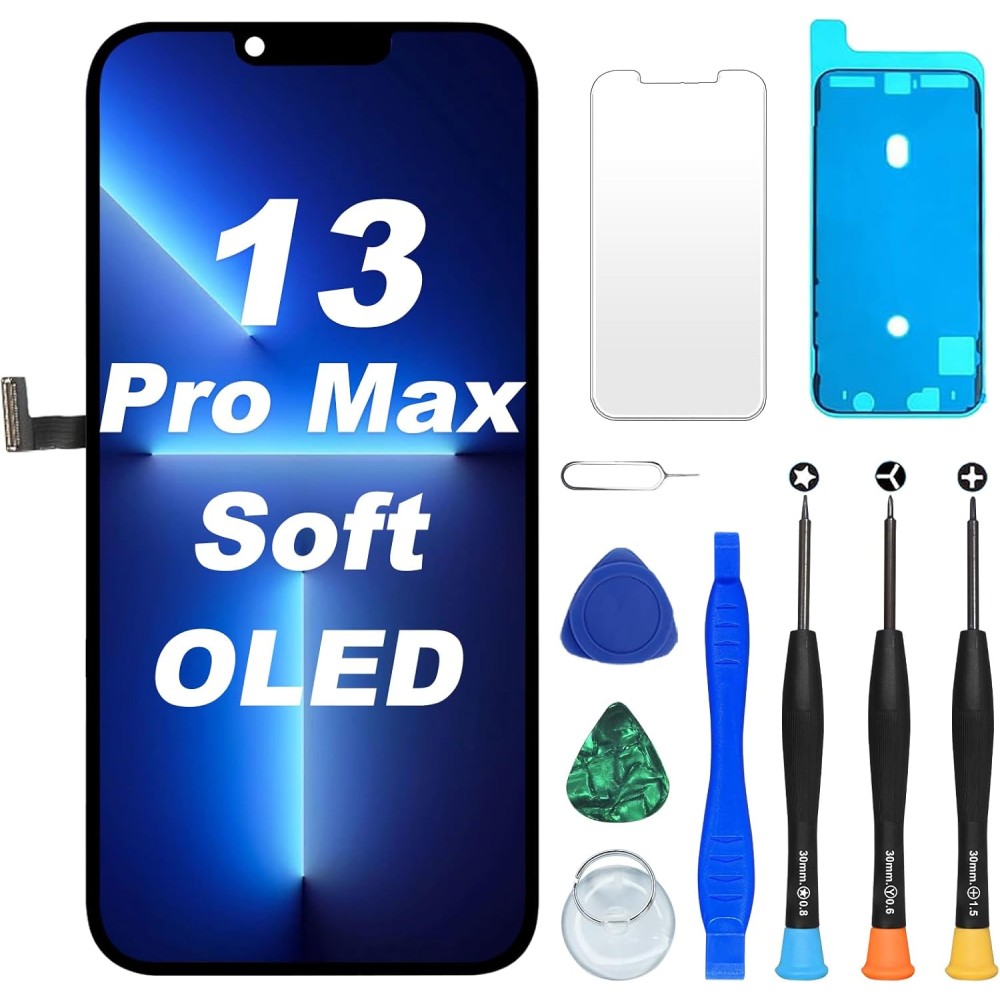
Create grades from service outcomes
Start with the repairs the shop sells: value-focused function, a closer OLED experience, refurbished original-panel work or a traceable service route. Give each service a customer-facing description that states what is included and what may differ. Do not name every option “standard screen” and leave technicians to explain the variation after fitting.
Write a minimum specification
For each grade record panel technology, flexible or rigid construction where relevant, frame option, model codes, brightness or refresh claims that are actually evidenced, required transfers, warnings and supplier SKU. Add the shop’s own acceptance test. If a supplier changes the SKU or specification, requalify it instead of silently retaining the old grade name.
Separate provenance from performance
Genuine, refurbished and aftermarket describe sourcing or production routes; LCD, hard OLED and soft OLED describe construction categories. Neither group alone proves the final result. Keep provenance evidence separate from measured or observed performance. Avoid turning “OEM”, “original quality” or “service pack” into a claim unless documentation supports the exact wording.
Qualify samples by SKU
Test more than one sample where purchasing volume justifies it. Record fit, image, full-grid touch, brightness behaviour, sensors, refresh support, installation time and early returns. Compare the same model and conditions. A single excellent sample cannot prove batch consistency, while one installation-damaged part should not automatically condemn a grade.
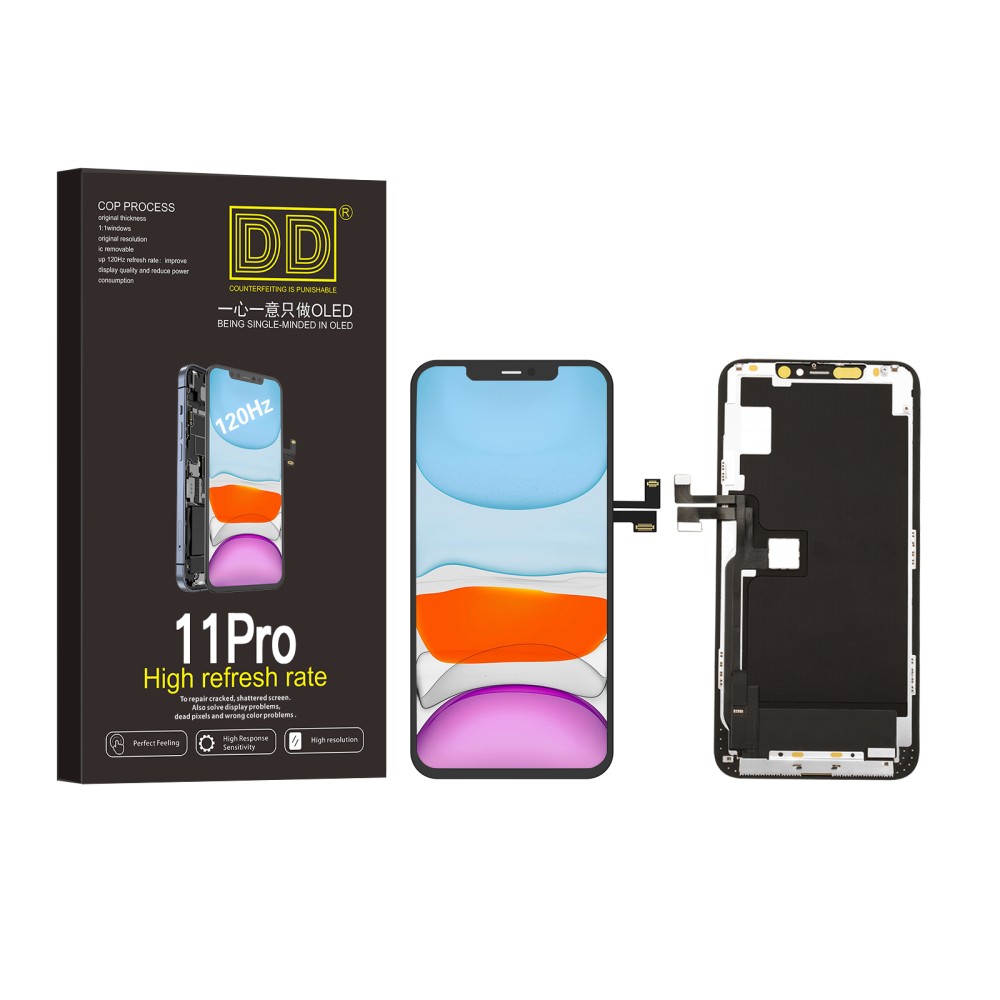
Price the completed repair
Include screen cost, delivery, technician time, consumables, repeat visits and RMA friction. A lower-priced panel can be commercially poor if it adds fitting time or disputes. A higher-priced part still needs evidence. Review margin and failure rate by SKU and fault type, not only by supplier total.
Explain the choice to customers
State the construction, expected outcome, warranty scope and any known functional considerations before approval. Provide a good/better/best ladder only if each level has a stable meaning. Apple’s display guidance can support a discussion of potential non-genuine display effects, but should not be used to claim every aftermarket screen fails.
Control returns and changes
Define pre-installation tests and the evidence technicians must preserve. Track removed films, adhesive, marks and fitted-part conditions against the supplier’s current policy. When a product changes, quarantine mixed stock or label it clearly. A grade is trustworthy only when purchasing, bench practice and customer paperwork use the same definition.
Build a shop-ready range
Choose a limited number of clearly separated options for the models that produce real demand. Use Digi4u’s iPhone screen range to compare exact SKUs, then request written clarification of ambiguous grade terms. This page should consolidate with the existing UK screen-grade guide rather than create two pages targeting the same decision.
Turn the guidance into a controlled repair decision
For an individual buyer: identify the exact model, decide which result matters and ask the installer to describe the proposed part in writing. Do not buy from a photograph, screen size or headline claim alone. If the repair involves opening a powered device, delicate security hardware or a display assembly, use a competent technician rather than treating the purchase as the complete repair.
For a repair business: attach the supplier SKU and stated specification to the job, record the device condition before disassembly and use the same acceptance test for every sample in that grade. Customer paperwork should name the selected option and any known limitation. When a result differs from the approved specification, pause the job and preserve evidence instead of improvising a workaround that makes the original fault harder to assess.
Evidence to keep with the job
- Device model name, A-number and reported symptom.
- Order reference, supplier SKU, grade and frame or bundle option.
- Photographs of the received part, connectors, seals and pre-existing damage.
- Results of the open functional test before films or final adhesive are disturbed.
- Any warning, setting, diagnostic result or customer-approved trade-off.
- The current product listing and returns procedure used for the decision.
This record is useful even when the repair succeeds. It lets the shop compare repeat performance by SKU, identify installation training needs and distinguish a product trend from an isolated device fault. Do not convert internal observations into public defect-rate or performance claims until the sample size and test conditions are documented.
Common questions
What does “premium” mean on a screen listing?
It has no universal technical definition. Ask for panel construction, supported functions, SKU and test evidence.
How many screen grades should a shop offer?
Use the smallest range that covers real customer outcomes and can be defined, stocked, tested and explained consistently.
When should a shop requalify a grade?
Requalify after a supplier, SKU, construction or specification change, or when recorded fault patterns move outside the shop’s acceptance limit.