


Phone Battery Storage for Repair Businesses: Charge, Temperature and Rotation
Need this part? We stock tested replacement parts with same-day UK dispatch and a 12-month warranty.
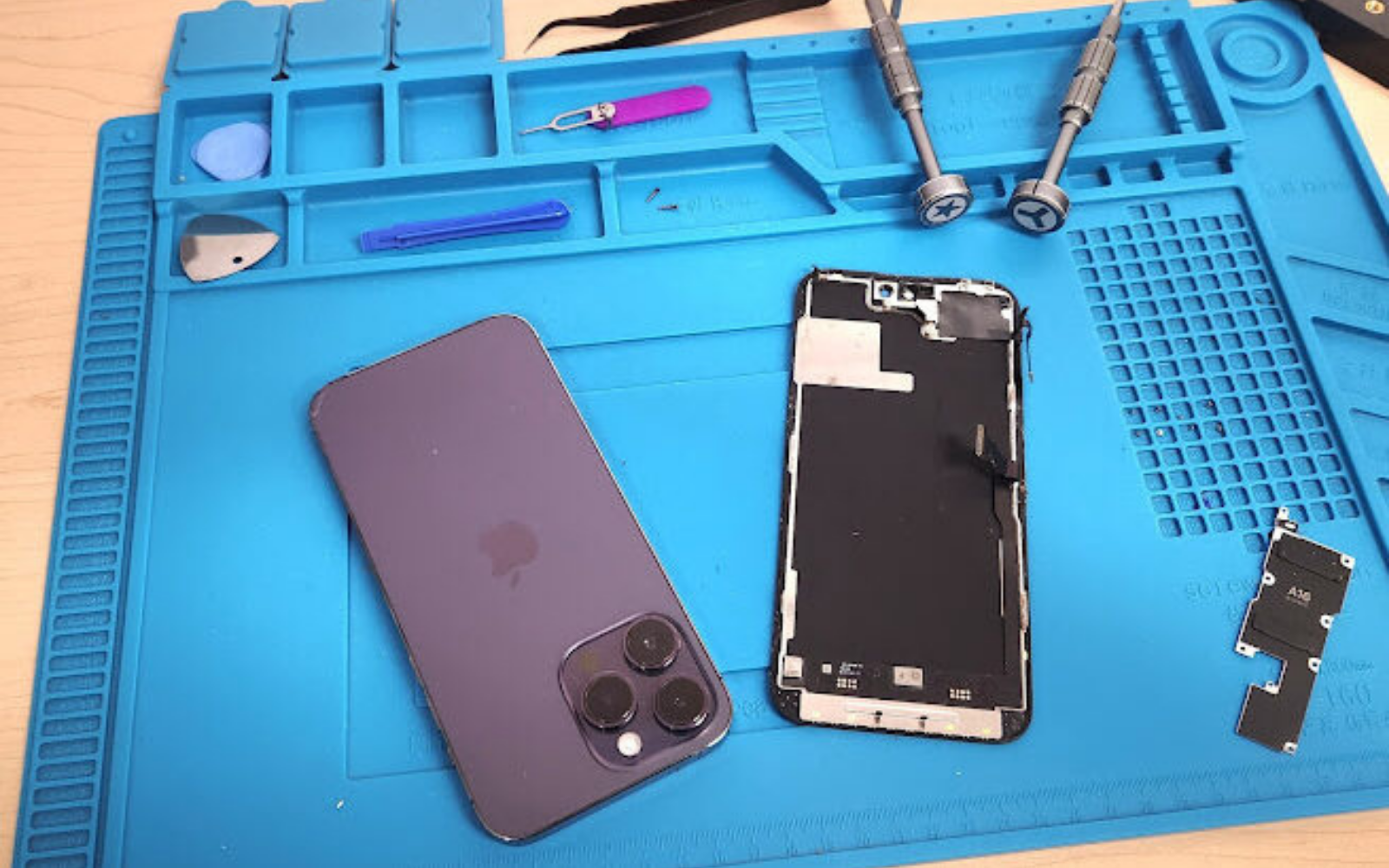
Battery stock is safest and most useful when it is identified, protected from damage and rotated through a documented process.

What does controlled battery storage look like?
Battery stock should have a named location, responsible person and simple records. Loose cells in drawers invite model mix-ups, puncture risk and forgotten ageing stock.
The UK’s primary battery-regulation guidance is GOV.UK: batteries and waste-battery regulations.
Which supplier instructions govern the stock?
Use the storage conditions supplied for the exact product. Do not invent a universal percentage or temperature target; product instructions and local safety requirements take priority.
For electrical-equipment waste obligations, see GOV.UK: WEEE compliance guidance.
How should cells be protected from damage and shorting?
Store in a dry, stable location away from heat, direct sun, crushing loads and conductive loose items. Keep original packaging or suitable non-conductive separation.
For battery-risk information in a work setting, consult HSE: battery safety and waste guidance.
Where does quarantined stock go?
Swollen, dropped, leaking or otherwise suspect cells need a separate, controlled route. Do not return them to ordinary saleable inventory or compress them to save space.
If the operation produces hazardous waste, check GOV.UK: hazardous-waste registration.

How should receipt dates and rotation be recorded?
Label receipt date, SKU and compatible model, then use a first-in/first-out process where appropriate. Review slow-moving stock against supplier guidance instead of letting it remain indefinitely.
For general business-waste responsibilities, see GOV.UK: dispose of business waste.
Why must similar-looking batteries remain separated?
Keep batteries separated by SKU and use clear labels. A battery placed in the wrong bin can create an incorrect fit even when the purchaser ordered correctly.
What are the UK routes for waste and damaged batteries?
Record stock movement and keep waste batteries out of general waste. UK businesses should check applicable obligations and use an appropriate battery/WEEE route; this article is not legal advice.
How often should repair stock be reviewed?
Buy defined SKUs in quantities the shop can identify and rotate. Use Digi4u battery listings as part of a documented receiving process.
Receiving stock without losing traceability
At receiving, label the carton or bin with the delivery date, SKU and compatible device group before it reaches the bench. Keep the purchase reference accessible. This turns a later fault report into a traceable item rather than a vague memory of stock that “came in last month”.
Reviewing inventory without guessing
Set a periodic review date and inspect packaging condition, storage area and slow-moving lines. Follow supplier instructions for any shelf-life or handling limits. Do not reclassify old stock as “tested” merely because it has been stored without a reported complaint.
Storage control table
| Control | Purpose |
|---|---|
| Labelled non-conductive storage | Prevents damage and model mix-ups |
| Separate suspect stock | Stops unsafe cells returning to saleable inventory |
| Receipt-date rotation | Makes ageing stock visible |
Storage policy should match the business scale
A small repair counter may only need labelled protective bins and a weekly visual check; a larger operation may need receiving logs, segregated quarantine and assigned stock owners. The principle is the same: every cell should be identifiable, protected and either saleable, quarantined or routed for appropriate disposal. “Somewhere in the back” is not a storage process.
Temperature is only one risk
Avoiding a hot windowsill is sensible, but it is not the whole policy. Crushing, conductive loose objects, water exposure, damaged packaging and unlabelled stock can create an equally serious problem. Keep storage conditions aligned with the product instructions and review the physical area after changes in layout, heating or deliveries.
A useful quarterly review
Review slow-moving SKUs, packaging condition, receipt dates, quarantine items and the route for waste batteries. Record corrective actions, such as re-labelling a bin or removing damaged stock. The review should improve safe rotation; it should not become an excuse to use old or questionable cells simply to clear inventory.
Completion standard
Storage records should make it easy to answer three questions: what is this battery, when did it arrive, and is it safe and approved for saleable stock? If the answer to any one is unclear, place it in a controlled review route rather than using it to fulfil an urgent repair. Traceable inventory is a customer-service and safety control, not just an administrative preference, and supports periodic audit.
For “Phone Battery Storage for Repair Businesses: Charge, Temperature and Rotation”, the repair record should link the confirmed device identifier, selected SKU and result of the first controlled check. That record gives a later technician a defined baseline, supports a supplier query when appropriate and prevents a broad conclusion from being drawn from one symptom. It also makes the customer conversation precise: the shop can distinguish what was verified during this repair from what requires a separate diagnosis.
Frequently asked questions
How should phone batteries be stored?
Follow the product and supplier instructions in labelled, protected, dry storage away from heat, crushing and conductive loose items.
Can damaged batteries stay with saleable stock?
No. Quarantine swollen, dropped, leaking or otherwise suspect cells under the business’s safety procedure.
Can phone batteries go in general waste?
No. Use the appropriate UK battery or WEEE collection and treatment route.
For Phone Battery Storage for Repair Businesses: Charge, Temperature and Rotation, confirm the exact device and fitted SKU with Digi4u before ordering.