


OCA Film Wholesale UK: Thickness, UV Cure and Laminator Pairing for Repair Shops
Need this part? We stock tested replacement parts with same-day UK dispatch and a 12-month warranty.
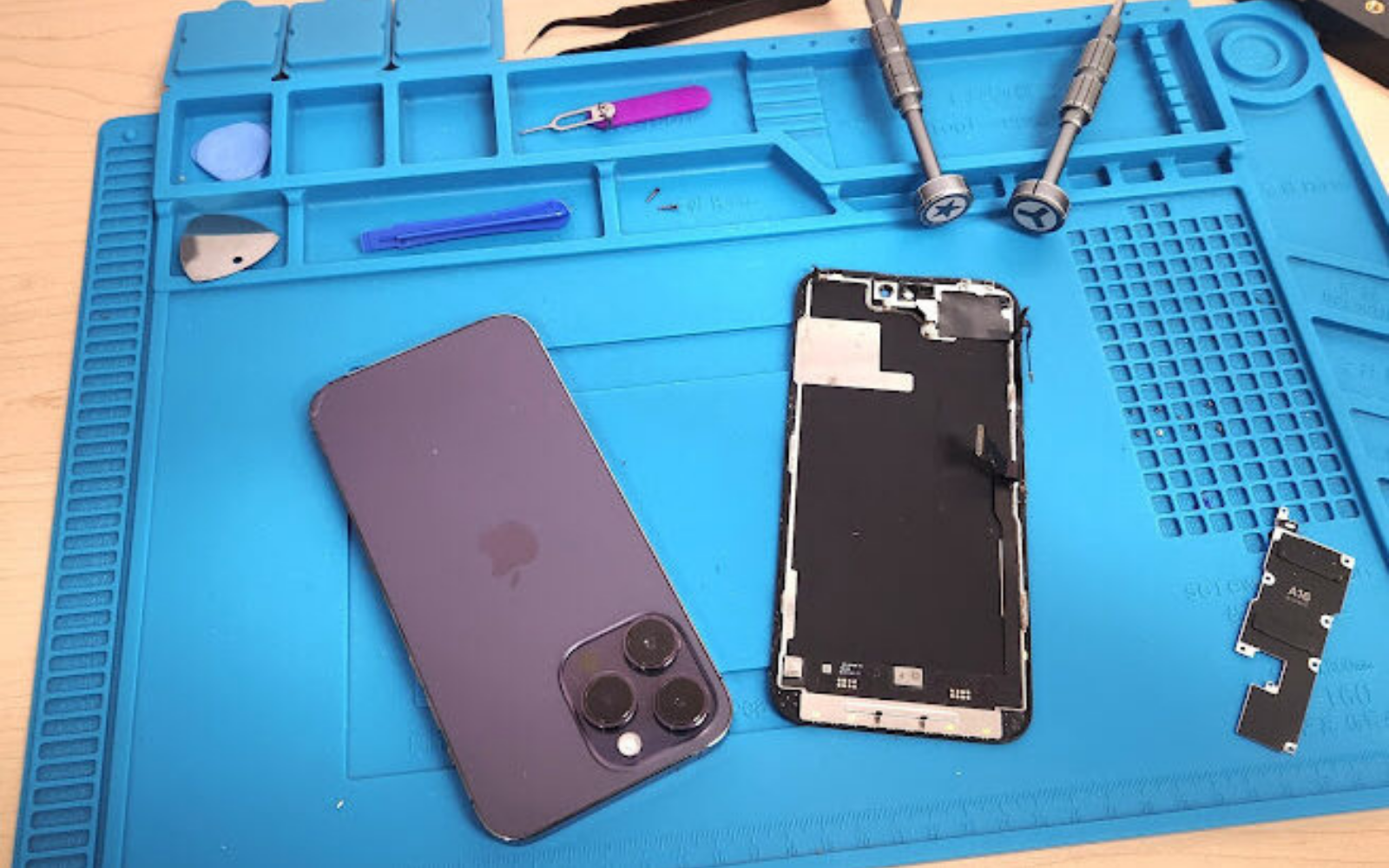
UK repair shops sourcing OCA film wholesale for phone repair in the UK rely on selecting the right adhesive thickness, UV cure settings and laminator pressure to achieve bubble‑free bonds on refurbished displays.
When does OCA refurb beat buying finished soft OLED?
Refurbishing with OCA film is cheaper when shops already own a separator and laminator.
Shops save on per‑unit cost by re‑using glass and only purchasing adhesive film and UV cure cycles.
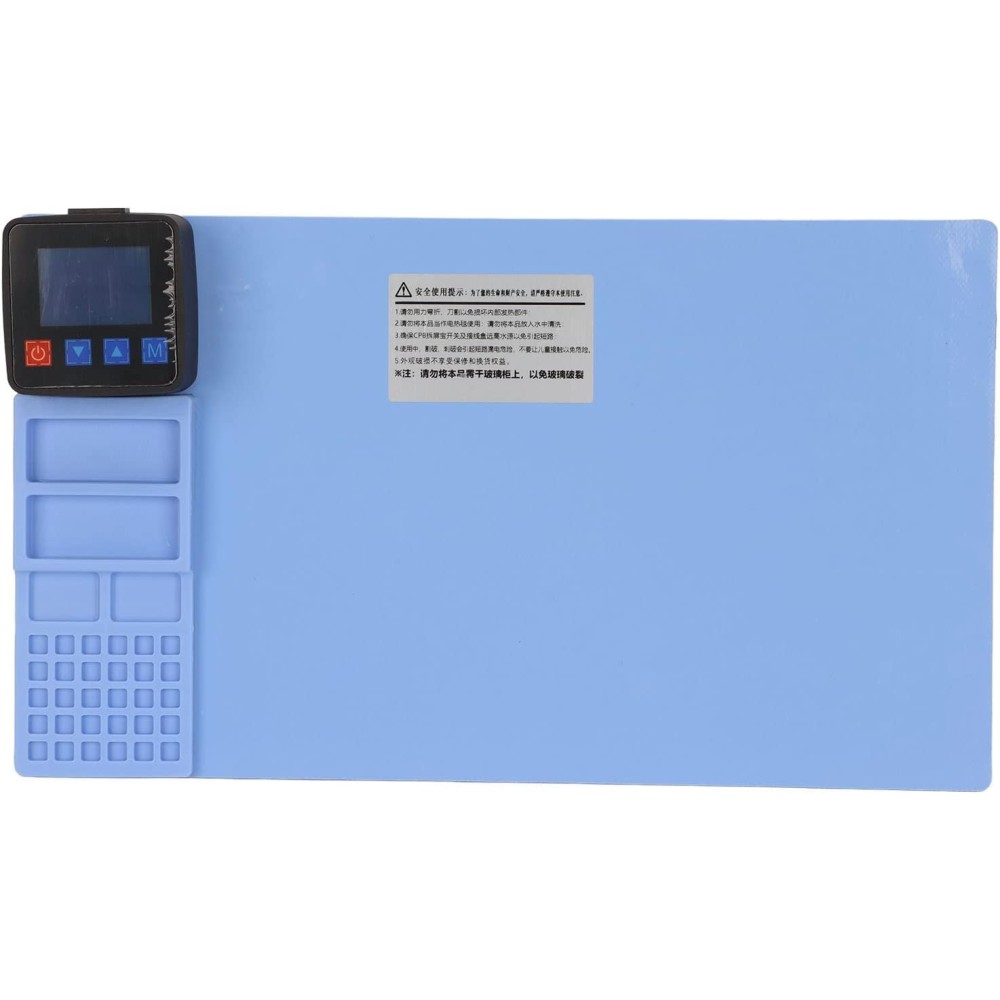
Choosing between a full soft‑OLED replacement and an OCA‑based refurb depends on the shop’s existing equipment, technician skill and the margin target for each repair ticket. A finished soft‑OLED module arrives ready to fit, but the unit price includes the panel, polariser and factory‑applied adhesive. When a shop already runs a screen‑separation station — such as the CPB CP320 workstation heat mat — and a laminator, the incremental cost of a roll of optical clear adhesive film plus a UV cure cycle can be lower than the wholesale price of a finished module. The trade‑off is labour time: separation, cleaning, film lay‑down, cure and QC add significant minutes per device. Shops should calculate their own hourly labour rate, add the current film cost from their supplier, and compare the total against the landed cost of a ready‑to‑fit soft‑OLED. Digi4u’s phone screen separation tools guide outlines the grade differences that affect that decision.
Many UK shops find that the break‑even point arrives once they process a sufficient volume per month on a given model. Below that volume the fixed cost of maintaining a clean‑room‑grade laminator and UV array can outweigh the per‑unit saving. Above it, the margin improvement compounds quickly because the same equipment serves multiple model lines. Tracking each ticket’s labour minutes in a simple spreadsheet helps owners see the crossover in real time.
Which thickness and size sheets do shops actually consume?
Film thickness is not a Digi4u stocked SKU; it is an industry specification that shops agree with their film supplier. Common micron values — such as 175 µm and 250 µm — correspond to the adhesive layer required by the glass‑to‑polariser stack used in current smartphone and tablet models. Shops typically purchase rolls that can be cut to the sheet sizes needed for the devices they service. Confirm current listings with your supplier before placing a bulk order.
| Typical industry thickness | Where shops often use it | Pairing note |
|---|---|---|
| 175 µm | Common phone glass‑to‑polariser stacks | Confirm the value with the film supplier and the laminator/UV setup already on the bench |
| 250 µm | Thicker stacks and some tablet work | Do not assume one roll covers every ticket; check sheet size and cure instructions |
| Other micron values | Laptop displays or unusual stacks | Treat as a separate SKU so leftover rolls are not forced onto the wrong panel |
Shops that also service laptop displays may need a different micron variant for the thinner glass used in recent models. The opening‑tools category lists complementary items such as cleaning wipes and anti‑static brushes that support a clean lay‑down.
When ordering rolls, ask the supplier for the exact micron tolerance and the adhesive’s shear strength at room temperature. A tighter tolerance reduces the risk of uneven bond lines on curved edges, especially on newer models where the glass curvature is more pronounced.
How do UV cure lamps compare with laminator pressure profiles?
UV lamps cure adhesive in seconds; laminators apply uniform pressure for a set dwell time.
Both steps are required: UV initiates cross‑linking, pressure removes trapped air and ensures full contact.
A UV cure unit delivers a dose measured in mJ/cm². Shops should verify the lamp’s irradiance at the working distance and the laminator’s pressure gauge calibration. Confirm the live tools listing for any UV unit before treating it as an OCA curing lamp; a general UV box is not automatically suitable for optical adhesive work. For a reliable cure, pair a calibrated UV source with a laminator that offers repeatable pressure profiles, following the film supplier’s instructions. The phone screen separation tools guide details the separator‑laminator workflow used by many UK shops.
Some shops run a two‑stage cure: a low‑dose pre‑cure to tack the film, followed by the full dose after the laminator cycle. This can reduce micro‑bubble formation on larger panels where the adhesive has more time to flow before final cross‑linking. Always follow the film and equipment supplier’s current cure and pressure notes; a cosmetic nail lamp is not a substitute for a process the film requires.
What QC steps catch bubble, haze and edge‑lift before seal?
Inspect under magnification, use a back‑light table, and run a peel test on a sacrificial corner.
Early detection prevents costly rework and protects warranty claims.
After the UV cure and laminator cycle, the assembled stack should be examined on a calibrated back‑light table. A loupe reveals micro‑bubbles that are invisible to the naked eye. Haze appears as a uniform milky veil and usually indicates insufficient UV dose or contaminated film. Edge‑lift shows as a thin line of separation at the perimeter; a gentle peel test on a sacrificial corner (using a thin stainless‑steel shim) quantifies adhesion strength. Shops that document each QC step with photographs reduce dispute risk with end‑customers. The wholesale phone screens guide includes a QC checklist template that can be adapted for OCA refurb lines.
Adding a quick thermal‑cycle test on a sample batch can expose latent adhesion weaknesses that only appear under temperature stress. Many UK wholesalers now request this data before approving a new film batch for volume orders.
How can shops stock SKUs without dead rolls?
Order film in roll lengths that match weekly throughput and rotate stock by receipt date.
Use a first‑in‑first‑out system and track remaining metres in a simple spreadsheet.
Dead rolls arise when a shop buys a large roll but only consumes a small amount per week, leaving the adhesive to degrade before use. A practical approach is to calculate average weekly consumption per device model, then order a roll length that covers several weeks of production. Label each roll with the receipt date and store in a cool, dark cabinet following the supplier’s storage guidance. Rotate stock so the oldest roll is used first. Digi4u’s opening‑tools category includes storage bins and anti‑static mats that help maintain film integrity. Shops should also confirm the supplier’s shelf‑life specification before committing to a large roll.
Implementing a kanban card on each roll (showing model, length remaining, and expiry) gives technicians a visual cue to reorder before the roll hits a critical threshold. This simple system has cut emergency orders significantly in several mid‑size UK repair chains.
What safety considerations apply to UV exposure and solvents?
Wear UV‑blocking goggles, nitrile gloves and ensure local exhaust ventilation.
Follow HSE guidance on non‑ionising radiation and solvent handling.
UV LED arrays emit intense UV radiation; direct eye exposure can cause photokeratitis. Operators must wear certified UV‑blocking goggles and skin‑covering sleeves. Isopropyl alcohol (IPA) used for cleaning glass releases vapours that require local exhaust ventilation or a fume hood. The Health and Safety Executive provides a concise overview of non‑ionising radiation controls (HSE non‑ionising radiation) and the GOV.UK product‑safety guidance covers solvent storage (GOV.UK product safety). Shops should also consult the BSI standards for personal protective equipment (BSI Group) and the Apple and Samsung support pages for any device‑specific handling notes (Apple Support, Samsung Support).
Where can shops find separator and laminator tool guides?
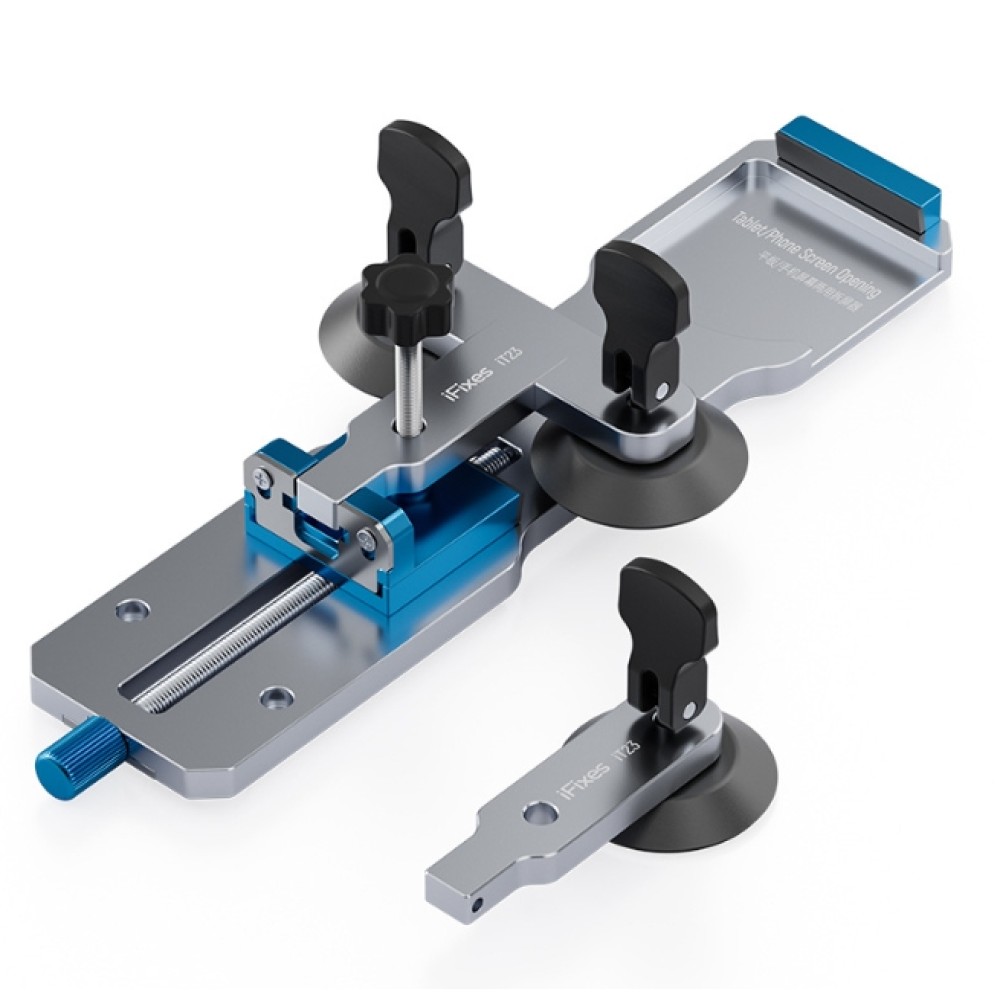
Digi4u’s separation‑tools blog and the opening‑tools category list current separator mats, blades and laminators.
Cross‑reference those guides with your laminator’s pressure spec before purchasing film.
The phone screen separation tools UK guide walks through heater‑mat selection, blade geometry and separator alignment. The opening‑tools hub and the wider tools category show current separator and bench equipment. Finished panels live in the screen hub, and contact details are on the about us page. Shops should verify that their laminator’s pressure range matches the film manufacturer’s recommendation.
How does UK same‑day dispatch work for consumables?
Orders placed before 16:00 Mon‑Fri ship same day via Royal Mail 48 Tracked or DPD.
Weekend or post‑16:00 Friday orders dispatch the next working day.
Digi4u offers same‑day dispatch for consumables such as cleaning wipes, anti‑static brushes and opening tools when the order is placed before 4 PM Monday to Friday. Royal Mail 48 Tracked is free for non‑battery orders over £100; DPD is used for standalone lithium batteries or power banks. The full rate table, including Zone 1 and Zone 2 thresholds, is on the delivery policy page. Shops planning a bulk film order should factor the dispatch cut‑off into their production schedule to avoid line stoppages.
Conclusion
Matching the right OCA film thickness, UV cure dose and laminator pressure to each device stack is the single biggest lever for reducing rework rates in a UK repair shop. By treating film as a consumable that is ordered to match weekly throughput, rotating stock on a first‑in‑first‑out basis, and documenting every QC step, shops turn a variable‑cost process into a predictable line item. The equipment already on the bench — heat mats, separators, disassembly tools — does the heavy lifting; the adhesive and cure cycle simply need to be specified correctly. When the numbers line up, OCA refurbishment delivers a higher margin per ticket than buying finished soft‑OLED modules, especially for high‑volume smartphone series.
Keep the workflow tight: separate, clean, lay film, cure, press, inspect. Each step has a measurable spec (temperature, time, pressure, dose) that can be logged in a shop‑floor MES or even a shared spreadsheet. That data becomes the evidence you need when negotiating film prices with suppliers or when a customer asks for a warranty trace. Digi4u’s live tool catalogue and the separation‑tools guide give you the hardware backbone; your film supplier provides the chemistry. Align the two and the shop runs smoother, faster and more profitably.
View delivery policy for consumables
FAQ
How do I choose the right OCA film thickness for a repair?
Film thickness is an industry option that shops agree with their film supplier; common options include 175 µm and 250 µm. Confirm the exact micron specification with your supplier for the specific device stack.
Can I cure OCA film with a standard UV nail lamp?
Standard nail lamps emit broader spectrum UV and rarely meet the dose required for OCA cross‑linking. Use a calibrated UV LED array rated for adhesive curing, following the film and equipment supplier’s guidance.
How do I prevent edge‑lift after lamination?
Ensure the laminator pressure is uniform across the full panel, maintain the recommended cure dose, and clean the glass edges with IPA before film lay‑down. A peel test on a sacrificial corner validates adhesion.
What is the shelf life of OCA film rolls?
Follow the film supplier’s storage and date‑code guidance and rotate stock using a first‑in‑first‑out system. Do not rely on a generic shelf‑life period; confirm the specific expiry with your supplier.
Does Digi4u sell OCA film rolls or laminators?
Digi4u’s current catalogue does not list OCA film rolls or a dedicated laminator. The site stocks separation heat mats, disassembly tools and consumables; shops should source film and laminators from specialist adhesive suppliers.