


iPhone Haptic Feedback Not Working: Settings, Connection or Engine
Need this part? We stock tested replacement parts with same-day UK dispatch and a 12-month warranty.
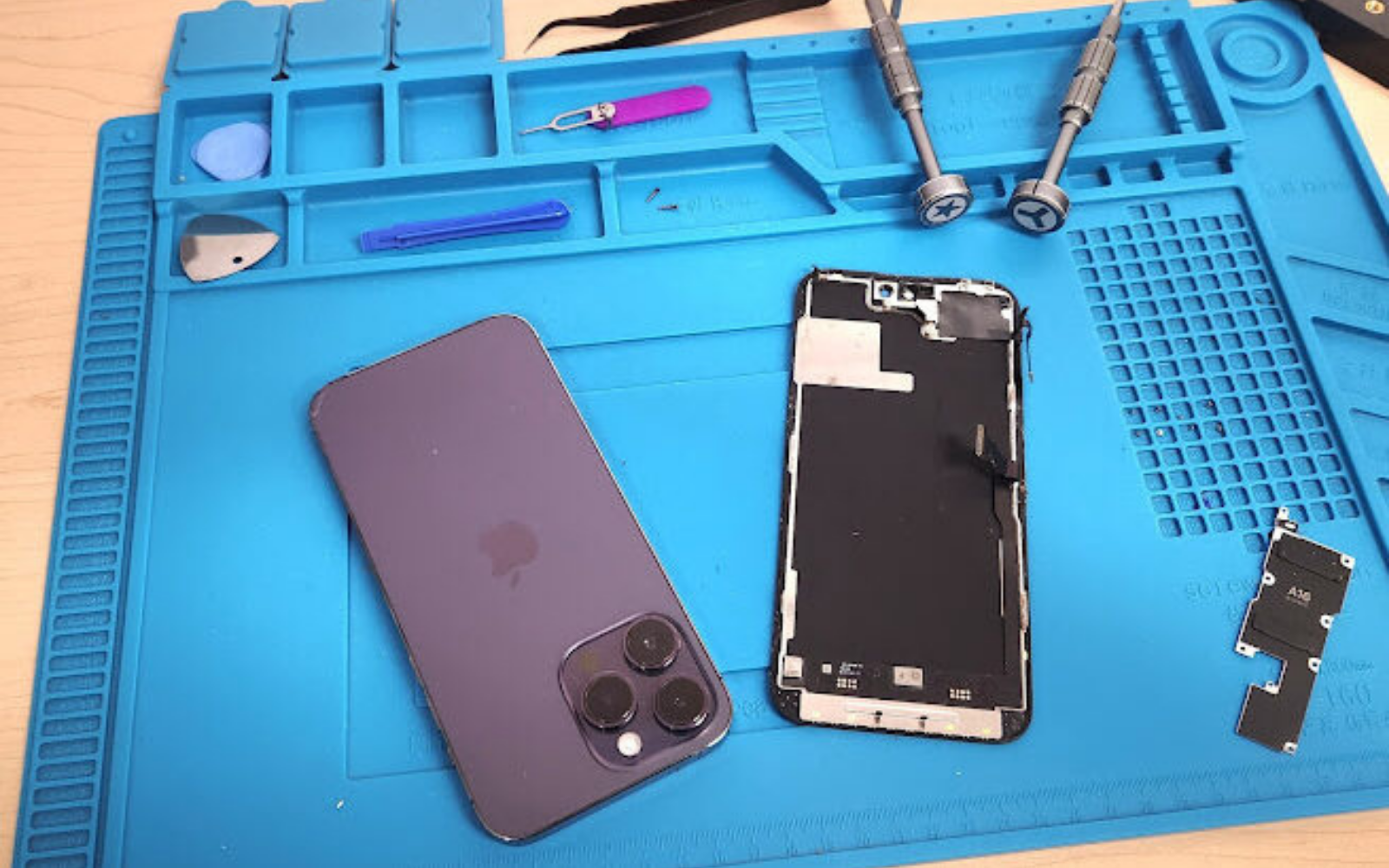
A phone that has stopped vibrating is one of the quieter complaints a shop receives. The customer often does not notice until they miss a call on silent, and by then they have no idea when it started, which makes the intake record the only reliable evidence you will have.
The fault divides cleanly into three causes, and the test that separates them takes two minutes.
Why a vibration fault is easy to misdiagnose
Because settings produce the same symptom as hardware failure.
Vibration can be turned off globally, disabled for a specific app, or affected by focus modes and accessibility settings. All of those produce a phone that does not vibrate, and none of them involve a component. That is the first thing to eliminate, because no part replacement fixes a setting.
Once settings are ruled out, the fault is physical: the Taptic Engine itself, the connection to it, or the assembly the connection routes through. The order in which you test decides whether the job is a settings conversation or a part order.
How do you tell a setting from a hardware fault?
By testing a system vibration that does not depend on the customer’s configuration.
The ring and silent switch, the lock sound and the keyboard feedback are served directly by the system rather than by an app. If any of those produce a vibration, the engine and its connection are working and the fault is in settings or in one specific application. If none of them do, the fault is hardware and the diagnosis continues.
Do this with the device in your hand rather than in the customer’s, and record the result. On a fault this intermittent and this easily confused with configuration, the intake note is what makes the later conversation straightforward.
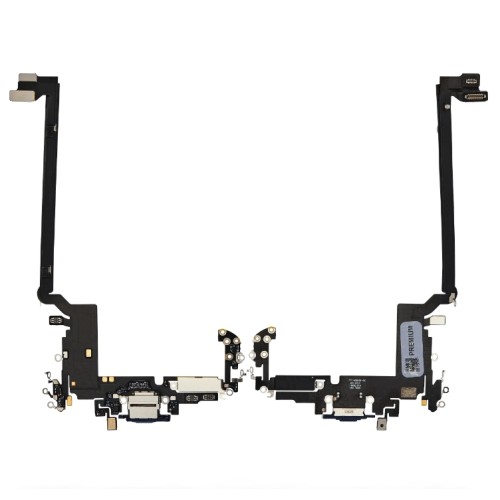
Where does the Taptic Engine sit, and why does that matter?
Low in the chassis, near the charging port and the lower speaker
Its position is the reason vibration faults correlate with particular repairs. Work on the charging port, the lower speaker or the display all involve disturbing the area around it, and its connector is small enough to be left partly seated without anything feeling wrong during reassembly.
That means a vibration fault appearing after a repair is more likely a connection than a failed component. A vibration fault on a device that has not been opened is more likely the engine itself, a liquid exposure, or a fall.
| What you find | Most likely cause | What to do |
|---|---|---|
| Some vibrations work, others do not | Setting or app configuration | Check settings, no parts involved |
| No vibration at all, device not opened before | Taptic Engine failure | Confirm the part for the model |
| No vibration after a repair | Connector not seated | Reopen and reseat before ordering |
| Intermittent vibration | Marginal connection or connector damage | Reseat, then test under load |
| Vibration after liquid exposure | Corrosion at the connector | Treat as a liquid-damage assessment |
How do you test the engine itself?
By eliminating settings and then watching the connector.
With settings ruled out, open the device and inspect the connector and the flex serving the engine. A connector that is seated but a device that still does not vibrate points at the engine. A connector that is loose, corroded or damaged points at the connection, and on a device that has been repaired previously that is the more likely answer.
Test with the device open, before the last screws go in. A vibration that returns at that point was a seating fault, and a vibration that does not is a component fault that has now been confirmed rather than assumed.
Can a Taptic Engine be replaced?
Yes, on most models, and it is a straightforward job once the model is confirmed.
The part is model-specific, so the chassis has to be identified before ordering, in the same way as any other internal component. Once fitted, haptic feedback returns immediately and there is no pairing conversation to have with the customer, which makes this one of the simpler internal repairs to quote.
Where the fault is the connection rather than the engine, no part is needed and the job becomes a reseat. That is why the test order matters: reseating is free, and a part ordered before the test may never have been necessary.
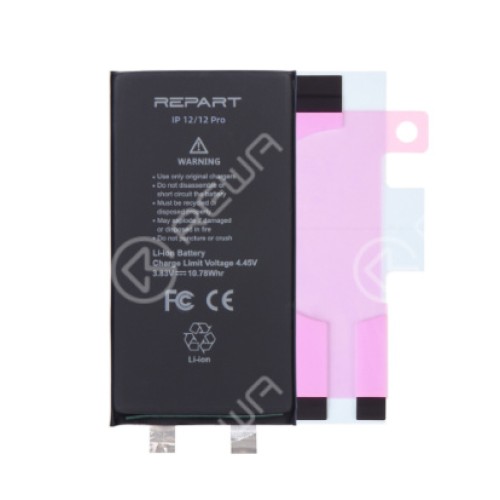
How does water damage change the picture?
It moves the fault from the engine to the connection, and it changes the warranty position.
Corrosion at a small connector is a common outcome of liquid exposure, and the vibration motor is one of the components most likely to be affected because of where it sits. A device with liquid history and a vibration fault should be treated as an assessment rather than a part swap, using the approach in our guide to assessing a liquid-damaged device.
The reason is that the same corrosion is usually affecting more than one connector. Fitting a new engine into a device with corroded surrounding connections produces a repair that works for a week, and the customer reasonably connects the failure to your work.
What should you test after a repair?
Vibration, along with the other functions that reassembly disturbs.
Vibration belongs in the same post-repair pass as the display, the cameras, the radios and the audio functions. It is easily forgotten because it is not visible, and it is exactly the kind of fault a customer discovers a day later and attributes to the repair.
The full test sequence in our guide to reading a restart loop covers the same principle of testing while the device is still open, and the reassembly discipline in our guide to why panels lift from the frame is what prevents the connector faults in the first place.
What should you tell the customer?
What the test showed and what the repair involves.
If the fault is a setting, there is no repair to quote and the customer leaves with a working phone and a good impression. If it is a connector, explain that the repair is a reseat. If it is the engine, quote the part and confirm the model before ordering.
For retail customers in the UK, the statutory rights you must honour sit on top of your own warranty and are set by the Consumer Rights Act 2015. Obligations around the safety of goods you place on the market sit with the Office for Product Safety and Standards, and Apple’s own audio and alert checks are published in what to do when sound or alerts behave unexpectedly.
It is also worth knowing what the device records about its own parts, which Apple documents in iPhone Parts and Service History. Where a replaced part is disposed of, electrical waste is covered by the Waste Electrical and Electronic Equipment Regulations 2013.
What should you record on the job sheet?
Which vibrations worked, and what you found inside.
Record the system vibration test, whether the device had been repaired before, and what the connector looked like. On a fault that a customer may not have noticed for weeks, the intake record is the only way to establish whether the fault predates the repair.
Where the fault turns out to be a setting, note that too. A job sheet showing a diagnostic and no parts line is a normal record, and it is what makes a diagnostic charge defensible when the customer asks what they paid for.
How does a vibration fault interact with other repairs?
It shares an area with the parts most often replaced, which is why the pattern matters.
Charging port work, battery replacement, lower speaker replacement and display replacement all involve the lower chassis where the Taptic Engine sits. A vibration fault that appears after any of those is a connection problem until proved otherwise, and the test is the same in each case: reopen, inspect the connector, reseat, and test with the device still open.
The reverse also applies. A customer bringing in a device for a charging port repair on a handset that has not vibrated for a month is telling you something useful about the device’s history, and recording it prevents the fault being attributed to the new repair. On a device that has had liquid in it, the same connection is the likely culprit for both faults at once, and both should be assessed together.
What makes this worth a line on the job sheet rather than a conversation at the counter is that vibration is invisible. A screen fault is obvious to the customer the moment the device comes back; a vibration fault may go unnoticed for weeks, and by then nobody can establish when it started. The note is the only evidence, and it takes seconds to write.
Where the fault is genuinely the engine and the model is confirmed, the repair is short and predictable, and haptic feedback returns with no pairing conversation to manage. That makes it one of the easier internal parts to quote once the diagnosis is settled, and one of the few internal repairs where the customer can verify the result themselves the moment they take the phone back. Ask them to feel it before they leave.
What is the one habit that prevents a vibration callback?
Test vibration while the device is still open, every time you disturb the lower chassis.
It takes seconds, it is invisible to the customer, and it is the one function most likely to be affected by work in that area without anyone noticing until much later. A shop that checks it as a matter of routine never has the conversation about when the fault started, because the record already answers it.
FAQ
Why is my iPhone not vibrating even though it is turned on?
The most common causes are a Taptic Engine that has failed, a disturbed connection to it, or a vibration setting that has been turned off. Test a system vibration such as the ring or silent switch first, because if that works the hardware is fine and the fault is in settings or in a specific app.
Where is the Taptic Engine on an iPhone?
It sits low in the chassis, close to the charging port assembly on most models, which is why vibration faults often appear after port work or after a repair that disturbed that area. Its connector is small and easy to leave partly seated when a device is reassembled.
Can a Taptic Engine be replaced?
Yes, on most models it is a serviceable component and a replacement restores haptic feedback. The part is model-specific, so confirm the chassis before ordering. Where the fault is a loose connector rather than a failed engine, reseating it resolves the problem without a part.
Does a screen replacement affect vibration?
It can, because the cable routing and the reassembly pressure around the lower chassis affect the connection to the Taptic Engine. Vibration should be tested as part of the post-repair check, along with the other functions that are easily disturbed during reassembly.
Vibration faults divide into three answers and only one of them needs a part. Test a system vibration first, reopen the device and reseat before ordering, and treat liquid history as a separate case. Two minutes of testing is what stops a settings problem being quoted as an engine replacement.
Stocking internal parts? Digi4u supplies Taptic Engines, charging port assemblies, batteries and small parts for iPhone models to UK repair shops, with trade pricing, same-day dispatch and up to 12 months warranty. Send us the model and we will confirm stock.