


iPhone Back Glass Replacement: Methods, Part Matching and What to Check
Need this part? We stock tested replacement parts with same-day UK dispatch and a 12-month warranty.
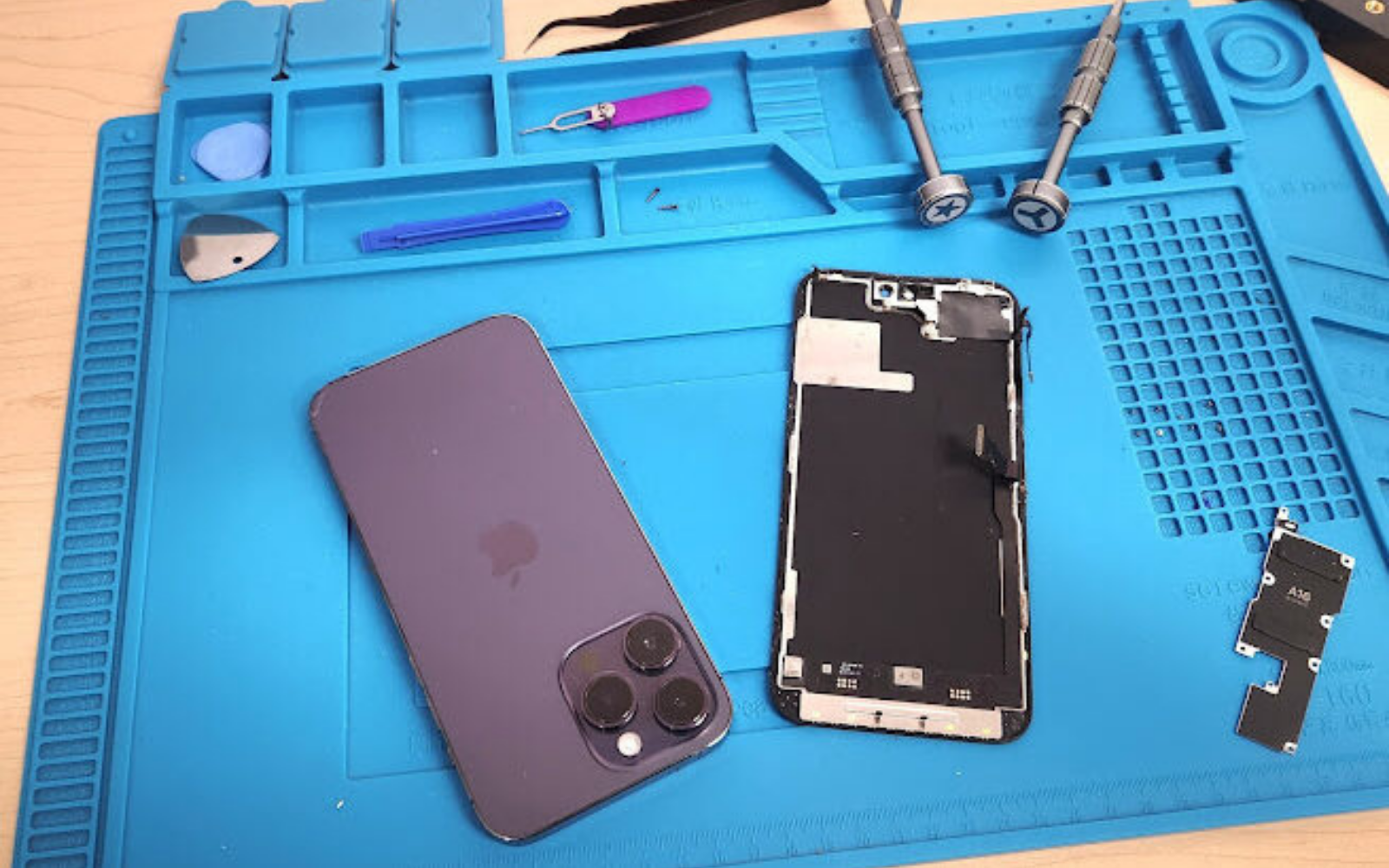
Back glass sits in an awkward place in repair pricing. The part is inexpensive and the job is not, because the glass is bonded to the frame across its whole surface, and everything that matters sits underneath it.
For a shop the decision is not whether it can be replaced but whether the method, the model and the customer’s expectations line up. Getting that wrong turns a profitable job into a callback.
Why back glass is a different repair from any other panel
Because it is structural as well as cosmetic.
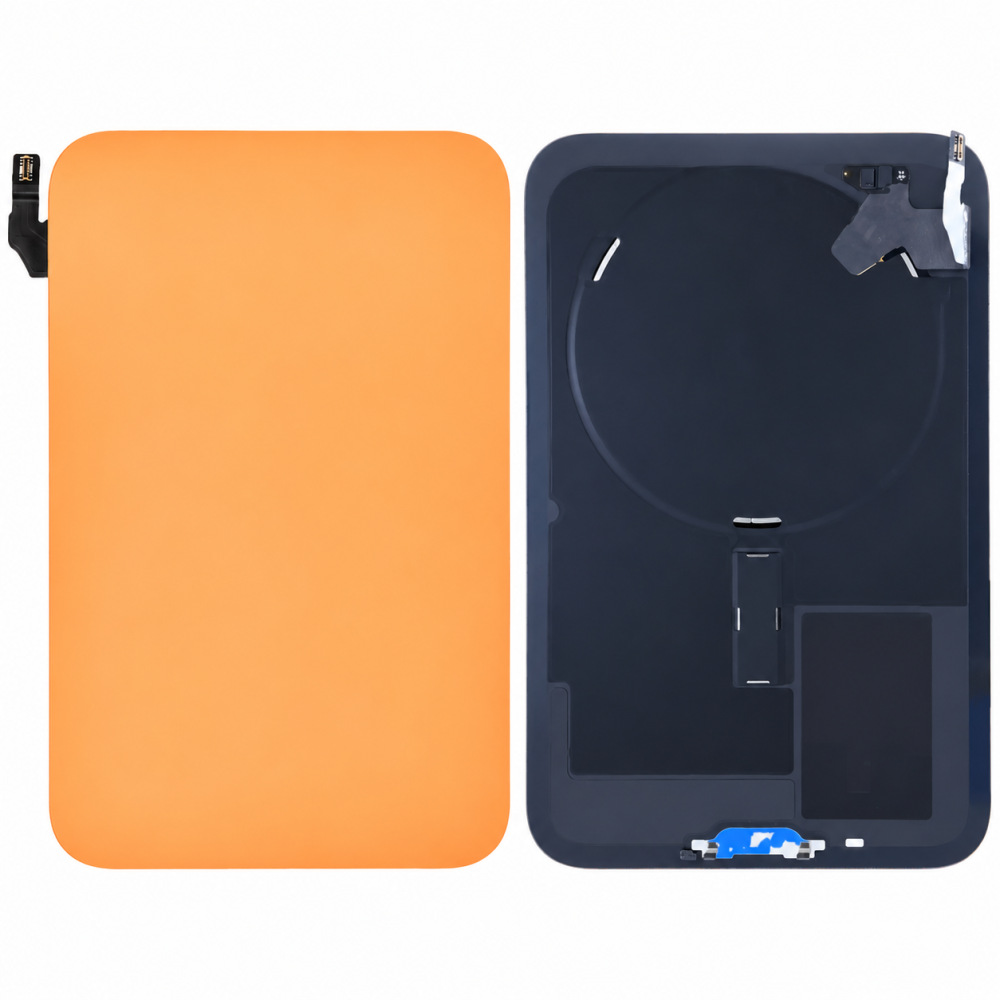
The front display fits into a frame and is held by adhesive around a narrow perimeter. The back glass is bonded across its entire surface, and beneath it sit the charging coil, the antennas, the camera assembly and the frame itself. Removing it means working directly above components that were not designed to be shielded from the process.
That is why the removal method matters, and why the quality of the re-bond matters even more. A back glass that sits a fraction proud, or that was bonded with adhesive that did not spread evenly, affects wireless charging and gives the repair away at a glance.
How do you replace iPhone back glass?
Separate the panel, clear the frame, then bond the replacement evenly.
Every method follows the same three stages. The panel is separated from the frame, the frame is cleaned back to a flat surface, and the replacement glass is bonded down with even coverage across the whole area. The method changes how the first stage is done, and it changes the risk to the components underneath.
The re-bond is where most poor results come from. A panel that is not fully seated, or adhesive that leaves a high spot, produces an uneven seam that is visible in raking light and can interfere with the charging coil directly beneath it.
Which method should you use for which model?
Heat and blade on older models, laser on the current generation.
Heat and blade separation works on the generations where the adhesive is accessible and the glass can be worked free in sections. It costs less in equipment and more in time and skill, and it carries a higher risk of marking the frame on a job done quickly. Laser separation removes the glass without a blade passing close to the frame, which makes it the practical choice on current models where the finish shows every mark.
Neither method is universally better. The sensible rule is to choose by model and by finish, and to be honest about which one your shop can do well rather than offering the cheaper method on a device that punishes it.
| Method | Best suited to | Main risk |
|---|---|---|
| Heat and blade | Older models, cost-sensitive jobs | Marking or bending the frame |
| Laser separation | Current models, painted and matte finishes | Equipment cost, and heat management around the coil |
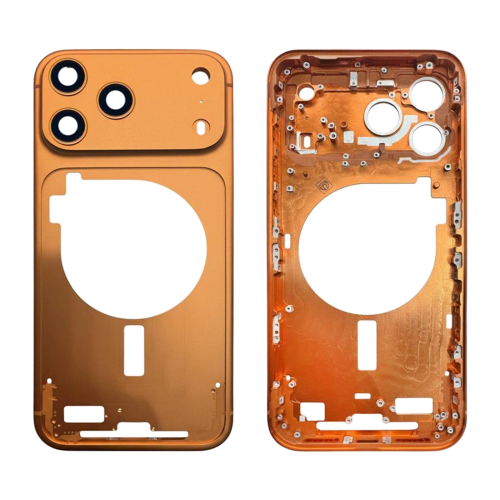
| Complete housing swap | Bent frames or damage around the camera area | Full internal transfer, and a new physical IMEI marking |
Why does the housing number matter when you order?
Because back glass is matched to the frame, not to the model name.
Back panels are cut for the camera layout, the flash position and the finish of a specific generation, and the colour has to match the frame it is bonded to. Ordering against a marketing name rather than the exact model produces a panel that is the right size and the wrong everything else, and by then the customer’s phone is already open.
Where the shop is fitting a complete housing rather than a panel, the same advice applies as for trade-in inspection: a new housing carries its own markings, and the device will no longer match the number it left the factory with. That is worth explaining to the customer before the job rather than after it, and the checks in our guide to what a housing swap does to a device’s identity cover what it means for resale value.
What does the customer see after each method?
Either a repair that looks original or one that announces itself.
A correctly bonded replacement panel is difficult to identify by eye, and that is the standard to work to. A panel that sits proud at one edge, adhesive that has squeezed out, or a colour that is slightly off against the frame all read as a repaired phone to anyone who looks closely, including a buyer if the device is later traded in.
It is worth showing the customer the finished seam before they leave. Shops that do this find two things: fewer disputes, because the customer has seen the result, and a useful quality check on their own work, because a proud edge is easier to spot when someone else is looking at it.
What should you check before you accept the job?
The frame, the camera area and the wireless charging coil.
Check whether the frame is straight, because a bent frame makes a panel-only repair pointless and changes the job into a housing swap. Inspect the camera area for damage, since impact damage that cracked the glass usually reaches the camera module or its ring. And confirm wireless charging works before you start, so that a fault present on arrival is not attributed to your work afterwards.
Those three checks take a minute and they determine which of the three jobs you are actually quoting. Skipping them is how a panel replacement quote becomes a housing swap at the same price.
How do you protect the internals during removal?
By controlling heat and by never working through the panel into the components.
Heat is the tool and the risk at the same time: enough to release the adhesive, not so much that it softens what is underneath. The coil, the battery and the display are all within range of a panel being heated, and the display in particular is sensitive to heat applied from the back.
Laser methods manage this differently by removing glass without a blade passing over the frame, but the heat still has to be managed around the coil. Whichever method you use, the discipline is the same: keep the tool within the bond line and stop when the panel releases rather than when it looks loose.
What should you record and what should you tell the customer?
The model, the method, the frame condition and the wireless charging test.
Record the exact model, the method used, the condition of the frame and the camera area on arrival, and the result of a wireless charging test before and after. Where a complete housing was fitted, note that on the invoice, because it changes the device’s identifying numbers.
For retail customers in the UK, the statutory rights you must honour sit on top of your own warranty and are set by the Consumer Rights Act 2015, while obligations around the safety of goods you place on the market sit with the Office for Product Safety and Standards. Apple’s own service route and pricing for this repair are set out in Apple Service and Repair for iPhone, and what the device reports about a replacement is documented in iPhone Parts and Service History.
Where the repair is a panel-only job, the bond quality is the same variable that decides whether a replacement display lifts, which our article on why replacement screens lift covers in more detail. The same side-angle check applies to a back panel before it is bonded down.
What about the colour match?
Order by the finish, not by the colour name.
Colour names are reused across generations, and the same name can refer to a noticeably different finish on two different chassis. A panel that carries the right colour name but belongs to the wrong generation will look close in a photograph and wrong on the bench, particularly on painted and matte finishes where the texture is as visible as the shade.
The practical approach is to order against the model number and the finish together, and to compare the replacement panel against the customer’s frame under raking light before anything is bonded down. On titanium and matte finishes that comparison takes seconds and catches the mismatch while it is still returnable.
Where the customer’s frame is itself marked or faded, show them the comparison rather than deciding for them. A new panel against an aged frame will always differ slightly, and a customer who has seen that with their own eyes accepts it as the nature of the repair rather than as a fault in it.
What the device reports about the work is worth knowing too, since a customer may look it up afterwards. Apple documents the history feature in iPhone Parts and Service History and sets out what it considers a genuine display in About genuine iPhone displays.
How does back glass work fit into your week?
As a scheduled job, not a walk-in.
Back glass replacement is one of the few repairs where the bench time is genuinely elastic. Heat and blade work needs the area clear and the technician’s attention for the whole removal, and laser work needs the machine free and the operator watching it. Neither is a job to start in the last hour of a Saturday.
Shops that handle back glass well book it, and they tell the customer at intake that the device will be with them for a defined period rather than promising same-day. That is a better experience than a rushed job with a marked frame, and it makes the workshop schedule predictable, which matters more than most shops expect once back glass becomes a regular line rather than an occasional favour.
FAQ
Can you replace the glass back of an iPhone?
Yes. The back glass is a separate panel bonded to the frame, so it can be removed and replaced without changing the whole chassis. The method depends on the model: some are separated with heat and a blade, others with a laser. The result depends more on the bonding job at the end than on the removal method.
Is it worth replacing back glass on an iPhone?
It is usually worth it when the frame and the internals are undamaged and the customer plans to keep the phone, because the alternative is a new device or a full housing swap. It is worth less when the frame is bent or the rear camera area is affected, because those change the job from a panel replacement into something closer to a rebuild.
How much does it cost to replace the back glass on an iPhone?
Cost depends on the model, the method and whether the frame is damaged, so a single figure is misleading. The variables that move the price are the time the removal method takes, whether a laser is used, and whether the housing has to be replaced as well. Quote from the assessment rather than from the model name.
Does replacing back glass affect wireless charging?
The glass covers the charging coil, so a replacement has to sit flat and be bonded evenly for wireless charging to work at full efficiency. Panels that sit proud, or adhesive that is uneven, can reduce performance or cause the phone to overheat on a charging pad. Test wireless charging before the device leaves the shop.
Back glass is a straightforward part and a demanding job, and the difference between the two is preparation. Check the frame, the camera area and the coil before you quote, choose the removal method the model deserves, bond evenly, and test wireless charging before the customer arrives. That sequence is what makes a back glass repair look like it was never done.
Fitting back glass and housings regularly? Digi4u supplies back glass panels, housing frames and mid-frames for iPhone models to UK repair shops, with trade pricing, same-day dispatch and up to 12 months warranty. Send us the model and colour and we will confirm stock.