


iPhone Vibration Motor and Taptic Engine Flex Parts UK: Shop Stock After Mute and Housing Jobs
Need this part? We stock tested replacement parts with same-day UK dispatch and a 12-month warranty.
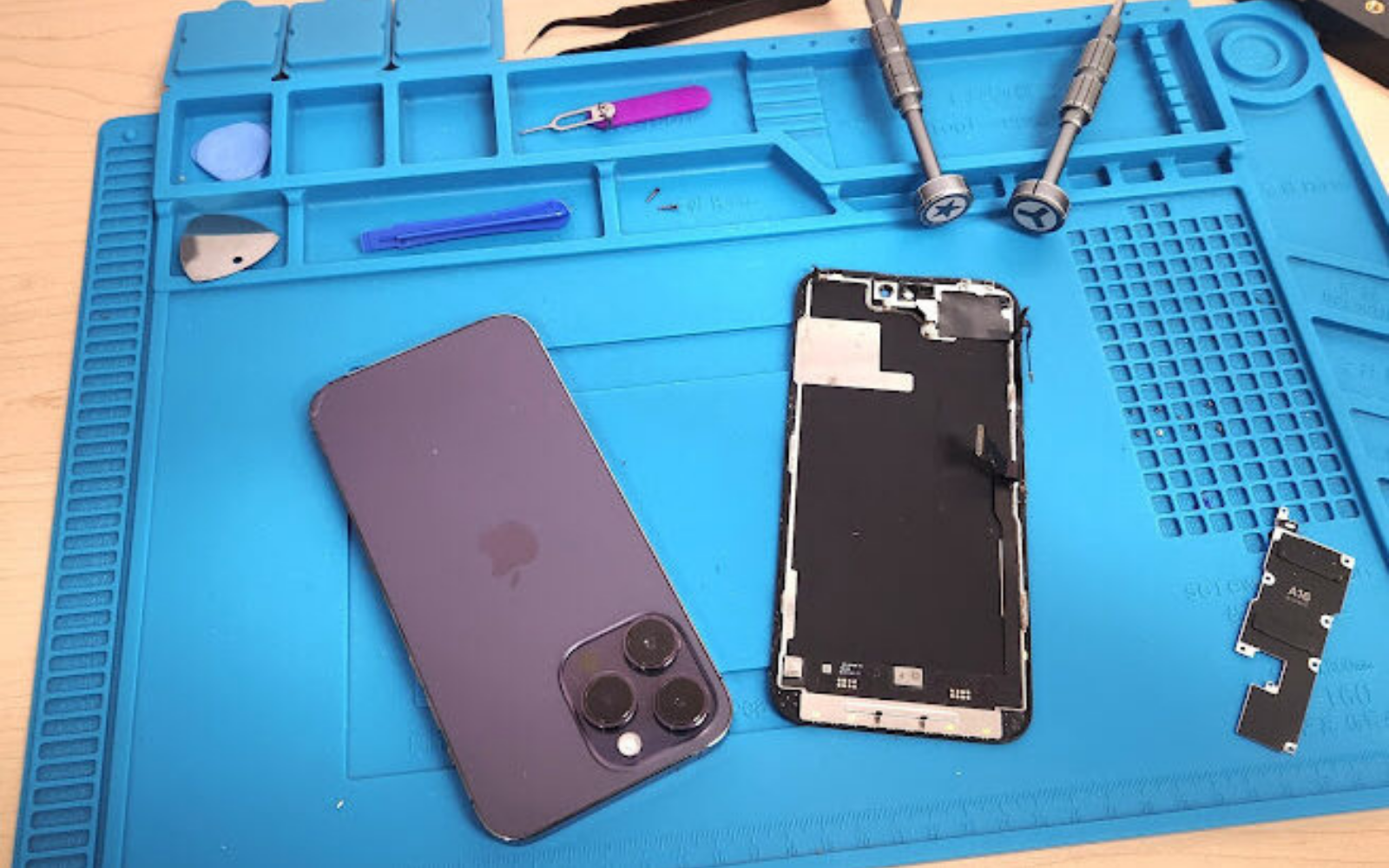
When a mute‑switch or housing replacement lands on the bench, the iPhone vibration motor taptic flex parts uk must be verified before the device leaves the shop. A missed haptic check can mean a return visit, lost time, and a dissatisfied customer.
When should a mute or housing job include a haptic check?
Always test haptics after any mute‑switch or housing work.
A mute‑switch or housing replacement can disturb the Taptic flex; verify haptic feedback before the device leaves the bench.
Removing the back glass or the mid‑frame often requires disconnecting the Taptic Engine flex that runs alongside the side‑button assembly. Even a slight mis‑alignment or a tiny tear in the flex ribbon will silence vibration while the handset otherwise appears functional. Technicians should run a quick haptic test — incoming call, silent‑mode toggle, keyboard tap — before reassembly. If the shop also stocks back‑glass housing kits or frame replacement parts, the same check applies. A consistent routine prevents callbacks and protects the shop’s reputation for thoroughness.
Fit traps when refitting the Taptic flex
The flex sits in a shallow channel that is easily pinched by the mid‑frame screws. Before you torque the housing, run a fingertip along the ribbon to feel for any kink. A bent connector pin will not show up on a visual inspection but will kill the haptic driver. Use a plastic spudger to guide the flex into its groove, then press the connector home with a light, even pressure — no rocking. After the housing is seated, flex the phone gently side‑to‑side; a correctly routed ribbon will not creak. If you hear a faint click, the flex has likely caught on a screw boss and must be re‑routed.
Why are generation and Pro versus Plus motors not interchangeable?
Each iPhone generation uses a distinct motor flex geometry and connector.
Pro and Plus models differ in flex length, mounting points, and driver circuitry; swapping them causes fit or function issues.
Apple changes the Taptic Engine layout with every major redesign. The iPhone 12 Pro flex sits in a different cavity to the 12 Pro Max, and the 12 mini uses a shorter ribbon altogether. The 13‑series motors are not listed with standard URLs; shops must confirm current availability on the vibration‑motor hub before quoting. The 16‑series (16, 16 Plus, 16 Pro, 16 Pro Max, 16 E) each have dedicated listings. A Pro flex will not seat in a Plus chassis, and the driver IC expects a specific inductance value. Using the wrong part can damage the logic board’s haptic driver. Always match the exact model designation on the live listing.
| Model | Motor Type | Listing Status |
|---|---|---|
| iPhone 12 Pro | Taptic Engine flex | Live |
| iPhone 12 Pro Max | Taptic Engine flex | Live |
| iPhone 12 mini | Vibration motor flex | Live |
| iPhone 13 / 13 Pro / 13 Pro Max / 13 mini | Vibration motor flex | Check hub for availability |
| iPhone 16 | Vibration motor flex | Live |
| iPhone 16 Plus | Vibration motor flex | Live |
| iPhone 16 Pro | Taptic Engine flex | Live |
| iPhone 16 Pro Max | Taptic Engine flex | Live |
| iPhone 16 E | Vibration motor flex | Live |
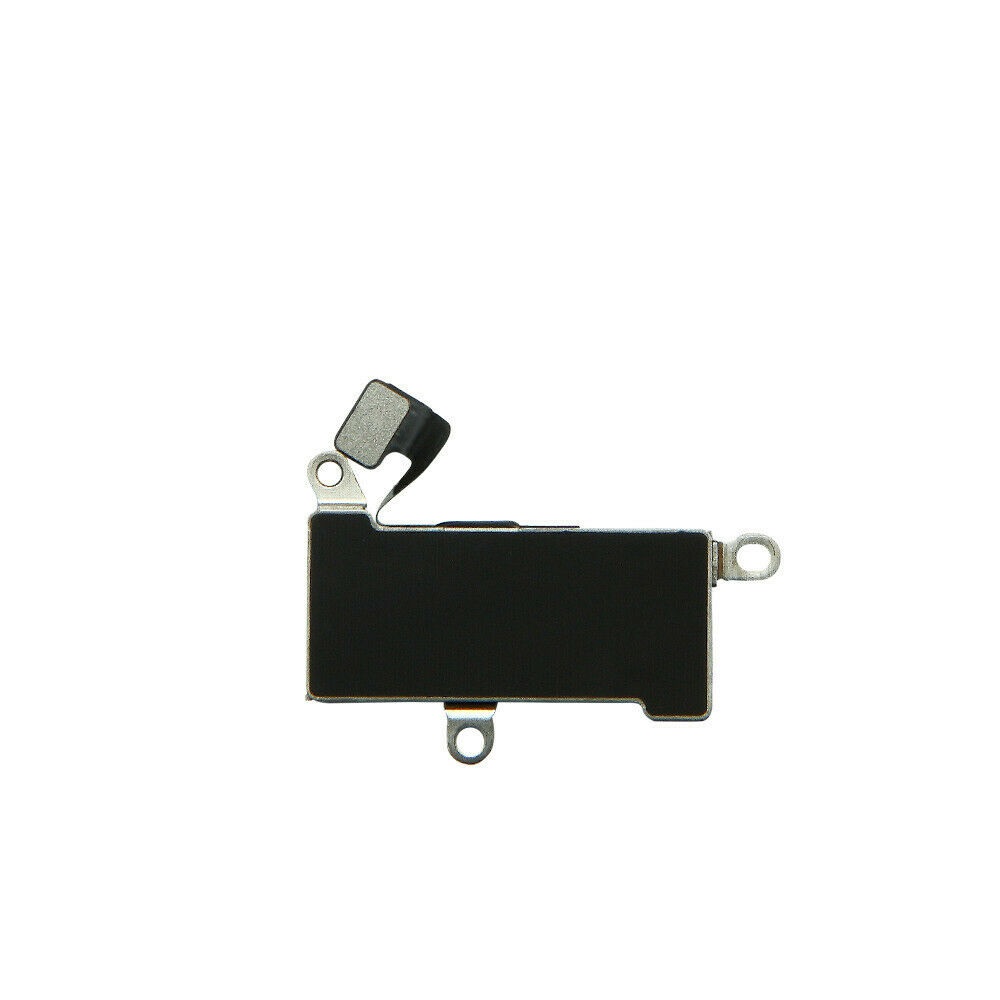
Which symptoms point to a motor flex rather than a software or board fault?
Loss of vibration with intact software settings suggests a flex fault.
If rings, silent‑mode taps, and keyboard haptics all fail while the OS reports no errors, the flex is the likely cause.
Begin by confirming that “Vibrate on Ring” and “Vibrate on Silent” are enabled in Settings. Next, trigger a call and observe whether the Taptic Engine produces any sensation. If the handset is silent across all haptic events but the display, audio, and connectivity work normally, the fault is almost certainly mechanical. A board‑level issue would typically show additional symptoms such as random reboots or missing sensor data. The haptic‑feedback diagnosis guide walks through software resets and driver checks; use it to rule out OS glitches before ordering a replacement flex.
What should you confirm on the live listing before you order?
Match the exact model, generation, and Pro/Plus designation on the product page.
Check the listing title, compatibility table, and image to ensure the flex matches the handset you are repairing.
Each product page on Digi4u lists the compatible iPhone models in a clear table. Verify that the part number in the title (for example, “Replacement Original Vibration Motor Flex For iPhone 16 Plus”) matches the device on your bench. The product images show the connector orientation and mounting holes; compare these with the flex you removed. If the shop services both the iPhone 12 Pro Taptic unit and the iPhone 16 Plus motor, keep the two listings bookmarked separately. Pricing, dispatch times, and any bundle offers are shown on the live page — always use those current details rather than historic quotes.
Which bench tests confirm the new motor works after fitting?
Run haptic feedback in calls, silent mode, and keyboard taps.
Trigger an incoming call, toggle silent switch, and type on the keyboard; each should produce a distinct vibration if the flex is seated correctly.
After the replacement flex is secured, power on the handset and place a test call from a second phone. Feel for the characteristic Taptic click on answer and end. Switch the side mute toggle; the handset should emit a short vibration confirming silent mode. Open Notes or Messages and type a few characters – keyboard haptics should fire on each key press. If any of these three events fail, reseat the flex and inspect the connector for bent pins. Do not assume a software calibration menu exists; follow the on‑screen options presented by the current iOS version and consult Apple Support for the latest test procedures.
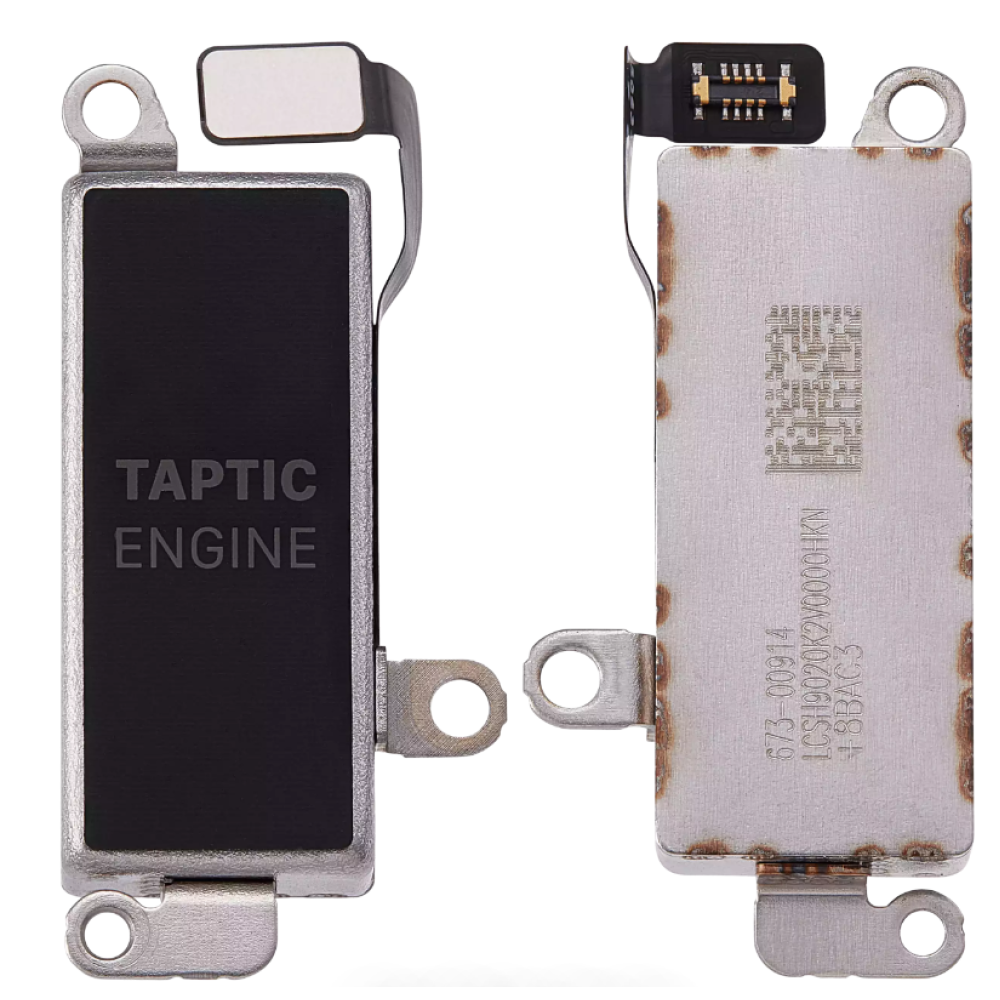
QC checklist before the device leaves the bench
Build a three‑point sign‑off that every technician stamps before the phone is bagged. First, visual: flex seated, no creases, connector fully home. Second, functional: the three haptic events (call, silent toggle, keyboard) all fire. Third, cosmetic: no adhesive squeeze‑out around the housing, no loose screws. Record the result on the job ticket; a missing tick is a red flag for the next audit. This simple sheet cuts comeback rates by making the final check visible to the whole team.
Stocking mixed generations: a practical matrix
Keep at least one flex for each live generation you service regularly.
Prioritise iPhone 12 Pro, 12 Pro Max, 12 mini, and the 16‑series units; use the vibration‑motor hub to verify 13‑series availability.
Inventory space is limited, so focus on the models that appear most often in your repair log. The 12‑series and 16‑series are currently the highest‑volume live listings. For the 13-series, confirm current availability on the live vibration-motor hub before quoting the job. A simple spreadsheet with columns for model, part URL, last order date, and minimum stock level helps the purchasing team reorder before a job stalls. Remember that Digi4u’s delivery policy offers same‑day dispatch for orders placed before 4 PM Monday‑Friday, so a morning top‑up can arrive the same day. Check the live delivery policy for current free-shipping thresholds on Royal Mail 48 and DPD standard services when planning batch orders.
Comeback patterns and how to avoid them
The most common return is “vibration works on call but not on keyboard”. That usually means the flex is seated but the connector’s second row of pins (keyboard haptics) is not fully engaged. A second frequent pattern is “intermittent vibration after a week” — caused by a microscopic tear that only opens under thermal cycling. The fix is to replace the flex at the first sign of any inconsistency, not to re‑seat and hope. Document each comeback in the job system; after three of the same model you have a data point to adjust your minimum stock level upward.
Ordering workflow with Digi4u
When a job is booked, the technician checks the live listing, copies the product URL into the shop’s order sheet, and the purchaser places the order before 4:00 PM Monday to Friday when same-day dispatch is needed, for items actually ordered from the live catalogue. Confirm current 13-series availability on the live vibration-motor hub rather than inventing a pretty URL or a stock-check email process. Keep the order confirmation attached to the ticket so the part matches the device. Check the live delivery policy for current free-shipping thresholds rather than freezing a single basket figure.
How does this guide differ from a haptic “not working” diagnosis article?
This guide focuses on part selection and stocking; the diagnosis article covers troubleshooting steps.
The diagnosis post walks through software checks and board‑level tests, while this page helps you pick the correct flex and plan inventory.
The haptic‑feedback diagnosis article is intended for technicians who need to isolate whether a fault is software, driver IC, or flex. It details reset procedures, DFU‑mode checks, and logic‑board inspection. This article, by contrast, assumes the fault has been identified as a flex issue and provides the commercial information needed to source the right replacement, understand generation differences, and maintain a practical stock level. Both resources complement each other; keep them bookmarked for the full repair workflow.
In summary, a disciplined haptic check after every mute‑switch or housing job, paired with accurate part identification and a lean but focused stock list, keeps turnaround times short and callbacks rare. Use the live listings on Digi4u to confirm compatibility, and rely on the bench‑test routine to validate each repair before the handset returns to the customer.
Browse the current vibration‑motor range on Digi4u
FAQ
Do I need to replace the Taptic Engine flex every time I change a mute switch?
Not always. If the original motor flex is undamaged and still produces a clear haptic response after the mute-switch or housing work, it can stay. The cable is easy to crease or tear when a housing is opened, so inspect it and run practical tests — keyboard taps, silent versus ring vibration, and an incoming-call check — before you close the handset. If the flex is damaged, fit the live model-correct listing, such as the iPhone 12 Pro or 16 Plus examples in this guide, rather than reusing a pinched cable.
Can an iPhone 12 Pro Taptic flex be used in an iPhone 12 Pro Max?
No. The live iPhone 12 Pro vibration-motor flex is not a substitute for a 12 Pro Max, and later Plus or Pro cables, such as the live iPhone 16 Plus listing, are also separate SKUs. Match the exact generation and the Pro, Plus or base wording on the vibration-motor hub before ordering. A motor that does not seat correctly can damage the connector or leave the haptic weak. After the refit, repeat the same bench tests and do not assume one 12-series motor covers the family.
Where can I check if a 13‑series vibration motor is in stock?
Confirm current 13-series availability on the live vibration-motor hub, rather than inventing a pretty product URL or relying on an old ticket. Some generations are listed with clear permalinks, including the 12 Pro and 16 Plus examples in this guide, while others must be checked on the hub on the day you quote. Do not promise a 13-series motor until you have opened the current listing. Same-day dispatch applies only to items actually ordered from the live catalogue.
What delivery options apply to orders containing a vibration motor flex with a battery?
A vibration-motor flex on its own is not a standalone lithium cell. If the same basket also contains a loose replacement battery or a power bank, the whole order ships by DPD under Digi4u’s Cardiff-to-shop policy. A device with a fitted internal battery is treated differently on that policy. Prefer the live delivery policy for current rates and cut-offs, and do not apply those Cardiff-to-shop rules as if they were the shop’s own outbound customer shipment.
Does fitting a new motor restore the official water‑resistance rating?
No. Opening the handset means a factory water-resistance rating should not be assumed afterwards. A new Taptic or vibration-motor flex does not, by itself, restore or certify an official rating, and an informal leak check on the bench is not a factory test. Tell the customer honestly, follow the adhesive or seal materials you actually use, and do not invent an IP rating or a pressure-test result. Record that advice on the ticket so a later moisture complaint is not a surprise.