


Lithium Battery Shipping Labels for UK Repair Shops: DPD Packing Checklist
Need this part? We stock tested replacement parts with same-day UK dispatch and a 12-month warranty.
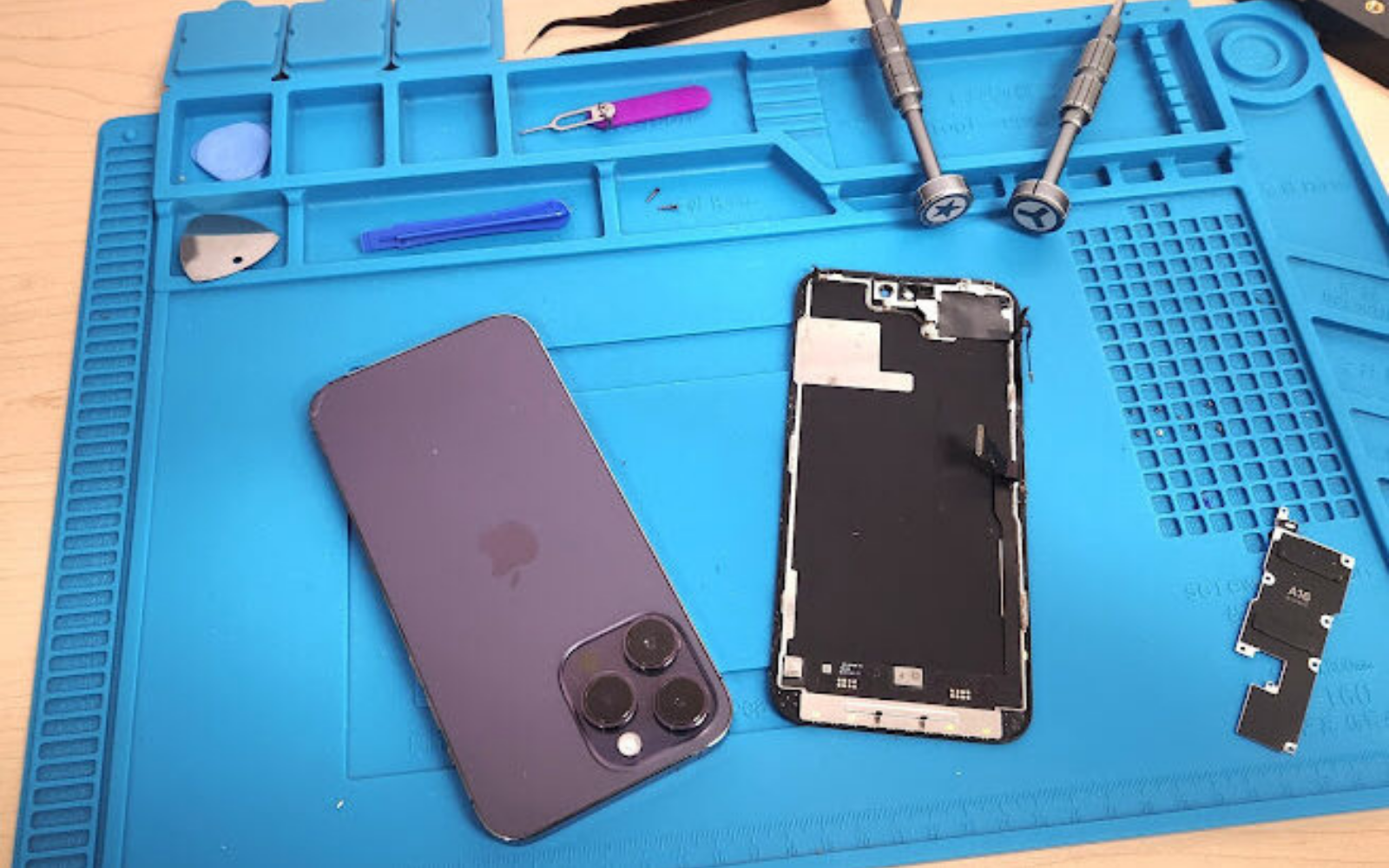
UK repair shops that send or receive standalone lithium cells must follow a strict DPD packing checklist; Royal Mail does not carry standalone lithium batteries or power banks, so every parcel needs the correct handling mark, terminal protection and a low state of charge before it leaves the bench.
Why standalone cells cannot go Royal Mail
Royal Mail does not carry standalone lithium batteries or power banks; they are shipped via DPD only. Digi4u’s own delivery policy confirms that any order containing a loose cell or power bank is dispatched exclusively through DPD. Shops should also read the courier’s current public guidance before each dispatch. The DPD UK prohibited‑goods page notes that non‑excepted batteries are accepted only when the shipper follows the carrier’s packaging instructions, with detailed requirements available on request. The UK government’s overview of moving dangerous goods (GOV.UK) and the Health and Safety Executive’s carriage of dangerous goods guidance (HSE) both list lithium cells as items requiring specialist courier handling.
Label and mark checklist before the DPD bag
Check the carrier’s current lithium‑battery guidance, attach the required handling mark, and ensure any label shows the correct hazard class.
Before sealing any parcel that contains a loose cell, the packing bench should run through a short checklist: (1) confirm the outer box is rigid and marked with the lithium‑battery handling label specified by the carrier; (2) verify that the label includes the proper hazard class reference (shops should consult the carrier’s current guidance rather than rely on a printed code); (3) ensure the label is affixed on a flat surface, not obscured by tape or other markings; (4) attach a DPD consignment note that clearly states “Contains lithium ion batteries – handle with care”. DPD’s prohibited‑goods page (DPD) notes that non‑excepted batteries are accepted only when the shipper follows the carrier’s packaging instructions, and that detailed requirements for non‑excepted lithium batteries are available on request. The International Air Transport Association’s lithium‑battery hub (IATA) provides the global baseline for label design and placement. Shops should also review the UK Civil Aviation Authority’s lithium‑battery guidance (CAA) for any air‑transport specific marks. Keeping a printed copy of the latest carrier lithium‑battery packing instruction at the bench eliminates guesswork and reduces the chance of a rejected shipment.
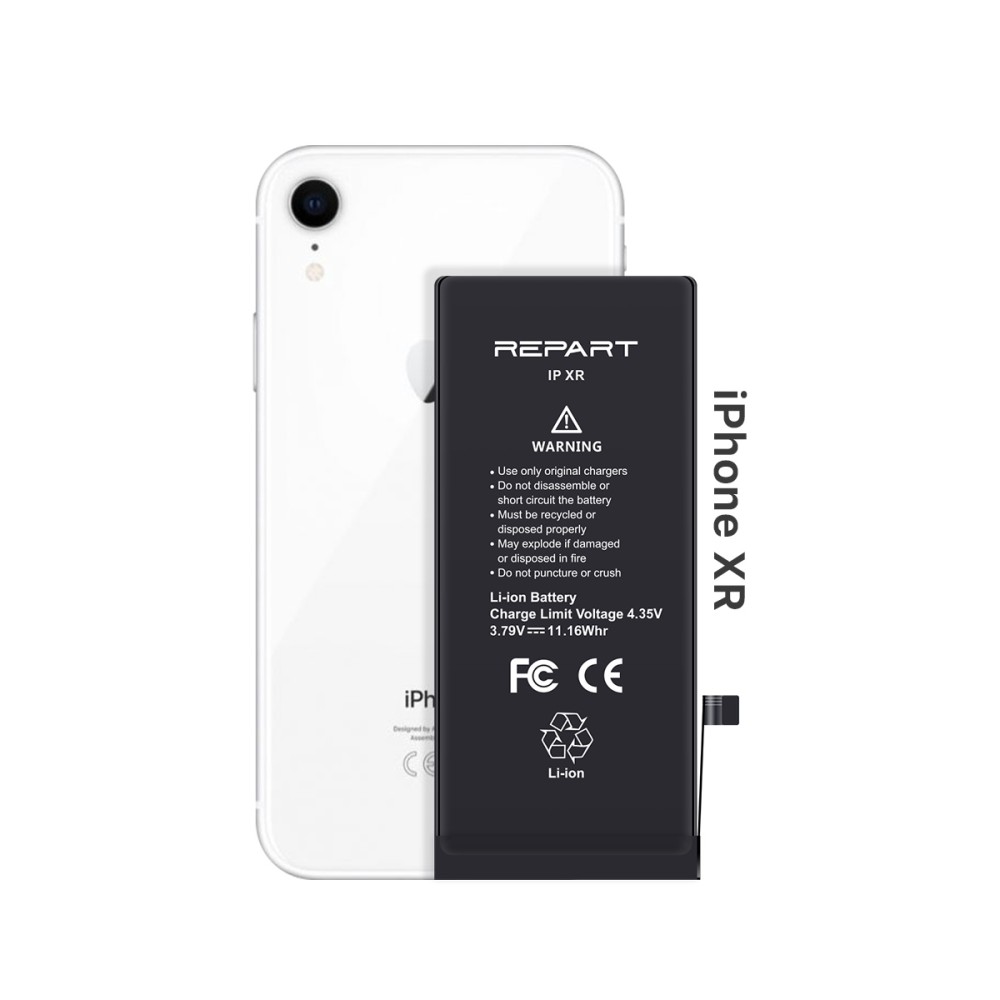
State of charge and tape‑over‑terminal rules shops miss
Keep state of charge within the carrier’s current limit and insulate every terminal.
A low charge level and terminal protection reduce fire risk, but the exact limit depends on the service booked.
Every loose lithium‑ion cell shipped from a repair shop should be packed at a low state of charge that matches the courier’s current lithium‑battery rules for that service. Air‑transport guidance often cites a 30 % limit, but shops should not treat that figure as a universal DPD road rule without checking the carrier’s public instructions. In practice, technicians can use a calibrated multimeter or a dedicated battery analyser to confirm voltage against the chemistry and the rule they are following. After confirming the state of charge, each terminal must be covered with non‑conductive tape (e.g., Kapton or electrical tape) or placed in a terminal‑protecting cap. The tape should extend beyond the terminal edges to prevent accidental contact during handling. The UK government’s product‑safety guidance for businesses (GOV.UK) also recommends terminal insulation as a basic safety measure. Shops that skip either step risk a parcel being refused at the DPD depot or, worse, a thermal event in transit. A quick visual check — tape on both terminals and a voltage reading logged on the packing sheet — adds only seconds to the workflow but satisfies both carrier and regulatory expectations.
Swollen cell refuse and quarantine steps
Reject swollen or damaged cells and isolate them immediately.
Do not ship compromised cells; store them in a fire‑resistant container and follow local hazardous‑waste guidance.
A swollen lithium‑ion cell indicates internal pressure build‑up and a heightened risk of venting or fire. The safest shop practice is to refuse any cell that shows visible deformation, electrolyte leakage, or a cracked casing. Once identified, place the cell in a dedicated, clearly labelled, fire‑resistant container (e.g., a metal box with a sand or vermiculite layer) away from other stock and workstations. Do not attempt to discharge or puncture the cell. The Health and Safety Executive’s guidance on dangerous goods (HSE) advises that damaged batteries be treated as hazardous waste and disposed of through a licensed waste carrier. Shops should record the quarantine action in their health‑and‑safety log and arrange collection with a certified hazardous‑waste contractor. This procedure protects staff, prevents accidental shipment of a dangerous item, and demonstrates due diligence should an audit occur. Do not return a swollen or damaged cell through a standard parcel service; check with the supplier before any movement is attempted. The battery hub is the starting point for current replacement‑cell listings.
Mixed parcels: device‑with‑battery vs loose cell
Devices with fitted batteries follow different rules than loose cells.
A phone with its battery installed may be eligible for a device‑with‑battery service, but loose cells always need DPD.
When a repair shop sends a completed handset back to a customer or a distributor, the parcel contains a device with an integrated battery. Shops should check Royal Mail’s and the chosen courier’s current public guidance for equipment containing lithium batteries, rather than relying on a remembered packing rule. However, any parcel that also includes a spare or replacement cell — even a single loose battery — must be treated as a standalone‑cell shipment and sent via DPD. The distinction is critical for shops that send a replacement battery with a repaired phone; the safest approach is to split the shipment: send the handset only if the chosen service allows a fitted battery, and dispatch the spare cell separately through DPD. Digi4u’s own mixed baskets that contain batteries ship entirely by DPD, as set out on the delivery policy page. The UK Civil Aviation Authority’s guidance (CAA) outlines the packaging requirements for equipment containing batteries, while DPD’s prohibited‑goods page (DPD) confirms the standalone‑cell restriction. Keeping a simple decision matrix at the packing bench — “device only = Royal Mail possible; any loose cell = DPD only” — eliminates confusion and ensures compliance.
| Carrier | Standalone lithium cells | Device with fitted battery | Key reference |
|---|---|---|---|
| Royal Mail | Not accepted for standalone cells or power banks | Only if the chosen service and packaging meet the courier’s current device‑with‑battery rules | GOV.UK moving dangerous goods |
| DPD | Accepted only with the carrier’s current packaging, marks and any required label | Check the current public guidance for the service booked | DPD prohibited goods |
| Other UK couriers | Varies — check each carrier’s dangerous‑goods policy | Do not assume acceptance; check the carrier’s current rules | BSI standards |
Digi4u dispatch cut‑off notes for lithium lines
Orders before 4 PM Mon‑Fri ship same day; later orders go next working day.
Lithium items follow the same cut‑off but are dispatched only via DPD, so factor in the carrier’s collection window.
Digi4u’s standard dispatch rule applies to all product lines: orders placed before 4:00 PM Monday to Friday are dispatched the same working day. Standalone lithium cells and power banks are restricted to DPD, so shops should still place those orders before the published 4:00 PM cut‑off and then allow for the courier’s own collection window rather than inventing a later cut‑off. Weekend orders, and orders placed after 4:00 PM on Friday, are dispatched the next working day. Shops should therefore schedule lithium‑heavy replenishment orders early in the day and allow an extra working day for delivery to remote zones (Highlands, Islands, Northern Ireland, ROI, Isle of Man, Channel Islands) where DPD next‑day service is not guaranteed. The full rate table and zone definitions are maintained on the delivery policy page; linking to that page rather than reproducing the table keeps the information current.
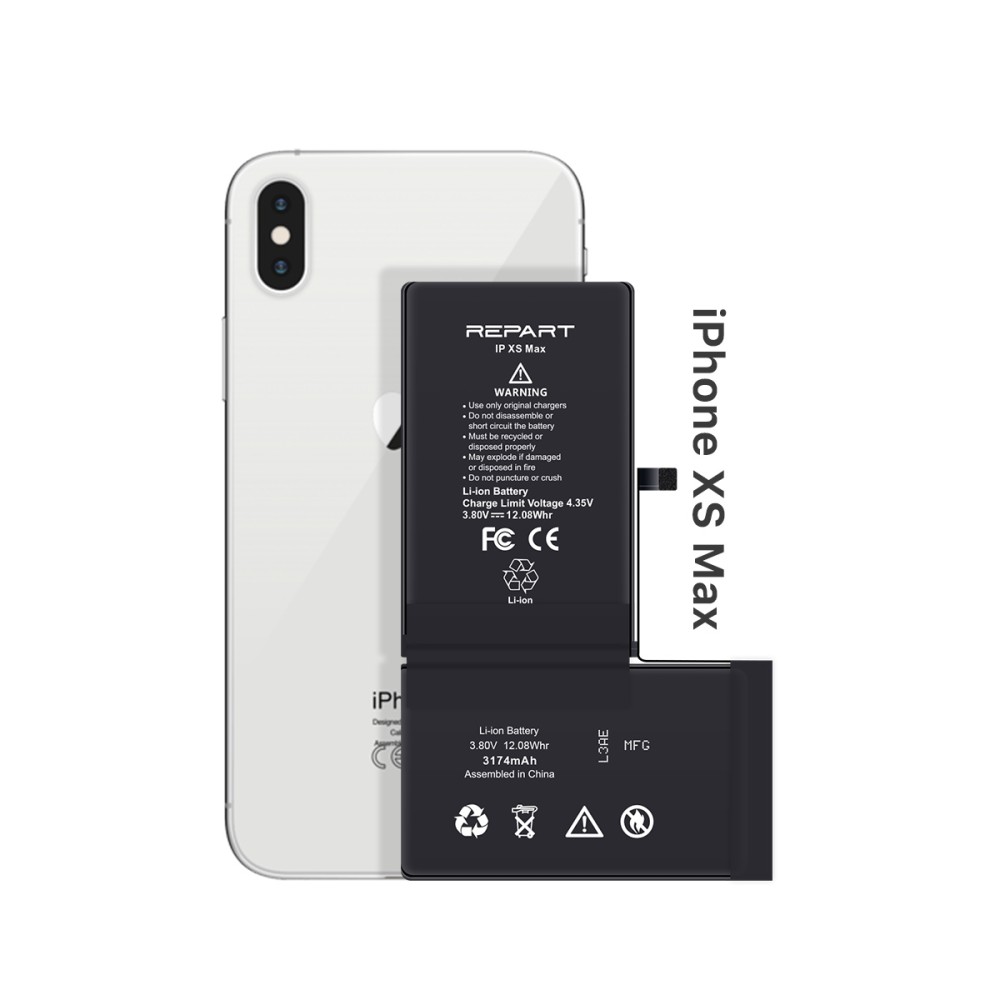
Staff training one‑pager for the packing bench
Post a concise checklist at every packing station.
Include charge check, terminal tape, handling mark, any carrier‑required label, inner packaging, and DPD consignment note.
A single‑page laminated sheet placed at each packing bench can reduce errors. The sheet should list, in order: (1) verify cell state of charge against the carrier’s current limit and record voltage; (2) apply non‑conductive tape over both terminals; (3) place cell in a rigid inner box with cushioning material that prevents movement; (4) affix the carrier‑required lithium handling mark on the outer carton; (5) attach any label required by the carrier (check current guidance for exact layout); (6) complete the DPD consignment note with “Contains lithium ion batteries” and the correct service level; (7) double‑check that no loose cells are mixed with device‑only parcels unless the whole shipment is booked through DPD. The phone battery wholesale guide explains why a consistent packing routine matters for reorder cadence. Updating the sheet whenever DPD revises its lithium‑battery instructions — by checking the current public DPD prohibited‑goods page and official regulator guidance — keeps the process current without requiring a full SOP rewrite.
Conclusion
Standalone lithium cells and power banks move through DPD only; Royal Mail does not carry them. Every loose cell needs terminal protection, a verified low state of charge, the carrier’s current handling mark, and any label required by the carrier before it leaves the bench. Swollen or damaged cells must be refused, quarantined in a fire‑resistant container, and passed to a licensed hazardous‑waste carrier per HSE guidance. Devices with fitted batteries may travel under the equipment exception, but any spare cell in the same parcel forces the whole shipment onto DPD. Shops should keep the DPD prohibited‑goods page, the GOV.UK dangerous‑goods overview, HSE CDG guidance, CAA lithium‑battery pages, and the IATA lithium‑battery hub bookmarked for quick reference. A bench‑side checklist updated from those sources is the simplest way to avoid rejected parcels and stay compliant.
View Digi4u delivery policy for current lithium‑battery rates
FAQ
Can I send a loose iPhone battery through Royal Mail if it’s in a padded envelope?
No. Royal Mail does not carry standalone lithium batteries or power banks; they are shipped via DPD only. Shops should also check the courier’s current public guidance before dispatch.
What label do I need for a DPD parcel that contains a single replacement cell?
DPD’s prohibited‑goods page notes that non‑excepted batteries are accepted only when the shipper follows the carrier’s packaging instructions, with detailed requirements available on request. Shops should consult DPD’s current lithium‑battery guidance for the required handling mark and any label.
Is it illegal to post a swollen battery in the UK?
Shipping a damaged or swollen lithium cell contravenes dangerous‑goods regulations and carrier terms. The safe practice is to quarantine the cell in a fire‑resistant container and arrange disposal through a licensed hazardous‑waste carrier, as advised by the HSE.
Do devices with fitted batteries need the same DPD label as loose cells?
Not necessarily. A handset with its battery installed may be eligible for a device‑with‑battery service, but shops should check the courier’s current public guidance rather than assuming Royal Mail will take every finished handset. Any spare loose cell in the same parcel forces the whole shipment onto DPD.