


Phone Camera Parts Wholesale UK: Modules, Lens Glass and Adhesive Kits for Shops
Need this part? We stock tested replacement parts with same-day UK dispatch and a 12-month warranty.
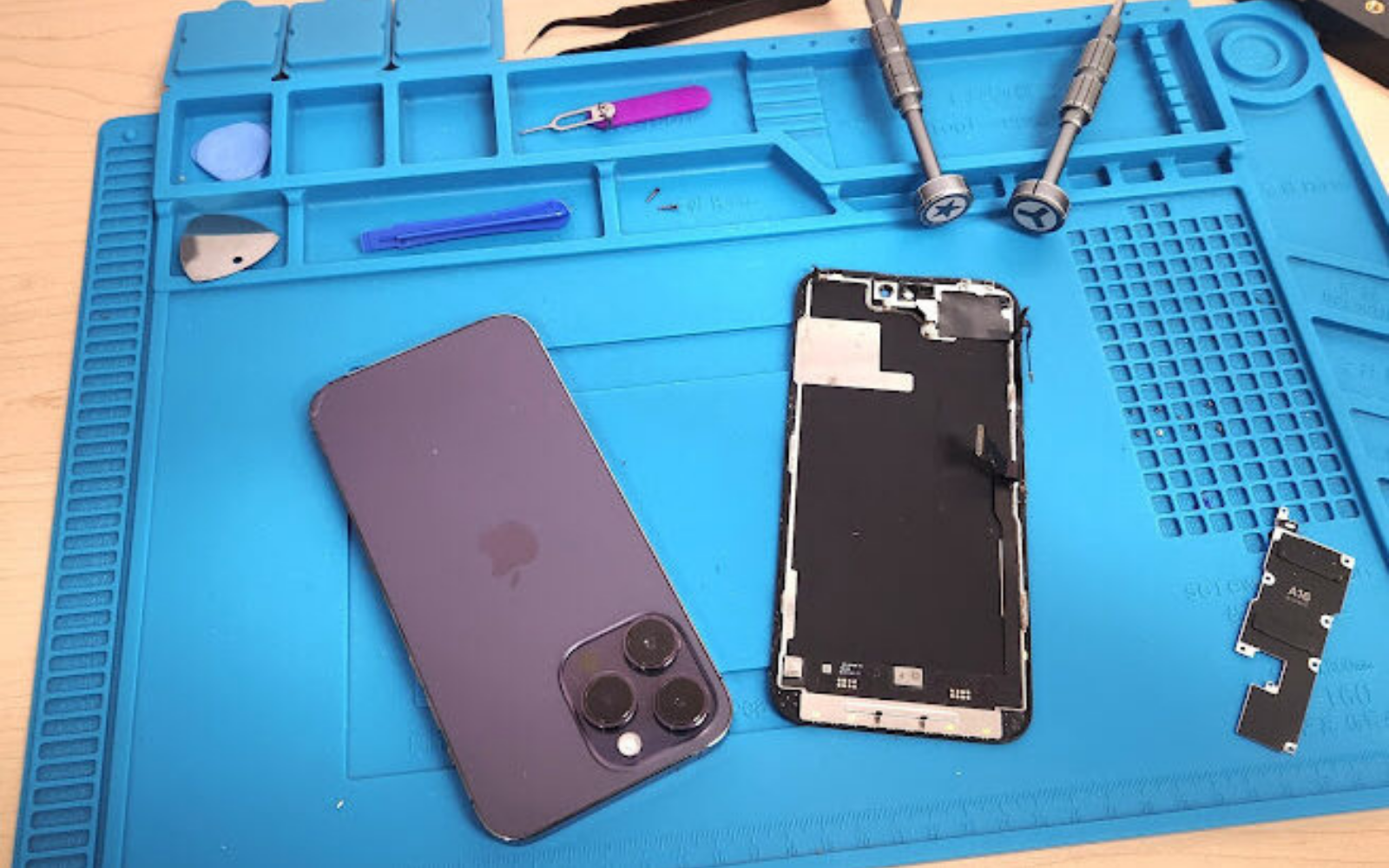
Phone camera parts wholesale UK sourcing lets multi‑bench shops keep the right mix of modules, lens glass and adhesive kits on hand so every walk‑in repair moves from ticket to handset without a parts delay.
Why do camera SKUs deserve a dedicated bin?
Camera parts have distinct handling, testing and storage needs that differ from screens or batteries.
Because optics are fragile, static‑sensitive and model‑specific, a dedicated bin prevents cross‑contamination and speeds pick‑and‑pack.
Repair shops that treat camera modules, lens‑cover glass and frame rings as a single “camera” category often lose time hunting the correct SKU. A dedicated bin lets technicians verify the part visually before the handset is opened, reducing the risk of fitting a module meant for a different generation. Digi4u’s cameras hub groups these items by brand and model, making it simple to allocate shelf space for each sub‑type. Separate bins also support the DOA workflow described later, because a module can be tested in isolation without disturbing glass or adhesive stock. This organisation pays off when a shop processes dozens of camera repairs per week.
On the bench, a colour‑coded bin system (e.g. red for modules, blue for glass, green for rings) lets a technician grab the right part in seconds. Pair the bins with a laminated pick‑list that shows the model‑to‑SKU map; the list can be updated from the live catalogue without re‑printing the whole board. When a new flagship launches, add a temporary “new‑model” bin so the first batch of modules stays segregated until the team validates the fit.
What is the right module vs glass vs ring stocking mix?
Stock modules for high‑volume flagships, glass for common cracks, and rings only where the frame is reusable.
Flagship modules drive revenue; glass covers the bulk of walk‑ins; rings are low‑turn but essential for certain models.
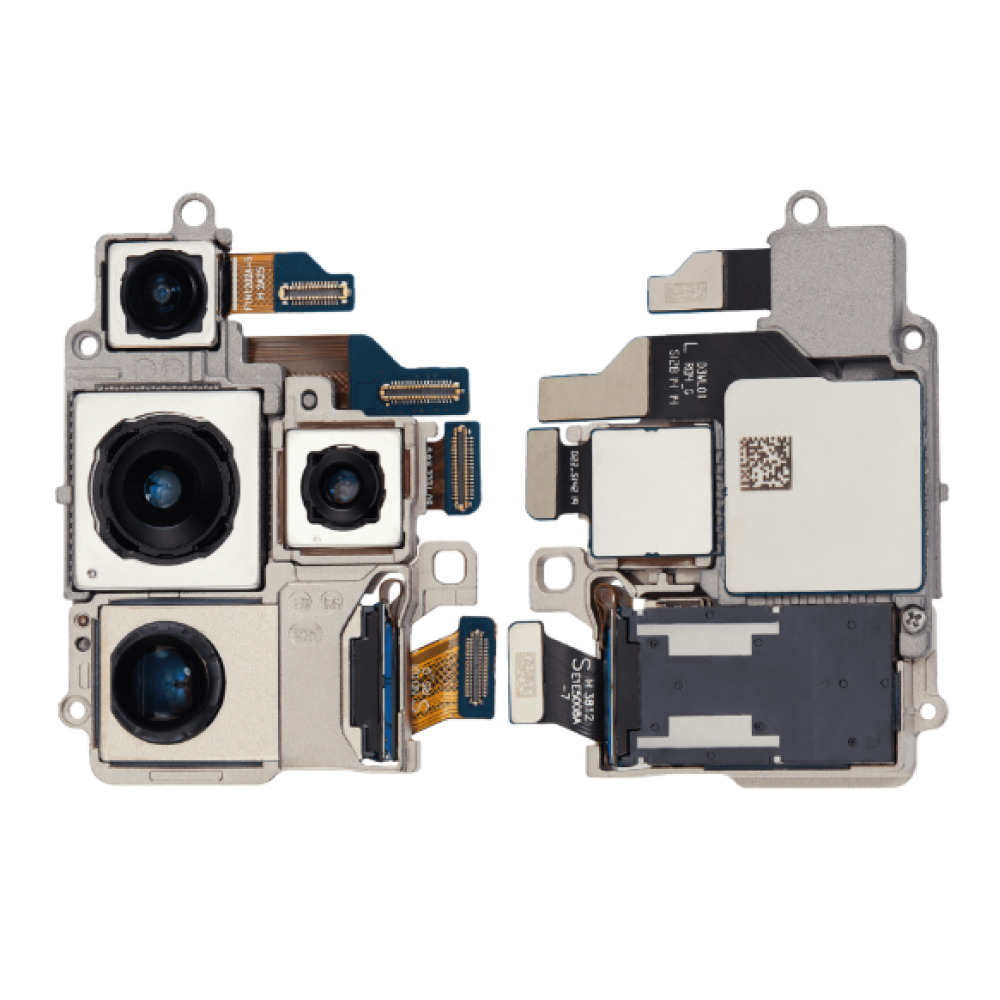
Modules such as the Samsung Galaxy S24 Ultra rear‑camera module are high‑value, low‑quantity items that should be kept in a secure, anti‑static drawer. Lens‑cover glass — like the without‑frame glass for iPhone 14/14 Plus — turns over quickly and can sit in a front‑of‑bench bin. Frame rings are model‑specific and only needed when the original ring is damaged; they belong in a labelled compartment alongside the matching glass. The table below summarises a practical starting mix for a shop handling iPhone and Galaxy flagships.
| Part type | Demand pattern | Stocking note | Storage note |
|---|---|---|---|
| Rear‑camera module (flagship) | Lower volume, higher unit cost | Keep a longer buffer; confirm the live listing before the ticket is closed | Anti‑static, temperature‑controlled |
| Front‑camera module | Usually lower volume than rear glass | Stock from actual ticket demand, not a generic minimum | Same as rear module |
| Lens‑cover glass (without frame) | Typically the fastest‑moving camera SKU | Keep a short buffer after new‑model launches; do not bin it with modules | Dry, dust‑free bin |
| Frame ring / bezel | Lower volume, often needed with glass | Label and store with the matching glass so the pair is issued together | Labelled with matching glass |
Adjust quantities after three months of sales data; the goal is to avoid both stock‑outs and excess capital tied up in slow‑moving modules.
When a new iPhone or Galaxy series arrives, add a “launch‑week” buffer of two extra modules per model. This covers the initial surge of warranty‑claim repairs without committing to long‑term inventory. Track the buffer separately in your spreadsheet so it can be removed once the claim rate stabilises.
How can you test DOA without delaying customers?
Run a quick power‑on and focus check on a bench fixture before the handset is reassembled.
A 30‑second functional test on a dedicated fixture catches dead modules early and keeps the customer’s device moving.
Set up a small test jig with a known‑good board and a USB‑C power source. Insert the replacement module, boot the board, and verify that the camera app launches, focuses and captures a test image. Document the result on the repair ticket. If the module fails, swap it immediately from the dedicated module bin — no need to pull the handset apart again. This workflow fits into the same time window as a screen test and adds only a few minutes per job. Shops that adopt a standard DOA checklist report fewer returns and higher first‑time‑fix rates. The checklist can be printed and laminated for each bench.
For iPhone modules, Apple’s service guide outlines the expected voltage rails and flex‑cable pinout; refer to the official documentation for the exact test points Apple Support – iPhone camera module testing. Samsung provides a similar reference for Galaxy flagships Samsung UK Support. Keeping these links bookmarked on the bench PC lets a technician confirm pin assignments in seconds.
How should you control humidity and dust in storage?
Store optics in sealed containers with desiccant at 40‑50 % RH; keep the area clean and temperature stable.
Controlled humidity prevents lens fogging and adhesive degradation; dust control avoids particle contamination on sensor surfaces.
Use stackable plastic bins with gasket lids and a rechargeable silica‑gel pack in each. A hygrometer on the shelf gives a quick visual check. Aim for 18‑22 °C ambient temperature; large swings cause condensation when parts move between the store room and the bench. Clean the storage area weekly with a lint‑free cloth and an anti‑static vacuum. Avoid cardboard boxes — they shed fibres and absorb moisture. For shops that also stock general adhesives such as B8000 or T7000, keep those in a separate cabinet because solvent vapours can affect lens coatings. Check the live consumables listing on Digi4u for the current adhesive range. A simple SOP posted at the storage entrance reminds staff to reseal containers immediately after picking.
British Standards Institution guidance on environmental control for electronic components recommends a maximum of 60 % RH for long‑term storage BSI Group – Environmental standards. Aligning your SOP with that benchmark helps demonstrate due diligence if a warranty claim ever reaches a trading‑standards review.
Where can you find iPhone and Galaxy camera guides?
Digi4u publishes model‑specific fit guides for iPhone rear modules, Galaxy modules and lens‑glass replacement.
These guides list part numbers, torque specs and adhesive recommendations so technicians can confirm the correct SKU before ordering.
For iPhone rear‑camera modules see the iPhone rear‑camera module parts guide. For lens‑cover glass jobs, use the iPhone camera lens glass replacement guide rather than treating glass as a module. For Samsung flagships the Galaxy camera module parts guide covers the S‑series and Note‑series. This page is the shop stocking mix across modules, glass and adhesive, not a model‑by‑model fit guide. All guides are updated when new models launch, so bookmark them in your shop’s browser for quick reference.
What UK dispatch options suit delicate optics?
Non‑battery camera parts can go by either listed carrier.
Digi4u’s delivery policy states that orders placed before 4 pm Monday‑Friday dispatch same day. Weekend or after‑hours orders ship the next working day. Royal Mail 48 Tracked and DPD are the two carrier options; free‑shipping thresholds depend on the service and delivery zone, so consult the policy page for the current limits. Standalone lithium batteries and power banks must travel via DPD in line with dangerous‑goods regulations GOV.UK – Moving dangerous goods; camera modules and lens glass are not classified as dangerous goods, so they can ship with either carrier. For high‑value modules, DPD’s signature‑required service adds a layer of accountability. Shops in the Highlands, Islands or Northern Ireland should allow an extra working day for next‑day services. Always pack modules in anti‑static bubble wrap inside a rigid box; glass can travel in a padded envelope with a “fragile” label.
Product‑safety guidance for businesses outlines the responsibilities when shipping electronic components GOV.UK – Product safety for businesses. Following that guidance helps avoid compliance issues during carrier audits.

When should you reorder based on claim patterns?
Set reorder points at 2 weeks of average weekly sales for glass, 4 weeks for modules.
Tracking warranty claims and repeat repairs reveals which SKUs turn fastest and prevents stock‑outs during peak periods.
Export the shop’s repair‑ticket data monthly and calculate the moving average of each camera SKU. For lens‑cover glass, keep a short buffer for sudden spikes after a new model launch. Modules, being higher cost and lower volume, usually need a longer buffer to absorb lead‑time variability. Flag any SKU where claims or repeat repairs cluster unusually — this may indicate a batch issue and warrants a supplier conversation. Digi4u’s same‑day dispatch (before 4 pm) means a reorder placed early in the week arrives before the weekend rush. Keep a shared spreadsheet visible to the parts buyer and the shop manager so decisions are data‑driven, not reactive.
Apple’s service‑part return data can be cross‑referenced for iPhone modules Apple Support – Service part returns, giving an external benchmark for claim rates.
Conclusion
A disciplined camera‑parts strategy — dedicated bins, a balanced module‑glass‑ring mix, rapid DOA testing, controlled storage, reliable UK dispatch and data‑driven reorder points — turns camera repairs from a bottleneck into a predictable revenue stream. By aligning stock levels with actual claim patterns and using the model‑specific guides Digi4u publishes, multi‑bench shops can reduce first‑time‑fix failures and keep technicians focused on the repair, not the parts hunt.
FAQ
What is the difference between a camera module and a lens‑cover glass?
A camera module contains the sensor, lens assembly and flex cable; it replaces the entire optical unit. A lens‑cover glass is only the outer protective glass that sits over the module. Replacing glass is quicker and cheaper, but it does not fix sensor or focus faults.
How long does Digi4u take to dispatch camera modules ordered before 4 pm?
Orders placed before 4 pm Monday‑Friday are dispatched the same day via Royal Mail 48 Tracked or DPD, depending on the service chosen. Weekend or after‑hours orders ship the next working day.
Can I use the same adhesive for every camera repair?
No. Different models require specific adhesives — some need B8000 for flexibility, others T7000 for stronger bonding. Check the model‑specific guide and the live consumables listing to match the adhesive to the job.
What storage conditions prevent lens fogging?
Store optics in sealed containers with desiccant at 40‑50 % relative humidity and 18‑22 °C. Avoid cardboard, keep the area dust‑free, and reseal containers immediately after picking.