


A replacement-screen label describes a sourcing route, not a guaranteed result. A genuine service part, a refurbished original assembly and a newly manufactured aftermarket screen can each be appropriate, but they differ in provenance, replaced components, availability and the evidence a buyer should request. Choose against the exact device and repair outcome rather than treating “original” or “premium” as a complete specification.
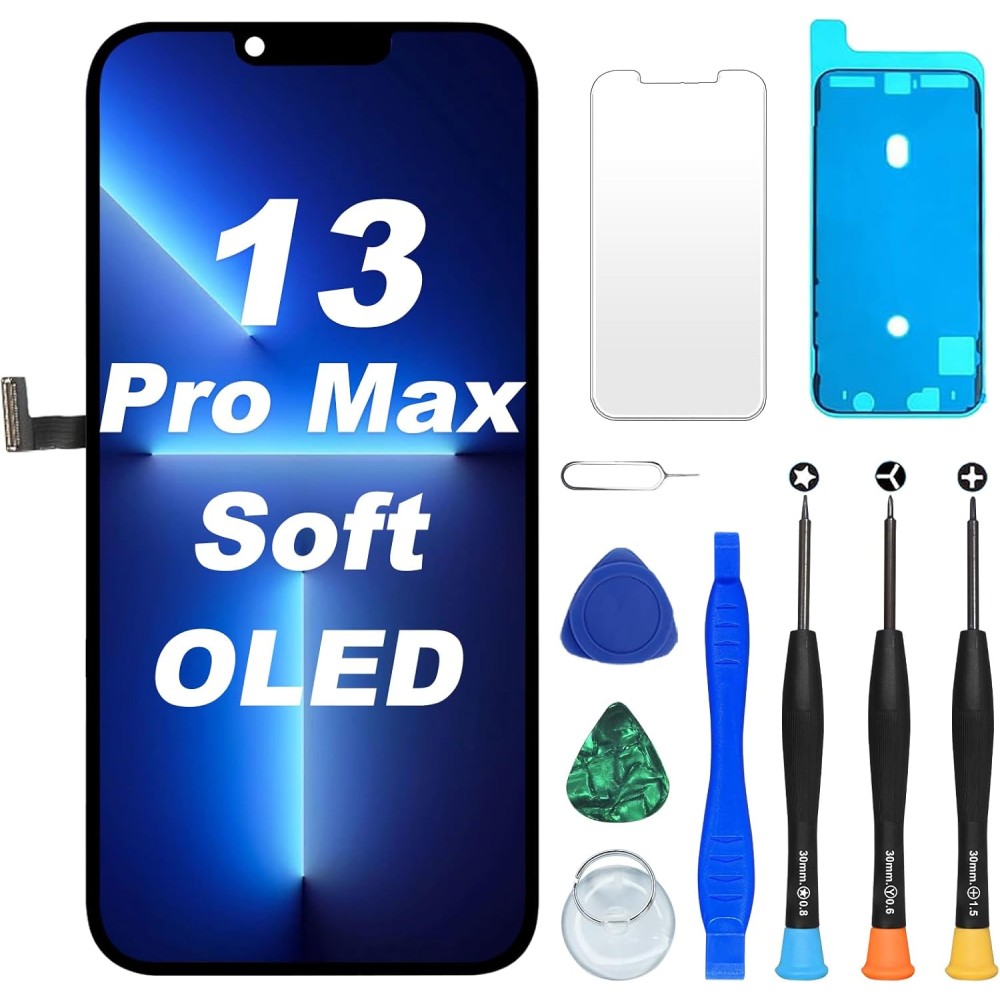
The decision in brief
Use a genuine service route when verified provenance and supported calibration are the priority. Consider a refurbished original assembly when the original panel has been retained and the replaced layers and testing are documented. Consider aftermarket when cost or availability leads, but require a stable grade definition and model-specific performance information. None of these labels removes the need for pre-installation testing.
What do the three labels actually mean?
A genuine screen should have traceable manufacturer or authorised-service provenance; “genuine quality” is not the same claim. A refurbished screen normally starts with a recovered original display assembly and replaces damaged outer layers, although the exact work varies. An aftermarket screen is newly made outside the device maker’s service-parts route and may use OLED or LCD construction. Ask which components are original, replaced or newly manufactured.
Compare evidence, not marketing language
Request the exact SKU, supported model codes, panel technology, frame option, refresh-rate support and return conditions. For refurbished stock, ask which layer was replaced and how image, touch and sealing surfaces were checked. For genuine claims, ask for traceability appropriate to the seller’s role. Avoid assuming that “OEM”, “service pack” or “original quality” has one universal meaning across suppliers.
Compatibility comes before grade
Confirm the model name and A-number using Apple’s identification guide. Match connector layout, frame, sensor brackets and any programming or calibration requirements. Screen size alone is insufficient: closely related models can use different flexes or frames. If the listing omits the exact device, stop and ask rather than selecting the closest-looking option.
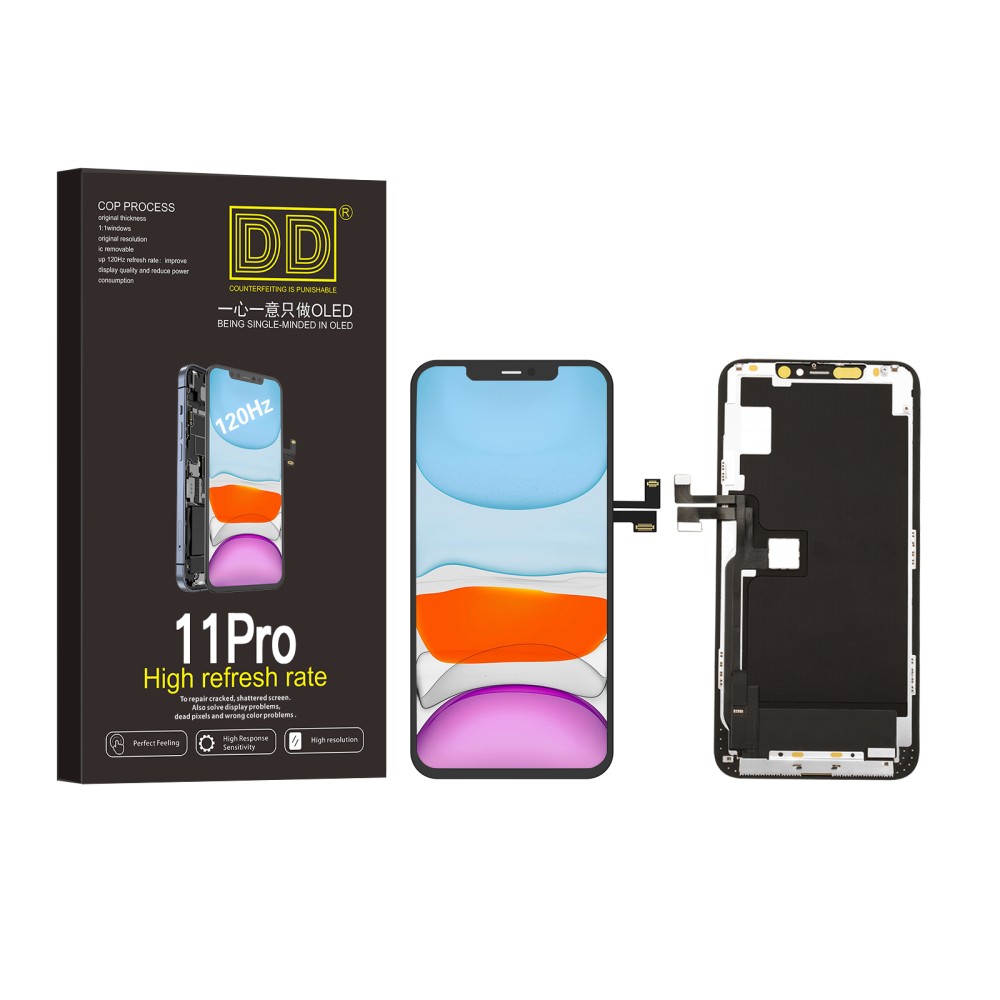
What differences may appear after repair?
Assess touch across the full grid, brightness range, colour, black level, viewing angle, proximity behaviour and supported refresh features. Apple lists possible display and sensor effects associated with non-genuine displays in its display guidance. That guidance does not prove that every aftermarket part will show every issue; it explains why the individual assembly must be tested.
Test before final installation
Inspect glass, frame, flex cables and connectors before power is applied. Connect the part using the model-specific safe sequence, keep films and seals intact, then test image, touch, brightness and sensors before adhesive is committed. Record the SKU and result. A first boot is not a complete test, and repeated connection with power present can create another fault.
Match the option to the repair
For a high-value device whose owner expects the closest supported outcome, provenance and service route may outweigh unit price. A documented refurbished assembly can suit a repair that values the retained original panel. A defined aftermarket grade can suit price-led or availability-led work. Repair shops should present these as controlled choices and record what the customer approved.
Buying checklist and next step
Confirm model, construction, provenance claim, frame option, required transfers, supported functions, test process and current returns procedure. Compare completed-repair cost rather than screen price alone. Then review the available iPhone replacement screens for the exact model and ask Digi4u to clarify any grade description that is not sufficiently specific.
Turn the guidance into a controlled repair decision
For an individual buyer: identify the exact model, decide which result matters and ask the installer to describe the proposed part in writing. Do not buy from a photograph, screen size or headline claim alone. If the repair involves opening a powered device, delicate security hardware or a display assembly, use a competent technician rather than treating the purchase as the complete repair.
For a repair business: attach the supplier SKU and stated specification to the job, record the device condition before disassembly and use the same acceptance test for every sample in that grade. Customer paperwork should name the selected option and any known limitation. When a result differs from the approved specification, pause the job and preserve evidence instead of improvising a workaround that makes the original fault harder to assess.
Evidence to keep with the job
- Device model name, A-number and reported symptom.
- Order reference, supplier SKU, grade and frame or bundle option.
- Photographs of the received part, connectors, seals and pre-existing damage.
- Results of the open functional test before films or final adhesive are disturbed.
- Any warning, setting, diagnostic result or customer-approved trade-off.
- The current product listing and returns procedure used for the decision.
This record is useful even when the repair succeeds. It lets the shop compare repeat performance by SKU, identify installation training needs and distinguish a product trend from an isolated device fault. Do not convert internal observations into public defect-rate or performance claims until the sample size and test conditions are documented.
Common questions
Is a refurbished screen the same as an aftermarket screen?
No. A refurbished assembly normally retains an original display component and replaces damaged layers; an aftermarket assembly is newly manufactured outside the maker’s service-parts route.
Does “genuine quality” prove a screen is genuine?
No. Treat it as marketing wording unless the seller provides appropriate provenance for the exact part.
Which option is best for a high-value phone?
Choose from the required outcome: verified service provenance, documented refurbished construction or a defined aftermarket grade. Compatibility and testing remain mandatory.