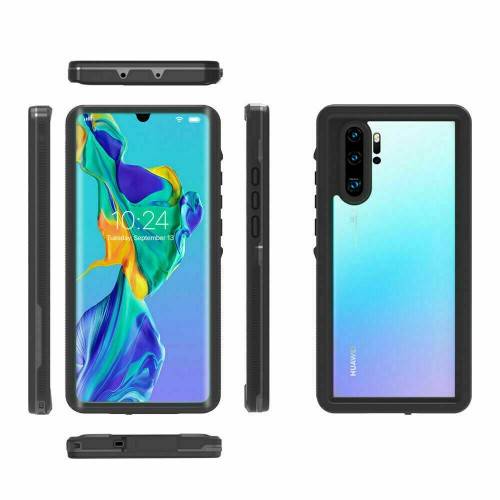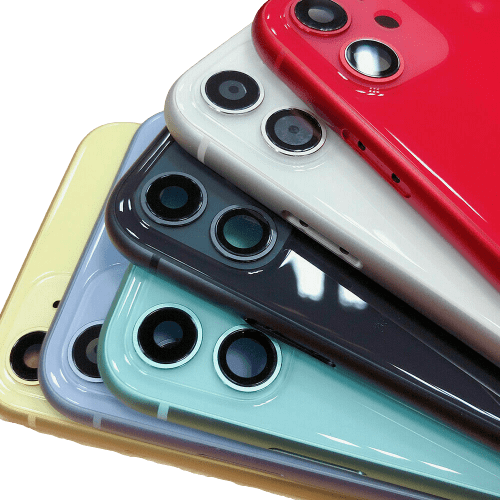


Understanding New Genuine, OEM Pull, Used Genuine, Refurbished, Soft OLED, Hard OLED, Incell LCD and Aftermarket Screens
Introduction
Ask ten different repair shops in the UK how much it costs to replace an iPhone screen, and you may receive ten completely different quotes.
For example, a customer walking into a repair shop with a cracked iPhone 15 Pro display may be quoted anywhere between £100 and £450 for what appears to be the same repair.
Naturally, customers often ask:
“Why is there such a huge price difference?”
The answer lies in the quality of the replacement screen being installed.
Modern smartphones are no longer simple devices. Today’s flagship displays integrate advanced OLED technology, touch digitizers, display driver ICs, ambient light sensors, True Tone calibration systems, proximity sensors, and biometric components that work together as a single assembly.
As a result, not all replacement screens are created equal.
The UK repair industry has developed multiple screen grades to satisfy different customer requirements, budgets, and repair scenarios. These grades include:
- New Genuine
- OEM Pull
- Used Genuine
- Refurbished Genuine
- Soft OLED
- Hard OLED
- Incell LCD
- Standard Aftermarket LCD
- Copy Screens
While many of these screens may appear similar at first glance, the differences become increasingly obvious after installation and long-term use.
Understanding these differences is critical for repair shops that want to:
- Reduce warranty claims
- Improve customer satisfaction
- Increase profit margins
- Build long-term trust
- Stock the correct inventory
- Avoid unnecessary returns
This guide explains how each screen type is manufactured, where it comes from, how it performs after installation, common problems associated with each grade, and which options make the most sense for different repair businesses.
Why Screen Quality Matters More Than Ever
Ten years ago, screen replacement was relatively straightforward.
Most smartphones used LCD technology, and aftermarket manufacturers could produce reasonably good replacement displays.
Customers cared primarily about one thing:
“Does the phone work again?”
Today’s customers have much higher expectations.
Modern smartphone users expect:
- High brightness outdoors
- Deep blacks
- Accurate colours
- Smooth touch response
- Face ID functionality
- Adaptive refresh rates
- Long battery life
- True Tone support
A low-quality replacement screen may still function, but customers often notice issues such as:
- Reduced brightness
- Excessive battery drain
- Poor colour reproduction
- Touch delays
- Screen flickering
- Display burn-in
- Green tint problems
- Ghost touch behaviour
For repair shops, these problems often become warranty claims.
The cheapest screen is rarely the most profitable screen.
Understanding Where Different Screen Grades Come From
One of the biggest misconceptions in the repair industry is that screen grades are simply marketing terms created by suppliers.
In reality, each grade originates from a completely different supply chain.
New Genuine
Directly sourced from the original manufacturer’s service network.
OEM Pull
Removed from a donor phone while retaining the original display assembly.
Used Genuine
A previously used original screen with varying levels of wear.
Refurbished Genuine
An original OLED display that has had broken glass replaced.
Soft OLED
A third-party OLED screen manufactured using flexible OLED technology.
Hard OLED
A third-party OLED screen manufactured using rigid glass substrates.
Incell LCD
A budget LCD alternative designed to replace OLED displays.
Understanding these origins is essential because the source often determines quality more than the label itself.
New Genuine Screens
What Is a New Genuine Screen?
A New Genuine screen is a display assembly manufactured for the original device maker and supplied through authorised service channels.
For Apple devices, these screens typically originate from manufacturers such as:
- Samsung Display
- LG Display
- BOE
The exact supplier may vary depending on the device model.
A genuine screen includes:
- Original OLED panel
- Original touch layer
- Original display IC
- Original polarizer
- Original frame
- Original glass
Essentially, it is the same display assembly installed during factory production.
Advantages of New Genuine Screens
The primary advantage is predictability.
Everything works exactly as the manufacturer intended.
Benefits include:
- Maximum brightness
- Original colour calibration
- Perfect touch performance
- Original power consumption
- Lowest failure rate
- Highest durability
- Best resale value
For premium customers, this remains the gold standard.
Disadvantages of New Genuine Screens
The biggest challenge is cost.
For newer flagship devices, genuine screens can be extremely expensive.
For example:
| Device | Typical Genuine Screen Cost |
| iPhone 15 Pro | £350–£450 |
| iPhone 15 Pro Max | £400–£550 |
| Samsung S25 Ultra | £250–£450 |
These costs significantly reduce profit margins unless customers specifically request premium repairs.
Availability can also be inconsistent.
Many suppliers advertise “new genuine” screens when the product is actually an OEM pull or refurbished assembly.
Repair shops should verify sources carefully.
Will Genuine Screens Trigger Non-Genuine Warnings?
If installed and calibrated through official service channels, no warning should appear.
However, when genuine screens are installed outside Apple’s authorised repair system, certain devices may still display:
Important Display Message
This is due to serial number pairing rather than screen quality.
Will Genuine Screens Affect Face ID?
No.
The screen itself does not control Face ID.
Face ID relies on:
- Dot Projector
- Flood Illuminator
- Infrared Camera
As long as these components remain undamaged, Face ID should function normally.
OEM Pull Screens
What Is an OEM Pull Screen?
An OEM Pull screen is an original screen removed from another device.
These donor devices may have:
- Motherboard damage
- Face ID issues
- Carrier locks
- Water damage affecting other components
The display itself remains original.
No refurbishment has been performed.
No glass replacement has occurred.
The screen assembly remains exactly as it left the factory.
Why OEM Pull Screens Are Popular
Many experienced repair shops consider OEM Pull displays one of the best options available.
The reason is simple.
Customers receive:
- Original OLED
- Original touch layer
- Original brightness
- Original colour reproduction
At a significantly lower cost than a brand-new genuine display.
Common OEM Pull Grading Standards
Grade A+
Virtually flawless.
No scratches.
No burn-in.
Excellent condition.
Grade A
Minor cosmetic wear.
No functional issues.
Grade B
Visible wear.
Possible light scratches.
Suitable for budget-conscious customers.
Common Problems With OEM Pull Screens
Because these screens have already been used, they may develop issues over time.
Examples include:
OLED Burn-In
Static images may have left faint shadows.
Reduced Maximum Brightness
OLED panels naturally degrade with use.
Cosmetic Wear
Minor scratches may become visible under certain lighting conditions.
Unknown Usage History
A screen that appears perfect today may have experienced years of heavy use.
This uncertainty is one reason why OEM Pull displays are usually priced below genuine new assemblies.
Typical Pricing
For an iPhone 15 Pro:
- New Genuine: £350–£450
- OEM Pull: £280–£380
This makes OEM Pull displays attractive for repair shops seeking a balance between quality and profitability.
Used Genuine Screens
What Is a Used Genuine Screen?
The term “Used Genuine” generally refers to original displays removed from previously owned devices.
Unlike OEM Pull screens, the condition may vary considerably.
Some may be nearly perfect.
Others may show significant signs of wear.
In practice, the distinction between OEM Pull and Used Genuine often depends on supplier grading rather than strict industry standards.
Advantages
The primary advantage is cost.
Repair shops can often purchase used genuine displays for substantially less than OEM Pull alternatives.
Customers still receive:
- Original OLED technology
- Original colour performance
- Original touch response
This makes Used Genuine screens particularly attractive for older devices where customers may not wish to invest heavily.
Potential Risks
Repair shops should inspect used screens carefully before installation.
Common issues include:
- Burn-in
- Dead pixels
- Image retention
- Reduced brightness
- Surface scratches
- Minor touch inconsistencies
Failure to identify these issues before installation can lead to e
Refurbished Genuine Screens
What Is a Refurbished Screen?
Refurbished screens are often misunderstood.
Many consumers assume a refurbished screen is simply a copy screen that has been repaired.
This is incorrect.
A high-quality refurbished screen retains the original OLED display.
Only the damaged outer glass is replaced.
In most cases, the original components retained include:
- OLED panel
- Display IC
- Touch layer
- Polarizer
- Sensor integration
Only the broken glass and sometimes the frame are replaced.
This distinction is extremely important.
The OLED panel is the most expensive and technologically advanced component of the screen assembly.
If the original OLED remains intact, display performance can remain remarkably close to factory specifications.
Why Refurbished Screens Dominate the UK Market
For many independent repair shops, refurbished displays represent the best balance between:
- Quality
- Cost
- Profitability
- Customer satisfaction
A high-quality refurbished screen can often provide 95% or more of the original user experience at a significantly lower cost.
This is why many professional repair centres prefer premium refurbished screens over cheaper aftermarket OLED alternatives.
Not All Refurbished Screens Are Equal
This is where many purchasing mistakes occur.
Two suppliers may both advertise:
“Original Refurbished Screen”
Yet the actual quality may differ dramatically.
Factors affecting refurbishment quality include:
- OCA adhesive quality
- Glass quality
- Polarizer replacement quality
- Lamination process
- Bubble removal process
- Frame quality
- OLED inspection standards
High-end refurbishment factories use industrial equipment capable of producing results that are virtually indistinguishable from original displays.
Low-quality workshops often produce screens with:
- Dust contamination
- Touch inconsistencies
- Delamination
- Light leakage
- Colour shifts
The difference becomes apparent after several months of use.
Soft OLED Screens
What Is Soft OLED?
Soft OLED screens use flexible OLED substrates similar to those used in modern flagship smartphones.
This flexibility is one reason original iPhone OLED displays are relatively thin and resistant to cracking during installation.
Third-party manufacturers have spent years improving their OLED technology.
As a result, today’s premium Soft OLED displays are dramatically better than those available five years ago.
Advantages of Soft OLED
Premium Soft OLED displays offer:
- Excellent brightness
- Strong colour reproduction
- Good battery efficiency
- Thin construction
- Improved durability
- Lower cost than genuine screens
For many customers, the visual difference between a high-quality Soft OLED and an original display is minimal during everyday use.
Common Soft OLED Problems
Despite major improvements, Soft OLED screens can still exhibit:
- Slight colour temperature differences
- Lower peak brightness
- Reduced HDR performance
- Minor touch calibration differences
These issues are generally subtle and often unnoticed by average users.
Hard OLED Screens
What Is Hard OLED?
Hard OLED screens use a rigid glass substrate rather than a flexible OLED base.
This reduces manufacturing costs significantly.
As a result, Hard OLED displays are often cheaper than Soft OLED alternatives.
Advantages
Benefits include:
- Lower procurement cost
- OLED technology
- Good contrast ratios
- Better image quality than LCD alternatives
For budget-conscious repairs, Hard OLED can be a viable option.
Common Hard OLED Problems
The primary drawback is fragility.
Hard OLED screens are more susceptible to:
- Installation damage
- Corner cracks
- Pressure fractures
- Impact damage
Long-term reliability is generally lower than premium Soft OLED displays.
Incell LCD Screens
What Is Incell LCD?
Incell LCD screens are LCD replacements designed for devices originally equipped with OLED displays.
These displays integrate touch functionality directly into the LCD panel.
This reduces cost significantly.
Why Some Repair Shops Still Use LCD
The answer is simple.
Price.
For older devices, customers may prefer a repair costing £80 rather than £250.
In these situations, LCD remains attractive.
Common User Complaints
After installation, customers may notice:
Reduced Black Levels
OLED pixels can switch off completely.
LCD panels rely on backlighting.
Black areas therefore appear grey.
Increased Battery Consumption
LCD backlights consume additional power.
Increased Thickness
Some LCD assemblies are thicker than original OLED screens.
Reduced Viewing Angles
Colours may shift at extreme viewing angles.
These limitations should be explained clearly before installation.
Understanding Non-Genuine Display Warnings
One of the most misunderstood topics in the repair industry involves Apple’s display authentication system.
Beginning with newer iPhone generations, Apple introduced serial number pairing between display assemblies and logic boards.
This means even an original Apple display may trigger a warning if moved to another device.
The warning does not necessarily mean the display is fake.
It simply means the phone cannot verify that the display originally belonged to that device.
Will Screen Replacement Affect Face ID?
In most cases:
No.
Screen replacement alone does not disable Face ID.
Face ID depends on:
- Dot Projector
- Flood Illuminator
- Infrared Camera
However, accidental damage during repair can affect these components.
Common causes include:
- Torn flex cables
- Sensor damage
- Water damage
- Excessive heat during disassembly
Repair quality matters far more than screen grade when it comes to Face ID functionality.
Which Screen Should Your Repair Shop Stock?
There is no universal answer.
The correct inventory depends on customer demographics.
Premium Repair Shops
Recommended:
- New Genuine
- OEM Pull
General Independent Repair Shops
Recommended:
- Refurbished Genuine
- Premium Soft OLED
Budget-Focused Shops
Recommended:
- Hard OLED
- Incell LCD
Many successful repair businesses offer three options:
- Good
- Better
- Best
This approach increases conversion rates while allowing customers to choose according to budget.
Frequently Asked Questions
Is a Refurbished Screen Still Original?
If the original OLED panel remains intact, many industry professionals consider it an original display with replacement glass.
Is Soft OLED Better Than Hard OLED?
In most cases, yes.
Soft OLED generally offers better durability, flexibility, and overall user experience.
Is LCD Always Bad?
No.
LCD remains suitable for older devices and highly budget-conscious customers.
Which Screen Offers the Best Value?
For many UK repair shops:
High-quality, refurbished, genuine, and Premium Soft OLED screens provide the strongest balance between quality and profitability.
Which Screen Has the Lowest Return Rate?
Generally:
- New Genuine
- OEM Pull
- Premium Refurbished Genuine
Conclusion
The mobile phone repair industry has evolved far beyond simple screen replacement.
Today’s repair shops must balance customer expectations, repair quality, procurement costs, warranty risks, and profitability.
Understanding the differences between New Genuine, OEM Pull, Used Genuine, Refurbished Genuine, Soft OLED, Hard OLED, and Incell LCD screens allows repair businesses to make smarter purchasing decisions and provide customers with the right solution for every budget.
Rather than searching for a single “best” screen, successful repair shops focus on matching the right screen grade to the right customer.
That approach not only improves profitability but also builds long-term trust and reputation in an increasingly competitive repair market.
Need Reliable Mobile Phone Screens for Your Repair Business?
Whether you’re looking for:
- Genuine Refurbished Displays
- OEM Pull Screens
- Premium Soft OLED
- Hard OLED
- In-cell LCD
- iPhone Replacement Batteries
- Samsung Service Pack Parts
Visit Digi4u and discover quality mobile phone parts designed for repair professionals across the UK.
Website: digi4u.co.uk
UK Stock • Fast Delivery • Wholesale Support • Multiple Quality Grades Available