

How to Safely Handle and Dispose of Damaged, Exploded, or Burned Phone Batteries in the UK: A Guide for Technicians
Need this part? We stock tested replacement parts with same-day UK dispatch and a 12-month warranty.
Posted on by digi4u
As a mobile phone repair technician, one of the most critical safety considerations is dealing with damaged, exploded, or burned phone batteries. These issues are becoming increasingly common, especially as the lifespan of mobile phones increases, and the risk of battery degradation or mishandling grows. This blog post will provide a professional guide on how to safely handle and dispose of these dangerous components to ensure safety and compliance with UK regulations.
1. Understanding the Risks of Damaged Batteries
Lithium-ion batteries, which power most smartphones, are known for their high energy density. While they are generally safe under normal usage, they can become hazardous when damaged. Physical damage, punctures, extreme heat, overcharging, or aging batteries can all lead to:
- Thermal Runaway: A chain reaction inside the battery causing it to overheat, potentially resulting in an explosion or fire.
- Chemical Leaks: The release of hazardous chemicals such as lithium, which can cause environmental harm and pose health risks if not handled properly.
- Fire Hazard: A punctured or damaged battery can ignite if exposed to heat or electrical current.
When faced with a damaged battery, immediate action is required to prevent harm. Below is a professional approach for handling such batteries in the repair shop.
2. Identifying Damaged or Exploded Batteries
Before you can safely dispose of a damaged battery, you need to identify the severity of the issue. Look for the following signs:
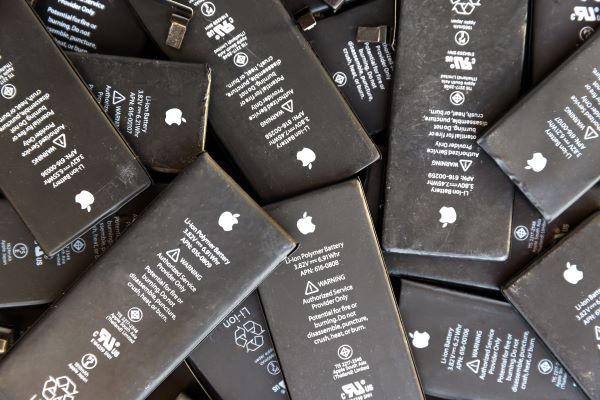
- Physical damage: A puncture, dents, cracks, or swelling.
- Burn marks or blackened spots: This could indicate overheating or fire damage.
- Unusual heat: If the battery is too hot to touch, it may be on the verge of overheating.
- Leaking fluids: Batteries that have started leaking chemicals should be handled with extreme care.
In the case of any of these signs, the first priority is to avoid direct contact with the battery and to isolate it immediately.
3. Safety Precautions When Handling Damaged Batteries
Handling damaged batteries requires a cautious and methodical approach:
- Wear Protective Gear: Always wear gloves and eye protection when handling damaged batteries. This prevents direct skin contact with harmful chemicals and reduces the risk of injury if the battery ignites.
- Use Non-Conductive Tools: Avoid using metallic or conductive tools when handling a damaged battery to prevent short circuits.
- Work in a Ventilated Area: If a battery has started emitting smoke or fumes, move it to an open area with good airflow. Some of the gases emitted can be toxic or flammable.
- Avoid Heat Sources: Keep the battery away from any heat sources such as ovens, open flames, or heating tools, as it may further exacerbate the situation.
4. Disposal and Recycling Regulations in the UK
In the UK, improper disposal of electronic waste, including phone batteries, is illegal under the Waste Electrical and Electronic Equipment (WEEE) Directive. As a technician, you must follow local guidelines for safe disposal:
- Do Not Throw Batteries in the Trash: Damaged or used batteries should never be disposed of in regular waste bins. They can be a fire hazard, and improper disposal could lead to penalties.
- Contact Local Recycling Centres: The UK has specific recycling points for lithium-ion batteries. Most councils offer free collection points for hazardous waste, including damaged phone batteries. Alternatively, contact a certified battery recycling service.
- Use a Battery Recycling Scheme: Many mobile parts suppliers, such as Digi4U, offer battery recycling services, allowing you to send back damaged batteries for safe disposal.
- Ensure Safe Transportation: If you are sending the battery to a recycling facility, ensure it is transported according to the UK’s packaging and shipping standards for hazardous materials. Many courier services have specific requirements for transporting damaged or swollen batteries.
5. Working with Suppliers to Avoid Future Incidents
As a technician, it’s essential to work with trusted suppliers who adhere to safety standards for parts and batteries. This will minimize the likelihood of receiving defective batteries, reducing the chances of handling hazardous components in the future. Establish a relationship with reputable mobile parts distributors like Digi4U, who can provide safe, certified replacement batteries.
Additionally, training staff on how to identify and properly dispose of damaged batteries will ensure a safer working environment for your team and customers.
6. Best Practices for Preventing Battery Damage in Repairs
- Handle Batteries with Care: Always take precautions when opening devices with batteries. Use proper tools to avoid puncturing or cracking the battery.
- Use Certified Charging Equipment: When charging batteries before installation, make sure to use certified chargers that regulate current to prevent overcharging.
- Monitor Battery Health: Regularly check battery health in devices you repair, as batteries that are nearing the end of their lifespan are more likely to fail and pose risks.
Conclusion
Damaged, exploded, or burned phone batteries are hazardous components that require immediate and careful attention. As a professional technician in the UK, you must take the proper precautions when handling these batteries and ensure they are disposed of in accordance with UK regulations. By following safety guidelines and working with trusted suppliers, you can protect both your team and the environment from the risks associated with damaged batteries.
If you’re looking for a reliable mobile parts supplier, be sure to explore Digi4U’s range of certified replacement batteries, and ensure that all damaged batteries are disposed of safely and responsibly.