


Charging Cable Stock: What a Repair Shop Should Carry
Need this part? We stock tested replacement parts with same-day UK dispatch and a 12-month warranty.
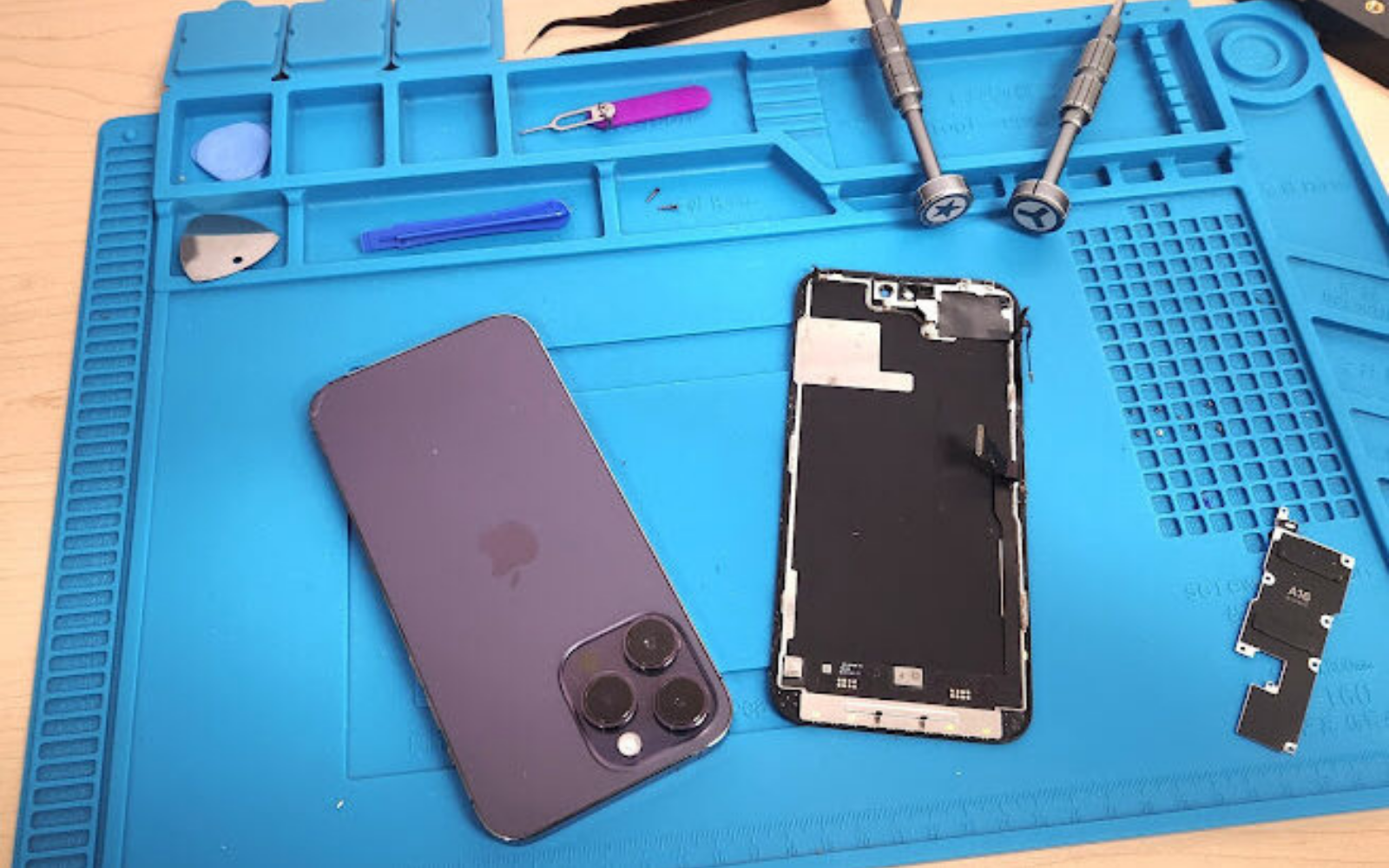
A repair shop that stocks the right charging-cable SKUs closes false “won’t charge” tickets before they become pointless battery or port jobs. Keep a short USB-C / Lightning / micro mix with clear PD wattage tiers, separate loaner leads from retail stock, and reorder on a cadence that matches counter demand — not a wall of lookalike boxes.
Last updated:
Digi4u is a Cardiff-based UK supplier of cables, chargers, batteries and phone repair parts for shops and end users. Free-shipping thresholds and lithium courier rules stay on the live delivery policy — re-check before quoting baskets.
Why do cable SKUs reduce false won’t-charge jobs?
Most “phone won’t charge” walk-ins fail first on the lead or wall adapter, not on a dead cell. A known-good, labelled cable on the bench lets you prove the handset draws current before you open the frame. Without that SKU discipline, technicians borrow random customer leads, misread a soft cable failure as a battery fault, and sell parts into a problem that a £5 lead would have exposed. Stock cables are diagnostic tools as much as retail accessories.
Keep at least one sealed retail line and one clearly marked loaner set for each connector family you service. Loaners take the abrasion of counter testing; retail stock stays sellable. When a loaner fails a power-meter check, bin it — do not quietly move it into the sale drawer. Pair this article with Digi4u’s phone no-power diagnosis flow so cable elimination sits before battery or port quotes.
| Counter symptom | First cable check | If cable passes | Avoid |
|---|---|---|---|
| Won’t charge / slow charge | Known-good lead + adapter on power meter | Inspect port, then battery/board path | Opening for a cell on an untested lead |
| Charges only with customer’s cable | Compare loaner vs customer lead wattage | Sell matched retail cable; note soft failure | Assuming the handset is “fine forever” |
| Works on phone, fails on tablet/laptop | Try higher-wattage e-marked C-to-C | Stock tier gap — reorder 60W/100W | One “universal” cheap cable claim |
| Intermittent charge, wiggle sensitive | Swap cable, then inspect port pins | Port flex / debris path | Selling three cables into a bent port |
What USB-C, Lightning and micro mix should a UK shop carry?
UK repair counters still see mixed fleets: USB-C Android and modern iPhones, Lightning on older iPhones and many loaner habits, and a shrinking but real micro-USB tail on budget and feature phones. Competitor wholesale pages emphasise USB-C and Lightning braided lines in 1 m / 2 m lengths; they rarely explain how many of each a shop needs for diagnosis versus retail. Aim for depth in C-to-C and A-to-C, a controlled Lightning depth, and a light micro-USB remnant — not equal shelf space for every connector.
| Connector family | Shop role | Suggested depth | Notes |
|---|---|---|---|
| USB-C to USB-C | Default modern charge/data | Deep (1 m + 2 m) | Primary loaner + retail |
| USB-A to USB-C | Older wall bricks / car sockets | Medium | Still common for loaner kits |
| USB-C to Lightning (PD) | iPhone PD path | Medium–deep | Label wattage clearly |
| USB-A to Lightning | Legacy iPhone / cheap bricks | Light–medium | Decline naturally with fleet |
| Micro-USB | Budget / older Android | Light | Do not overstock |
How should PD wattage tiers be labelled on the shelf?
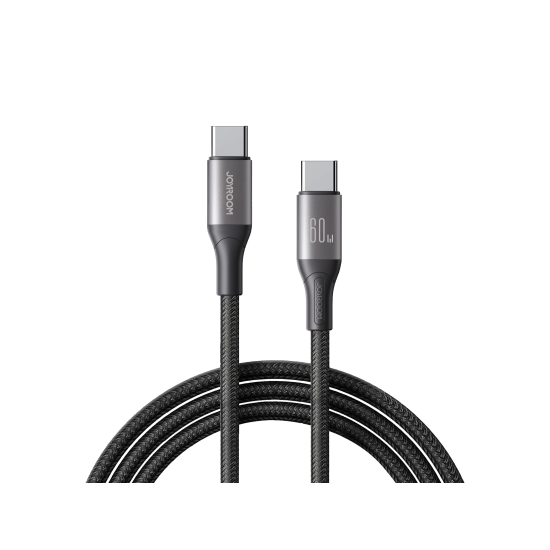
Wattage labels prevent the classic shop error: a phone-only cable sold into a laptop customer, or a high-wattage claim that the cable cannot negotiate. A practical UK counter set is 30–60 W for phones and tablets, ~100 W for most USB-C laptops, and a light high-wattage SKU only if you actually see that demand. USB-A lines stay in the 2.4–3 A conversation — do not print fake PD numbers on A-to-C packaging. Spot-check batches with a USB power meter on a known phone and, where relevant, a laptop; a cable that phones fine but never rises on a laptop may lack a working e-marker.
| Tier | Typical use | Stock stance | Label rule |
|---|---|---|---|
| ~30–60 W C-to-C / C-to-Lightning | Phones, tablets, counter loaners | Deep | Print negotiated wattage, not marketing “fast” alone |
| ~100 W C-to-C | Most USB-C laptops | Medium | Keep separate from phone-only bins |
| Higher e-marked C-to-C | High-power laptops / docks | Light | Stock only with proven local demand |
| USB-A to C / Lightning | Legacy bricks | Medium / declining Lightning | Current rating, not invented PD claims |
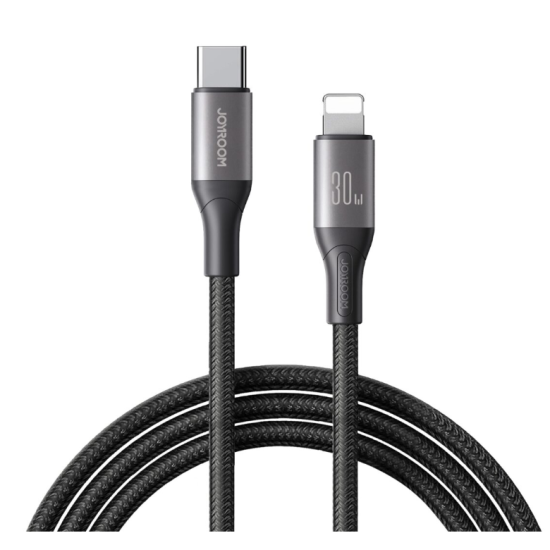
Browse Digi4u’s live cable hub for current JOYROOM and XO lines, including PD USB-C to Lightning options such as the JOYROOM S-A28 30W USB-C to Lightning 1 m cable. Confirm live titles and stock on the product page before promising a specific SKU to a trade account.
Loaner versus retail: what policy keeps stock honest?
Loaner cables live in a marked tub, get wiped after each ticket, and retire when the jacket frays, the connector loosens, or the meter reading drops. Retail cables stay sealed or in untouched retail packaging. Never “test with the one you are about to sell” unless that unit is then sold as open-box at a clear discount. Write the policy on a bench card so weekend staff do not invent their own rules.
For customer-facing sales, recommend length by use (1 m desk/car, 2 m sofa/bedside) and connector by the device in hand, not by whatever is nearest the till. If the ticket is really a port or battery job, say so — cable sales should not paper over a bent Lightning or USB-C receptacle. Cross-sell Digi4u’s charging-port hub and battery hub when the meter clears the lead.
Which quality signals matter more than brand stickers?
Wholesale competitors advertise braided jackets, MFi-style Lightning claims, multi-length packs and trade warranties. Useful signals for a repair shop are simpler: consistent meter results across a batch, strain relief that survives counter flexing, honest wattage labelling, and a supplier who will replace a bad batch without a three-week argument. Fancy packaging does not fix a soft data/charge negotiation. Keep one trusted line for loaners and one sellable retail line; rotating five mystery brands teaches customers that “any cable will do” — the opposite of what you want.
How often should you reorder and what should you record?
Reorder on usage, not on empty hooks. Count loaner failures weekly and retail sales by connector/wattage. A simple sheet — SKU, length, wattage, week sold, week failed (loaners) — reveals whether you are over-buying 2 m Lightning while starving 1 m C-to-C. Digi4u’s weekday same-day dispatch cut-off (orders before 4:00 PM Monday–Friday) is on the delivery policy; plan restocks so Friday afternoon gaps do not leave you testing on random customer leads over the weekend.
| Cadence | Action | Trigger |
|---|---|---|
| Daily | Retire failed loaners; wipe loaner tub | Any meter fail or fray |
| Weekly | Count sales by connector / wattage | Below minimum shelf depth |
| Fortnightly | Spot-check a new retail batch on meter | New supplier carton or returned lot |
| Monthly | Trim dead SKUs (e.g. excess micro-USB) | No sales + dust on hooks |
What is the one rule for charging-cable stock?
Treat cables as diagnostic inventory first and retail second. Prove charge with a labelled loaner, sell an honestly rated retail lead when the handset is fine, and move to ports or batteries when the lead is not the fault. Digi4u’s cable and charger hubs are the live catalogue; keep lithium and free-shipping detail on the delivery policy page rather than freezing every threshold into this article.
Known-good cables only prove so much; if the Galaxy still fails charge or data, move to sub-board selection in Samsung charging port flex replacement UK.
FAQ
What charging cables should a phone repair shop stock?
A short, labelled mix: USB-C to USB-C and USB-A to USB-C in phone and laptop wattage tiers, USB-C to Lightning for modern iPhones, a declining USB-A to Lightning line, and a light micro-USB remnant. Separate loaner test leads from sealed retail stock.
Do cheap cables cause false won’t-charge diagnoses?
Yes. Soft or damaged leads make healthy phones look dead and push shops toward unnecessary battery or port work. Always eliminate a known-good cable and adapter before opening the handset.
Should loaner cables be sold to customers?
No. Loaners take bench wear and should be marked, meter-tested and retired. Sell sealed retail cables, or clearly discounted open-box units if a retail lead was opened for demonstration.
What PD wattage tiers matter for UK counters?
Practically: ~30–60 W for phones/tablets, ~100 W for most USB-C laptops, and higher e-marked cables only if you see that demand. Label wattage honestly and verify batches with a power meter.
When should a cable sale become a port or battery job?
When a known-good lead and adapter still fail, or when charge is wiggle-sensitive at the receptacle. Inspect the port and follow Digi4u’s no-power and battery guidance rather than stacking more cables onto a hardware fault.